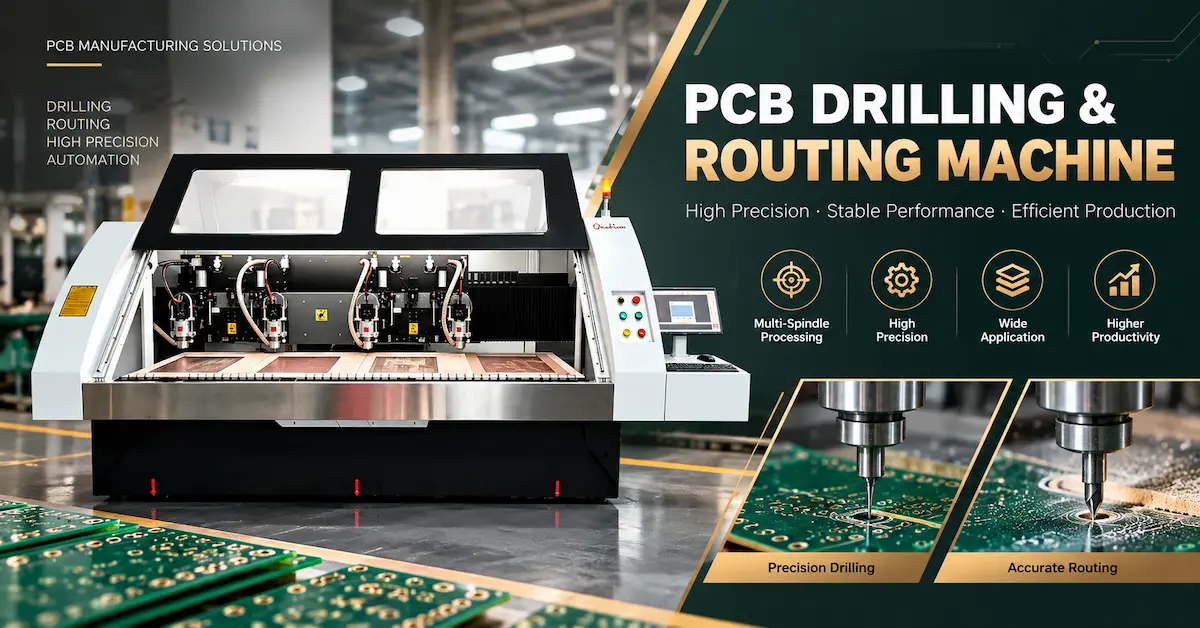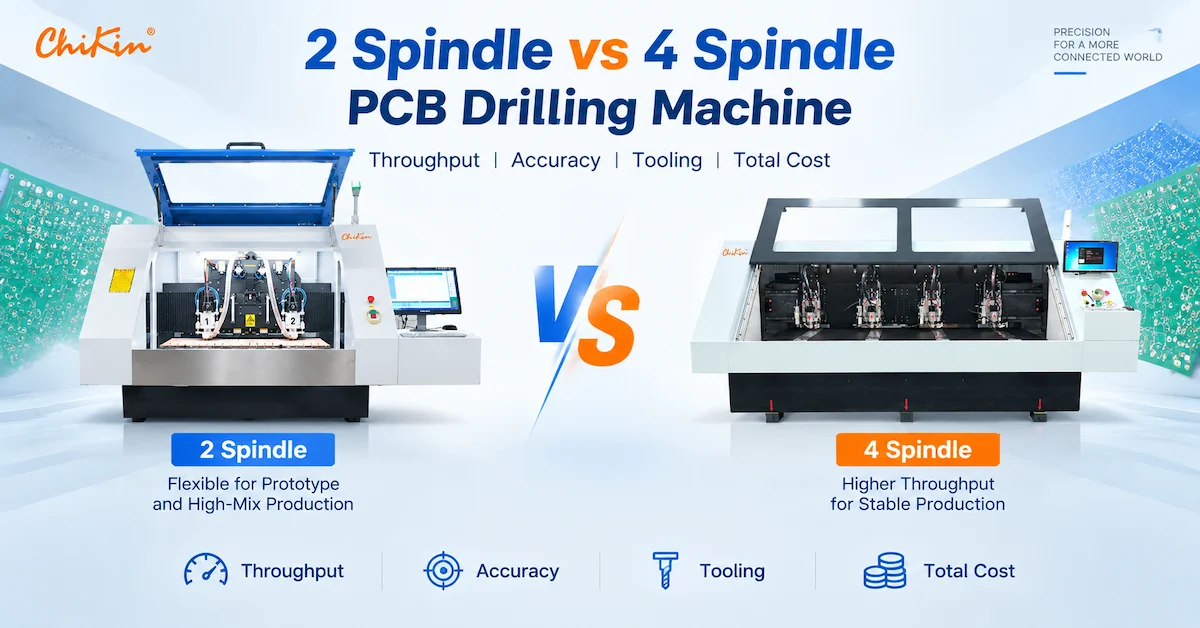




A PCB Depth Control Drilling machine is used when a PCB manufacturer needs more than standard through-hole drilling. In many circuit board production tasks, the tool must enter the board to a controlled depth instead of cutting all the way through.
This is important because PCB boards often contain copper layers, insulation materials, surface coatings, or special structural areas that cannot be damaged. If the tool drills too deep, the board may become scrap. If the tool does not go deep enough, the process may fail to meet assembly or routing requirements.
For PCB factories, depth control is especially useful in:
- Controlled-depth drilling
- Partial routing
- Slot depth control
- Step milling
- Surface material removal
- Special PCB structure processing
- Prototype PCB testing
- Multilayer PCB mechanical preparation
A good PCB Depth Control Drilling machine helps reduce over-cutting, improve repeatability, and make special PCB processing more stable.
What Is a PCB Depth Control Drilling Machine?
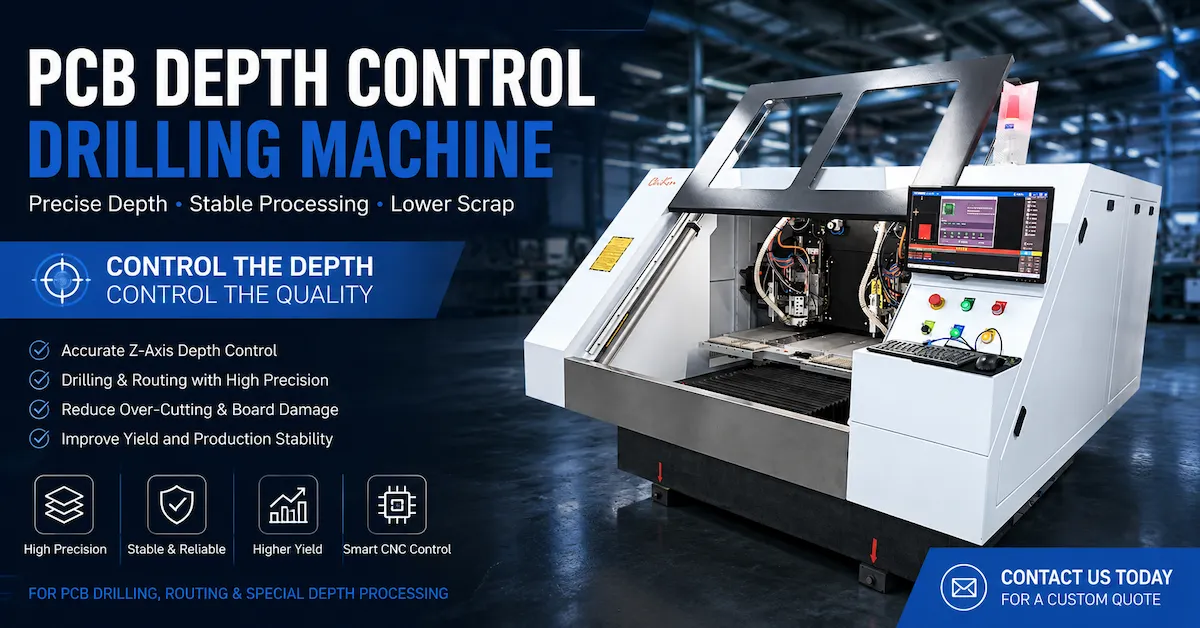
A PCB Depth Control Drilling machine is a CNC-controlled PCB drilling or routing machine that allows the operator to control the Z-axis cutting depth. Unlike a standard PCB drilling machine that usually focuses on drilling through the board, this machine focuses on how deep the tool enters the material.
It can be used for controlled-depth holes, controlled-depth routing, partial slots, grooves, or other special PCB processing tasks.
This type of equipment may also be called:
- Depth control PCB drilling machine
- PCB depth control routing machine
- PCB CNC depth control machine
- Controlled depth PCB drilling equipment
- PCB drilling and routing machine with depth control
The core value is not just drilling. It is controlled, repeatable, and safe material removal.
When Do PCB Manufacturers Need Depth Control?
A PCB factory should consider depth control when standard full-depth drilling or routing creates risk.
1. When Over-Cutting Can Damage the Board
Some PCB structures cannot tolerate deep tool penetration. Over-cutting may damage copper layers, reduce board strength, or create electrical defects.
Depth control helps limit tool movement and reduce the chance of cutting too far.
2. When Partial Routing Is Required
Not every routing operation needs to cut through the entire board. Some designs require controlled grooves, shallow slots, or step-like features.
A PCB Depth Control Drilling machine can support these controlled mechanical processes.
3. When Board Thickness Varies
PCB thickness may vary slightly between batches or materials. If the machine cannot control Z-axis depth well, the same program may produce inconsistent results.
Depth control helps improve repeatability, especially when combined with good fixture and parameter settings.
4. When Prototype Boards Need Special Testing
R&D teams and prototype labs often test unusual board structures. A machine with controllable depth settings gives them more flexibility than standard through-hole equipment.
5. When Scrap Cost Is High
For multilayer PCB, aluminum PCB, and special boards, one over-cut panel can be expensive. Depth control helps reduce risk during precision processing.
PCB Depth Control Drilling Machine vs Standard PCB Drilling Machine
| Comparison Point | Standard PCB Drilling Machine | PCB Depth Control Drilling Machine |
|---|---|---|
| Main Function | Through-hole drilling | Controlled-depth drilling and routing |
| Z-Axis Control | Basic or limited | More precise depth setting |
| Best For | Vias, tooling holes, through-holes | Partial holes, grooves, special PCB processing |
| Scrap Risk | Higher for depth-sensitive tasks | Lower with correct setup |
| Operator Dependence | Higher for special work | Lower with CNC depth parameters |
| Application Range | General PCB drilling | Controlled PCB mechanical processing |
| Buyer Focus | Speed and hole position | Depth accuracy and repeatability |
If your production only needs standard through-hole drilling, a regular PCB drilling machine may be enough. If your process requires controlled penetration, the depth control function becomes much more important.
Key Technical Factors Buyers Should Check
1. Z-Axis Depth Accuracy
The Z-axis is the most important system in a PCB Depth Control Drilling machine. Buyers should confirm whether the machine can repeat the required depth consistently.
Important questions include:
- What is the Z-axis control method?
- Can the operator set exact depth values?
- Can depth parameters be saved?
- How is depth repeatability tested?
- Can the supplier process sample boards before delivery?
For depth-sensitive PCB processing, Z-axis repeatability is just as important as X/Y positioning accuracy.
2. Machine Structure and Stability
Depth control depends on a stable machine body. If the worktable vibrates or the tool moves unevenly, depth results may change across the board.
Buyers should check:
- Machine base rigidity
- Worktable flatness
- Motion system quality
- Spindle mounting stability
- Vibration control
- Enclosed processing design
- Maintenance access
Stable machine structure helps keep depth results consistent during batch production.
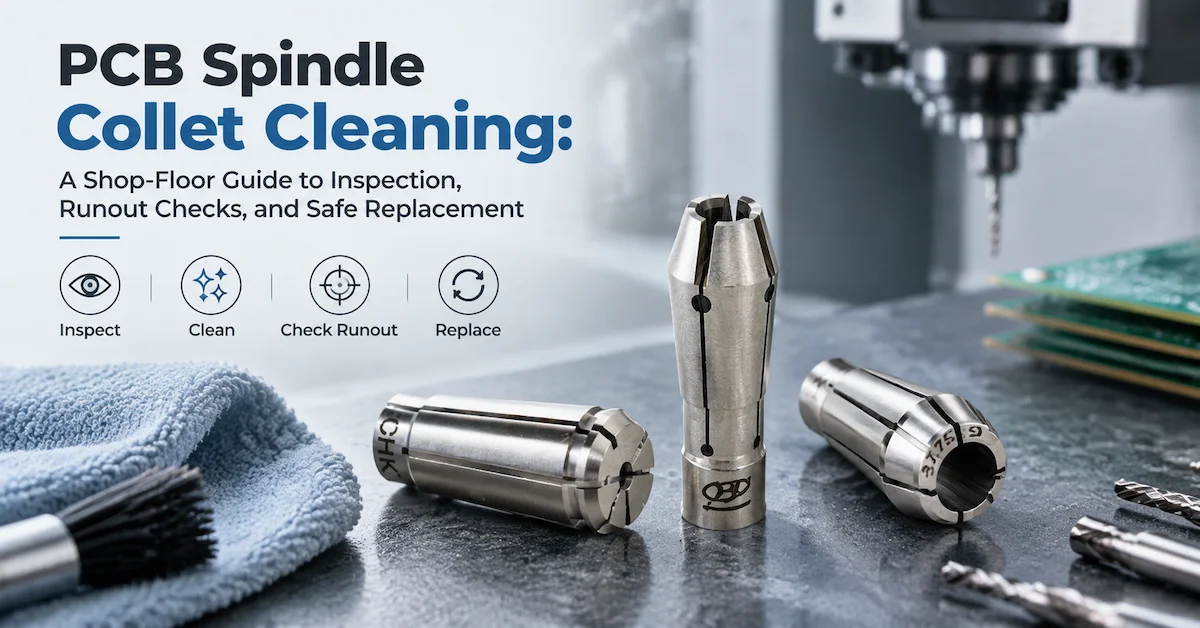
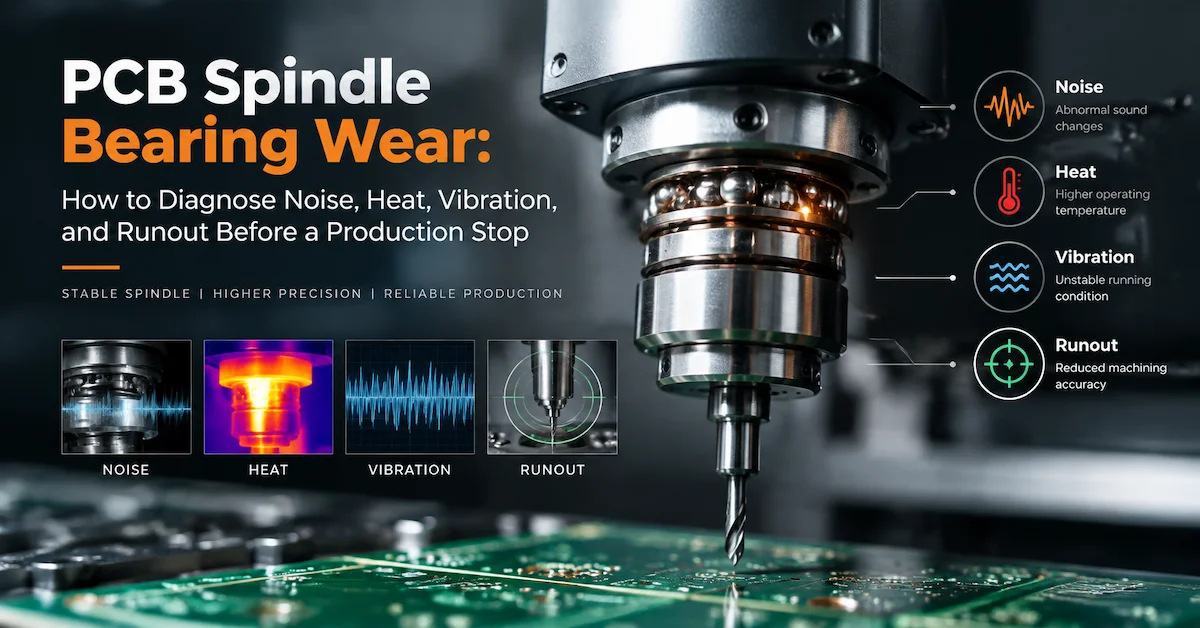
3. Spindle and Tool System
The spindle affects cutting depth, tool life, edge quality, and surface finish. For controlled-depth PCB work, the tool must run smoothly and remain stable.
Buyers should confirm:
- Spindle speed
- Tool runout
- Drill bit and routing bit compatibility
- Tool holding method
- Tool wear management
- Tool replacement convenience
Even if the software depth setting is correct, worn or unstable tools can still create poor results.
4. PCB Fixture and Board Flatness
Depth control is difficult if the PCB panel is not held flat. A small board lift or warpage can change actual cutting depth.
Ask the supplier:
- How is the PCB fixed?
- Does the machine support vacuum clamping?
- Can custom fixtures be used?
- How does the machine handle board warpage?
- Can repeated positioning be maintained?
Good depth control is a combination of Z-axis motion, spindle stability, fixture design, and board condition.
5. Software and Parameter Storage
For production use, the machine should allow operators to save depth settings and repeat them across similar jobs.
Useful software functions include:
- Depth parameter setting
- Z-axis control
- Program storage
- Tool path management
- Repeat job settings
- Operator-friendly interface
- Remote support options
For overseas buyers, English software interface and training support can reduce setup difficulty.
Common Applications of PCB Depth Control Drilling Machines
A PCB Depth Control Drilling machine can support many depth-sensitive board-processing tasks.
Typical applications include:
- Controlled-depth PCB drilling
- Partial-depth routing
- Slot depth control
- PCB groove processing
- Step milling
- Surface material removal
- FR4 mechanical processing
- Multilayer PCB depth-sensitive work
- Aluminum PCB controlled routing
- Prototype PCB development
This machine is especially suitable when full-depth drilling or routing is too risky for the board design.
Product Match: CHIKIN CNC PCB Drilling & Routing Equipment
For this article, the most suitable product direction is:
Depth Control PCB CNC Routing Machine
If the website does not have a separate product page for this exact name, the article should be linked to the broader category:
PCB Drilling & Routing Equipment
This category is suitable because the buyer’s need is not only drilling, but controlled PCB depth processing, routing depth, slotting, and special board preparation.
Recommended internal links:
Recommended anchor text:
PCB depth control drilling and routing equipment
Specification Checklist for Buyers
| Item | What to Confirm | Why It Matters |
| Z-Axis Control | Depth setting and repeatability | Controls processing depth |
| Working Area | Maximum board size | Ensures PCB compatibility |
| Board Thickness Range | Supported thickness | Prevents wrong machine selection |
| Spindle System | Speed and runout | Affects cutting stability |
| Tool Support | Drill bit and router bit range | Matches process requirement |
| Fixture Method | Vacuum, clamp, or custom fixture | Keeps board flat and stable |
| Software | Depth parameters and program storage | Improves repeat production |
| Machine Structure | Rigidity and vibration control | Supports consistent depth |
| Sample Testing | Trial processing before order | Reduces purchase risk |
| Service Support | Training, spare parts, remote help | Reduces downtime |
Common Buying Mistakes to Avoid
Mistake 1: Only Asking for a Drilling Machine
If your process needs controlled depth, a standard drilling machine may not be enough. Make sure the supplier understands your Z-axis depth requirement.
Mistake 2: Ignoring Board Thickness Tolerance
Even small thickness variation can affect final depth. Always share material thickness and tolerance before asking for a quote.
Mistake 3: Not Testing Samples
For depth-sensitive work, sample testing is important. It shows whether the machine can reach the required depth and repeat it reliably.
Mistake 4: Forgetting Fixture Design
If the board is not flat, depth control becomes unstable. Fixture and clamping method should be discussed with the supplier.
Mistake 5: Comparing Only Price
A low-cost machine may not provide stable depth accuracy, reliable software, or strong after-sales support. For special PCB processing, inconsistent depth can cost more than the machine price difference.
Buyer Checklist Before Requesting a Quote
Before requesting a PCB Depth Control Drilling machine quotation, prepare:
| Information | Example |
| Board material | FR4, multilayer PCB, aluminum PCB |
| Board thickness | 0.8mm, 1.6mm, 2.0mm |
| Required depth | Exact depth target |
| Depth tolerance | Allowed variation |
| Process type | Drilling, routing, slotting, partial cutting |
| Tool type | Drill bit, routing bit, custom tool |
| Board size | Length × width |
| Production volume | Prototype, small batch, mass production |
| Current problem | Over-cutting, inconsistent depth, scrap |
| Automation need | Program storage, fixture, tool detection |
This information helps CHIKIN CNC recommend a more accurate configuration.
FAQ: PCB Depth Control Drilling Machine
1. What is a PCB Depth Control Drilling machine?
A PCB Depth Control Drilling machine is CNC equipment that controls how deep the drilling or routing tool enters the PCB material.
2. Why is depth control important in PCB production?
Depth control helps prevent over-cutting, reduce board damage, and improve repeatability in special PCB processing tasks.
3. Can this machine also support PCB routing?
Yes. In many cases, depth control is useful for PCB routing, slotting, grooves, and partial-depth cutting.
4. What affects depth accuracy?
Depth accuracy depends on Z-axis control, spindle stability, tool condition, board flatness, fixture method, software settings, and material thickness.
5. Is this machine suitable for multilayer PCB?
It can be suitable if the machine configuration, tool system, and depth accuracy meet the board requirements.
6. Should I request sample testing?
Yes. Sample testing is strongly recommended for any depth-sensitive PCB processing project.
7. What information should I send for a quote?
Send board material, thickness, required depth, tolerance, process type, tool type, board size, production volume, and current process issue.
8. Is this the same as a standard PCB drilling machine?
No. A standard PCB drilling machine usually focuses on full-depth holes, while a PCB Depth Control Drilling machine focuses on controlled tool penetration.
Conclusion: Depth Control Helps PCB Factories Reduce Risk and Improve Consistency
A PCB Depth Control Drilling machine is a practical solution for PCB manufacturers that need controlled hole depth, routing depth, and repeatable mechanical processing. It is especially useful when full-depth drilling or routing may damage the board or fail to meet design requirements.
For buyers, the key is to confirm Z-axis accuracy, fixture stability, spindle performance, tool compatibility, software control, and sample testing before purchase.
CHIKIN CNC provides PCB drilling and routing equipment for factories that need controlled PCB processing and stable production support.
If you are comparing PCB Depth Control Drilling machine options, send your board material, board thickness, required depth, tolerance, process type, and production volume. CHIKIN CNC can help recommend a suitable PCB CNC drilling and routing solution.
Contact CHIKIN CNC to request a PCB depth control machine solution and quotation: