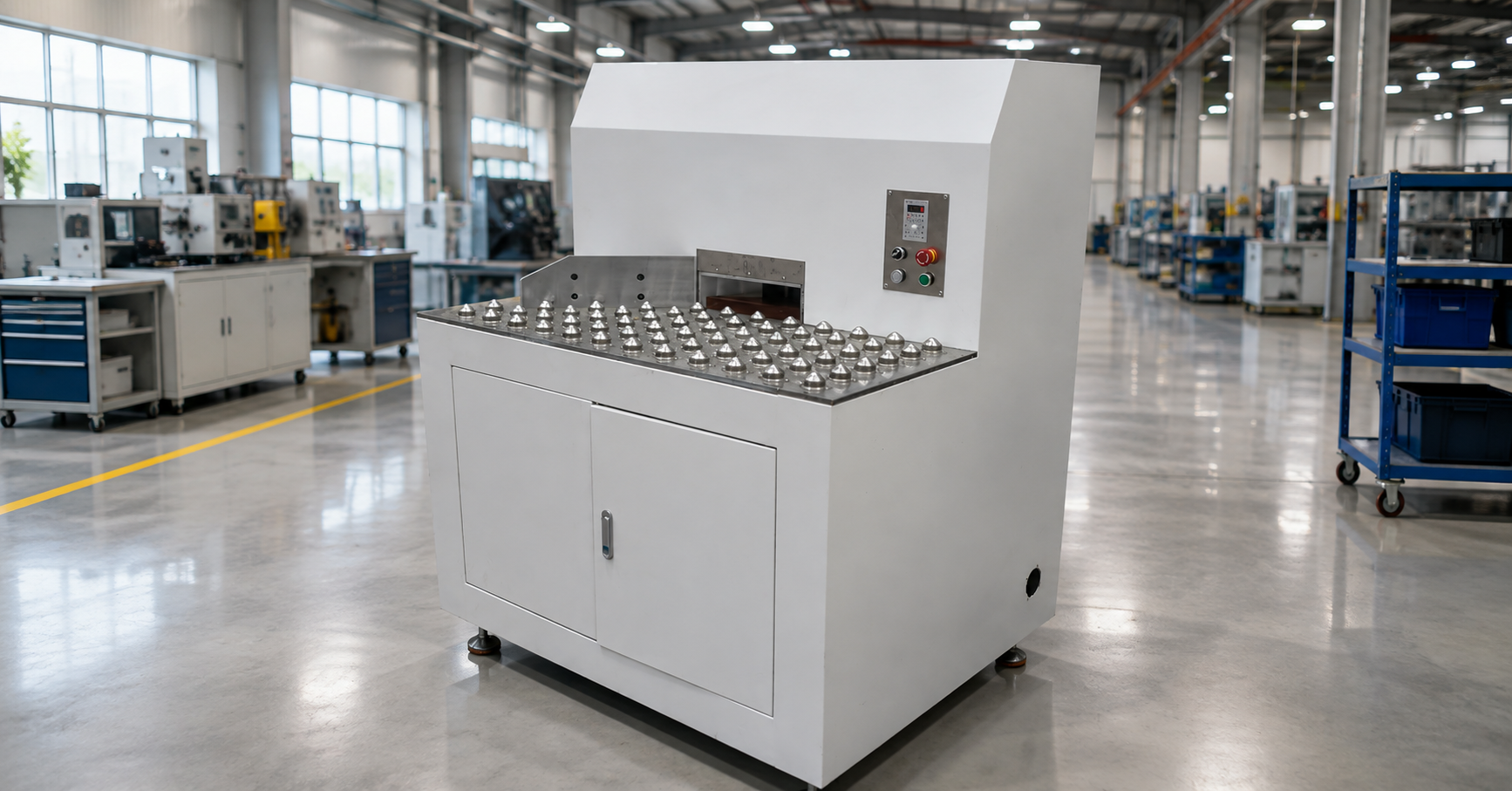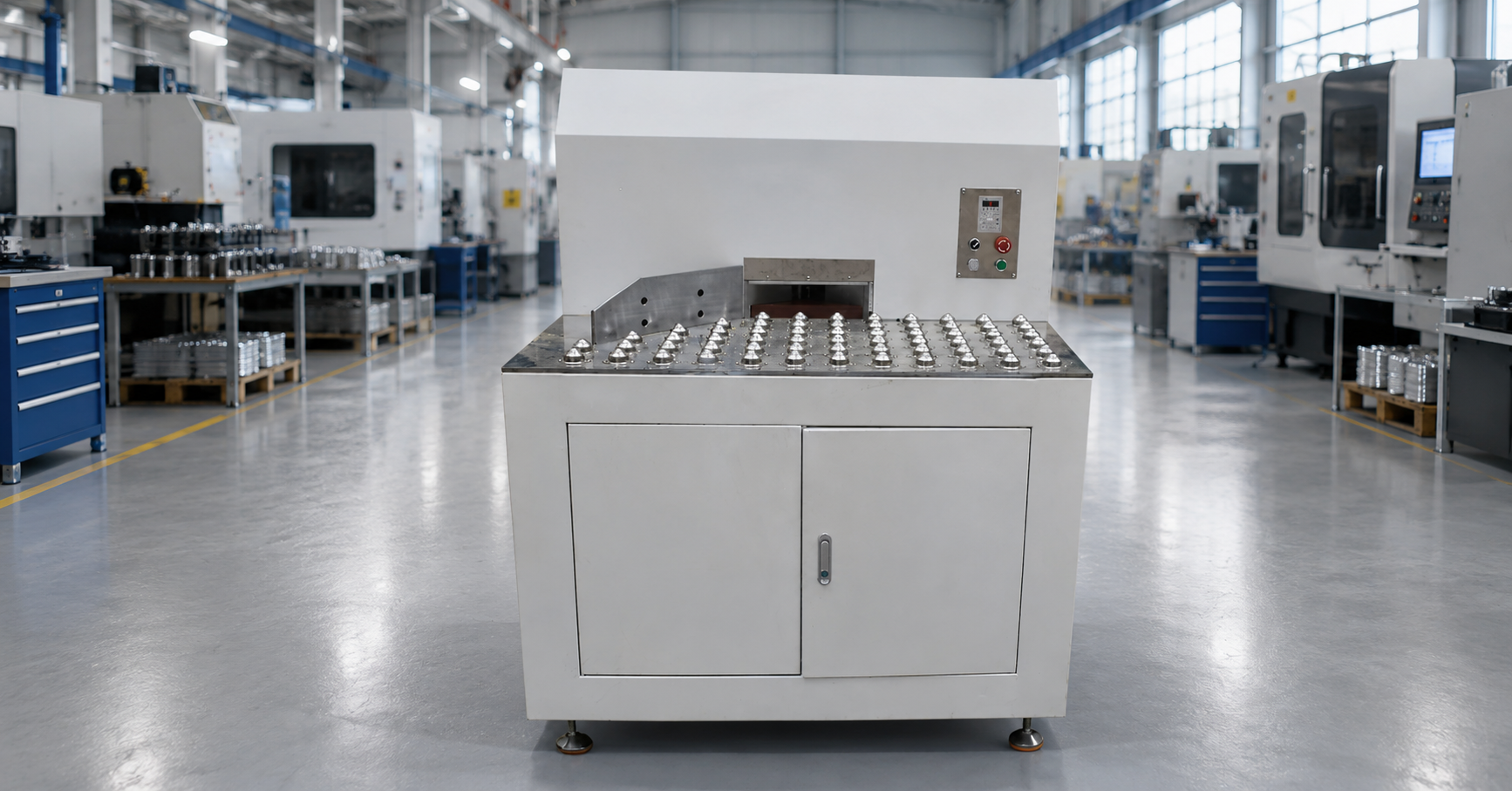




Why Choosing the Right PCB HASL Machine Supplier Matters
For PCB manufacturers, surface finishing is one of the most important processes affecting solderability, product reliability, and downstream assembly performance.
A reliable PCB HASL Machine Supplier provides more than a hot air solder leveling system. The supplier should understand:
- PCB material requirements
- Board size and thickness
- Surface finishing standards
- Production capacity
- Lead-free requirements
- Process control
- Maintenance requirements
Hot Air Solder Leveling (HASL) remains a widely used PCB surface-finishing technology because it provides a solderable surface by coating exposed copper areas with solder and leveling the excess solder using hot air.
However, choosing the wrong supplier may result in:
- Uneven solder coating
- Poor surface consistency
- Excessive defects
- Difficult maintenance
- High operating costs
- Limited technical support
Therefore, buyers should evaluate not only the machine itself but also the supplier’s engineering capability, manufacturing experience, customization ability, and after-sales service.
A professional PCB HASL machine manufacturer should help customers select a suitable system based on actual production requirements.
What Is a PCB HASL Machine?
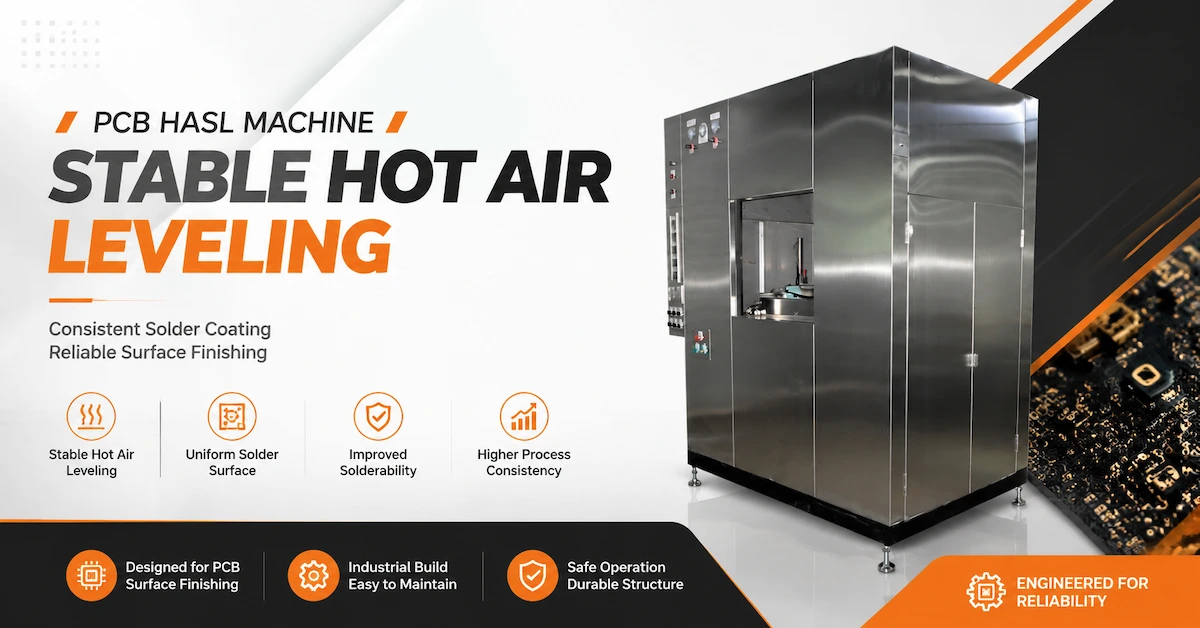
A PCB HASL machine is industrial equipment used for Hot Air Solder Leveling, a surface-finishing process that prepares PCB copper surfaces for reliable soldering.
The typical HASL process includes:
- PCB surface preparation
- Flux application
- Immersion into molten solder
- Hot air leveling
- Cooling and inspection
The purpose is to create:
- Uniform solder coverage
- Improved solderability
- Copper protection
- Stable assembly performance
HASL equipment is commonly used in PCB factories producing:
- General electronic boards
- Industrial control boards
- Consumer electronics PCBs
- Power electronics boards
- Prototype and small-batch PCB products
Who Needs a PCB HASL Machine Supplier?
PCB Manufacturing Factories
PCB manufacturers require HASL equipment to improve:
- Surface finish consistency
- Production efficiency
- Soldering reliability
- Manufacturing stability
Factories producing different board sizes or materials need suppliers who can provide suitable machine configurations.
Electronics Production Companies
Electronics manufacturers that manage PCB production internally may use HASL systems for:
- Prototype validation
- Small-batch production
- Customized electronics projects
A suitable supplier can help match the equipment with the required workflow.
PCB Prototype and Small-Batch Facilities
Prototype facilities often need flexible surface-finishing solutions.
Their priorities include:
- Stable process control
- Compact equipment design
- Easy operation
- Fast product changeover
- Reliable support
PCB Equipment Integrators
Equipment distributors and system integrators often require:
- OEM cooperation
- Technical documentation
- Stable manufacturing capability
- Customized solutions
- Long-term supplier relationships
Direct PCB HASL machine manufacturers are usually more suitable for these projects.
How to Evaluate a PCB HASL Machine Manufacturer
1. Confirm Manufacturing Capability
The first step is determining whether the supplier is a real equipment manufacturer.
A professional PCB HASL machine manufacturer should have:
- Engineering capability
- Equipment assembly experience
- Process development knowledge
- Quality inspection procedures
- Technical support resources
Buyers should ask:
- Is the machine manufactured internally?
- Who designs the process system?
- How is equipment tested before shipment?
- Does the supplier provide installation support?
A direct manufacturer usually provides stronger technical communication compared with a simple trading company.
2. Evaluate HASL Process Capability
The most important factor is whether the machine can provide stable surface finishing results.
Buyers should evaluate:
- Solder temperature control
- Hot air leveling stability
- Flux application system
- Board handling method
- Cooling process
- Surface inspection capability
The purpose is not only to coat the PCB surface but to maintain consistent results across repeated production cycles.
3. Check Lead-Free and Traditional HASL Capability
Modern PCB factories may require different solder materials.
Buyers should confirm:
- Lead-free HASL capability
- Tin-lead HASL capability
- Temperature range
- Process compatibility
- Material requirements
The selected machine should match the factory’s target markets and product standards.
4. Review Machine Structure and Materials
HASL equipment usually operates under high-temperature industrial conditions.
Important structural factors include:
- Stainless steel construction
- Heat resistance
- Chamber design
- Maintenance access
- Corrosion resistance
- Operator protection
The supplied PCB HASL machine reference uses a stainless-steel industrial cabinet structure.
The specification lists:
- SUS 304 / 1.5 mm equipment shell material
- Maximum PCB size: 610 × 610 mm
- Board thickness range: 0.8–3.2 mm
Actual configuration should be confirmed according to the final production requirement.
5. Evaluate Temperature and Process Control
Temperature stability directly affects solder quality.
Buyers should evaluate:
- Tin temperature control
- Hot air temperature
- Heating system stability
- Temperature monitoring
- Process repeatability
The reference specification includes:
| Item | Reference |
|---|---|
| Tin temperature | 230–280°C depending on configuration |
| Hot air temperature | 300–420°C depending on configuration |
| Working speed | 4–7 pcs/min |
Actual production results depend on PCB material, solder type, board design, and process settings.
6. Confirm Board Size and Production Capacity
Before purchase, buyers should provide:
- Maximum PCB dimensions
- Minimum PCB size
- Board thickness
- Daily production volume
- Product mix
- Surface finish requirements
A machine designed for small batches may not meet the requirements of continuous high-volume production.
The supplier should recommend configuration based on actual throughput requirements rather than only machine specifications.
7. Check Automation and Operation Features
Modern PCB factories require equipment that reduces manual variation.
Useful features include:
- Automatic board handling
- Controlled process movement
- Digital temperature monitoring
- Operator interface
- Safety protection
- Production monitoring
Automation helps improve:
- Repeatability
- Operator safety
- Process consistency
- Production efficiency
8. Request Sample Processing
Sample testing is an important step before purchasing HASL equipment.
Provide:
- PCB samples
- Board materials
- Thickness information
- Surface requirements
- Production targets
Evaluate:
- Solder coverage
- Surface uniformity
- Edge quality
- Solder thickness
- Process stability
- Cycle time
A supplier should demonstrate actual production capability rather than only provide technical documents.
9. Review Quality Control Process
A reliable PCB HASL machine supplier should have quality control covering:
- Machine assembly
- Electrical systems
- Temperature control
- Safety functions
- Process testing
- Final inspection
Buyers should request:
- Factory testing records
- Machine videos
- Acceptance standards
- Quality documentation
10. Confirm Technical Support and After-Sales Service
HASL equipment requires long-term technical support.
Important services include:
- Installation
- Operator training
- Process guidance
- Maintenance support
- Spare parts
- Remote troubleshooting
For overseas buyers, supplier response capability is especially important.
PCB HASL Machine Supplier vs Trading Company
| Factor | Direct Manufacturer | Trading Company |
|---|---|---|
| Process knowledge | Direct | Depends on supplier |
| Customization | Stronger | Limited |
| Technical support | Direct engineers | Third party |
| Machine modification | Easier | More difficult |
| Spare parts | Direct supply | Additional coordination |
| Long-term service | Better control | Depends on factory |
For industrial surface-finishing equipment, working directly with a manufacturer often provides better technical communication and customization flexibility.
Product Match: CHIKIN CNC PCB HASL Machine
The matching product for this article is:
PCB HASL Machine for Stable Hot Air Leveling
This equipment is designed for PCB surface finishing applications requiring:
- Hot air solder leveling
- Stable solder coating
- Controlled process operation
- Repeatable production results
Reference specifications:
| Item | Specification |
|---|---|
| Model | CK-2426-A / CK-2426-B |
| Shell material | SUS 304 / 1.5 mm |
| Maximum PCB size | 610 × 610 mm |
| PCB thickness | 0.8–3.2 mm |
| Total power | 66 KW |
| Working speed | 4–7 pcs/min |
| Equipment structure | Stainless steel industrial cabinet |
Why Consider CHIKIN CNC as a PCB HASL Machine Supplier?
CHIKIN CNC focuses on PCB manufacturing equipment solutions, including:
- PCB drilling equipment
- PCB routing equipment
- PCB cutting equipment
- PCB inspection equipment
- PCB testing equipment
- PCB surface-processing solutions
As a direct equipment manufacturer, CHIKIN CNC supports customers with:
- Equipment selection
- Application analysis
- Technical consultation
- Customized solutions
- Production workflow planning
Buyers can review the complete CHIKIN CNC PCB equipment portfolio.
The related product:
PCB HASL Machine for Stable Hot Air Leveling
Buyer Checklist Before Requesting a Quote
| Information | Details |
|---|---|
| PCB material | FR4, multilayer PCB, special materials |
| Surface finish | Lead-free HASL or traditional HASL |
| Board size | Maximum and minimum dimensions |
| Thickness range | PCB thickness |
| Production volume | Daily output |
| Temperature requirement | Process parameters |
| Automation level | Manual or automated |
| Factory conditions | Power, ventilation, space |
| Service requirement | Installation and training |
FAQ: PCB HASL Machine Supplier
What does a PCB HASL machine supplier provide?
A professional supplier provides HASL equipment, process support, installation, training, spare parts, and after-sales service.
What is the purpose of a HASL machine?
A HASL machine applies solder coating to PCB copper surfaces to improve solderability and protect exposed copper.
Should I choose a PCB HASL manufacturer or trading company?
Direct manufacturers usually provide stronger customization, technical communication, and long-term support.
What factors affect HASL quality?
Important factors include temperature control, solder material, air leveling stability, board handling, and process parameters.
Can HASL machines support lead-free production?
Many modern HASL systems support lead-free applications, but buyers should confirm temperature range and process compatibility.
What information should buyers provide?
Provide PCB size, thickness, solder type, production volume, and surface-finish requirements.
Why is sample testing important?
Sample testing verifies actual solder coverage, surface quality, and process stability.
How important is after-sales support?
Reliable service helps reduce downtime and maintain consistent production performance.
Conclusion: Choose a PCB HASL Machine Supplier as a Long-Term Partner
Choosing a PCB HASL Machine Supplier requires evaluating more than machine price.
PCB manufacturers should consider:
- Manufacturing capability
- HASL process knowledge
- Temperature control
- Machine structure
- Customization ability
- Sample testing
- Technical support
- Long-term service
A reliable supplier can help factories improve PCB surface-finishing quality, reduce production variation, and build a more stable manufacturing process.
CHIKIN CNC provides PCB HASL equipment solutions for manufacturers looking for reliable and production-focused surface-finishing systems.
Request a PCB HASL Machine Consultation from CHIKIN CNC
If you are evaluating PCB HASL equipment for a new production line or upgrading an existing surface-finishing process, CHIKIN CNC can help review your requirements.
Prepare:
- PCB size
- Board thickness
- Surface finish requirements
- Production volume
- Lead-free requirements
- Factory conditions
- Automation expectations
The CHIKIN CNC team can help recommend a suitable HASL machine configuration, discuss process requirements, arrange technical evaluation, and provide a customized quotation.
Contact CHIKIN CNC for a PCB HASL machine consultation: