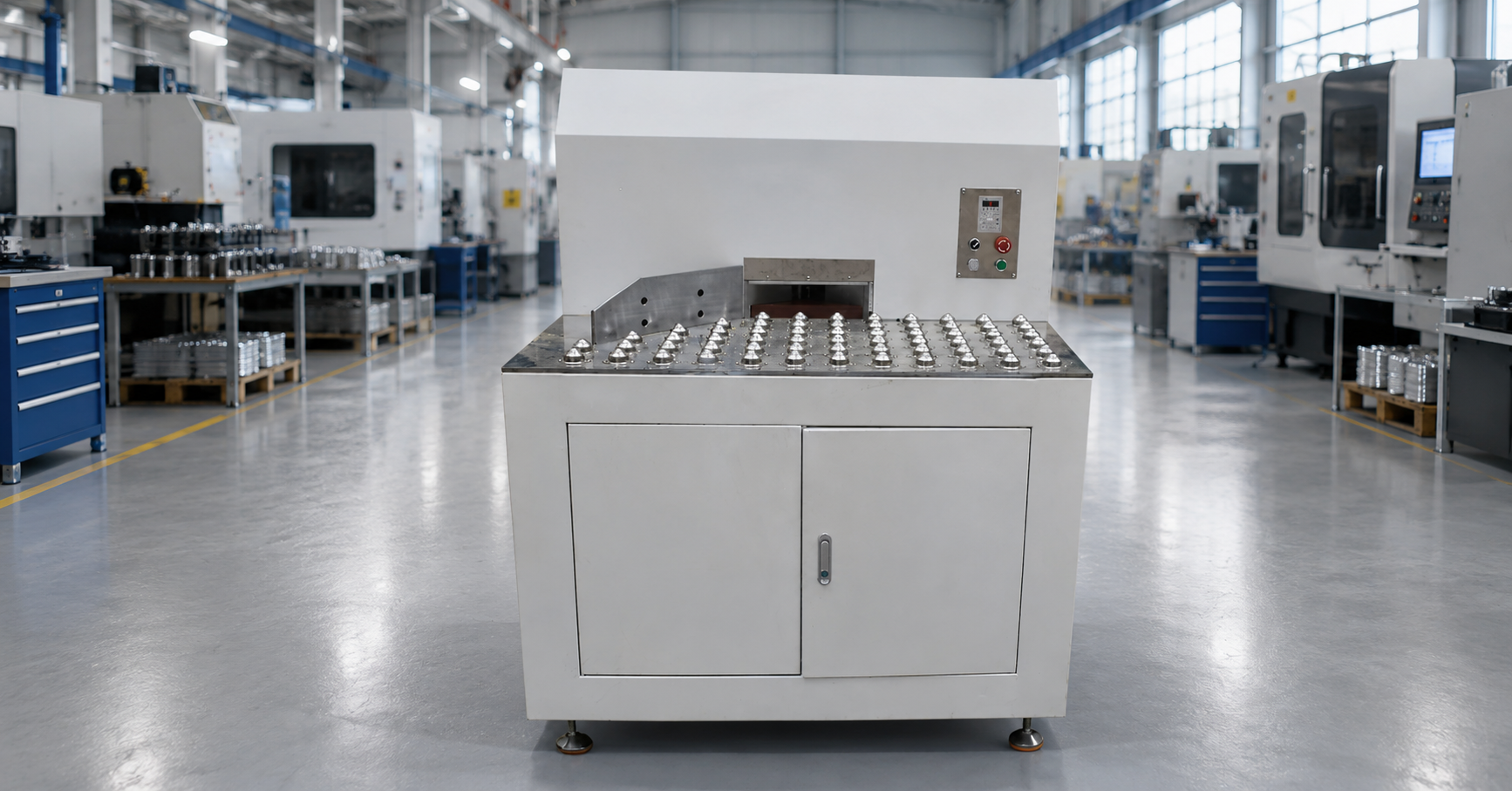




Buying a placement machine is not just about speed
For electronic product manufacturers, choosePCB placement machineis an important production decision. Many buyers will first compare the placement speed, machine price or equipment appearance, but these factors alone cannot determine whether the machine is suitable for actual SMT production.
A good oneSMT machineMust match the buyer's PCB assembly process. It should be able to support the required board size, component types, production scale, operator workflow, factory layout, safety requirements and integration needs.
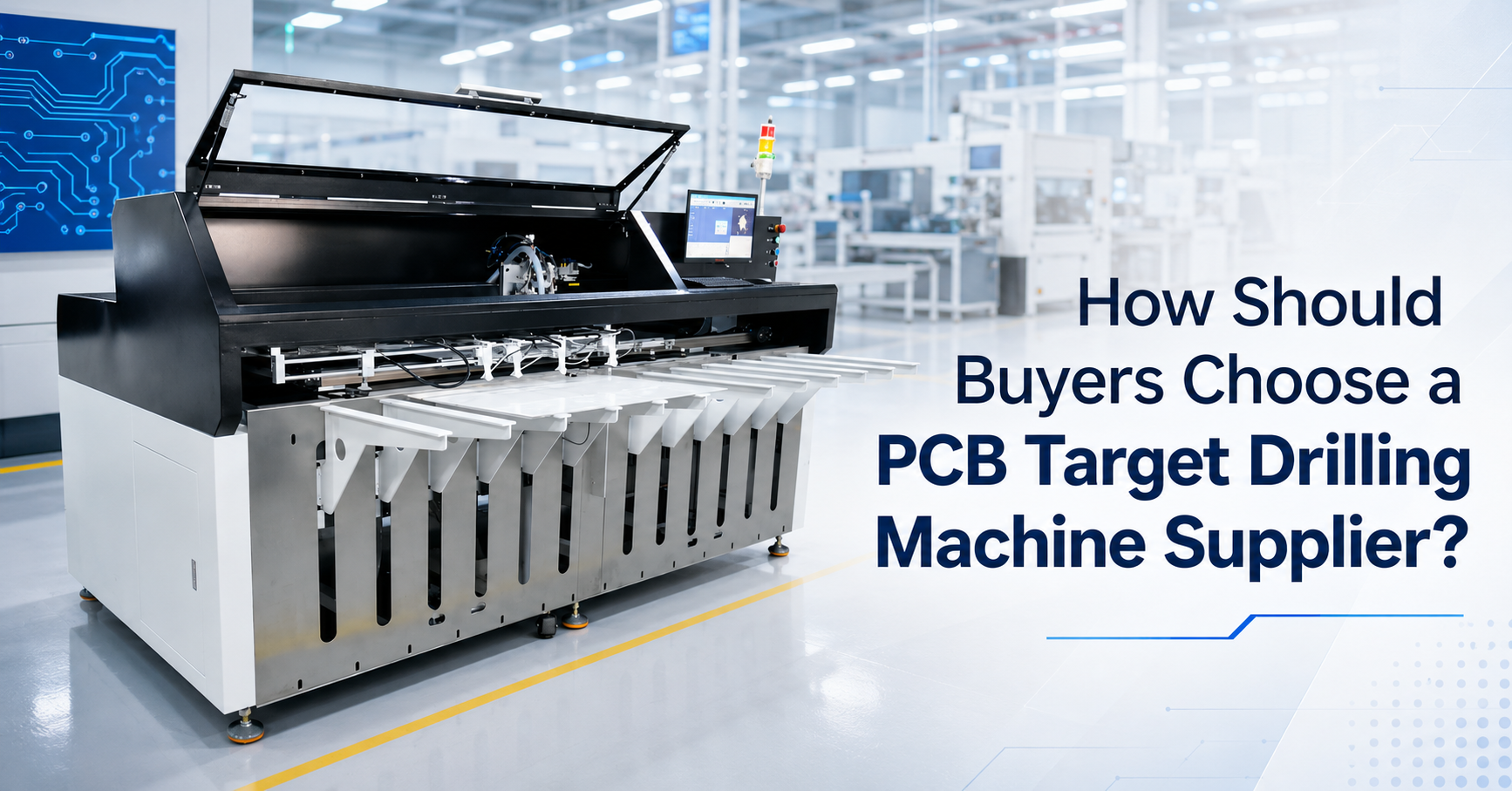
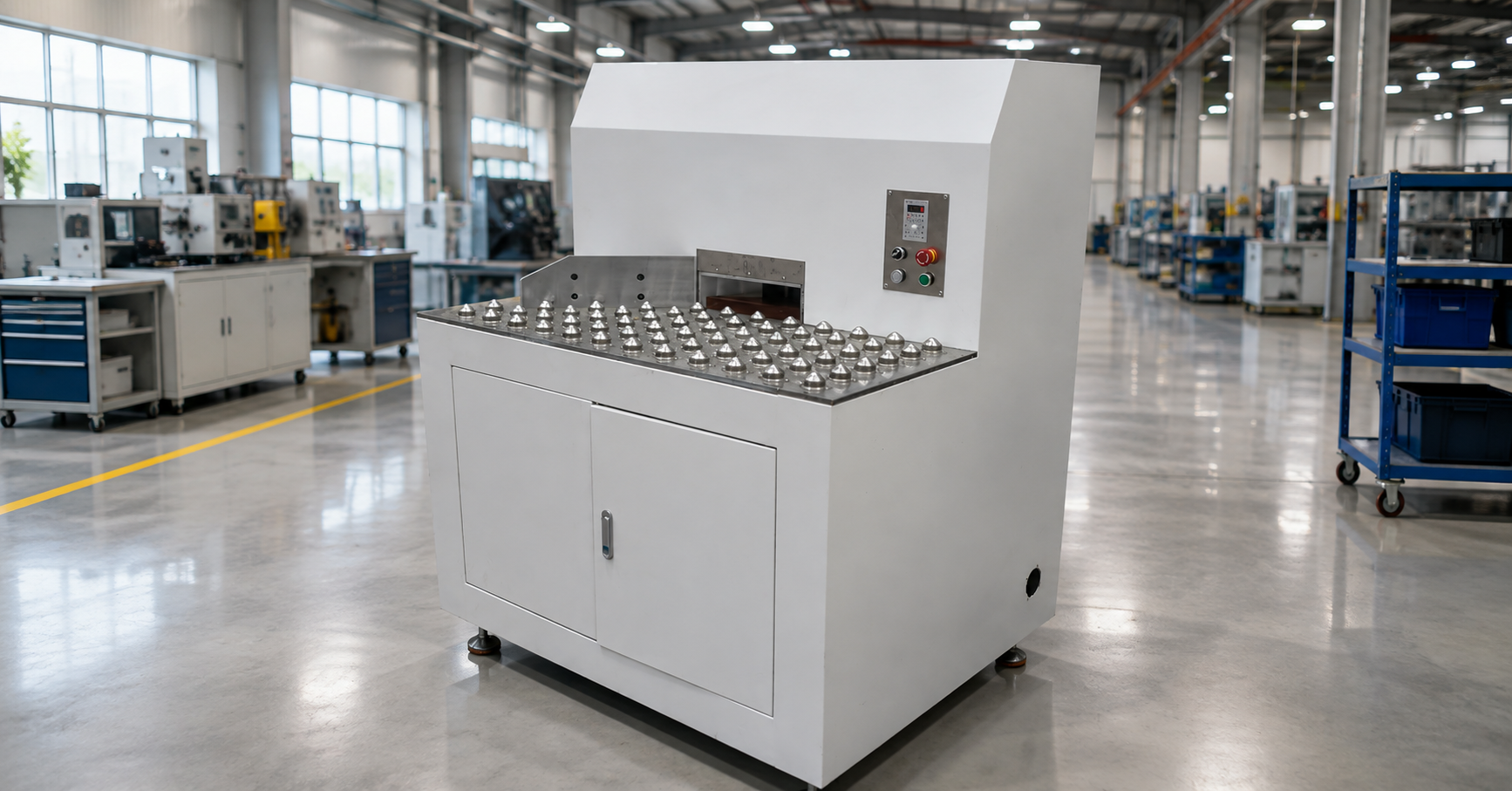
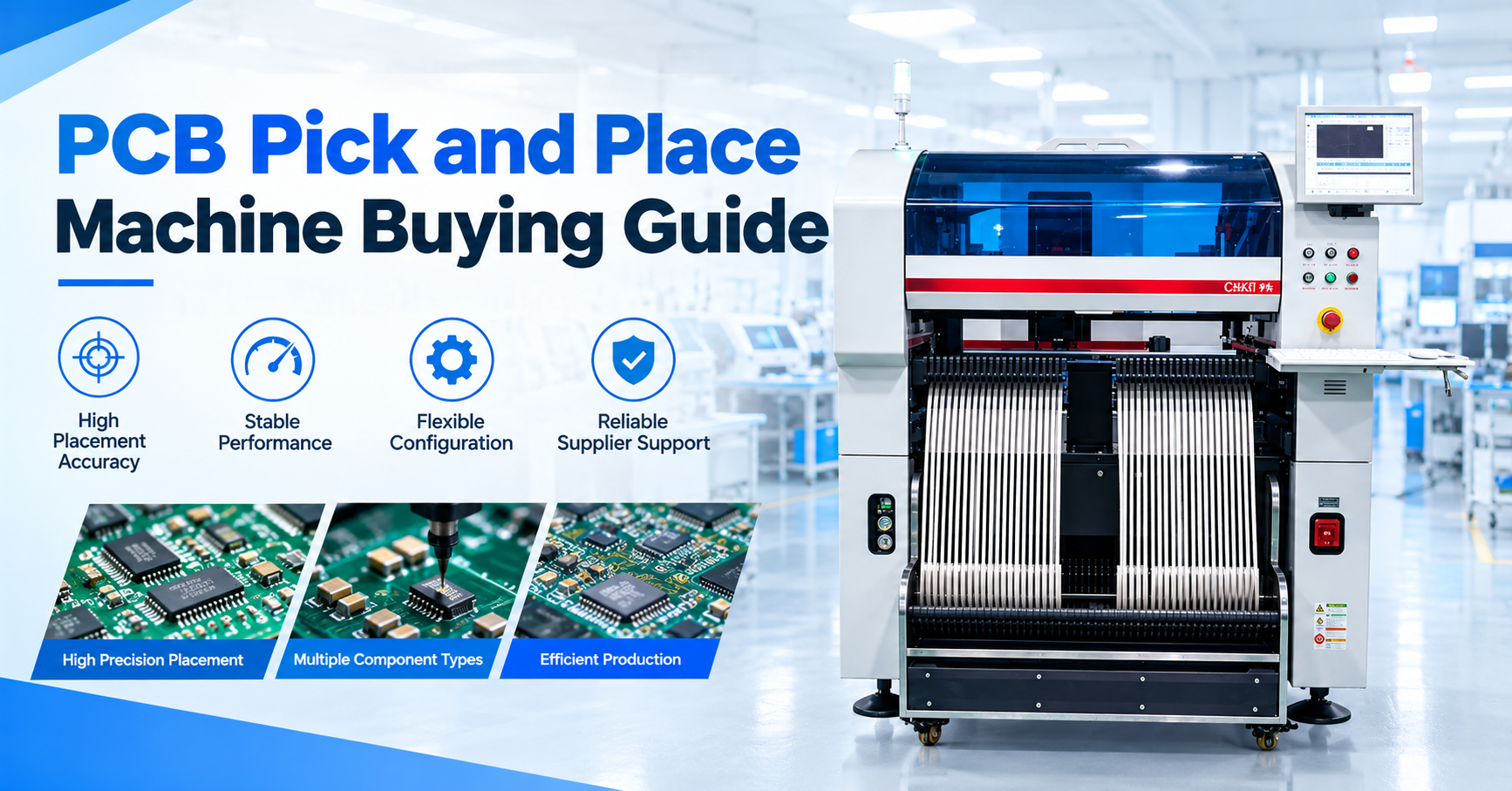
CHIKIN machines are introduced as automated industrial equipment for component handling and placement. Based on available product information, it appears to be an enclosed floor-standing machine with a transparent cover, metal casing, display, control buttons, and emergency stop function.
However, professional buyers need to be aware that the current product page does not provide a complete technical specification sheet. For specific information such as placement speed, accuracy, PCB size, number of feeders, component range, nozzle configuration, and supported packaging types, please confirm directly with the supplier before purchasing.
1. What is a PCB placement machine?
PCBSMT machine is used to automatically pick up and place electronic components onto printed circuit boards during SMT assembly.
The machine does not rely on humans to place components, but performs repetitive placement operations through controlled motion, positioning systems and automated handling mechanisms.
For PCB manufacturers, this type ofSMT assembly equipmentHelp improve:
- Positional consistency
- Production efficiency
- Process Repeatability
- Labor productivity
- Assembly standardization
- Production line automation
The real buying question is not just "How fast is this machine?"
A better question is:
Can this machine reliably meet the PCB and component placement requirements of my production line?
2. What information can buyers confirm from the product page?
When evaluating anySMT placement machinePreviously, buyers should distinguish confirmed product information from details that still need to be verified by the supplier.
| Items | Available information | Requires supplier confirmation |
|---|---|---|
| Device type | Pick and place machine | Specific models and configurations |
| Apply | Automated component handling and placement | Specific PCB and component compatibility |
| Structure | Enclosed floor standing machine | Frame and motion system details |
| Guard | Transparent upper cover and metal shell | Safety interlocks and standards |
| Control | Display, buttons, emergency stop | Controller brand and software features |
| Placement precision | Repetition is mentioned in the article. | Exact numerical precision |
| Placement speed | Unpublished | Places per minute (CPH) or placements per minute |
| Component scope | Unpublished | Minimum and maximum component sizes |
| Feeding system | Unpublished | Feeder type and quantity |
| PCB Compatibility | PCB Production Reference | Plate size, thickness and loading method |
This distinction is crucial. The product page may describe the general purpose of the machine, but purchasing decisions require proven technical data.
3. Why machine structure is important
PCBSMT machineRepetitive movements occur during the production process, so mechanical stability is crucial.
The machine shown by CHIKIN appears to have a sturdy floor-standing casing with a protected work area. For industrial buyers, this raises several practical evaluation points.
Buyers should ask:
- Is the frame strong enough for long-term use?
- What type of rails and drive systems are used?
- How is machine leveling performed?
- How stable is the hiring process?
- Is the work area easy to see?
- Can maintenance personnel easily access critical components?
Stable construction helps reduce vibration, improve repeatability, and support more reliable production.
4. Accuracy and repeatability should be carefully checked
In comparisonSMT placement machine, many buyers focus on speed. Speed is important, but without stable placement accuracy, too fast a speed can cause production problems.
A comprehensive machine assessment should include:
- Placement precision
- Repeatability
- PCB Compatibility
- Component Compatibility
- Feeder configuration
- Visual or alignment system
- Placement speed
- Software functions
- Conversion time
- Maintenance requirements
5. What parts can be placed on this machine?
Component compatibility is one of the most important issues before purchasing a surface mount machine.
Different factories may use completely different component types. Some production lines handle simple SMD resistors and capacitors, while others require more complex IC packages, connectors or fine-pitch components.
Current product information is not confirmed:
- Minimum component size
- Maximum component size
- Component height
- Supported SMD package types
- IC Compatibility
- Connector Compatibility
- BGA or QFP functionality
- Abnormal component capabilities
- Feeder Compatibility
Accordingly, Buyer shall provide Supplier with an actual parts list and request written confirmation from Supplier.
6. How will this machine be integrated into the SMT production line?
PCBAssembly machineUsually part of the SMT production process.
A typical workflow might include:
PCB loading→solder paste printing→component placement→reflow soldering→inspection→test
Before purchasing a machine, manufacturers should check whether it is suitable for their complete production environment.
Important questions include:
- What is the load direction of PCB?
- Can the machine connect to upstream and downstream devices?
- Will this machine fit into the existing floor space?
- Where will the operator stand?
- What kind of power supply is needed?
- How will maintenance be performed?
- Is the emergency stop button in a practical location?
- Can the machine meet the required production pace?
A machine that looks right in the catalog may still require customization to fit on the actual production line.
7. Security functions should be verified
The machine appears to include a closed body, a transparent shield, and an emergency stop button. These are very useful features in industrial operations.
However, buyers should not assume that visible safety features necessarily mean compliance with all necessary safety standards.
BuyingSMT placement machineBuyers should ask for the following information:
- Emergency stop function
- Safety interlocking device
- Guard open behavior
- Electrical protection
- Operator access
- Maintenance Mode
- Alarm system
- Grounding method
- Applicable security files
This is especially important for international buyers importing SMT equipment into local markets.
8. What about motors and motion systems?
Some product titles or URLs may contain marketing terms such as "core motor" or similar descriptions. However, unless detailed technical data is provided on the product page, buyers should not consider such wording to be a confirmed engineering specification.
To evaluate a motion system, please request the following information from your supplier:
- Motorcycle brand
- Motor model
- Motor power
- Driver type
- Axis configuration
- Motion control system
- Maintenance requirements
- Spare parts availability
- Expected service life
This information helps buyers compare different machines more objectively.
9.How to compare pick and place machine suppliers
SelectSMT manufacturerThere’s more to consider than just the price of the device. Supplier support can have a significant impact on installation, operations, maintenance and long-term productivity.
Buyers should compare suppliers based on the following points:
| Evaluation area | Key issues |
|---|---|
| Machine capabilities | Does it support my PCB and components? |
| Documentation | Are there complete technical specifications? |
| Customized | Can this machine be adapted to my production process? |
| Install | Is debugging support provided? |
| Training | Do operators receive training after delivery? |
| Spare parts | Can key parts arrive quickly? |
| After-sales service | How to deal with technical issues? |
| Test | Can sample PCBs be tested before shipment? |
| Warranty | What is included and what is excluded? |
| Integration | Can this machine fit into my existing SMT production line? |
ReliableSMT equipment suppliershould be able to clearly answer these questions and provide supporting documentation.
10. When is customization required?
Not all electronics manufacturers require the same machine configuration. When standard machines cannot meet the buyer's production needs, customization may be required.
Customizations may include:
- PCB size
- Working area
- Feeder layout
- Control interface
- Loading direction
- Enclosure layout
- Operator access
- Secure design
- Production line integration
Before discussing customization options, buyers should be prepared as follows:
PCB size, PCB thickness, component list, expected yield, layout requirements and existing production line layout.
This provides a clearer basis for suppliers to recommend appropriate machine configurations.
11. Why sampling testing is valuable
For industrial equipment, spot testing is often more useful than just evaluating photos or general specifications.
Buyers can send representative PCBs and components to suppliers and request machine testing before final purchase.
During sample testing, please observe:
- Positional consistency
- Component handling stability
- PCB load reliability
- Conversion time
- Operator workflow
- Error detection
- Alarm and recovery process
- Finished PCB layout quality
This step can reveal real issues that may not appear in the product catalog.
12. Are pick and place machines made in China suitable for international buyers?
As Chinese SMT equipment suppliers usually offer flexible configurations, direct communication channels and competitive prices, they are widely considered by international electronics manufacturers.
However, "Made in China" should neither be considered a warranty nor a defect. Buyers should evaluate the machine's actual condition, technical specifications, production suitability, and supplier support.
International buyers should ask before placing an order:
- Full machine model
- Full technical specifications
- Configuration list
- Optional components
- Delivery time
- Warranty Terms
- Installation support
- Training method
- Spare parts list
- Packaging details
- Shipping Terms
- Acceptance Criteria
Formal quotations and spec sheets are much more useful than relying solely on product images or titles.
13. PCB placement machine purchase list
Electronics manufacturers can use the following checklist before placing an order.
Production requirements
- PCB size confirmed
- PCB thickness confirmed
- Component list compiled
- Production volume definition
- Conversion request confirmed
Machine requirements
- Positioning accuracy confirmed
- Reproducibility confirmed
- Placement speed confirmed
- Confirmed supported component range
- Feeder configuration confirmed
- Visual or alignment system confirmed
- Working area confirmed
Factory requirements
- Machine size confirmed
- Power requirements confirmed
- Confirmed floor area requirements
- Loading direction confirmed
- Upstream and downstream compatibility confirmed
Business requirements
- Warranty confirmed
- Spare parts list requested
- Installation support confirmed
- Training confirmed
- Agree for sample testing
- After-sales service process confirmed
FAQ
1. What information should I provide when applying for a PCB placement machine quotation?
You should provide PCB dimensions, PCB thickness, component list, production quantities, layout requirements, automation expectations, and existing production line details. If possible, please provide PCB samples and component data.
2. What is the placement speed supported by this placement machine?
This product page does not publish verified placement speed values. Buyers should request a formal technical data sheet and confirm placement speed based on actual PCB and component conditions.
3. Can this machine handle different SMT component packages?
The machine is described as a device for automated component handling and placement, but the product page does not list a complete package compatibility table. Buyers should confirm supported components directly with the supplier.
4. Can this machine be customized?
There may be possibilities for customization based on PCB size, work area, control requirements, case design, loading method and production process. Specific customization options should be confirmed with the supplier.
5. What aspects should buyers check before purchasing an SMT placement machine from China?
Buyers should check the complete specification sheet, machine configuration, component compatibility, PCB compatibility, safety design, warranty, spare parts, installation support and acceptance testing procedures.
Conclusion
PCBSMT machineshould be evaluated as part of a complete production system, not just as a standalone automation device.
CHIKIN machine appears to have a closed industrial structure, transparent protective cover, operating control device and automated component placement functions. These properties may be very useful in PCB assembly production.
At the same time, important specifications such as placement speed, placement accuracy, supported PCB sizes, component range, feeder capacity and detailed motion system parameters have not been fully announced on the existing product page.
For professional electronics manufacturers, the best purchasing decisions should be based on the following points:
Machine performance, PCB compatibility, component compatibility, repeatability, security, customization, integration, vendor support and overall operational requirements.