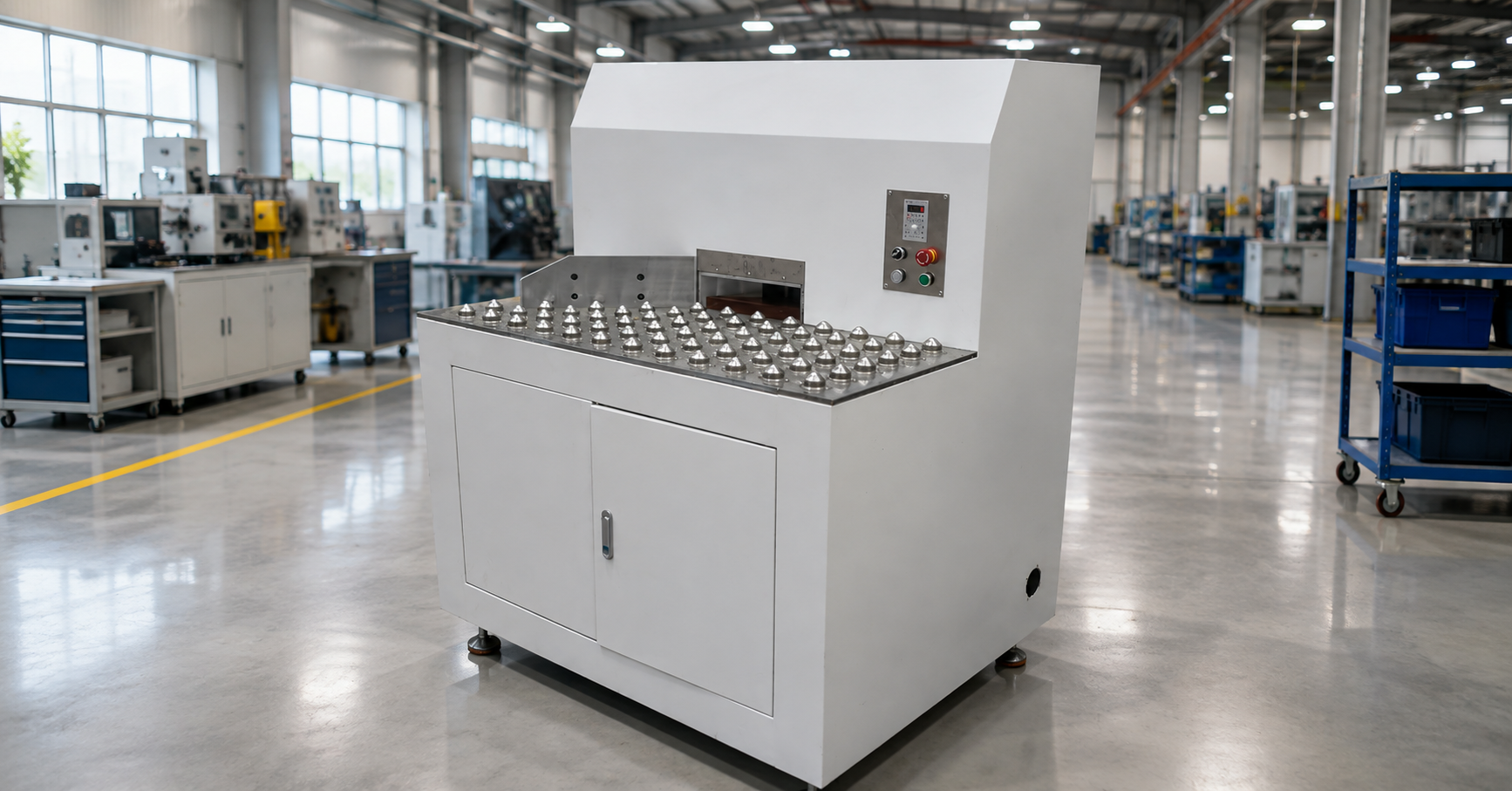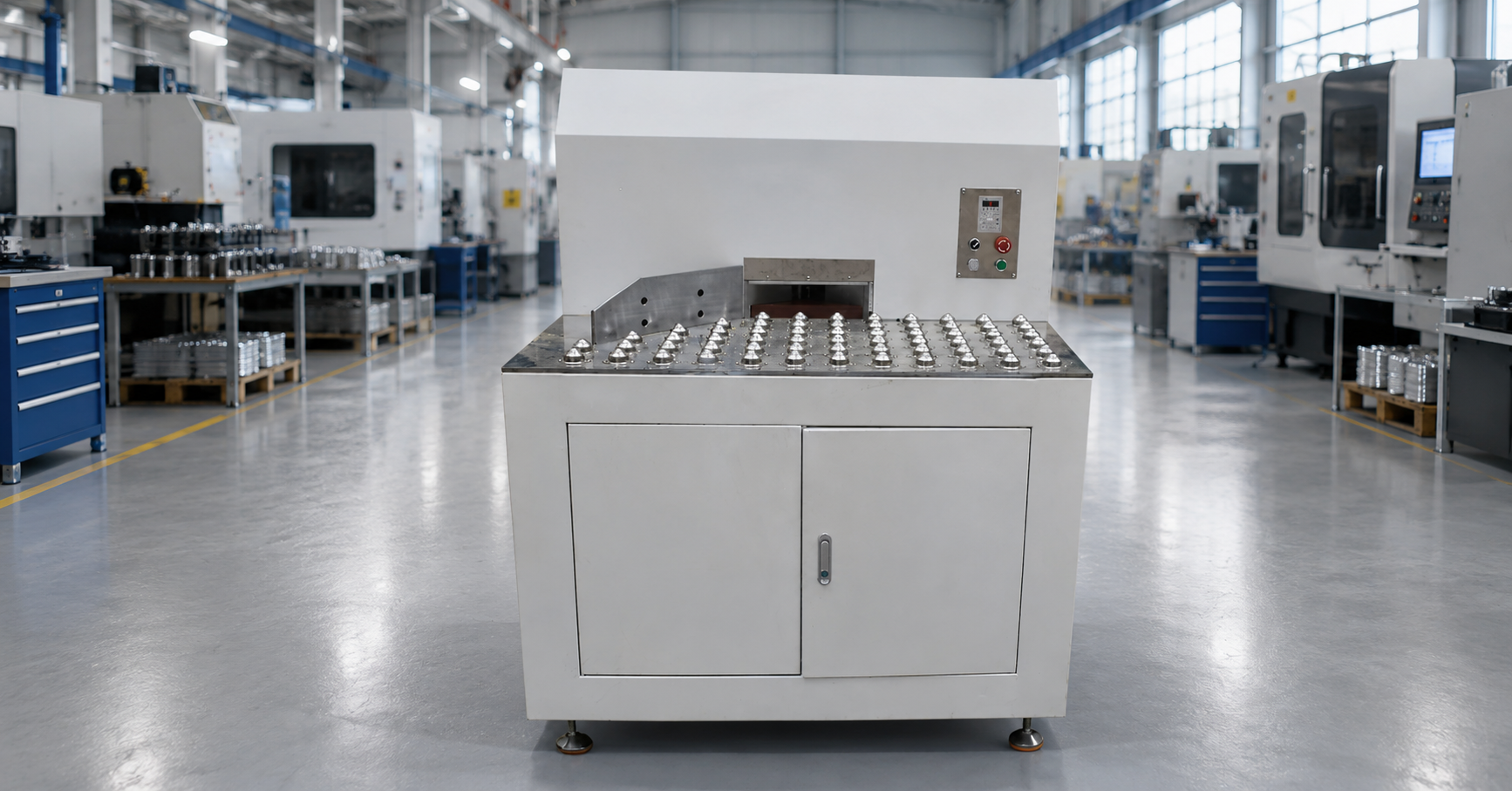




For PCB manufacturers and electronics production companies, electrical testing is a critical step to ensure circuit reliability before products move into final assembly.
A reliable Flying Probe Tester Supplier does not only provide testing equipment. A professional supplier should understand PCB testing requirements, production volume, board complexity, software integration, and long-term maintenance needs.
Compared with traditional fixture-based testing methods, flying probe testing provides greater flexibility because it does not require a dedicated test fixture for every PCB design.
This makes flying probe systems especially valuable for:
- Prototype PCB validation
- New product introduction (NPI)
- Engineering verification
- Low-volume production
- High-mix PCB manufacturing
- Frequently changing PCB designs
However, choosing the right supplier is not simply about comparing machine prices.
Buyers should evaluate:
- Test accuracy
- Probe movement capability
- Software functions
- Manufacturing experience
- Customization ability
- Technical support
- Spare parts availability
- Global service capability
A professional PCB testing equipment supplier should become a long-term manufacturing partner rather than only a machine seller.
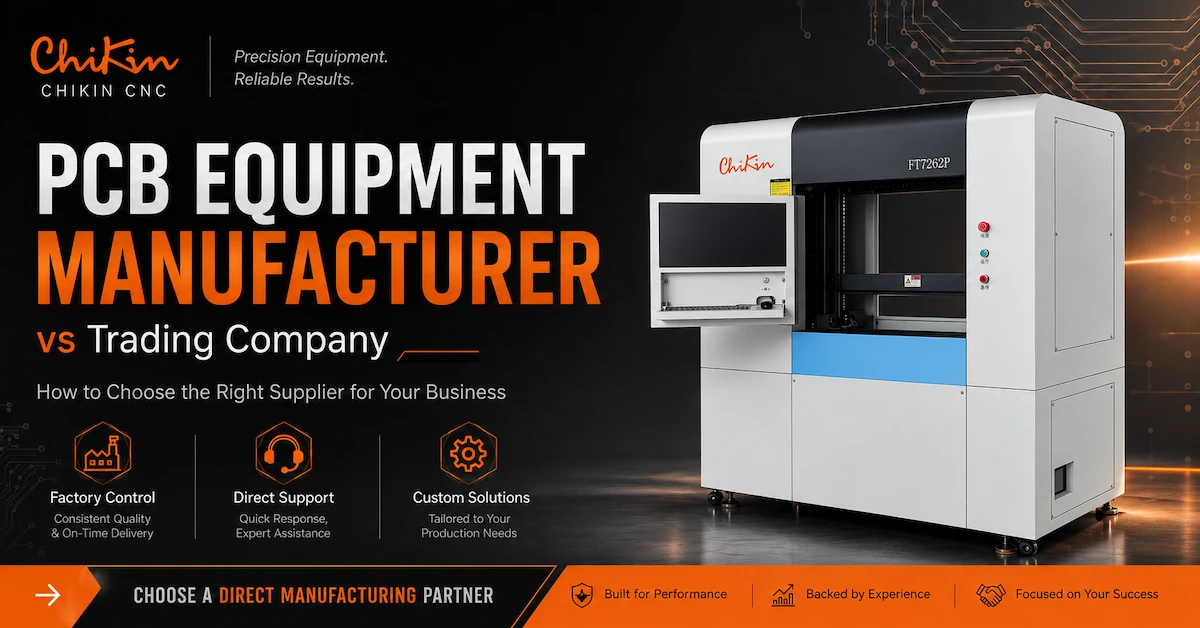
What Is a Flying Probe Tester?
A Flying Probe Tester is an automated PCB electrical testing system that uses movable probes to contact test points on a circuit board.
Unlike traditional bed-of-nails testers, flying probe systems do not require a custom fixture for every PCB model.
The probes move automatically according to programmed test data and verify electrical performance.
Typical testing functions include:
- Open circuit testing
- Short circuit testing
- Resistance testing
- Capacitance testing
- Electrical continuity verification
- PCB connection validation
Flying probe equipment is commonly used when:
- PCB designs change frequently
- Fixture investment is not practical
- Production quantities are moderate
- Fast test preparation is required
For factories producing many PCB variations, a flying probe system can reduce setup time and improve testing flexibility.
Who Needs a Flying Probe Tester?
PCB Prototype Manufacturers
Prototype manufacturers often handle many different PCB designs with limited quantities.
Their main challenges include:
- Frequent design changes
- Short production cycles
- Limited fixture budgets
- Fast validation requirements
A flying probe tester allows engineers to verify electrical performance without creating a new fixture for every prototype.
Electronics R&D Departments
R&D teams use flying probe systems for:
- Design verification
- Engineering samples
- Failure analysis
- Circuit validation
- Prototype approval
The flexibility of programming makes it suitable for development environments where products change frequently.
EMS and Contract Electronics Manufacturers
EMS factories often produce different customer products.
They need testing solutions that support:
- Multiple PCB models
- Small and medium batches
- Fast product switching
- Production traceability
Flying probe systems can help reduce fixture preparation time when production changes frequently.
Small and Medium PCB Factories
For factories that do not have extremely high-volume production, flying probe testing provides a balance between:
- Testing flexibility
- Equipment investment
- Product variety
- Quality control
Flying Probe Tester vs Traditional Fixture Testing
| Factor | Flying Probe Tester | Fixture-Based Tester |
|---|---|---|
| Fixture requirement | No dedicated fixture required | Requires custom fixture |
| Product changeover | Fast | Slower |
| Prototype testing | Excellent | Less suitable |
| High-volume testing | Moderate | Excellent |
| Initial investment | Lower tooling cost | Higher fixture cost |
| Flexibility | High | Limited |
| Best application | High-mix production | Stable mass production |
The correct choice depends on production strategy.
A factory producing thousands of identical boards may prefer fixture testing.
A factory producing many different PCB designs may benefit more from flying probe technology.
How to Evaluate a Flying Probe Tester Supplier
1. Check Manufacturing Capability
The first step is confirming whether the supplier is a real equipment manufacturer.
A professional Flying Probe Tester manufacturer should have:
- Engineering team
- Equipment assembly capability
- Software development capability
- Testing procedures
- Quality-control system
- Technical support team
Direct manufacturers usually provide better communication because buyers can discuss:
- Testing requirements
- Machine configuration
- Software options
- Custom solutions
A supplier without manufacturing capability may depend on third parties for technical decisions and after-sales support.
2. Evaluate Testing Accuracy and Repeatability
Testing accuracy directly affects product quality.
Buyers should evaluate:
- Probe positioning accuracy
- Repeatability
- Contact stability
- Test voltage range
- Measurement accuracy
- False-pass rate
- False-fail rate
According to the supplied FT7262P specification reference, the system includes:
- Test area: 720 × 620 mm
- Test speed: 1500–1800 points/min
- Minimum pad size: 4 mil
- Minimum pad distance: 4 mil
- Repetition accuracy: 5 μm
- Test voltage: 30–300V
These parameters should be confirmed according to the final machine configuration and application requirements.
3. Review Software Capability
Software is one of the most important parts of a flying probe tester.
A professional system should support:
- CAD data import
- Test-program generation
- Test-point management
- Result analysis
- Defect reporting
- Data storage
- Production tracking
Buyers should ask:
- How long does programming take for a new PCB?
- Can existing programs be reused?
- Does the system support different PCB revisions?
- Can test data integrate with MES systems?
For high-mix production, software efficiency can directly affect productivity.
4. Confirm PCB Size and Application Range
Before purchasing, buyers should provide:
- Maximum PCB size
- Minimum PCB size
- Board thickness
- Number of test points
- PCB materials
- Production quantity
- Required test speed
The supplied product specification lists a test area of 720 × 620 mm and supports PCB electrical verification applications. Final compatibility should be verified based on actual boards.
5. Check Probe System and Motion Structure
Flying probe performance depends heavily on mechanical movement.
Important factors include:
- Probe movement accuracy
- Linear guide quality
- Motion stability
- Gantry structure
- Calibration system
- Contact pressure control
The machine structure should support stable repeated movement over long production cycles.
6. Evaluate Customization Capability
Different factories may require different testing configurations.
Customization may include:
- Probe configuration
- Test fixture design
- Software functions
- Interface language
- Data connection
- Automation integration
- Conveyor connection
A capable supplier should discuss the customer's production workflow before recommending the final configuration.
7. Review Quality Control Process
A reliable PCB test equipment manufacturer should have quality checks for:
- Mechanical assembly
- Motion accuracy
- Electrical safety
- Software operation
- Test repeatability
- Final machine acceptance
Buyers should request:
- Factory test reports
- Video inspection
- Sample testing
- Acceptance criteria
8. Confirm Installation and Technical Support
After-sales support is essential for automated testing equipment.
A supplier should provide:
- Installation guidance
- Operator training
- Software training
- Calibration support
- Troubleshooting
- Spare parts service
For international buyers, remote support capability is especially important.
9. Compare Total Ownership Cost
The lowest equipment price does not always mean the lowest cost.
Buyers should consider:
- Machine price
- Software cost
- Installation
- Training
- Maintenance
- Spare parts
- Downtime risk
- Programming efficiency
A reliable supplier helps reduce long-term operating costs through stable equipment and technical support.
10. Check Global Delivery Experience
International PCB manufacturers should evaluate:
- Export experience
- Installation capability
- Documentation
- Communication efficiency
- Remote service ability
A supplier experienced with global customers can usually provide smoother project execution.
Product Match: CHIKIN CNC Flying Probe Tester
For this article, the matching product is:
Flying Probe Tester for PCB and Electronics Production
This equipment is designed for PCB electrical verification applications where buyers need:
- Flexible testing without dedicated fixtures
- Prototype validation
- Engineering verification
- Medium-volume PCB testing
- Repeatable electrical inspection
Reference specifications include:
| Item | Reference Value |
|---|---|
| Model | CK-FT7262P |
| Test Area | 720 × 620 mm |
| Test Speed | 1500–1800 Points/Min |
| Minimum Pad Size | 4 mil |
| Minimum Pad Distance | 4 mil |
| Repetition Accuracy | 5 μm |
| Test Voltage | 30–300V |
| Open Circuit Current | 1mA–300mA |
| Test Method | Capacitance / Resistance Test |
Product link:
https://www.chikincnc.com/product/flying-probe-tester-for-pcb-and-electronics-production
Why Consider CHIKIN CNC as a Flying Probe Tester Supplier?
CHIKIN CNC provides PCB production and testing equipment solutions for manufacturers requiring reliable automation and quality-control systems.
The company focuses on:
- PCB processing equipment
- PCB drilling solutions
- PCB routing solutions
- Inspection equipment
- Testing solutions
For flying probe testing projects, CHIKIN CNC can support buyers with:
- Equipment selection
- Application evaluation
- Technical consultation
- Configuration recommendations
- Production workflow planning
Buyers can also review the complete CHIKIN CNC PCB equipment portfolio.
Buyer Checklist Before Requesting a Quote
| Information | Details |
|---|---|
| PCB type | Prototype, multilayer, rigid-flex, SMT board |
| Board size | Maximum dimensions |
| Thickness | PCB thickness range |
| Test points | Number of electrical points |
| Test requirement | Open, short, resistance, capacitance |
| Production volume | Daily output |
| Product variation | High-mix or stable production |
| Data format | CAD, Gerber, ODB++ |
| MES requirement | Yes or no |
| Automation need | Inline or offline |
| Service requirement | Training and support |
FAQ: Flying Probe Tester Supplier
What does a Flying Probe Tester supplier provide?
A professional supplier provides testing equipment, configuration support, software assistance, training, spare parts, and after-sales service.
Why choose flying probe testing instead of fixture testing?
Flying probe testing is more flexible because it does not require a dedicated fixture for every PCB design.
Is flying probe testing suitable for mass production?
It depends on the product. Flying probe is especially suitable for prototypes, low-volume production, and high-mix manufacturing.
What affects flying probe testing accuracy?
Accuracy depends on probe movement, calibration, mechanical structure, software algorithms, and electrical measurement systems.
What information should buyers provide before quotation?
Provide PCB size, test points, board type, production volume, accuracy requirements, and test objectives.
Can flying probe testers be customized?
Yes. Professional suppliers can customize software, probe configurations, automation interfaces, and testing functions.
How important is software for flying probe systems?
Software determines programming efficiency, test coverage, data management, and production traceability.
Should buyers request sample testing?
Yes. Sample testing helps verify actual test speed, accuracy, and defect detection performance.
Conclusion: Choose a Flying Probe Tester Supplier as a Long-Term Partner
Choosing a Flying Probe Tester Supplier requires evaluating more than machine specifications.
PCB manufacturers should consider:
- Testing accuracy
- Software capability
- Supplier manufacturing strength
- Customization ability
- Sample-testing support
- Installation service
- Long-term technical support
A reliable supplier can help factories improve electrical testing efficiency, reduce fixture costs, and support changing PCB production requirements.
CHIKIN CNC provides PCB testing solutions for manufacturers looking for flexible and reliable electrical inspection equipment.
Request a Flying Probe Tester Consultation from CHIKIN CNC
If you are evaluating flying probe testing equipment for prototype validation, engineering verification, or flexible PCB production, CHIKIN CNC can help review your testing requirements.
Prepare:
- PCB drawings
- Test-point information
- Board dimensions
- Production volume
- Test objectives
- Required accuracy
- Data format
- Automation requirements
The CHIKIN CNC team can help recommend a suitable flying probe tester configuration, discuss testing workflow integration, arrange technical evaluation, and provide a customized quotation.
Contact CHIKIN CNC for a PCB testing equipment consultation: