
PCB Depth Controlled Routing Machine Advantages
Mar 03, 2025
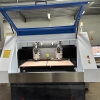
A PCB Depth Controlled Routing Machine is a specialized piece of equipment used for precise PCB (Printed Circuit Board) machining, with a key focus on controlling the milling depth to meet various processing requirements.
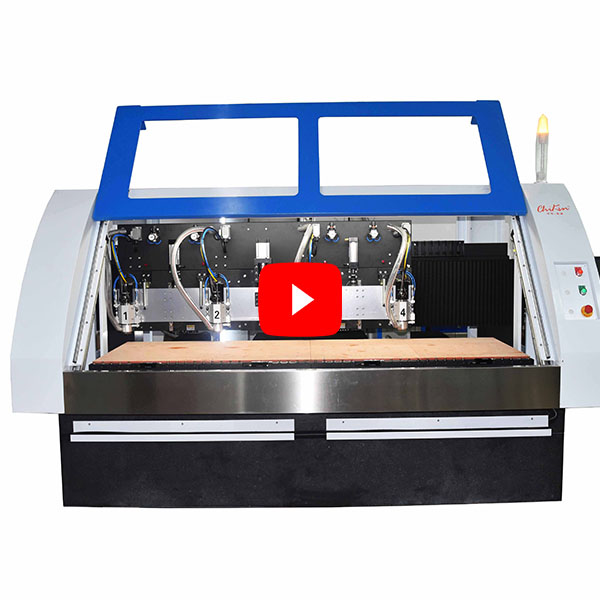
Main Functions:
- Depth-Controlled Milling
- Precisely controls the cutting depth to achieve localized milling without cutting through the PCB.
- PCB Depaneling
- Used to separate multiple connected PCB panels with high precision while avoiding circuit damage.
- Blind Slot & Recess Machining
- Processes blind slots and recessed areas to create different thickness levels on the PCB.
- Window Cutting & Copper Removal
- Removes copper in specific areas to achieve specialized circuit or structural designs.
- Multilayer PCB Routing
- Used for partial slotting in multilayer PCBs to expose internal structures, such as antennas and buried/blind vias.
Applications:
HDI (High-Density Interconnect) PCBs
Flexible PCBs (FPCs)
Automotive Electronics PCBs
5G Communication PCBs
RF (Radio Frequency) & Microwave PCBs
Key Features:
🔹 High-Precision Z-Axis Control – Ensures consistent milling depth with an accuracy of ±0.01mm or better.
🔹 Automatic Tool Compensation – Adapts to different material thicknesses for stable processing.
🔹 CCD Vision Positioning – Improves machining accuracy and reduces errors.
🔹 Vacuum Suction System – Secures PCB boards to prevent movement and enhance efficiency.
This type of machine is widely used in high-precision electronics manufacturing, particularly in advanced PCB production.

Recent Posts

October 26, 2016
The Most Successful Engineering Contractor

May 12, 2025
China PCB Drilling Routing machine Development
May 06, 2025
PCB Design Process and Key PointsCONTACT US
Contact US
Product Information
Quantity
Unit
Piece
Support order samples, customization, wholesale direct, and complete payment. If the product you look for does not have corresponding customized content, pls fill out the form below to contact us, and we will reply ASAP.