
Technical Key Points Analysis of PCB CNC Drilling Machine
Jun 03, 2025
Technical Key Points Analysis of PCB CNC Drilling Machine
1. Overview
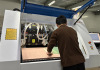
A PCB (Printed Circuit Board) is the fundamental component in virtually all electronic devices. Drilling is one of the most critical processes in PCB manufacturing, as it establishes electrical connections between different layers. A CNC (Computer Numerical Control) drilling machine provides high precision, speed, and automation, making it an essential piece of equipment in modern PCB production lines.
2. Key Technical Aspects
2.1 Drilling Precision
-
Positioning Accuracy: Leading CNC drilling machines can achieve positioning accuracy of ±10 μm or better, ensuring precise alignment with PCB design layouts.
-
Repeatability: High-end systems offer repeatability within ±5 μm, suitable for high-density interconnect (HDI) boards.
-
Auto-Compensation: Integrated CCD vision systems enable real-time image recognition and automatic alignment correction, compensating for board expansion or shrinkage.
2.2 Drilling Speed and Efficiency
-
Spindle Speed: High-speed spindles operate at 150,000 to 200,000 RPM, supporting micro-hole drilling (e.g., <0.1 mm).
-
Multi-Spindle Operation: Dual, four, or six-spindle configurations allow simultaneous drilling on multiple axes, greatly increasing productivity.
-
Automatic Tool Changer (ATC): Enables rapid switching between drill bits, minimizing downtime and maximizing throughput.
2.3 Tool Management System
-
Tool Life Monitoring: Real-time tracking of tool usage by time and hole count, with automatic alerts or tool replacement.
-
Tool Compensation: Z-axis depth compensation ensures accurate penetration across different board thicknesses and prolongs tool life.
-
Broken Tool Detection: Some models use laser-based systems to detect tool breakage and immediately halt operations to prevent defects.

2.4 Machine Structure & Stability
-
High-Rigidity Frame: Granite bases or welded steel frames reduce vibration and enhance drilling stability.
-
Motion Control: High-performance servo motors combined with precision ball screws or linear motors ensure responsive and accurate motion.
-
Temperature Control: Thermal management systems for spindles and motion components maintain stable operating temperatures and prevent thermal drift.
2.5 Automation and Smart Features
-
Auto Loader/Unloader: Supports continuous, unattended operation to boost manufacturing efficiency.
-
Remote Monitoring & Data Collection (MES Integration): Machine can upload/download processing data via network interfaces for smart factory integration.
-
Self-Diagnostics & Learning: Advanced models feature automatic parameter optimization and fault diagnosis, reducing the need for manual maintenance.
2.6 Environmental and Safety Controls
-
Dust Extraction System: Efficient vacuum systems remove drilling debris, maintaining cleanliness and prolonging machine life.
-
Noise Reduction: Enclosed design and sound-damping materials help control noise from high-speed spindles.
-
Safety Systems: Emergency stop functions, interlocked doors, and automatic alarms ensure operator safety.
3. Typical Application Scenarios
-
Multilayer PCBs, HDI boards
-
Communication equipment, automotive electronics
-
Microvia drilling, blind/buried holes
-
Special substrates (e.g., ceramic PCBs, flexible boards)
4. Technology Development Trends
-
Higher Drilling Precision and Smaller Hole Capability (down to <0.1 mm)
-
Faster Processing and Smarter Automation, including AI-assisted routing and tool management
-
Green Manufacturing: Low energy consumption, noise control, and eco-friendly dust handling
-
Deep Integration with MES/ERP Systems for Smart Factory Implementation
Recent Posts

October 26, 2016
The Most Successful Engineering Contractor
May 12, 2025
China PCB Drilling Routing machine Development
May 06, 2025
PCB Design Process and Key Points
CONTACT US
Contact US
Product Information
Quantity
Unit
Piece
Support order samples, customization, wholesale direct, and complete payment. If the product you look for does not have corresponding customized content, pls fill out the form below to contact us, and we will reply ASAP.