
CNC PCB Routing and Drilling Machine || A Complete Guide
Mar 20, 2025
CNC PCB Routing and Drilling Machine: A Complete Guide
Introduction
Printed Circuit Boards (PCBs) are the backbone of modern electronics, providing the necessary pathways for electrical signals to flow between components. The manufacturing of PCBs involves multiple intricate processes, including routing and drilling. The CNC PCB Routing and Drilling Machine plays a crucial role in automating these processes, ensuring high precision, efficiency, and repeatability. This article delves into the working, features, benefits, and considerations when using a CNC PCB routing and drilling machine.
What is a CNC PCB Routing and Drilling Machine?
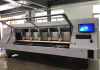
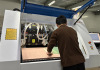
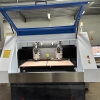
A CNC (Computer Numerical Control) PCB Routing and Drilling Machine is a specialized tool designed to automate the cutting, routing, and drilling of PCB substrates. It eliminates the need for manual intervention, reducing errors and improving consistency. These machines are programmed with CAD (Computer-Aided Design) files that guide them in executing precise cuts and drilling holes at designated locations.
How Does a CNC PCB Routing and Drilling Machine Work?
The CNC PCB Routing and Drilling Machine operates using a set of pre-defined instructions known as G-code. The key steps in the operation of the machine include:
-
Designing the PCB Layout: The PCB design is created using software such as Eagle, Altium Designer, or KiCad. The design includes circuit traces, hole positions, and routing paths.
-
Generating the G-code: The PCB design is converted into G-code, which instructs the CNC machine on where to cut and drill.
-
Material Preparation: The PCB substrate, often made of FR4, is mounted onto the machine’s worktable.
-
Drilling Process: The CNC machine drills precise holes for vias, through-hole components, and mounting points.
-
Routing Process: The machine cuts the PCB outline and internal cavities using high-speed rotating bits.
-
Final Inspection: The finished PCB is inspected for accuracy before proceeding to component assembly.
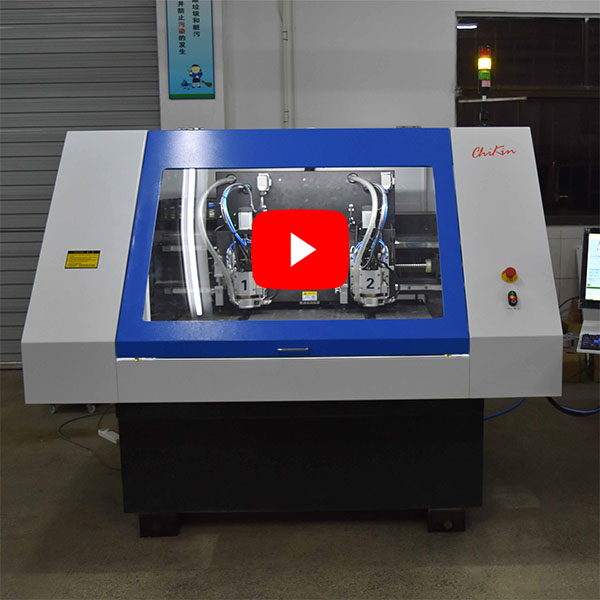
Key Features of CNC PCB Routing and Drilling Machines
1. High Precision and Accuracy
CNC machines can drill holes and cut traces with micrometer precision, ensuring that PCBs meet exact specifications.
2. Automatic Tool Changing
Advanced models come with an automatic tool changer (ATC), which allows the machine to switch between different drill bits and router tools without human intervention.
3. Multi-layer Drilling Support
CNC PCB machines can drill and route multi-layer PCBs, ensuring proper alignment for vias and interconnections between layers.
4. Dust and Debris Collection System
To maintain a clean work environment, CNC PCB routers come with an integrated vacuum system that collects dust and debris during operation.
5. High-Speed Spindle Motors
The spindle motor in a CNC PCB machine typically operates at speeds ranging from 30,000 to 100,000 RPM, allowing for smooth and precise cuts.
6. Touchscreen and Software Integration
Many modern machines feature touchscreen interfaces and can integrate with design software for seamless workflow management.
Benefits of Using a CNC PCB Routing and Drilling Machine
1. Increased Efficiency
A CNC PCB machine significantly reduces the time required for routing and drilling compared to manual methods.
2. Enhanced Consistency
Since the machine follows predefined instructions, it eliminates variations caused by human error.
3. Cost-Effectiveness
While the initial investment in a CNC PCB router is high, the long-term savings in labor costs and material wastage make it a cost-effective solution.
4. Versatility
CNC machines can handle different PCB materials such as FR4, CEM-3, aluminum-backed PCBs, and even flexible PCBs.
5. Customization and Prototyping
For small-scale manufacturers and research labs, CNC PCB machines enable rapid prototyping of circuit boards without relying on external fabrication services.
Choosing the Right CNC PCB Routing and Drilling Machine
When selecting a CNC PCB routing and drilling machine, consider the following factors:
1. Spindle Speed
Higher spindle speeds ensure cleaner cuts and reduce the chances of burrs or rough edges.
2. Working Area
Choose a machine with a working area that fits the size of your PCBs. Some machines support multiple PCBs in one go, improving production efficiency.
3. Tool Compatibility
Ensure the machine supports different tool sizes for various drilling and routing requirements.
4. Software Compatibility
Check whether the CNC machine can integrate with popular PCB design software for seamless operation.
5. Maintenance and Support
Opt for machines that offer easy maintenance, readily available spare parts, and manufacturer support.
Common Issues and Troubleshooting
Despite their efficiency, CNC PCB routing and drilling machines can encounter issues such as:
1. Misalignment of Drilled Holes
-
Cause: Incorrect calibration or loose PCB fixture
-
Solution: Recalibrate the machine and ensure the PCB is securely clamped
2. Burr Formation on Edges
-
Cause: Dull cutting tools or incorrect feed rate
-
Solution: Replace cutting tools and adjust the feed rate for optimal results
3. Overheating of Spindle Motor
-
Cause: Prolonged operation without adequate cooling
-
Solution: Implement a cooling system or take breaks between runs
4. G-code Errors
-
Cause: Incorrect G-code generation
-
Solution: Recheck the PCB design software and verify the G-code before running the machine
Future Trends in CNC PCB Routing and Drilling Machines
As technology advances, the future of CNC PCB routing and drilling machines looks promising with innovations such as:
1. AI-Powered Precision Enhancements
Artificial intelligence is being integrated into CNC machines to improve accuracy and self-correct errors in real-time.
2. 5-Axis CNC Routing
5-axis CNC machines offer greater flexibility in cutting complex PCB shapes and drilling at unique angles.
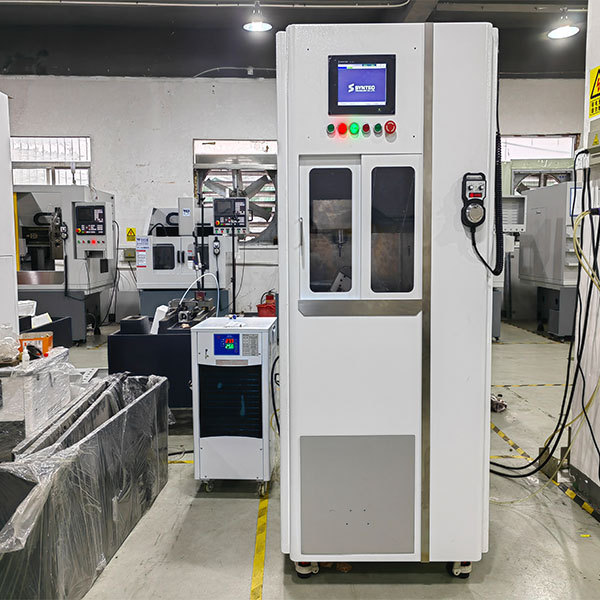
3. Laser-Assisted Routing
Some high-end CNC machines are incorporating laser technology for finer and more precise cuts, reducing tool wear.
4. IoT-Enabled Monitoring
Internet of Things (IoT) connectivity allows operators to monitor machine performance and receive real-time alerts for maintenance.
Conclusion
The CNC PCB Routing and Drilling Machine is an indispensable tool in PCB manufacturing, ensuring precision, speed, and consistency. Whether for prototyping or mass production, these machines offer a reliable solution for creating high-quality PCBs. By selecting the right machine, optimizing settings, and keeping up with technological advancements, businesses and hobbyists alike can benefit from the efficiency and precision of CNC PCB routing and drilling machines.

Recent Posts

October 26, 2016
The Most Successful Engineering Contractor
May 12, 2025
China PCB Drilling Routing machine Development
May 06, 2025
PCB Design Process and Key PointsCONTACT US
Contact US
Product Information
Quantity
Unit
Piece
Support order samples, customization, wholesale direct, and complete payment. If the product you look for does not have corresponding customized content, pls fill out the form below to contact us, and we will reply ASAP.