
Exploring the Versatility of Metal Core PCBs
Apr 15, 2024
Exploring the Versatility of Metal Core PCBs
In the world of electronics manufacturing, Metal Core Printed Circuit Boards (PCBs) have emerged as a versatile solution for a wide range of applications. These specialized PCBs are designed with a metal substrate, typically made of aluminum, copper, or other alloy materials, offering unique advantages over traditional fiberglass-based PCBs.
Metal Core PCBs come in several types, each tailored to specific needs:
1. Single-Sided Metal Core PCBs: These PCBs consist of a single conductive layer and a metal base plate. The conductive layer serves as the circuit, while the metal base plate aids in heat dissipation and ensures user safety by protecting against electric shocks.
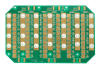
2. COB (Chip on Board) Metal Core PCBs: Utilizing microchips for efficient heat dissipation, COB Metal Core PCBs feature a direct physical connection between the substrate layer and the conductive layer, eliminating the need for dielectric materials.
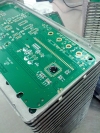
3. Double-Sided Metal Core PCBs: With copper layers on both sides of the metal core, these PCBs offer the capability for double-sided wiring, providing increased flexibility in circuit design.
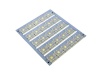
4. Multi-Layer Metal Core PCBs: These PCBs have two or more copper layers, allowing for more complex circuitry. However, as the number of layers increases, so does the complexity of assembly, requiring higher levels of technical expertise.
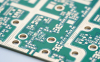
Metal Core PCBs boast several advantages that set them apart from other types of PCBs:
1. Excellent Thermal Conductivity: The metal substrate, typically copper or aluminum, provides superior thermal conductivity, effectively dissipating heat generated by electronic components.
2. Enhanced Protection: Compared to conventional FR4 substrates, Metal Core PCBs offer superior protection against environmental factors and mechanical stress.
3. Dimensional Stability: Metal Core PCBs can adapt their dimensions to changes in the surrounding environment, with a lower coefficient of thermal expansion than FR4, reducing the risk of circuit board damage.
4. Extended Lifespan: The metal substrate ensures a longer functional lifespan compared to alternative materials.
5. Greater Strength: Metal Core PCBs are typically more robust and have higher net strength compared to other materials.
These characteristics make Metal Core PCBs the preferred choice for many high-power and high-temperature applications, including LED lighting, automotive electronics, and power electronics.
Metal Core PCBs represent a crucial advancement in PCB technology, offering unmatched thermal performance, durability, and versatility. As industries continue to demand higher efficiency and reliability from electronic devices, Metal Core PCBs will undoubtedly play a pivotal role in meeting these evolving needs.

Recent Posts

October 26, 2016
The Most Successful Engineering Contractor
May 12, 2025
China PCB Drilling Routing machine Development
May 06, 2025
PCB Design Process and Key PointsCONTACT US
Contact US
Product Information
Quantity
Unit
Piece
Support order samples, customization, wholesale direct, and complete payment. If the product you look for does not have corresponding customized content, pls fill out the form below to contact us, and we will reply ASAP.