



PCB Depth Control Drilling Machine: What Buyers Are Really Comparing
A PCB depth control drilling machine sits in a narrow but important corner of electronics manufacturing. It is not just another PCB drilling machine on a factory floor; the point is controlled material removal, repeatable depth, and fewer surprises when a board stack-up or layered structure demands accuracy. For sourcing teams and process engineers, the real decision is usually not whether the machine can drill, but how reliably it can hold depth from batch to batch, and how much operator attention it needs to stay stable during a shift.
That distinction matters because depth errors tend to show up late. They can affect downstream plating, electrical performance, or assembly yield, and once they are discovered, the cost is rarely limited to the damaged panel. In practice, buyers are comparing control quality, automation level, enclosure safety, service support, and whether they are dealing with a factory-direct manufacturer or a trading company with thinner technical backup.
Depth Control Versus Conventional Drilling
A standard PCB drilling machine is built around hole-making and throughput. A depth control drilling setup is more selective. It is usually chosen when the process calls for stopping at a defined depth rather than passing through the full board. That may sound like a small difference, but on the shop floor it changes the entire conversation around fixturing, programming, inspection, and scrap risk.
With ordinary drilling, the main questions are speed and hole quality. With depth control drilling, buyers also need to ask how the machine manages Z-axis consistency, how it handles board variation, and whether the control interface makes setup practical for different jobs. A machine can look rugged and still be awkward if the operator has to fight the controls every time the stack changes.
What the Factory-Floor Machine Layout Suggests
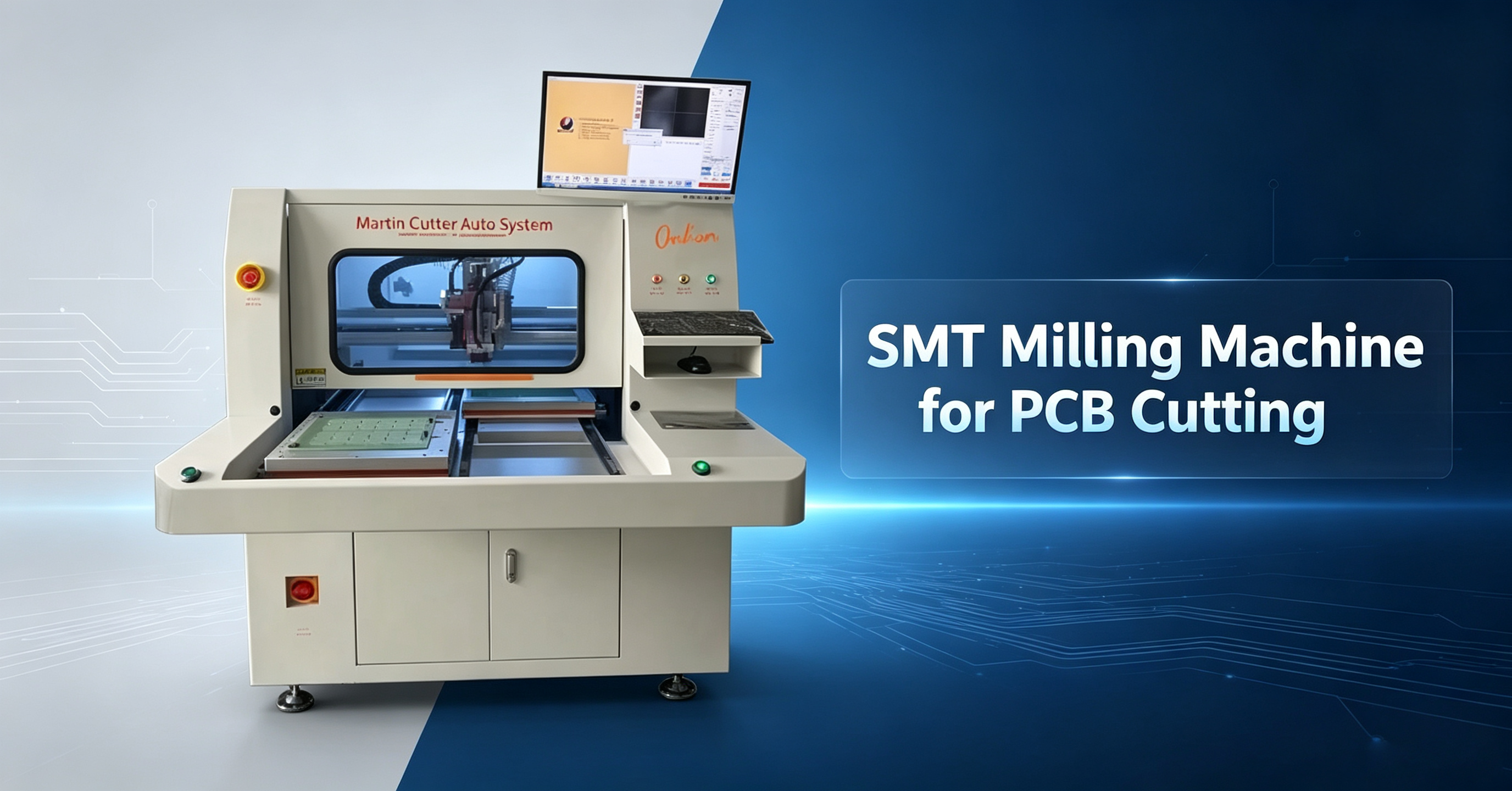
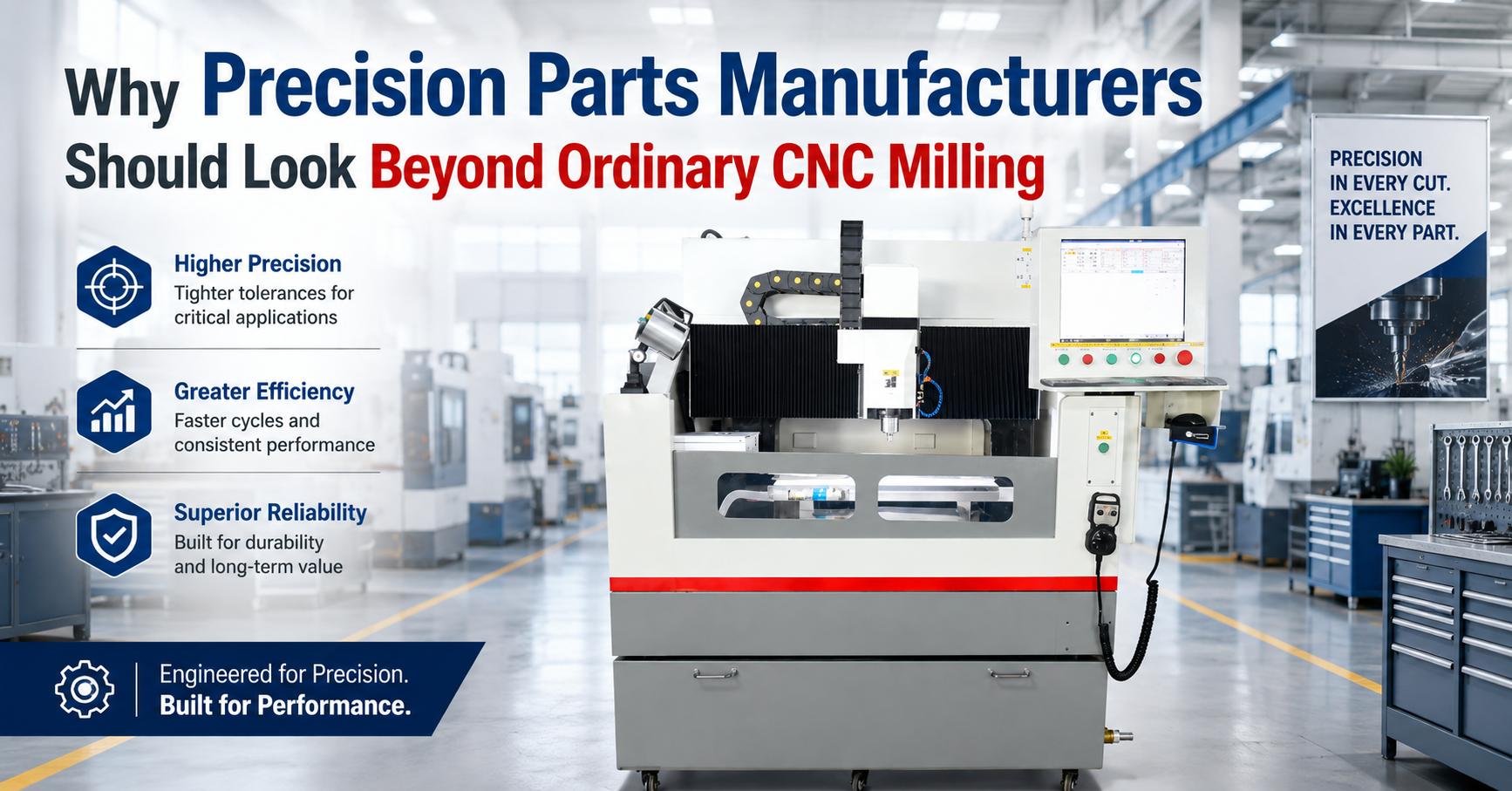
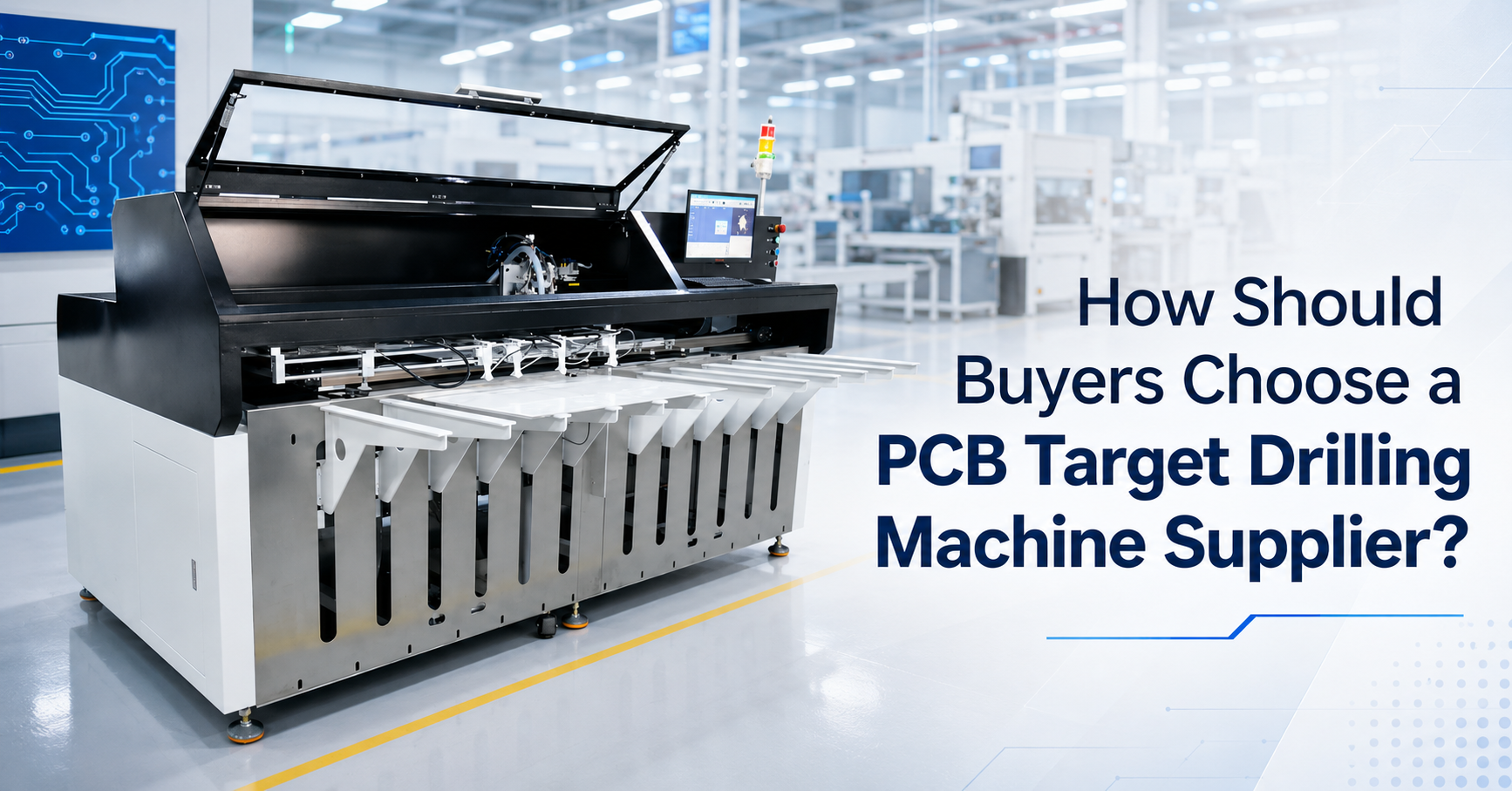
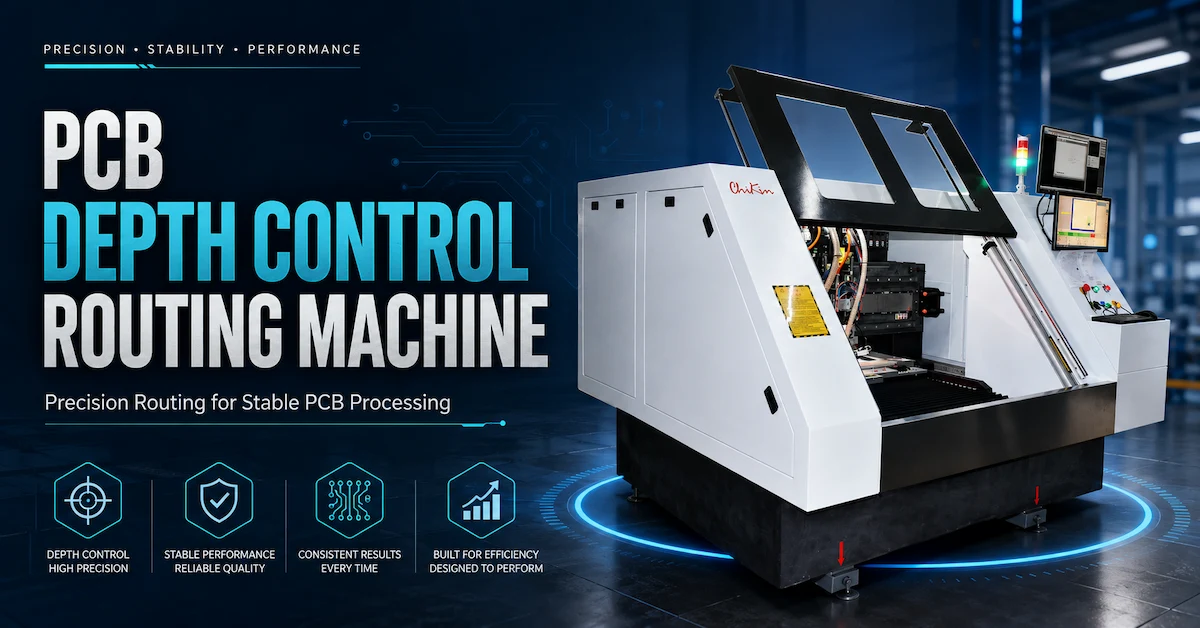
The equipment shown is an enclosed industrial system with a heavy-duty cabinet, internal working chamber, HMI screens, cable routing, and a visible safety tower light. That layout suggests a production machine intended for controlled, repeatable work rather than a bench-top tool. It also hints at a preference for factory discipline: fewer open hazards, clearer operator positioning, and a better chance of consistent process conditions.
For PCB manufacturing plants, that kind of enclosure is not just about appearance. It usually helps keep the operation organized and makes it easier to separate the working zone from the rest of the line. In environments where multiple machines run close together, that can be a practical advantage. A small caveat: enclosure design alone does not guarantee process quality. The real value still depends on how the machine is built, calibrated, and supported after installation.
Manufacturer Versus Trading Company
One of the most useful comparisons for buyers is not technical at first glance; it is commercial. Factory-direct sourcing can matter more than many teams expect, especially when the machine is customized for a specific PCB process. A manufacturer is more likely to discuss the working chamber, control logic, machine frame, and service adjustments in concrete terms. A trading company may offer broader catalog access, but technical depth can be thinner when the machine needs process-specific tuning.
This does not mean every trading company is a poor choice, and it does not mean every manufacturer is automatically better. But when a buyer is evaluating a PCB depth control drilling machine, direct support and custom solutions are often part of the real purchase, not just the hardware. If the machine will sit in a PCB factory where uptime and repeatability matter, service access should be weighed alongside price and delivery.
Selection Criteria That Matter
Control stability
Depth control is only as good as the machine’s ability to repeat it. Ask how the control system handles programming, adjustment, and monitoring. If the interface is too complex, operators will find shortcuts, and shortcuts are where process variation starts.
Mechanical rigidity
Industrial enclosures, frames, and internal assemblies should feel substantial for a reason. In drilling operations, vibration and alignment drift can become expensive very quickly. Buyers should look past cosmetic finish and focus on whether the machine structure appears built for continuous production use.
Operator workflow
Dual monitors, button layout, access doors, and safety indicators are not minor details. They shape how fast the line can change over and how easy it is to supervise the machine. A clean workflow often pays back in reduced training time, even if the equipment was not the cheapest option on paper.
Support and customization
Because exact process details are often application-specific, ask for clarity on what can be customized. Factory-direct support is especially valuable when the machine will be integrated into an existing PCB production line with its own handling rules, board formats, or inspection sequence.
Common Buyer Mistakes
The most common mistake is buying on the word “drilling” alone. Two machines can both claim to support PCB work and still serve very different process needs. Another mistake is assuming that a polished control screen means mature process control. Sometimes it does, sometimes it is only a surface feature.
Buyers also underestimate integration. A depth control drilling machine may need upstream and downstream coordination with loading, unloading, inspection, or traceability systems. If the line is already crowded, the machine’s physical footprint and service access matter as much as its nominal function.
Practical Questions to Ask Before Purchase
Can the machine be adapted to your board type and depth-control requirement? What level of training is included? How is maintenance handled when a line is running multiple shifts? Does the supplier offer direct factory support, and who owns responsibility when the process needs tuning after installation?
It is also worth asking for a clear explanation of the difference between standard drilling and controlled-depth operation in the proposed configuration. The answer should be specific. If it stays vague, that is usually a sign to slow down.
FAQ
Is a PCB depth control drilling machine the same as a PCB drilling machine?
No. A PCB drilling machine may focus on through-holes or general drilling work, while depth control drilling is about stopping at a defined depth for a specific board process.
Why prefer a factory-direct machine source?
Because process equipment often needs support, adjustment, and customization. Direct manufacturer contact can shorten that loop.
What should I verify from the supplier first?
Clarify the exact process, the control method, support scope, and how the machine fits into your production line. Do not assume visible features tell the whole story.
Next Step
If you are comparing a PCB depth control drilling machine for a new line or an equipment upgrade, start with the process requirement, then work outward to control quality, support model, and integration fit. The right choice is usually the one that keeps depth consistent without creating extra operator burden. For PCB plants, that is where the real value sits.