



Why PCB drilling equipment deserves a closer look
When buyers start comparing a PCB drilling machine supplier, they are usually not shopping for a single machine so much as a production decision. Hole quality affects registration, electrical reliability, downstream assembly, and scrap rates. In a board shop, drilling errors do not stay isolated; they show up later as plating issues, broken vias, poor fit for component leads, or boards that simply miss spec and come back from the line.
That is why the supplier conversation matters. The right partner does more than ship a machine cabinet with a spindle inside. A useful supplier should help match the drilling platform to the board mix, panel format, throughput goals, and factory workflow. If the line also needs edge shaping or slotting, the buyer may need a PCB routing machine supplier as well, or a combined PCB drilling and routing machine setup. Those decisions are tied together more often than people expect.
What the machine is doing on the shop floor
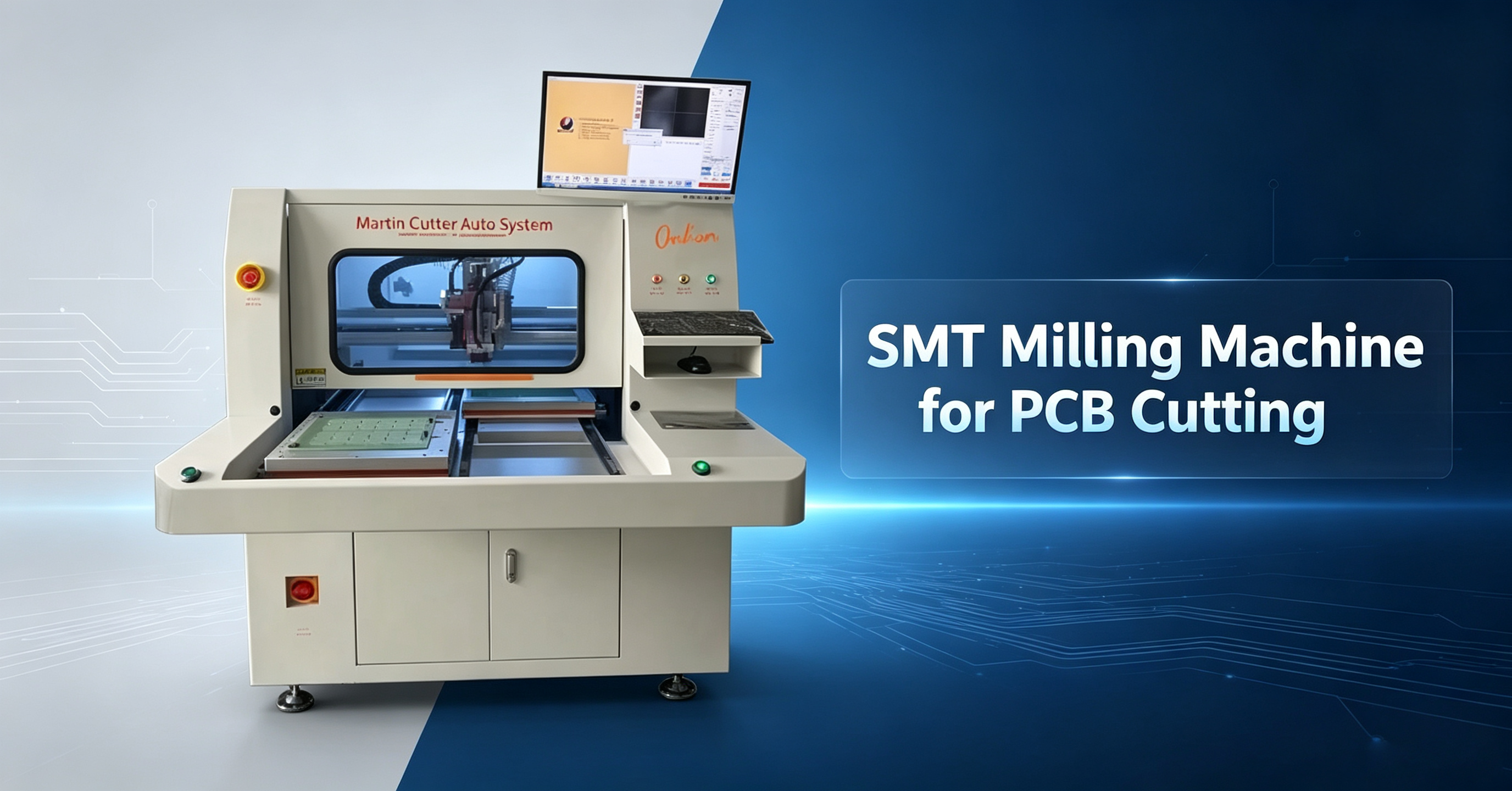
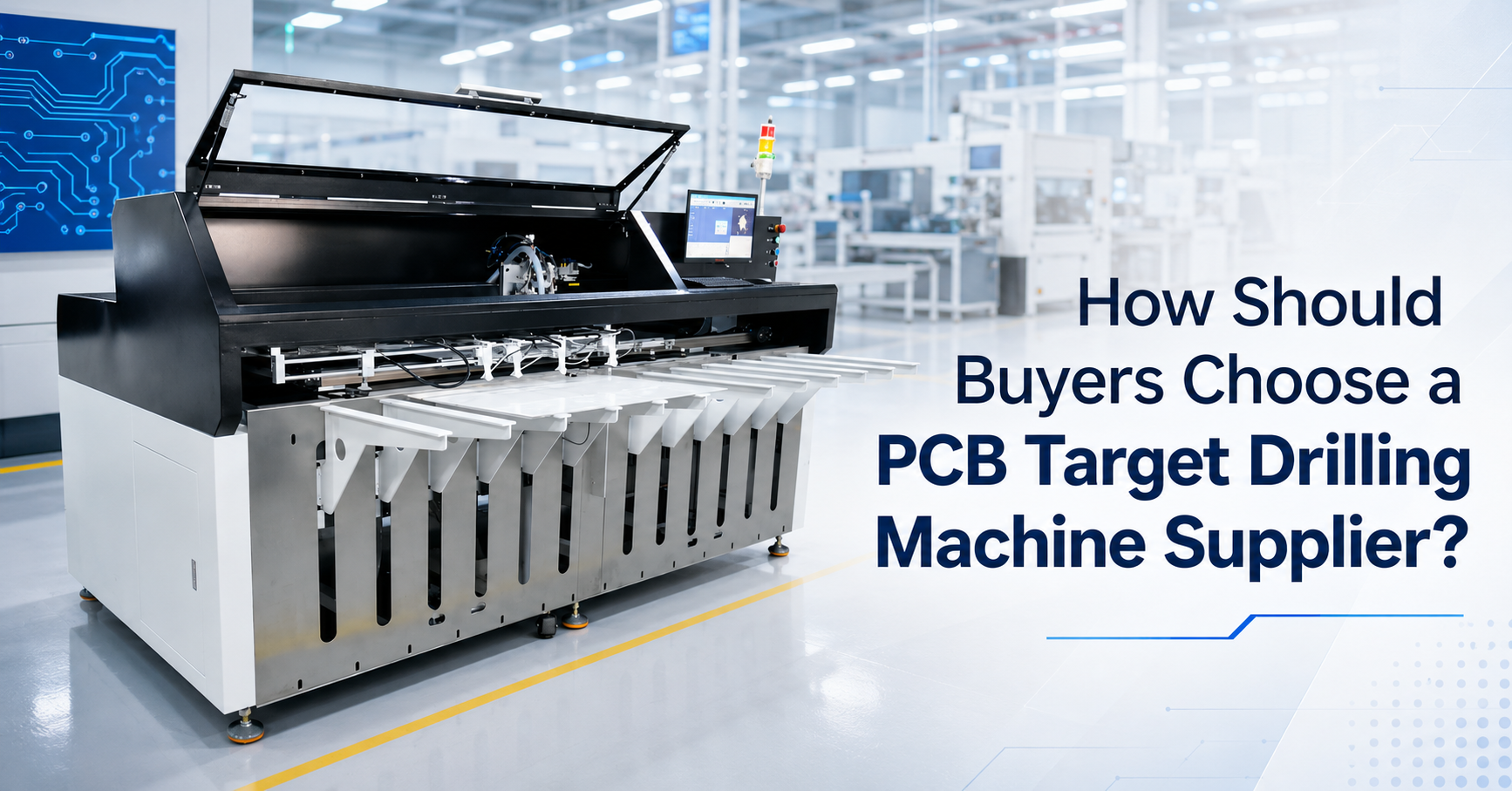
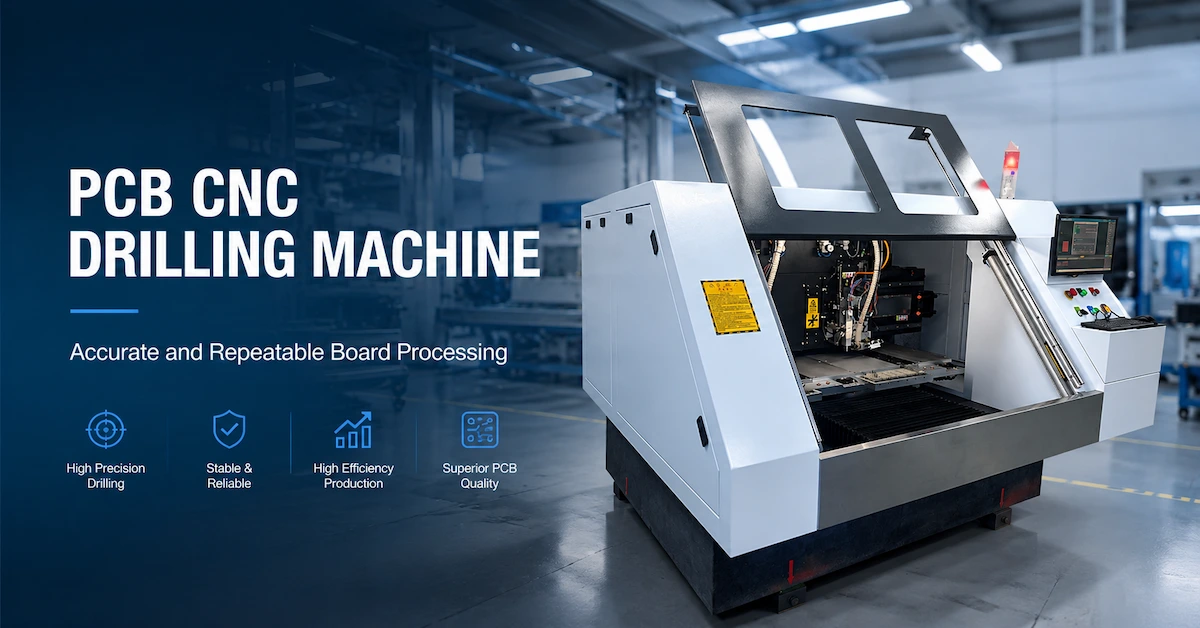
A PCB drilling machine is built for one task that sounds simple and is not: making precise holes in printed circuit board panels. Those holes may support vias, component leads, or later fabrication steps tied to routing and panel finishing. The machine described here fits the familiar industrial pattern: enclosed cabinet, rigid frame, front access window, side control console, and a stack light for line visibility. That is the look of equipment meant for factory-floor use, where repeatability and operator safety matter as much as raw speed.
The painted metal enclosure and boxy geometry tell you something practical too. These machines are usually designed to stay put, hold alignment, and tolerate the demands of continuous production. The outer finish is not the main story; the real story is stability under motion, accurate positioning, and enough control to keep hole locations consistent from panel to panel.
Key buying questions before you choose a supplier
Not every PCB drilling machine supplier serves the same type of operation. Some focus on high-volume fabrication plants. Others are a better fit for mixed production or smaller electronics manufacturing lines. Before comparing offers, a buyer should ask a few direct questions.
1. What kind of board work will the machine handle?
A supplier should be able to explain whether the machine is suited for standard PCB fabrication, dense interconnect work, or jobs that may later need routing. If the same production line also needs a PCB drilling and routing machine, the supplier should clarify where the drilling function ends and the routing workflow begins. That sounds obvious, but it is where mismatches often start.
2. How is accuracy maintained?
The image shows a CNC-based industrial drilling system, which is the baseline expectation for precision board work. But buyers should still ask about alignment control, fixture handling, motion stability, and how the machine supports repeatable drilling across batches. A machine can look robust and still be the wrong fit if its operating envelope does not match the factory’s panel sizes or hole pattern density.
3. What level of automation is really included?
Marketing phrases such as “high precision,” “stable performance,” and “automation ready” are common, but they are not enough by themselves. A practical buyer will want to know what automation means in real use: loading assistance, process monitoring, console controls, or line integration. It is worth being careful here. Some features are standard on one supplier’s model and optional on another’s.
Where buyers often make avoidable mistakes
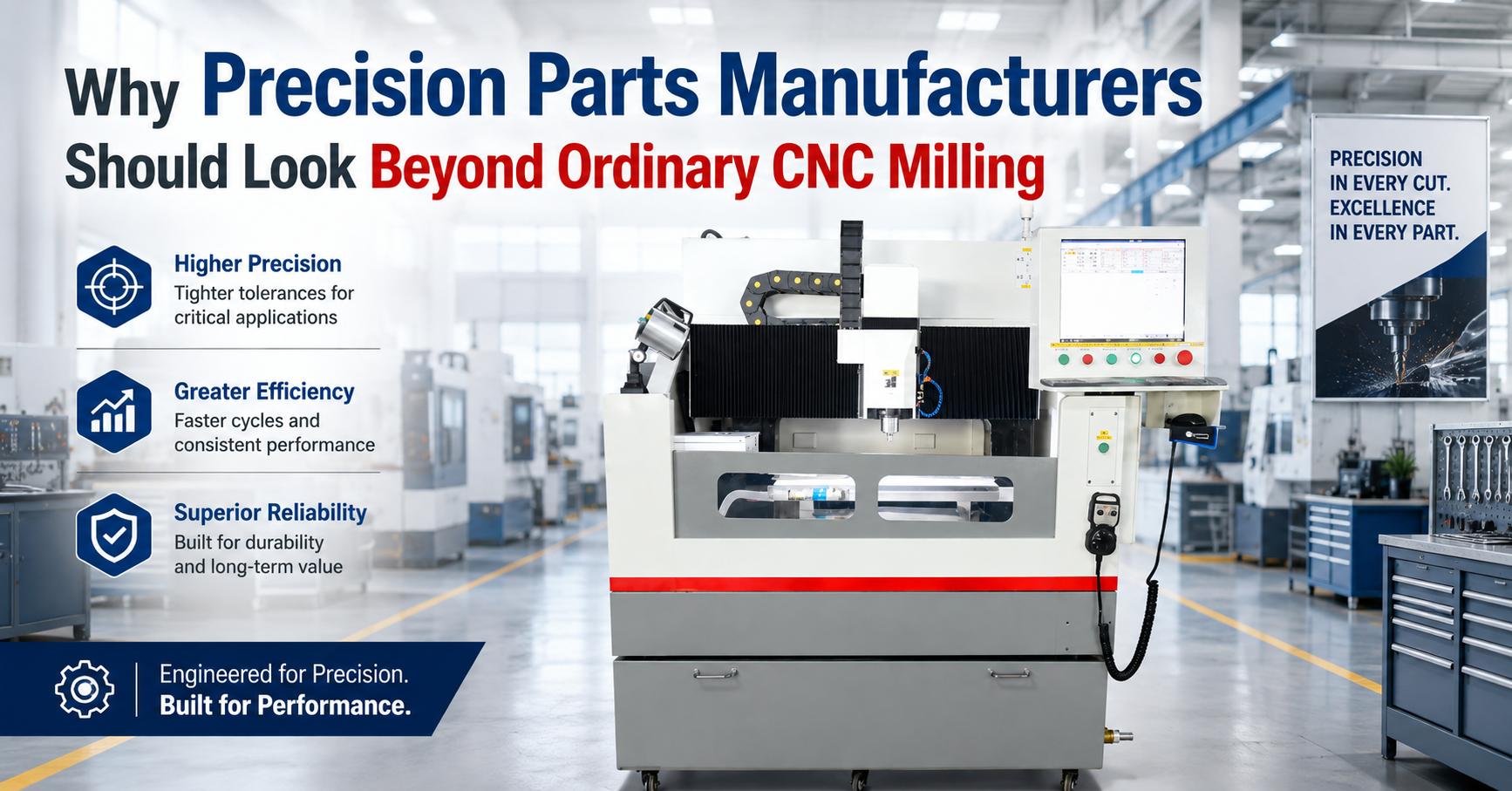
The first mistake is buying for capacity alone. A faster machine is not automatically the better machine if the board mix is narrow or if the downstream process cannot keep up. The second mistake is underestimating service needs. CNC drilling equipment is only valuable when the supplier can support setup, operator training, and maintenance. The third is ignoring the routing side of the workflow. Even when drilling is the primary need, board shops often end up needing edge processing or slotting later, which changes the equipment conversation.
A smaller but common oversight is treating the front-end console as decoration. In reality, the control interface shapes changeover speed and operator confidence. In a busy plant, that matters more than many brochures admit.
What the PCB shop should look for in a supplier partnership
A solid PCB drilling machine supplier should provide more than a technical sheet. Look for clear explanations of machine structure, expected use cases, and maintenance access. If the supplier can discuss how the enclosed cabinet design supports a controlled working environment, or how the machine fits into a production line with routing or other PCB processing steps, that is usually a better sign than generic sales language.
For sourcing managers, the real test is whether the supplier helps reduce uncertainty. For engineers, it is whether the equipment fits the drill pattern, panel workflow, and floor layout. For product teams, it is whether the machine can support current programs without boxing the factory into a corner later.
FAQ
Is a PCB drilling machine only for vias?
Not necessarily. It is used for precise holes in PCB panels, which may include vias, component lead holes, and other fabrication-related drilling steps.
Do I need a separate routing machine?
That depends on the board process. Some lines use separate drilling and routing equipment, while others look for a combined PCB drilling and routing machine to simplify workflow.
What matters more: speed or precision?
For most board shops, precision comes first. Speed is useful only when it does not compromise repeatability, alignment, or hole quality.
Next step for buyers
If you are shortlisting a PCB drilling machine supplier, start with the actual production problem, not the brochure. Share your board types, panel handling needs, routing requirements, and line constraints, then ask the supplier to map the machine to that process. The best purchase is usually the one that fits the factory quietly, not the one that makes the loudest claim.