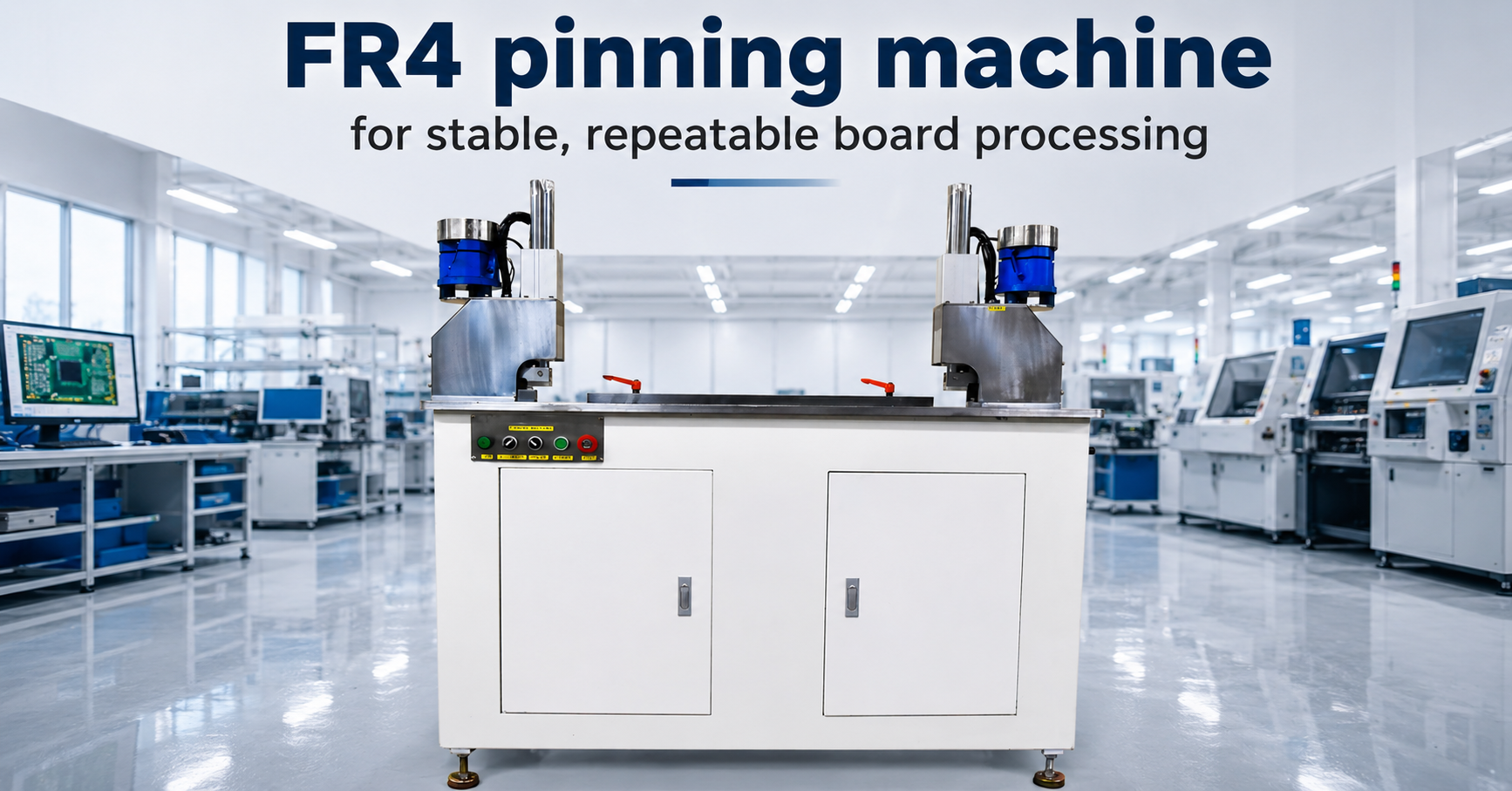




Depth Control Drilling vs Standard PCB Drilling
A PCB depth control drilling machine solves a narrower problem than a general PCB drilling machine, and that distinction matters more than it first appears. If your process only needs through-holes, a standard drilling setup may be enough. If your boards need controlled partial-depth drilling, precise layer-specific work, or operations that stop short of the full board thickness, then depth control drilling becomes the deciding feature rather than a nice extra.
That is where many buyers get tripped up. They start by asking for a faster machine, or a larger work area, when the real question is whether the equipment can hold a repeatable stop depth while still fitting the rest of the production flow. In PCB fabrication, a small error in depth can turn into scrap, rework, or unreliable downstream assembly. The machine choice is not just about making holes; it is about making the right holes in the right layer, consistently.
What Changes When Depth Matters
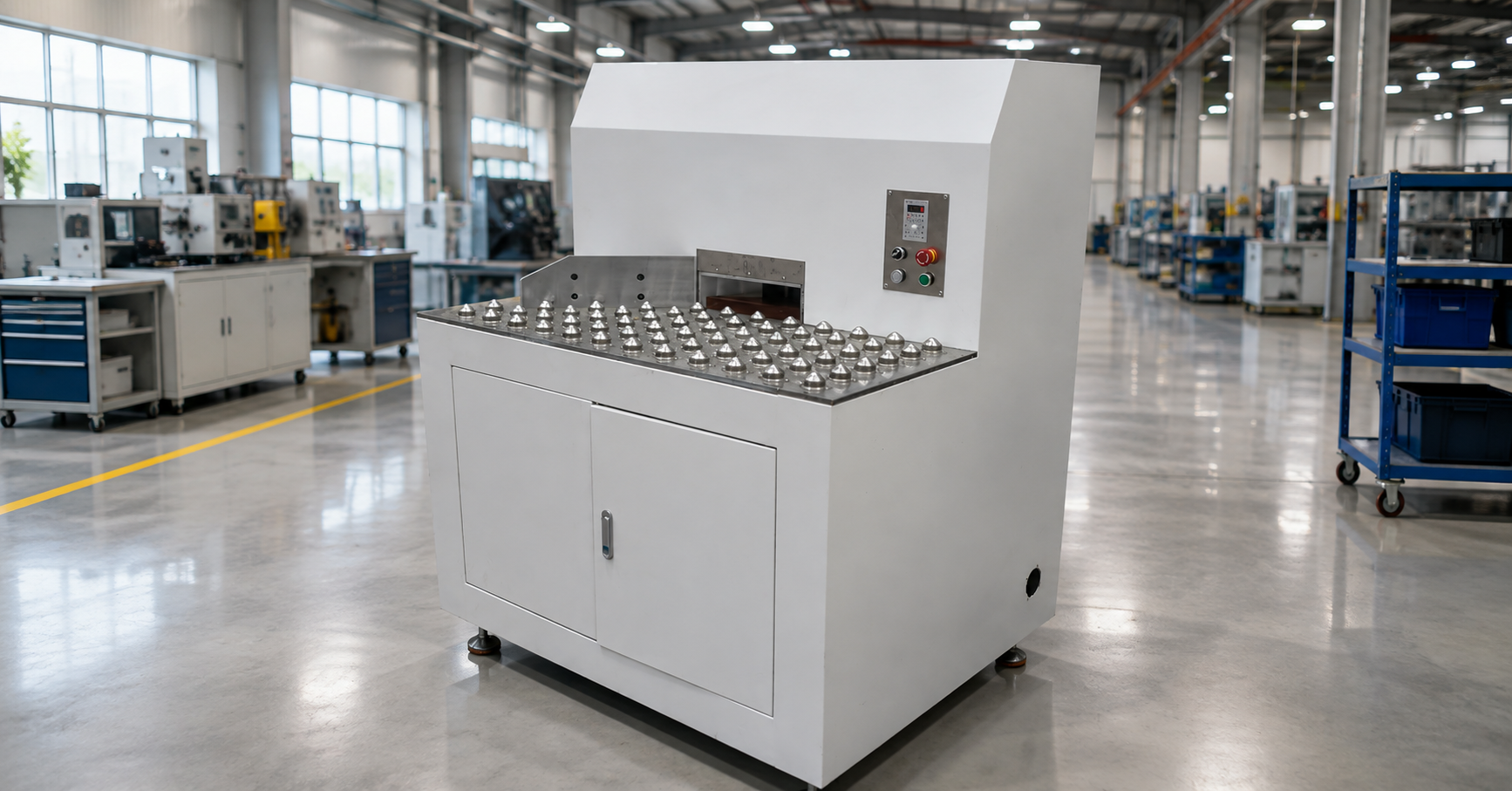
A standard PCB drilling machine is built around hole-making across the full board stack or panel. It is the familiar option for many shops because the job is straightforward: position the panel, drill to the required path, and move on. That is well suited to through-hole operations, prototyping runs, and many routine production jobs.
A depth control drilling machine adds a different level of process control. Instead of treating every hole as a full-depth operation, it is designed to stop at a controlled depth, which can help when boards require blind features, partial machining, or layer-limited processing. In practical terms, that gives manufacturers more flexibility in board design and can reduce the need to outsource specialized steps.
The tradeoff is that controlled depth work usually asks more of the machine, the program, and the operator discipline. Tool wear, board material variation, fixture stability, and setup quality all become more visible. The machine can do the job, but only if the process is managed with care.
Why Buyers Compare These Two Machines
For sourcing managers and production engineers, the comparison usually comes down to three questions: what kind of boards are being made, how much variation the line can tolerate, and whether the shop wants one machine that covers a broader mix of work or a more specialized machine for a specific process step. A PCB drilling machine may look simpler to justify on paper, but it can become a bottleneck if the product mix keeps moving toward more complex board structures.
By contrast, a PCB depth control drilling machine is easier to justify when the job list includes partial-depth operations often enough to affect throughput, quality, or outside processing costs. The buyer is not just purchasing a tool; they are choosing where control lives in the production chain.
What to Look For in Factory Equipment
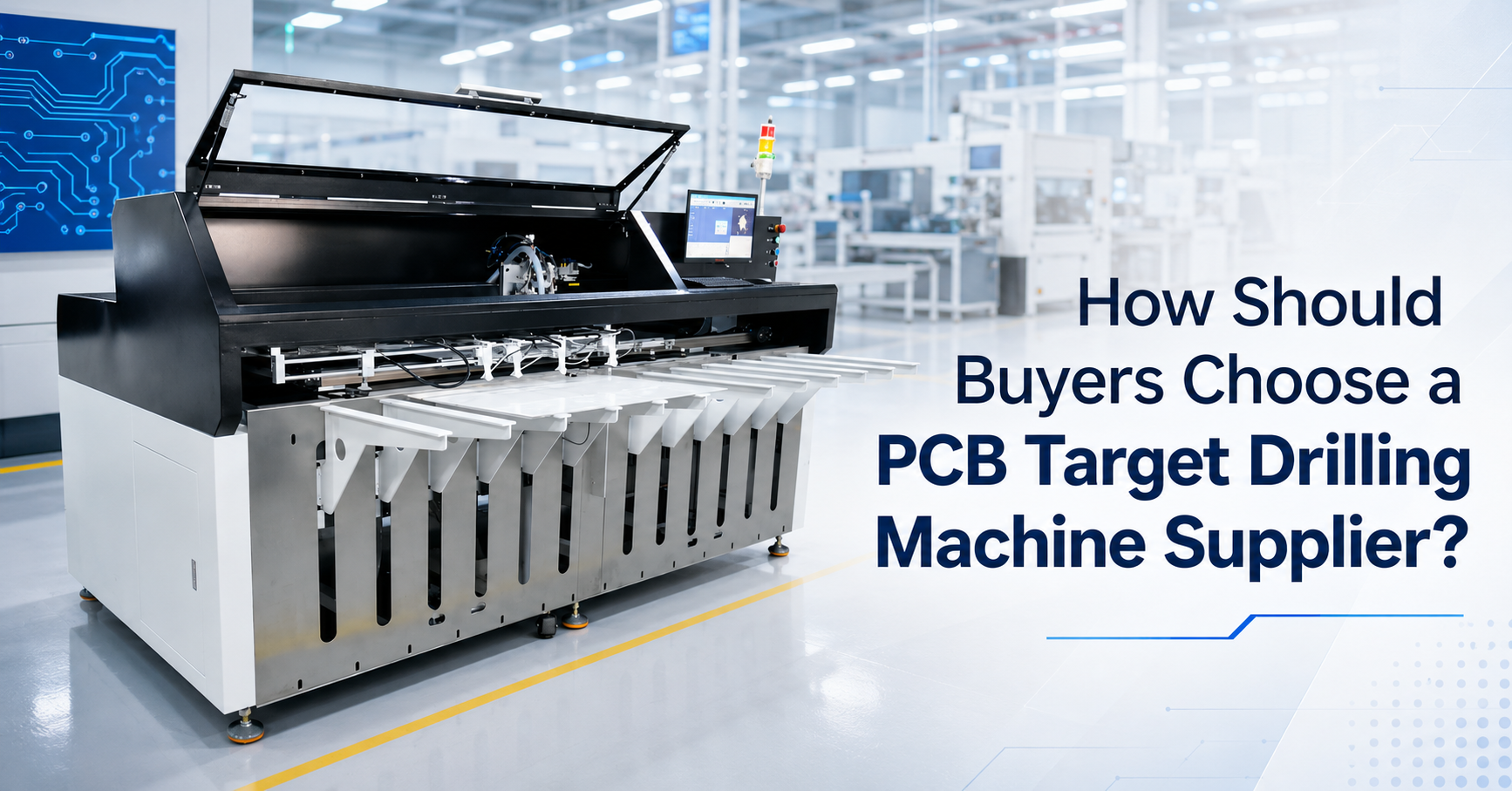
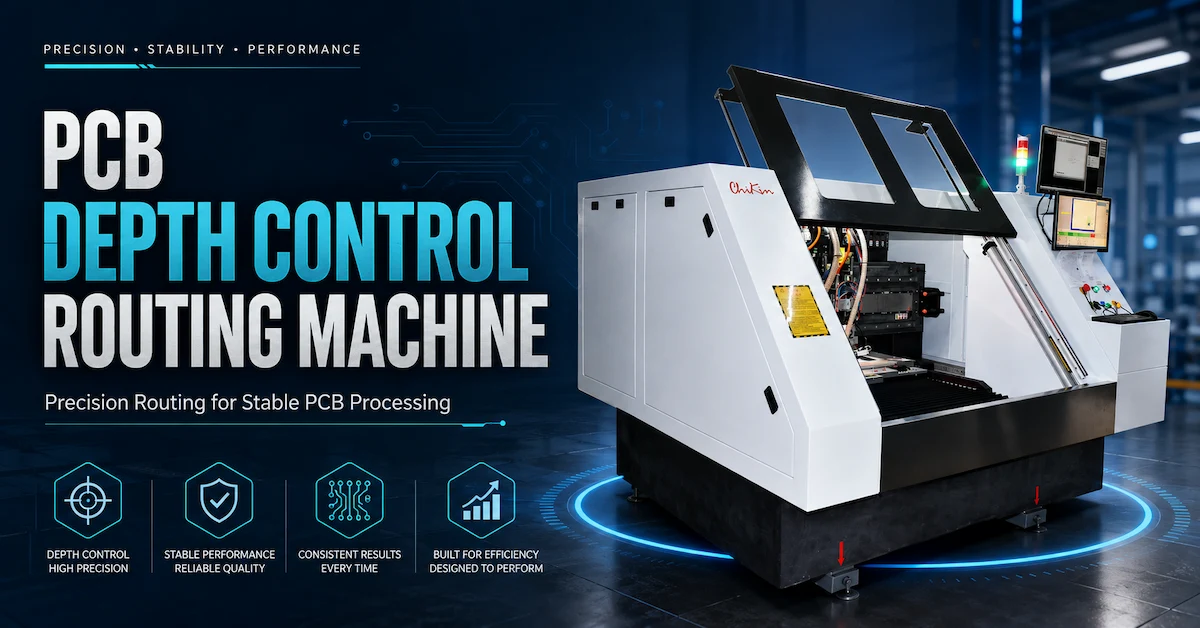
The visible construction of this kind of equipment already tells part of the story. The enclosed cabinet, industrial sheet-metal body, viewing window, side-mounted control screen, button interface, and tower signal light point to a machine meant for plant-floor use rather than bench-top handling. That matters because PCB equipment has to fit into a production environment where uptime, visibility, and operator workflow are all part of the equation.
Factory-direct supply and direct support are also worth paying attention to, especially for buyers who expect integration help or custom solutions. In this segment, service responsiveness can be as important as the machine itself. A shop that needs configuration changes, process guidance, or installation support will usually value a vendor who can stay close to the application instead of offering only a catalog model.
That said, custom does not automatically mean better. Buyers should be careful not to ask for every possible option. The best fit is usually the one that matches the board family, the production volume, and the actual control problem. Extra complexity can slow operators down if it is not tied to a real manufacturing need.
Common Mistakes in the Buying Process
The first mistake is buying for the wrong process step. Some teams assume that any PCB drilling machine can handle depth control work with a simple program change. Sometimes that is partly true; often it is not. The machine design, motion control, fixturing, and spindle behavior all affect how cleanly the process can be repeated.
The second mistake is ignoring the board mix. A shop that only runs one repeat job can live with a narrower setup. A shop that handles prototypes, small batches, and production panels at the same time needs more flexibility and tighter process discipline. If the work is changing often, the operator interface and setup time become part of the real cost.
The third mistake is forgetting support. A machine with promising hardware but weak technical backing can become a maintenance headache. For equipment that sits in the middle of production, direct support is not a slogan; it is the difference between one missed shift and a recoverable issue.
Practical Buyer Advice
If your main work is standard through-hole drilling, start with the simplest machine that can meet your quality and throughput targets. If your boards frequently need partial-depth features, then a depth control drilling machine deserves serious attention. The goal is not to own the most advanced machine in the room. The goal is to buy the machine that protects yield and keeps the line moving.
It also helps to ask for process examples from the vendor, even if they are presented cautiously. A serious supplier should be able to discuss use cases, customization boundaries, and service expectations without pretending that one configuration fits every plant. That is especially true for PCB manufacturing, where panel types and downstream requirements vary widely from shop to shop.
Where This Decision Usually Lands
In the end, the choice between a depth control drilling machine and a standard drilling setup is a comparison between process breadth and process precision. The broader machine may be easier to deploy. The more specialized machine may be better at solving a real production problem. Most buyers do not need a dramatic reinvention of their line; they need a machine that matches the actual board design and the actual factory rhythm.
If you are evaluating equipment for a PCB fabrication shop, electronics manufacturing line, or prototyping lab, start with the hole type, then the board structure, then the service model. That order prevents a lot of expensive second-guessing later.
For teams considering factory-direct support and custom solutions, the next step is to define the board family, the required depth control behavior, and the level of operator involvement you can support on the floor. With that information in hand, the right machine becomes much easier to identify.