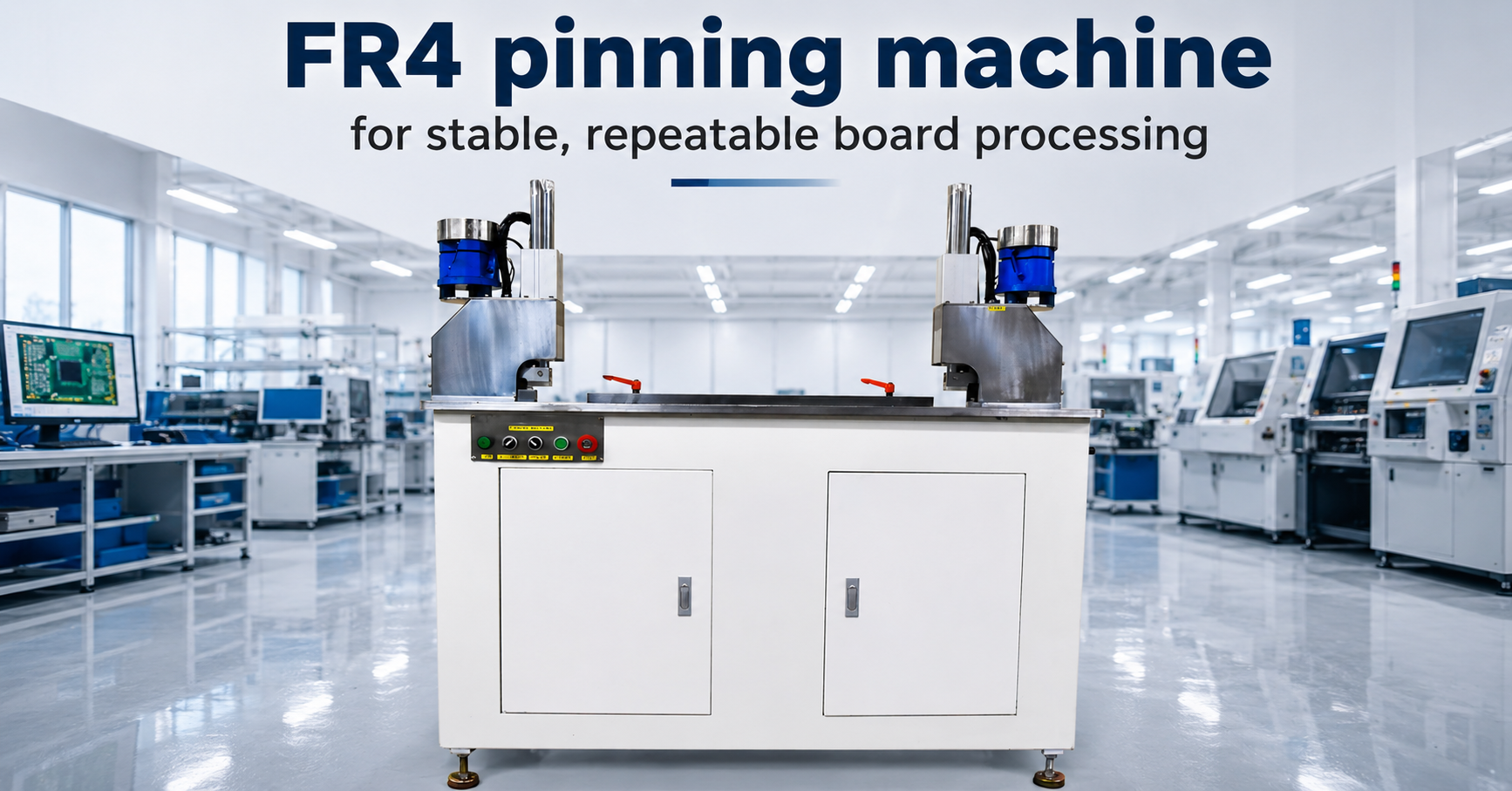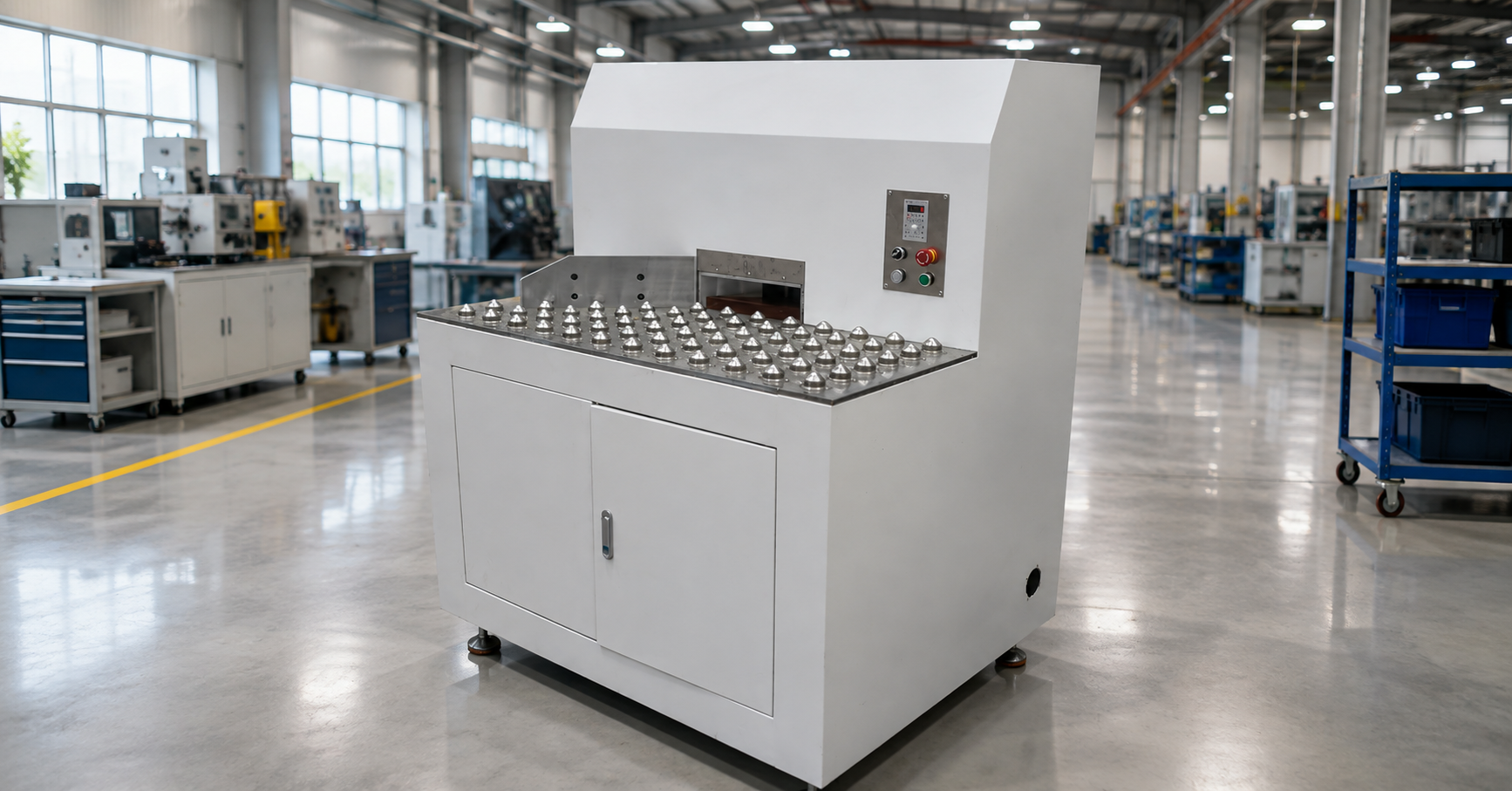




For PCB manufacturers, equipment selection directly affects production efficiency, product quality, operating costs, and long-term business growth.
A reliable PCB equipment supplier is not only a company that sells machines. A professional supplier should understand PCB manufacturing processes, provide suitable equipment recommendations, support installation and training, and help customers improve production efficiency over the entire machine lifecycle.
However, choosing a PCB equipment partner is becoming increasingly difficult.
The market includes:
- PCB equipment manufacturers
- PCB machinery suppliers
- Trading companies
- Automation solution providers
- Local equipment distributors
Different suppliers may offer similar-looking machines, but their manufacturing capability, technical experience, customization ability, and after-sales service can vary significantly.
For PCB factories planning new production lines, replacing old equipment, or expanding capacity, selecting the right supplier is a strategic decision rather than a simple purchase.
This guide explains the key factors global buyers should evaluate before choosing a PCB equipment supplier.
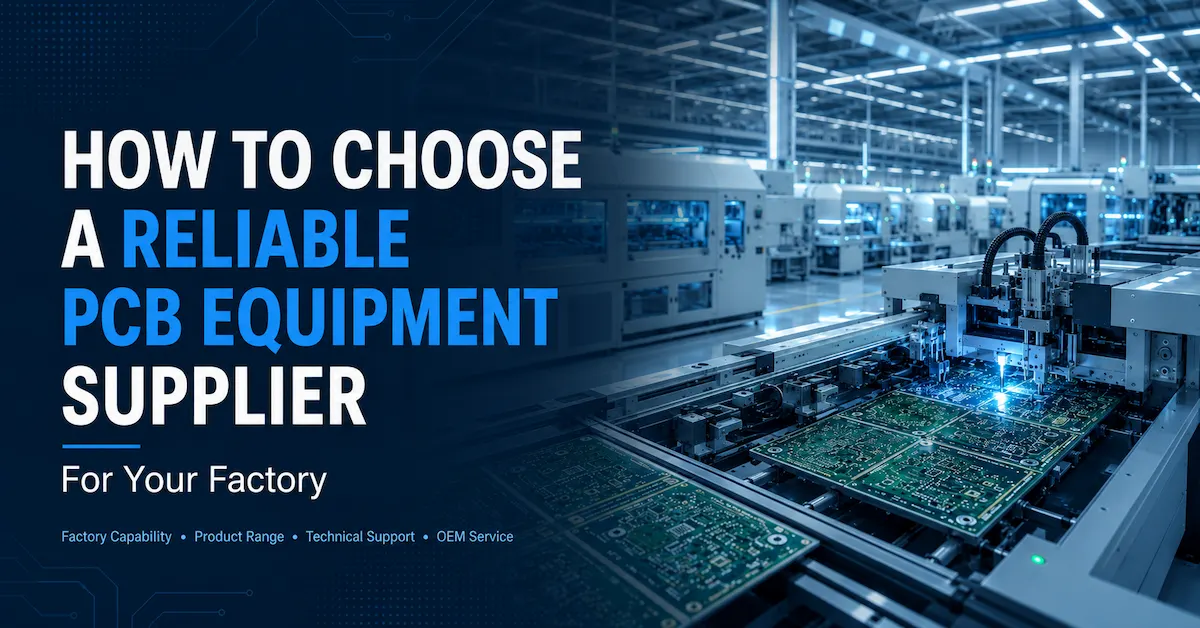
Common Challenges When Purchasing PCB Equipment
1. Choosing the Wrong Equipment Configuration
One of the biggest challenges for PCB factories is selecting equipment that matches their actual production requirements.
Different PCB manufacturers have different needs:
- Prototype production
- Small-batch manufacturing
- Medium-volume production
- High-volume production
- FR4 processing
- Multilayer PCB production
- Rigid-flex PCB manufacturing
- Aluminum PCB processing
A professional PCB equipment supplier should first understand:
- PCB material
- Board size
- Production volume
- Accuracy requirements
- Processing method
- Future expansion plans
before recommending equipment.
A supplier that only focuses on selling a machine may provide a configuration that does not match the customer's workflow.
2. Lack of Technical Evaluation Before Purchase
PCB equipment is a long-term investment. Buyers need more than product specifications.
Important technical questions include:
- How accurate is the machine?
- What materials can it process?
- How stable is the production performance?
- What maintenance is required?
- Can the supplier provide sample testing?
A reliable PCB equipment manufacturer should provide technical consultation instead of simply sending a quotation.
3. After-Sales Support Risk
Many factories focus only on machine price but underestimate after-sales service.
Production equipment problems can cause:
- Production delays
- Customer delivery issues
- Additional repair costs
- Operator downtime
Before choosing a supplier, buyers should evaluate:
- Installation support
- Operator training
- Spare parts availability
- Remote technical assistance
- Response time
A strong after-sales system is one of the biggest differences between professional suppliers and ordinary sellers.
How to Evaluate a PCB Equipment Supplier
1. Check Whether the Supplier Is a Real Manufacturer
The first step is determining whether the company is a true manufacturer or only a trading company.
A professional PCB equipment manufacturer should have:
Factory capability
Check:
- Manufacturing workshop
- Assembly capability
- Engineering team
- Quality control process
- Testing procedures
- Production experience
A factory-controlled supplier can usually provide:
- Better customization
- Faster technical response
- More stable quality control
- Direct engineering support
Compared with trading companies, manufacturers usually understand the machine structure and production process better.
2. Evaluate Factory Manufacturing Capability
A strong PCB machine factory should have complete production capability.
Important evaluation points include:
Engineering and R&D capability
A capable supplier should have engineers who understand:
- CNC motion systems
- Spindle technology
- PCB processing requirements
- Automation integration
- Machine optimization
Manufacturing process
Buyers should check:
- Machine assembly
- Component sourcing
- Calibration process
- Factory testing
- Quality inspection
Production experience
Experience matters because PCB equipment requires industry-specific knowledge.
A supplier experienced in PCB manufacturing equipment can better understand:
- Hole accuracy requirements
- Routing quality requirements
- Material differences
- Production challenges
3. Review Product Range and Solution Capability
A reliable PCB machinery supplier should provide more than one machine model.
A complete product range shows stronger technical capability.
PCB production may require:
- PCB drilling machines
- PCB routing machines
- PCB drilling and routing machines
- CCD alignment machines
- Laser processing equipment
- V-cut machines
- AOI inspection equipment
- Automation solutions
A supplier with broader PCB production equipment capability can provide better production planning.
For example, CHIKIN CNC focuses on PCB processing equipment solutions, including:
- PCB drilling solutions
- PCB routing solutions
- CCD alignment processing
- Customized PCB machining solutions
This allows customers to select equipment based on production requirements rather than a single standard machine.
4. Confirm Technical Support Capability
Technical support is a key factor when choosing a PCB equipment supplier.
Before purchasing, buyers should ask:
Does the supplier provide application support?
A good supplier should help analyze:
- PCB material
- Production requirements
- Machine configuration
- Processing parameters
Does the supplier provide training?
Training should include:
- Machine operation
- Software usage
- Maintenance
- Troubleshooting
Can the supplier support remote diagnosis?
Modern PCB factories need fast problem-solving.
Remote support can reduce:
- Machine downtime
- Production interruption
- Service costs
5. Evaluate OEM and Customization Capability
Different PCB factories have different requirements.
A professional PCB equipment manufacturer should support customization.
Examples include:
- Customized working area
- Special fixture design
- Software adjustments
- Production line integration
- Branding requirements
- Specific processing requirements
OEM capability is especially important for:
- PCB equipment distributors
- Regional partners
- Large factories
- Special application projects
A supplier with customization experience can provide solutions beyond standard products.
6. Compare Quality Control Systems
Machine quality determines long-term production stability.
Before choosing a supplier, ask about:
- Component selection
- Assembly standards
- Machine calibration
- Accuracy testing
- Factory inspection
A reliable PCB machine factory should have quality control throughout manufacturing.
Important quality factors include:
- Mechanical precision
- Electrical reliability
- Software stability
- Long-term operation performance
7. Consider Global Delivery and Service Experience
For international buyers, supplier experience matters.
Check:
- Export experience
- International installation capability
- Shipping process
- Documentation support
- Customer communication
A PCB equipment supplier serving global customers should understand:
- Different market requirements
- Installation conditions
- Technical communication needs
PCB Equipment Supplier vs PCB Equipment Manufacturer
| Factor | PCB Equipment Manufacturer | Trading Supplier |
|---|---|---|
| Factory control | Direct | Limited |
| Customization | Stronger | Limited |
| Technical knowledge | Higher | Depends on third party |
| Price control | Better | Additional margin |
| Engineering support | Direct | Indirect |
| After-sales service | Professional | Depends on supplier |
For factories purchasing production equipment, working directly with a manufacturer often provides better long-term value.
Why CHIKIN CNC Is a Reliable PCB Equipment Supplier
CHIKIN CNC focuses on providing PCB processing equipment solutions for global PCB manufacturers.
1. Professional PCB Equipment Manufacturing Experience
CHIKIN CNC specializes in PCB equipment development and manufacturing, focusing on practical solutions for PCB drilling, routing, and related processing applications.
2. Complete PCB Processing Solutions
CHIKIN CNC provides equipment solutions covering:
- PCB drilling
- PCB routing
- PCB drilling and routing integration
- CCD alignment processing
- Customized PCB processing requirements
3. Engineering Support
CHIKIN CNC helps customers evaluate:
- Production requirements
- Machine configuration
- Processing methods
- Application scenarios
4. OEM and Customized Solutions
For different factory requirements, CHIKIN CNC can support customized solutions based on:
- Board size
- Processing requirements
- Production volume
- Automation needs
5. Global Customer Support
CHIKIN CNC supports international customers with:
- Technical consultation
- Installation guidance
- Operator training
- After-sales service
Checklist Before Choosing a PCB Equipment Supplier
| Evaluation Item | Questions to Ask |
|---|---|
| Manufacturer status | Does the supplier own a factory? |
| Engineering team | Can they provide technical support? |
| Product range | Can they provide complete PCB solutions? |
| Quality control | How is machine accuracy tested? |
| Customization | Can they modify equipment? |
| Installation | Is training included? |
| Service | How fast is technical response? |
| Experience | Do they serve global PCB factories? |
| Spare parts | Are replacement parts available? |
| Application support | Can they recommend the right configuration? |
FAQ: PCB Equipment Supplier
1. What should I look for in a PCB equipment supplier?
Buyers should evaluate factory capability, product range, technical support, customization ability, quality control, and after-sales service.
2. Should I buy from a PCB equipment manufacturer or trading company?
For production equipment, buying directly from a manufacturer usually provides better technical support and customization capability.
3. How can I verify a PCB equipment manufacturer?
Check factory facilities, engineering capability, production experience, customer cases, and quality control processes.
4. What PCB equipment does a professional supplier provide?
A complete supplier may provide drilling machines, routing machines, CCD systems, inspection equipment, and customized PCB processing solutions.
5. Why is after-sales service important for PCB equipment?
Production equipment downtime can affect delivery schedules. Fast technical support helps reduce production interruption.
6. Can PCB equipment suppliers customize machines?
Professional manufacturers can customize working areas, fixtures, software functions, and production configurations.
7. How long does PCB equipment usually last?
With proper maintenance, professional PCB equipment can provide long-term production service. Machine quality, usage conditions, and maintenance affect lifespan.
8. What information should I provide when contacting a PCB equipment supplier?
Provide:
- PCB material
- Board size
- Production volume
- Accuracy requirements
- Processing requirements
- Automation needs
This helps suppliers recommend suitable equipment.
Conclusion: Choose a PCB Equipment Supplier as a Long-Term Manufacturing Partner
Choosing a reliable PCB equipment supplier is not only about purchasing a machine. It is about finding a long-term partner that understands PCB manufacturing, provides suitable equipment solutions, and supports production growth.
Before making a decision, buyers should evaluate:
- Manufacturing capability
- Product range
- Technical expertise
- OEM customization
- Quality control
- After-sales support
A professional PCB equipment manufacturer can help factories improve production efficiency, reduce risks, and build a more stable manufacturing process.
CHIKIN CNC provides PCB equipment solutions for manufacturers looking for reliable PCB drilling, routing, and customized processing equipment.
If you are planning a PCB production line upgrade or looking for a reliable PCB equipment supplier, contact CHIKIN CNC for professional equipment recommendations.