




Precious Jewelry Laser Cutting Machine for Controlled, High-Detail Production
A Precious Jewelry Laser Cutting Machine is used to help manufacturers create fine jewelry parts with cleaner edges, tighter control, and less manual rework than traditional cutting methods. For buyers working with delicate designs, thin metal sheets, or repeatable part geometry, the main problem is often balancing precision with operator safety and production consistency. An enclosed industrial machine like this addresses that need by providing a protected workspace, integrated control access, and visibility during operation.
Product Overview
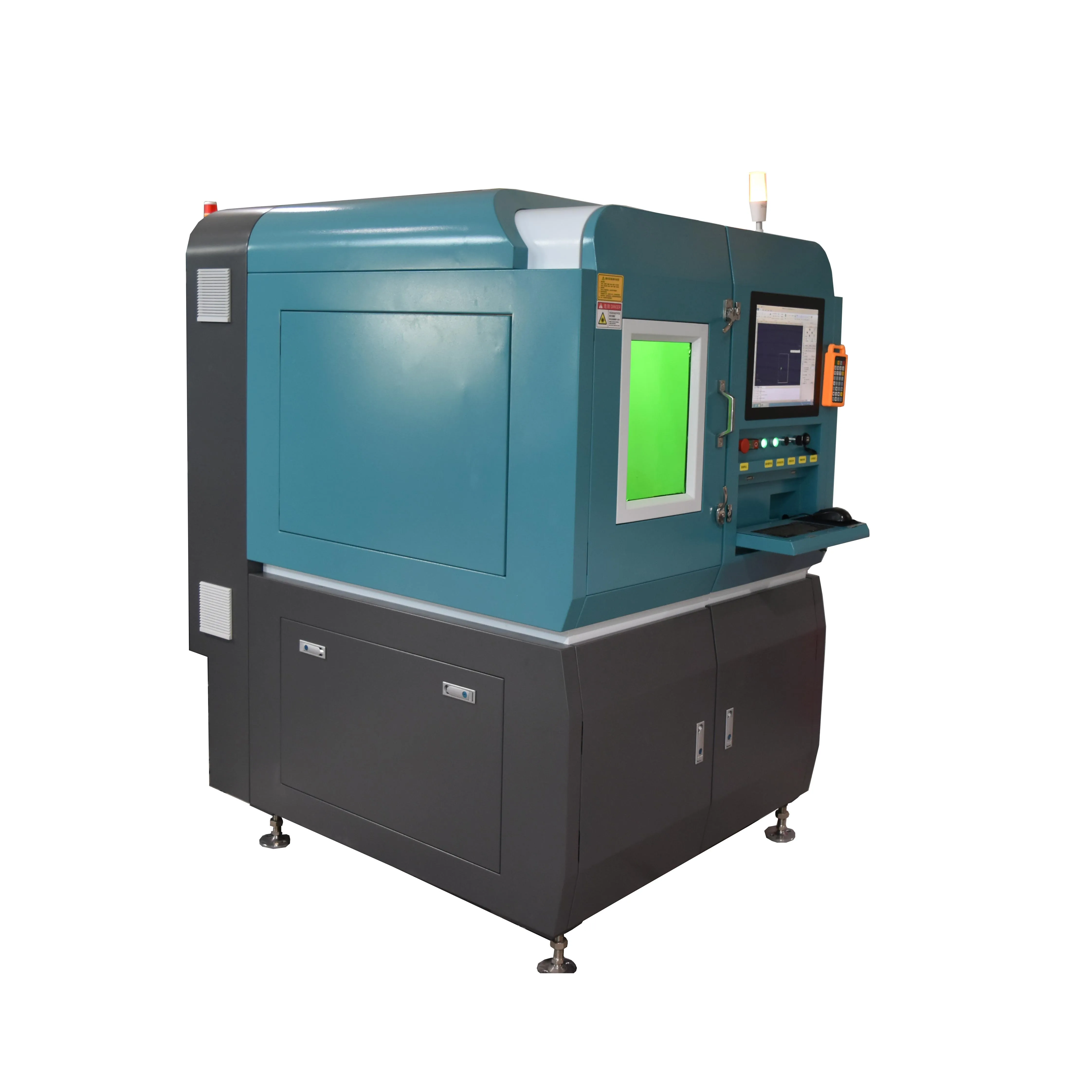
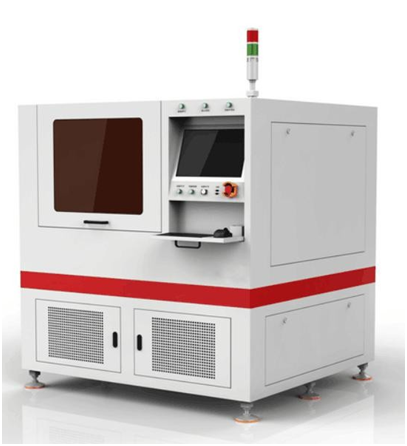
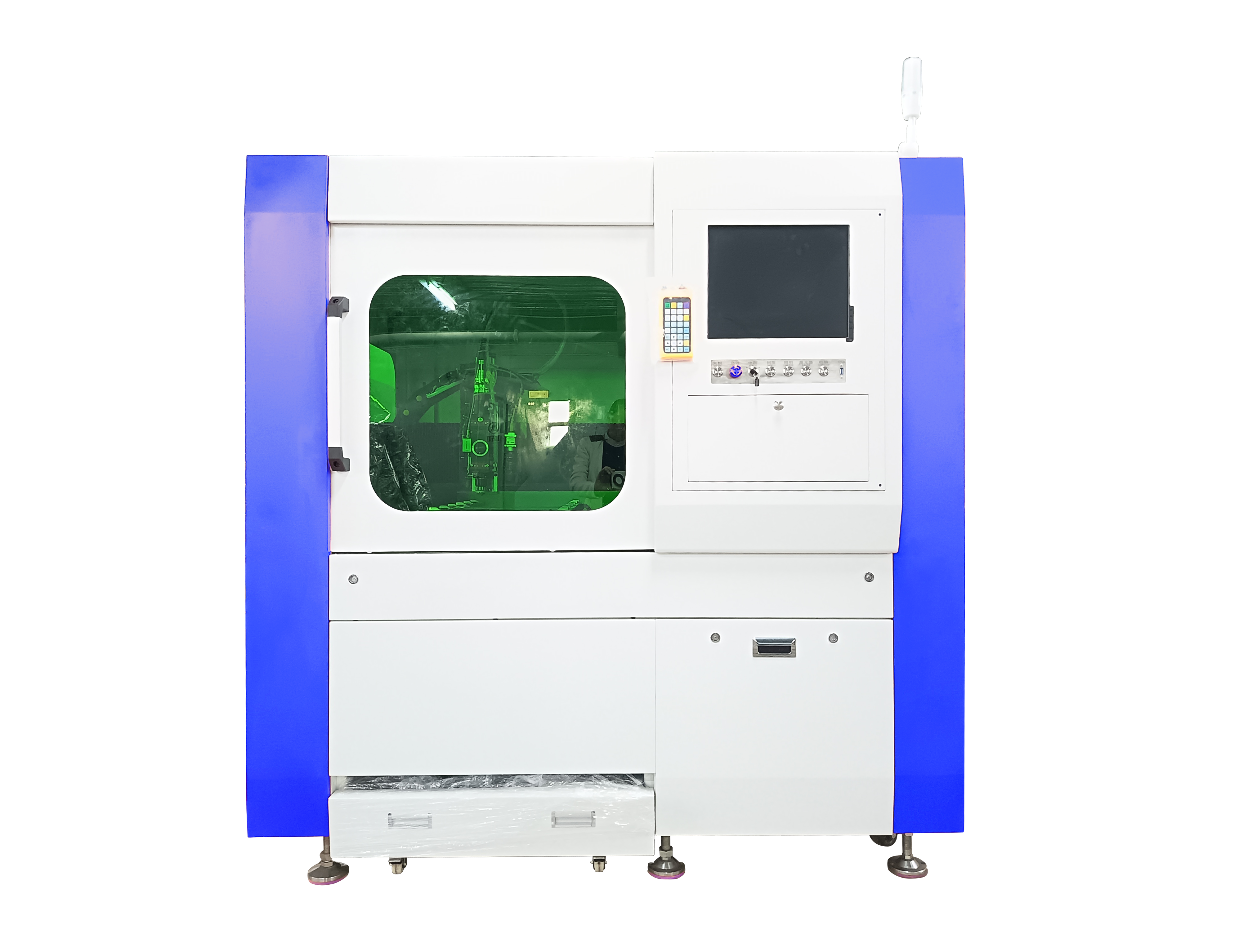
Based on the visible machine structure, this equipment appears to be an enclosed industrial processing unit designed for precision manufacturing. It features a two-tone metal cabinet, a front access door with a viewing window, a control screen, push-button controls, and a service tray area. While the exact internal process cannot be verified from the image alone, the configuration is consistent with a factory-grade jewelry cutting system or other controlled CNC automation platform.
For jewelry production, an enclosed format matters. It helps separate the operator from the cutting zone, supports cleaner workflow management, and can make it easier to maintain a stable working environment around small and valuable workpieces.
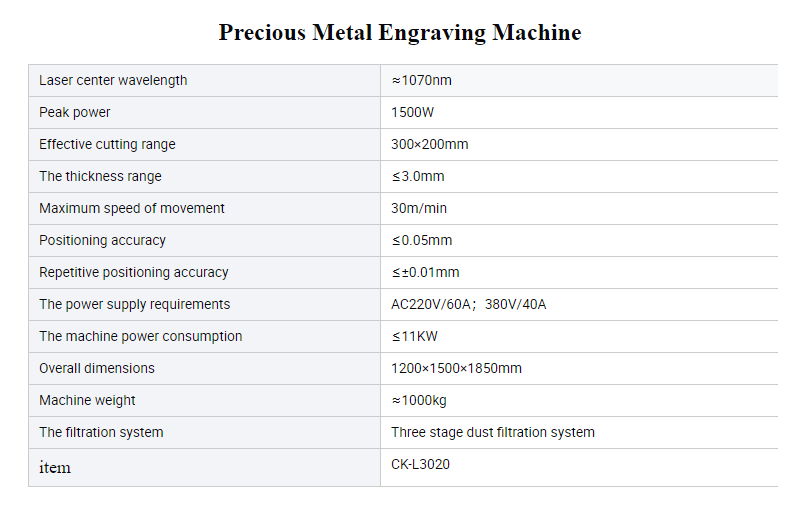
Specification
Key Capabilities and Visible Features
Enclosed working chamber
The cabinet-style housing suggests a protected internal processing area. This is useful in jewelry operations where fine debris, light exposure, or operator contact must be managed carefully.
Integrated HMI and control access
The front-mounted screen and buttons indicate a built-in operator interface. In a production setting, this can simplify job setup, parameter input, and monitoring without requiring constant access to external systems.
Observation window
The rectangular viewing window allows supervised operation. For buyers, this is valuable when checking alignment, process status, or part handling without opening the enclosure unnecessarily.
Service access and installation support
Front access panels and visible leveling feet or support points suggest a machine intended for shop-floor installation and maintenance. That is important for facilities planning for space, service clearance, and stable placement.
Materials and Finish Options
The visible enclosure appears to be fabricated from sheet metal with a painted or powder-coated finish. The teal upper section and dark gray lower base are practical choices for industrial use because they help resist wear and give the machine a clean production-floor appearance.
For a Jewelry Cutting Machine, material selection is usually driven by the parts being processed. Common application materials may include precious metals such as gold, silver, and related jewelry alloys, but exact compatibility depends on the actual internal laser source, motion system, and process parameters. If you are sourcing a Gold Laser Cutting Machine or Silver Laser Cutting Machine, confirm the material thickness range and processing behavior before purchase.
Manufacturing and Process Considerations
Although the internal tooling is not visible, enclosed equipment of this type is typically associated with precision-controlled manufacturing workflows. In jewelry production, that may involve laser cutting, fine contour work, or other automated operations where small features must be produced consistently.
If you are evaluating a Fiber Laser Cutting Machine for jewelry use, pay close attention to beam control, heat-affected zone management, and repeatability. For high-value materials, the real decision is not only cutting speed, but how well the machine protects detail and reduces scrap.
Typical Application Scenarios
This type of machine is suited to workshops and factories handling:
fine jewelry component production
prototype cutting for rings, pendants, earrings, and decorative elements
small-batch precious metal processing
controlled shop-floor operations where enclosure and supervision are needed
manufacturing lines that require a compact, integrated Jewelry Cutting Machine rather than an open-frame setup
Quality Control and Operating Safety
For jewelry manufacturers, quality control is closely tied to repeatability and containment. An enclosed system helps reduce accidental contact with moving parts and may support better process control around sensitive materials. Buyers should evaluate the control interface, access design, enclosure integrity, and ease of servicing. Since exact accuracy and performance specifications are not provided here, those items should be confirmed directly with the supplier.
Customization and Buyer Decision Factors
Before selecting a Precious Jewelry Laser Cutting Machine, ask how the machine will fit your actual production needs. Important points include enclosure size, workflow layout, service access, control interface usability, and whether the machine can handle your target metals and part sizes. If you are comparing a Gold Laser Cutting Machine with other jewelry processing options, request details on process stability, maintenance needs, and operator training requirements.
For buyers planning a new production line, the best choice is the machine that balances precision, safety shielding, ease of setup, and serviceability. A compact enclosure with clear visibility can be especially useful when working with high-value workpieces and frequent job changes.
Request More Information
If you need a jewelry-focused cutting solution and want to confirm exact machine type, process capability, or configuration options, contact the supplier with your material samples and production requirements. Share your target metals, part geometry, and throughput needs so the recommended system can be matched more accurately to your workflow.