



FPC UV Laser Cutting Routing Machine for Precise Flexible Circuit Processing
An FPC UV Laser Cutting Routing Machine is used to solve a familiar production problem: flexible circuits are thin, delicate, and easy to deform when conventional tooling puts pressure on the substrate. In high-mix electronics manufacturing, buyers need clean edges, minimal mechanical stress, and a way to process intricate outlines without tearing copper traces or distorting the film. This type of equipment is designed around that need, pairing enclosed operation with controlled laser processing for flexible printed circuit work.
Product Overview
For factories handling flexible boards, cover layers, and fine electronic films, a laser-based routing solution offers a different path from blade cutting or punch tooling. The process relies on focused light rather than physical contact, which helps reduce burrs, edge fray, and tool wear. As a FPC laser cutting machine, it is especially relevant for jobs where geometry is tight, panel layouts vary, or traditional tooling becomes expensive to reconfigure.
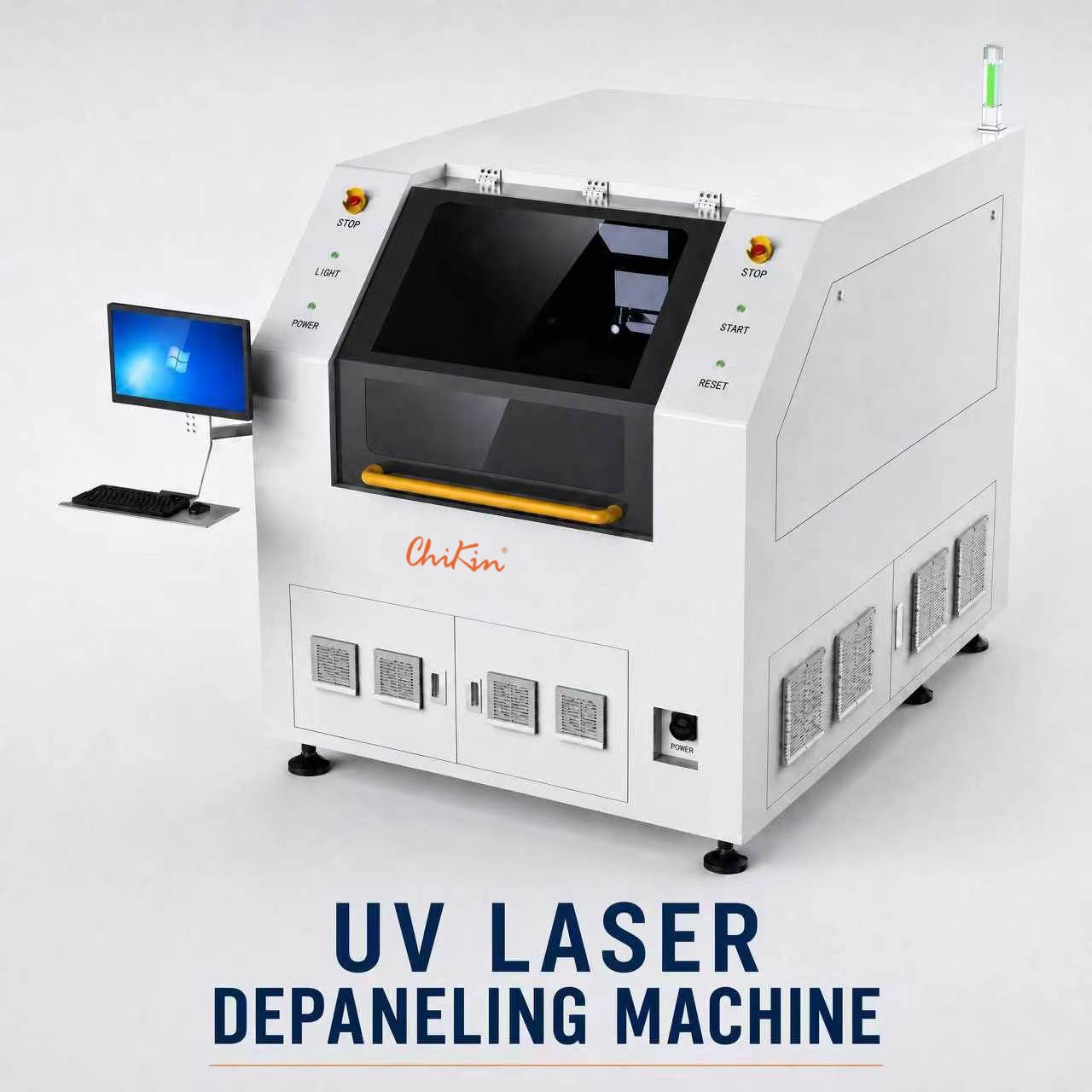
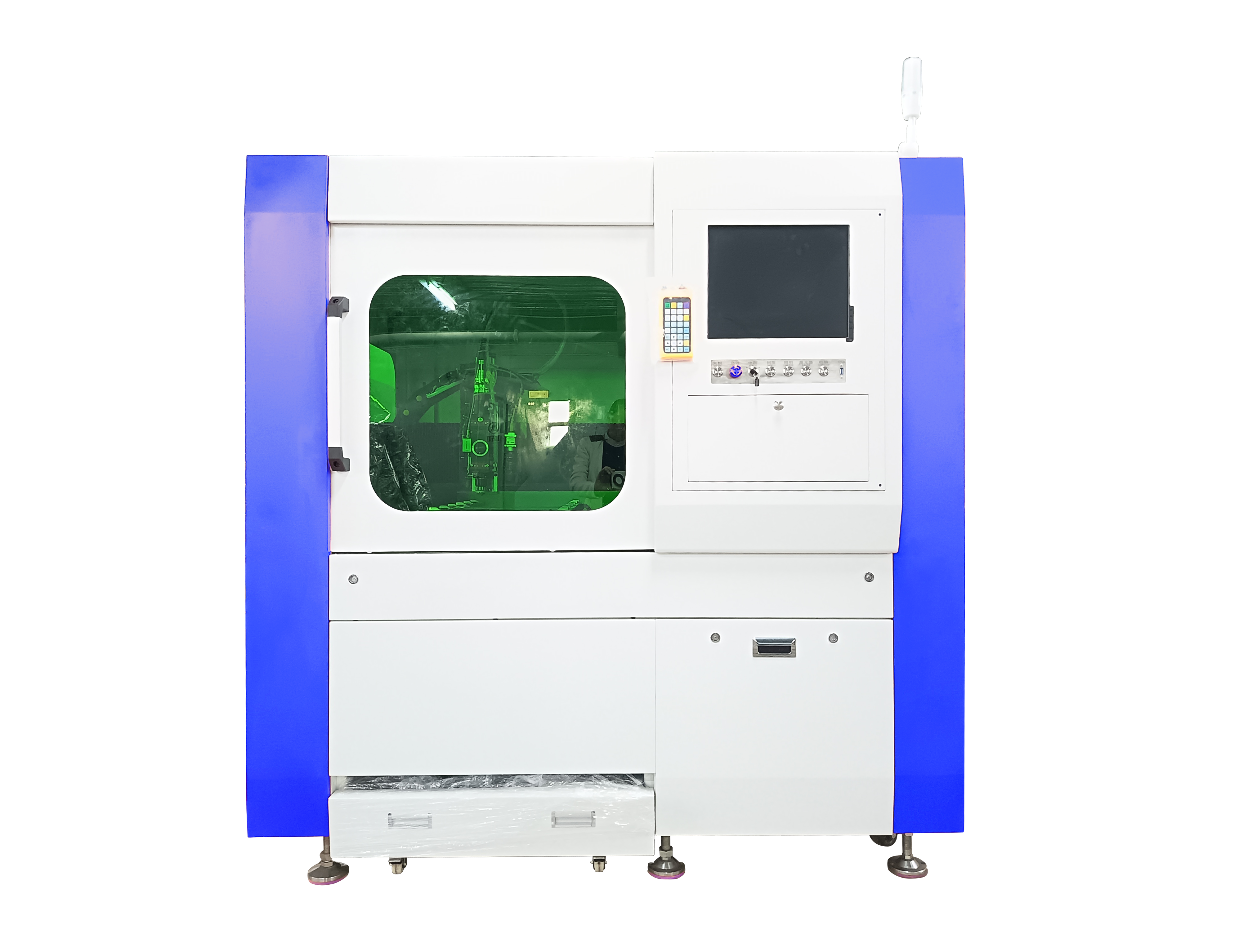
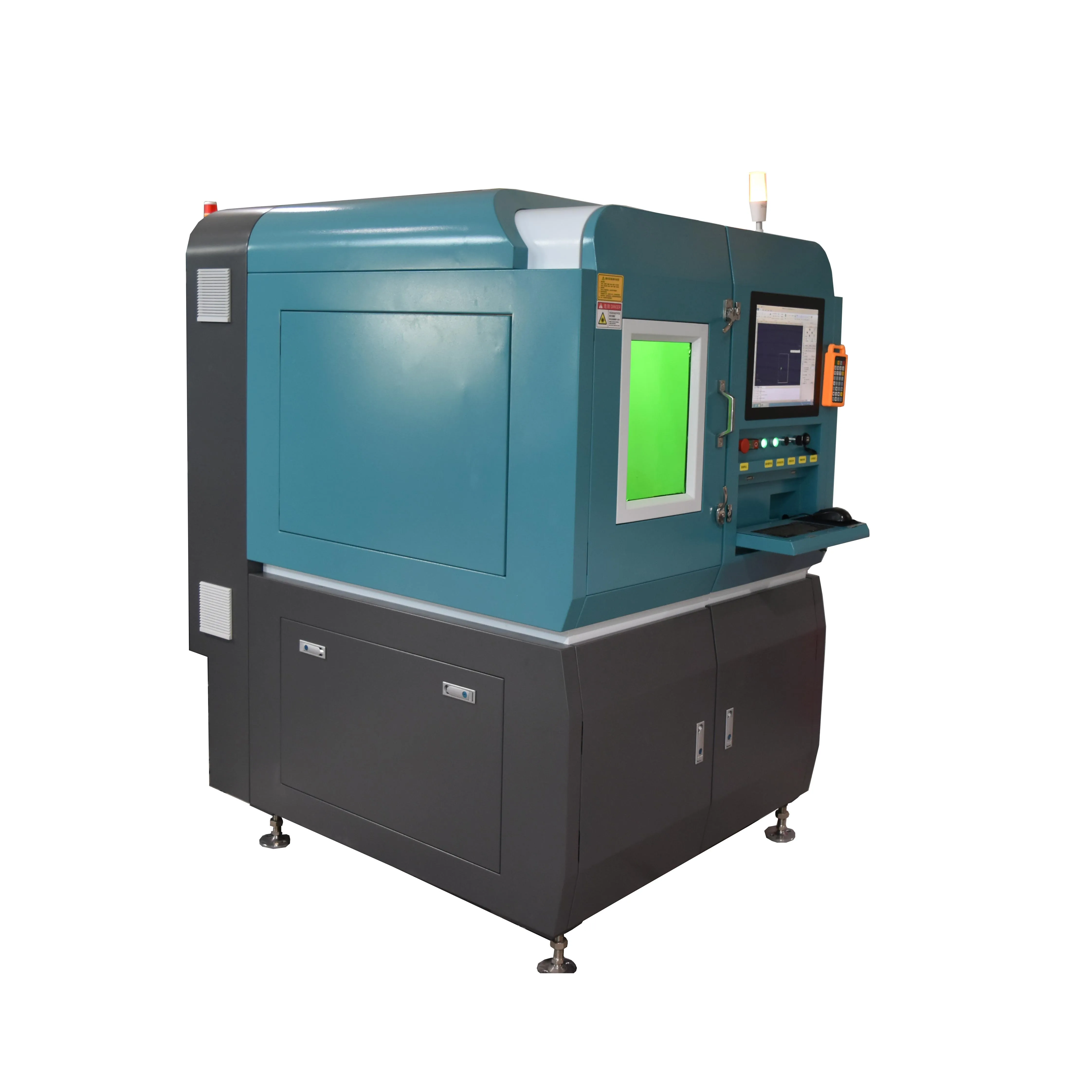
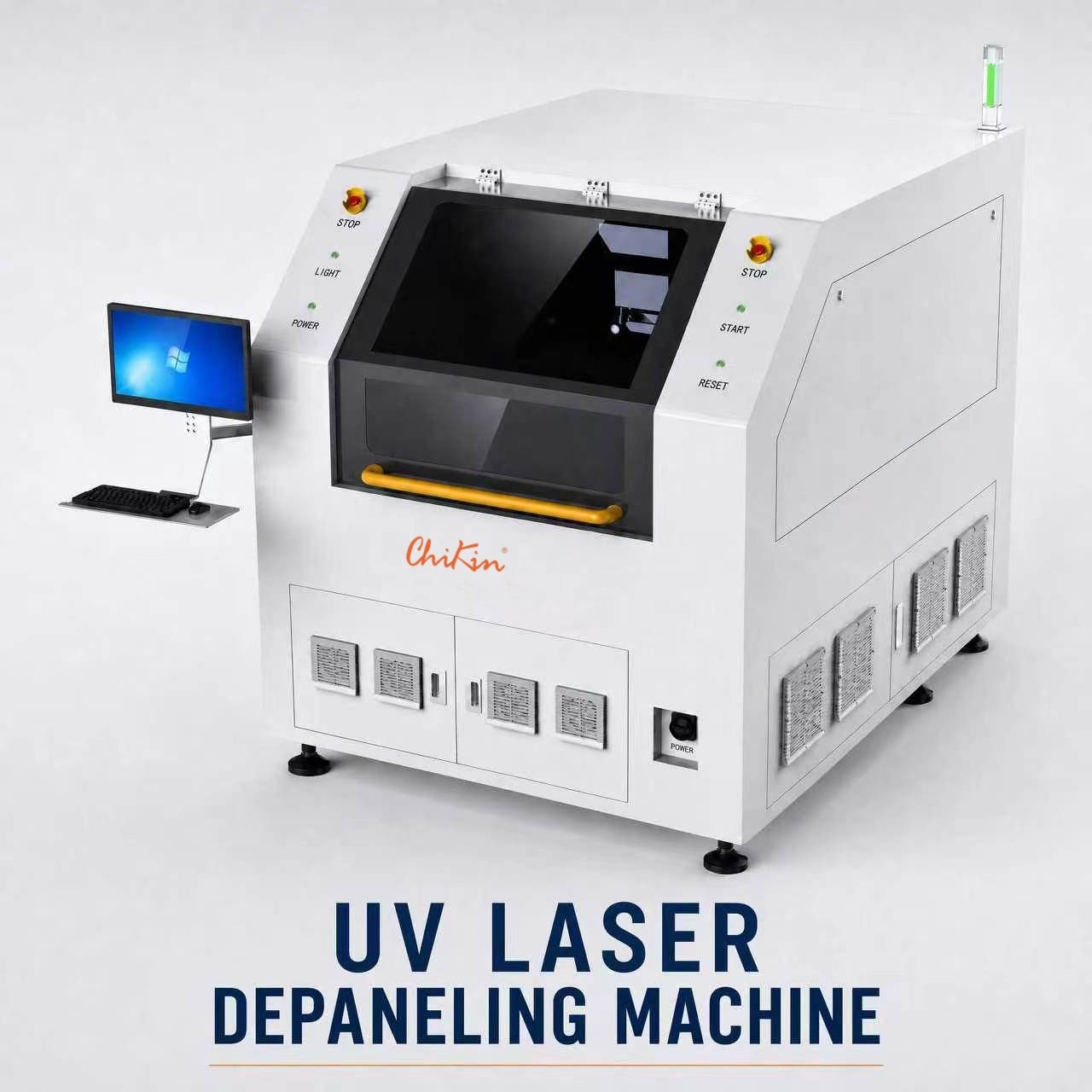
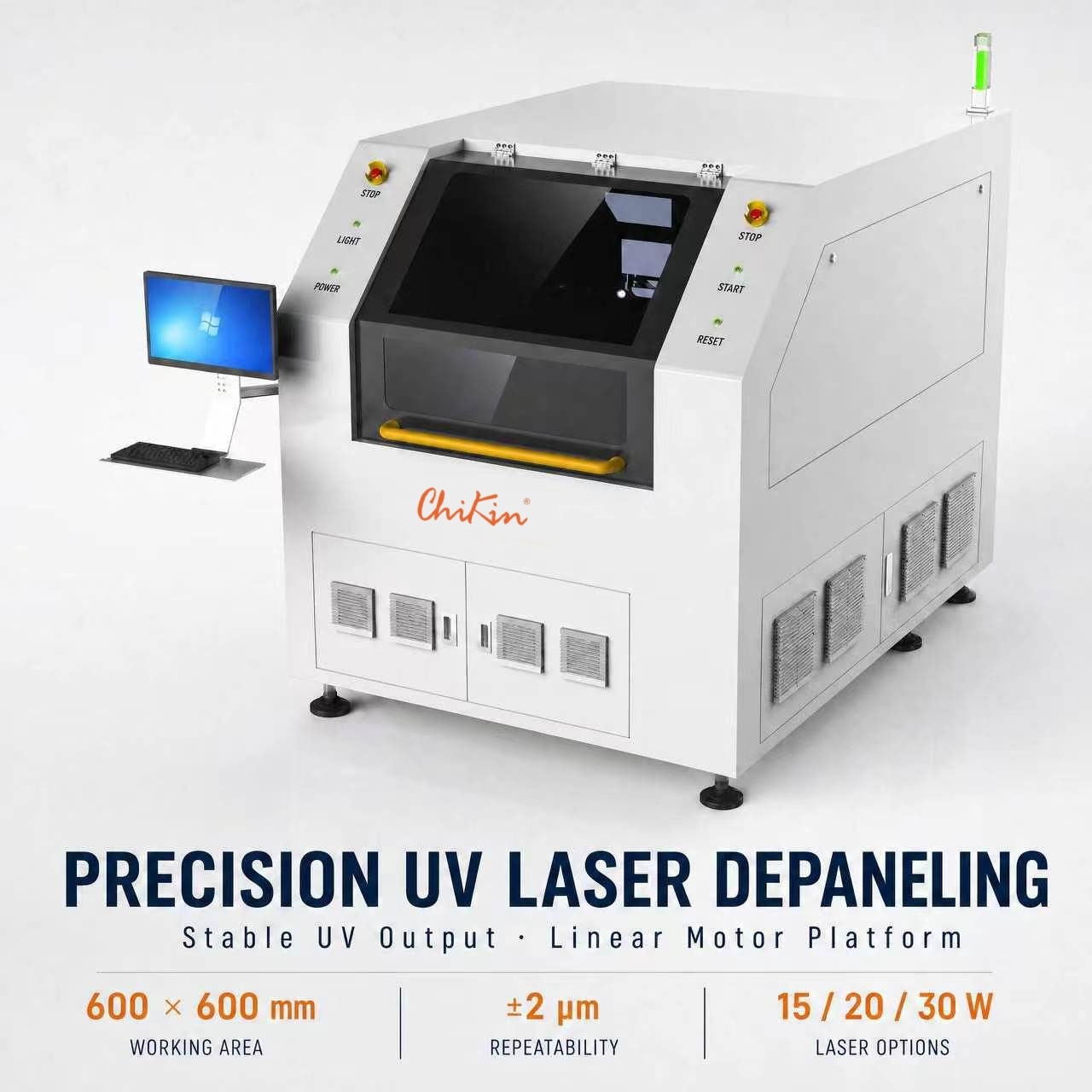
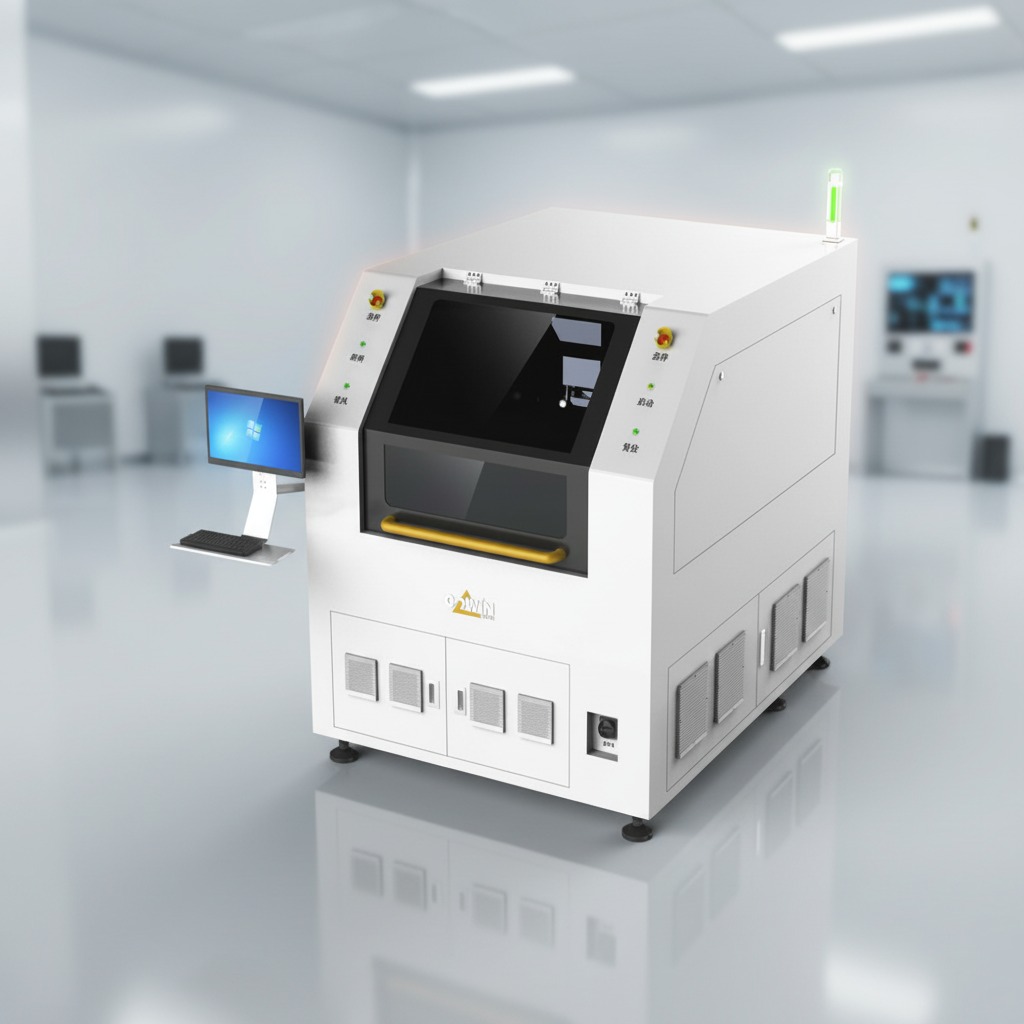
The visible machine form suggests a compact enclosed industrial workstation with a sealed front chamber, viewing window, side access panels, and an external human-machine interface. Those features are consistent with production systems that prioritize operator shielding, process visibility, and maintenance access. While the exact internal function is not fully verifiable from the image alone, the overall cabinet design supports controlled industrial processing.
Machine Specification
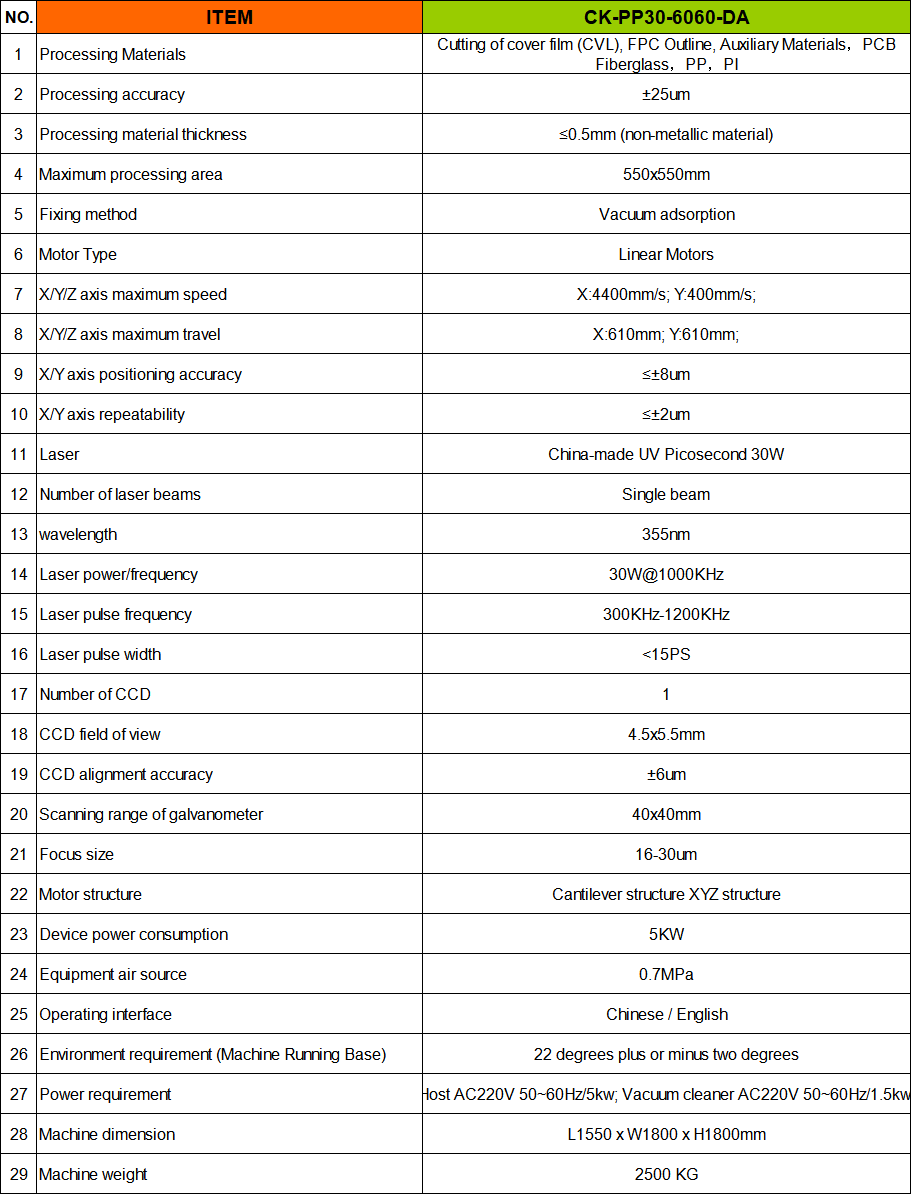
Key Capabilities and Specifications to Consider
Process control
When evaluating a UV laser cutting machine for flexible electronics, buyers typically look at beam stability, motion precision, cut edge quality, and how well the system handles heat-sensitive layers. UV laser processing is often chosen for fine-detail work because shorter wavelengths are commonly associated with cleaner energy absorption in delicate materials. For laser cutting for flexible circuits, that can mean more consistent outlines and less visible thermal effect than more aggressive mechanical methods.
Machine structure
The enclosed cabinet format matters. A sealed chamber can help contain light exposure, dust, and fumes while protecting the work area from outside contamination. Front ventilation grilles, maintenance panels, leveling feet, and integrated indicator controls point to a floor-standing machine meant for routine factory use rather than bench-top experiments.
Operator interface
A side-mounted monitor and keyboard interface usually supports setup, program selection, diagnostics, and process monitoring. In production settings, that interface becomes the bridge between layout data and the finished part, especially when multiple panel shapes or revision changes are involved.
Materials and Process Fit
This kind of equipment is generally associated with flexible printed circuit materials, thin films, and other precision electronic substrates. In an FPC workflow, the main concern is not only making the cut, but making it repeatable across thousands of parts with stable edge definition. A flex circuit laser cutter is often selected because it can follow complex contours and small apertures that are difficult to machine with knives or routers.
For buyers, it is important to confirm compatibility with the full stack of materials used in production: base film, adhesive layers, copper patterns, coverlay, and any protective coatings. Different stacks respond differently to laser energy, so process validation is part of responsible equipment selection.
Manufacturing Process and Workflow
In a typical flexible circuit cutting workflow, panel data is loaded into the control system, the workpiece is fixed in place, and the laser follows the programmed path. Because the process is non-contact, tooling wear is not the same concern as with mechanical dies. That makes the system attractive for short runs, prototype builds, and recurring production where design changes are frequent.
The enclosed chamber also supports cleaner handling of fumes and debris. For electronics plants, this is not a cosmetic detail; it helps maintain consistent operation and reduces the chance that dust interferes with fine features or sensitive surrounding equipment.
Application Scenarios
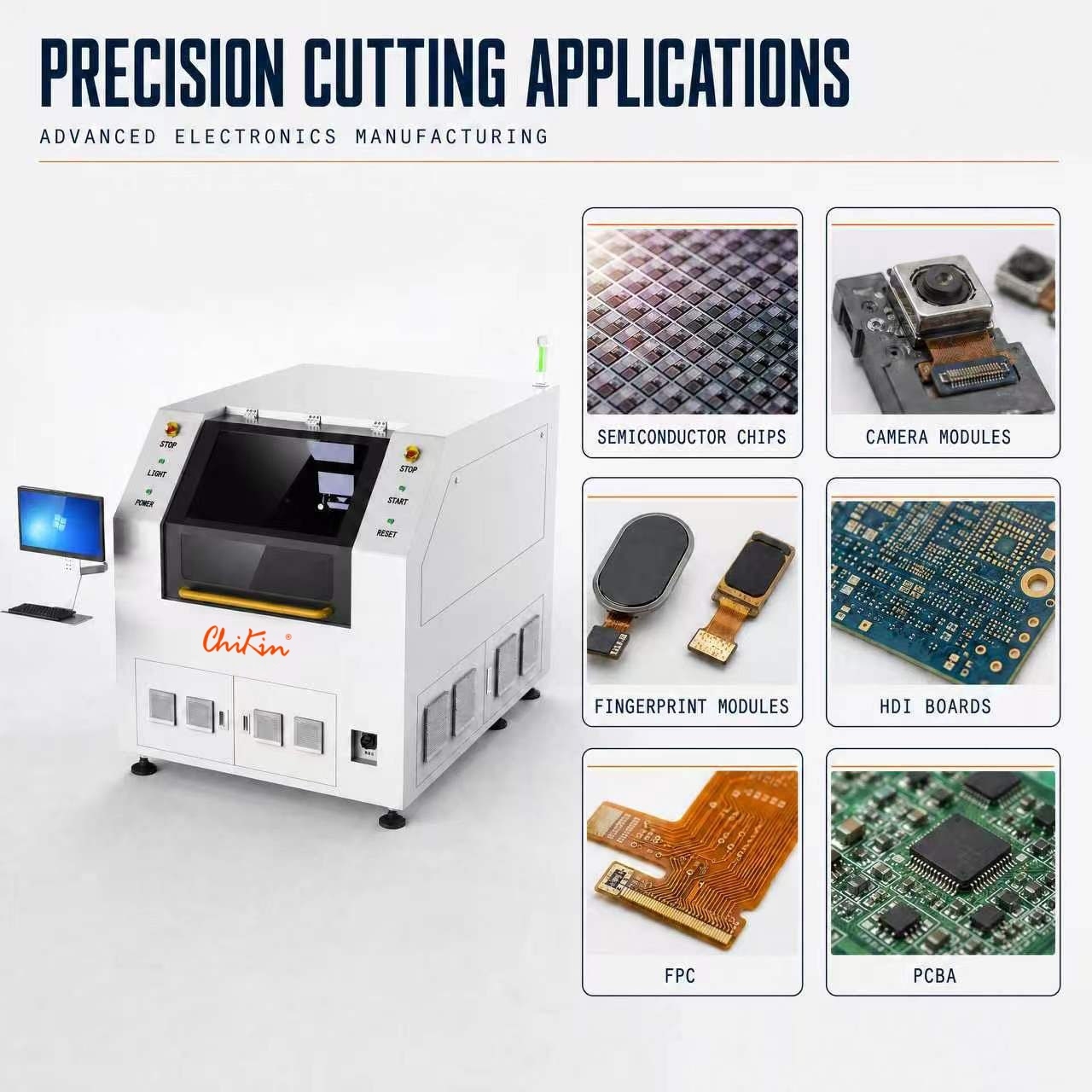
An FPC laser depaneling machine is commonly considered for electronics manufacturing lines that need precise singulation or outline processing of flexible boards. Typical use cases include wearables, camera modules, compact consumer electronics, medical devices, and other assemblies that rely on thin, tightly routed interconnects. In these environments, the ability to process fine geometry without crushing or bending the substrate is a practical advantage.
The same platform concept may also support related precision tasks such as marking, engraving, or controlled part processing, although the exact capability depends on the internal configuration. Because the image does not verify the internal laser source or software, buyers should request machine-specific documentation before assuming any function beyond the visible industrial enclosure.
Quality Control and Production Reliability
For B2B buyers, quality control starts with repeatability. Key questions include edge cleanliness, positional consistency, thermal impact, and whether the machine maintains output across long shifts. Enclosed systems with visible status lights, emergency-stop style controls, and service access panels are often easier to integrate into plant safety and maintenance routines.
Before purchase, ask for sample cut data, material compatibility notes, and process validation on your own board stack. That is especially important for laser cutting for flexible circuits, where a setting that works on one film thickness may not transfer cleanly to another.
Customization Guidance for Buyers
Customization typically depends on panel size, fixture design, automation level, dust extraction needs, and interface integration with your MES or production tracking system. If the machine will sit in a line with upstream lamination or downstream inspection, footprint and access direction matter as much as cutting performance. Buyers should also clarify whether they need manual loading, semi-automatic handling, or a more integrated cell for high-volume routing.
If you are comparing a laser depaneling machine against mechanical cutting methods, the decision usually comes down to part fragility, design complexity, and acceptable edge conditions. For fine FPC work, the balance often favors laser processing when accuracy and low stress are priorities.
Request the Right Configuration
If you are sourcing an FPC UV Laser Cutting Routing Machine, prepare your material stack, drawing files, panel dimensions, and target output requirements before requesting a quote. That gives the supplier a better basis for recommending optics, motion layout, and enclosure options. Share your application details so the machine can be matched to the real production job, not just the catalog name.