



FPC UV Laser Cutting Routing Machine for Precise Flexible Circuit Processing
The FPC UV Laser Cutting Routing Machine is built for manufacturers that need clean, controlled cutting on flexible circuit materials without the mechanical stress of conventional tooling. For buyers working with thin, delicate substrates, the main problem is usually edge damage, deformation, and inconsistent cut quality during panelization or routing. This type of equipment is intended to help solve that issue by using a laser-based process inside an enclosed industrial cabinet, so operators can monitor production while keeping the work chamber controlled and protected.
Product Overview
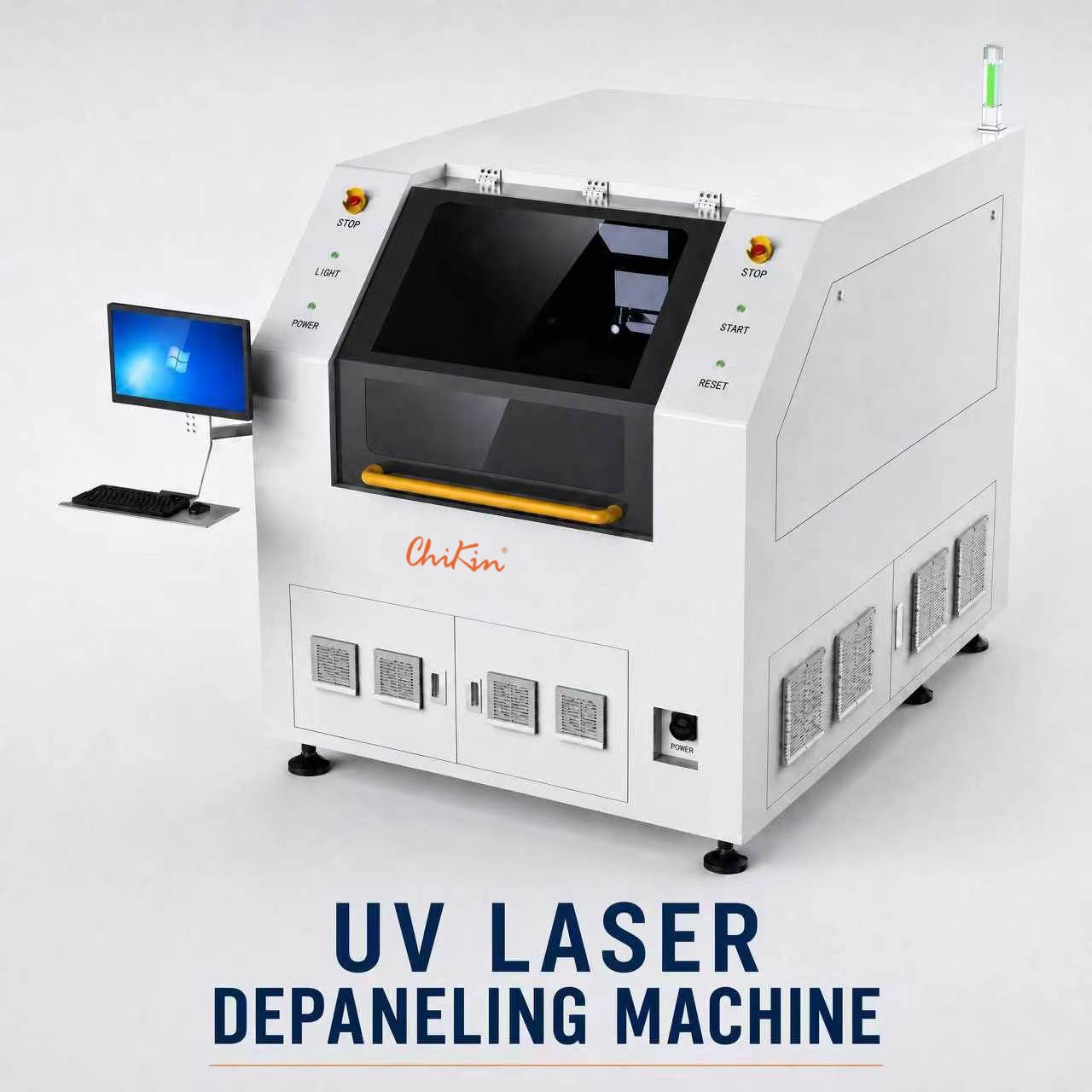
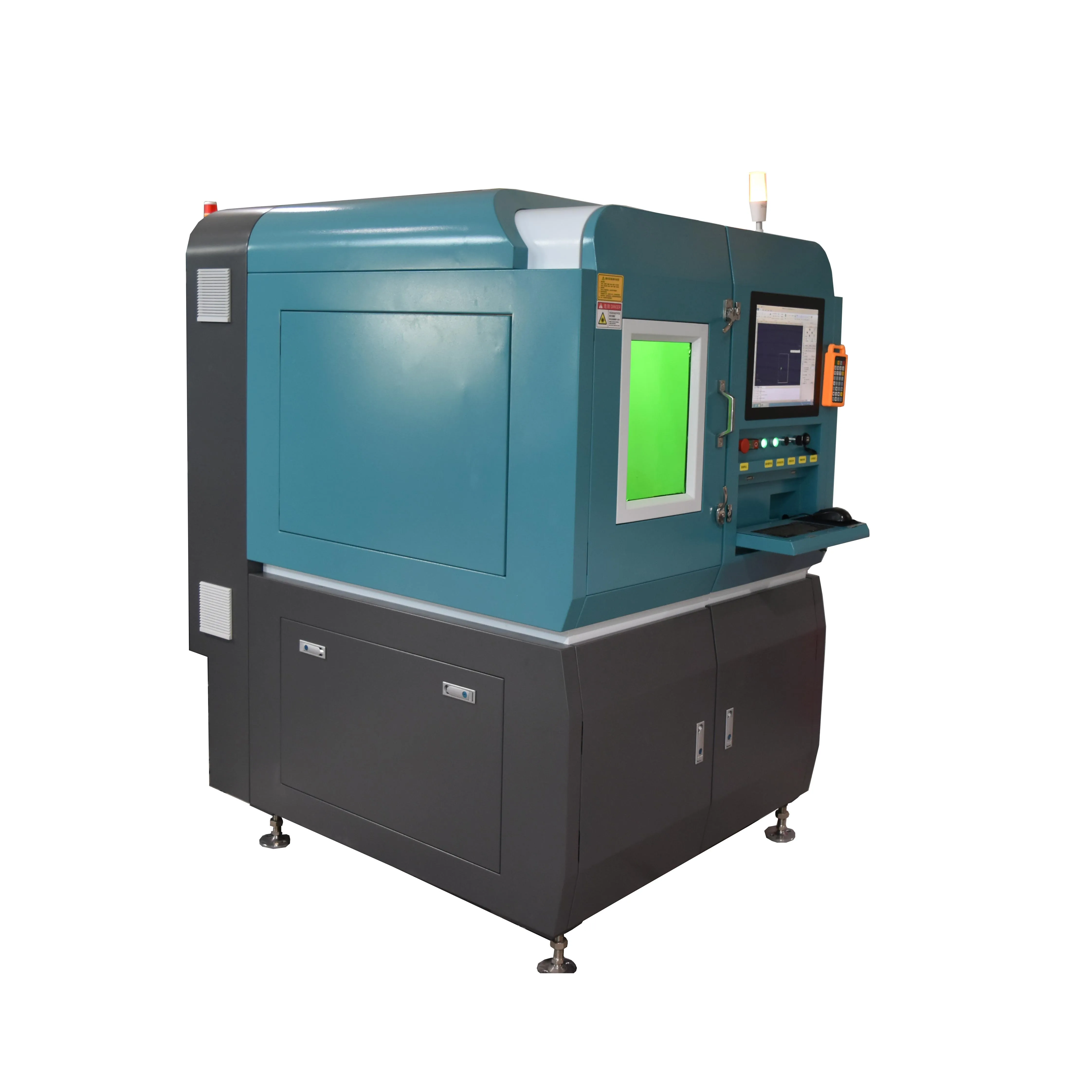
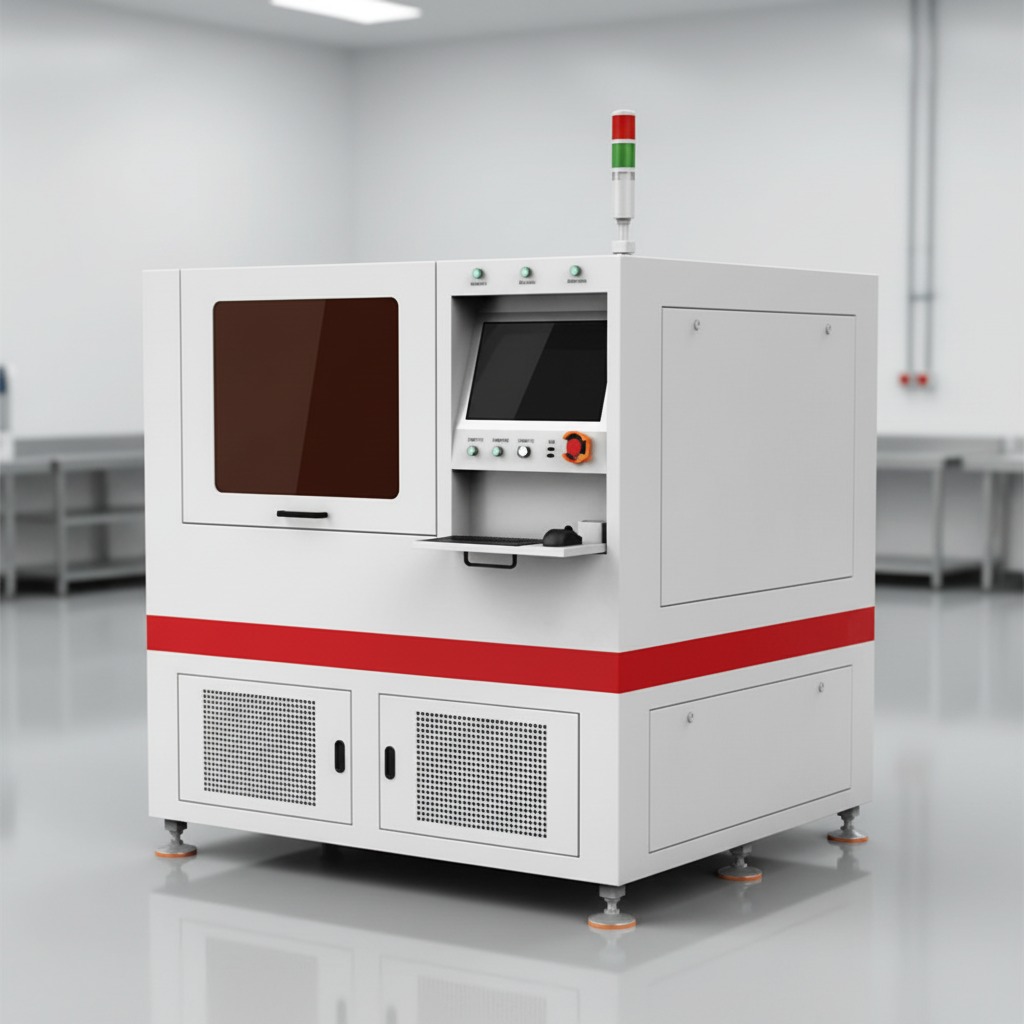
In flexible electronics production, repeatability matters as much as speed. A Flexible PCB UV Laser Cutting Machine is typically chosen when the part geometry is intricate, the base material is thin, or the finished edge must remain clean for downstream assembly. Compared with blade-based routing, a UV laser system is often preferred for fine contouring, micro features, and detail work on flexible substrates. The visible machine structure shown here suggests an enclosed floor-standing platform with an operator interface, viewing window, status tower light, and service access panels, which are all practical features for factory use.
Because flexible circuit board production often involves high value materials and tight process windows, buyers usually want a machine that can support careful alignment, safe enclosure, and stable operation over long shifts. This is where a UV Laser Cutting Machine for FPC can become a useful part of the line, especially for small-format parts, samples, and precision sheet processing.
Machine Specification

What This Type of Machine Is Used For
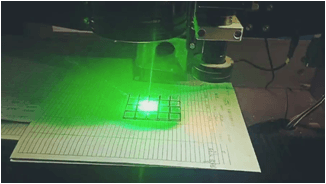
A Laser Cutting Equipment for Flexible PCB is generally selected for applications where the cut path must be precise and localized. That includes flexible circuit panel separation, contour trimming, opening windows, prototype development, and fine routing around delicate features. In some plants, the same class of machine may also be used for marking, engraving, or process demonstration on flat sheet materials, depending on the configured optics and motion system.
The visible machine and process images suggest a controlled, flat work surface with localized laser action. That makes this equipment suitable for production environments that require close inspection, exact alignment, and limited operator interference.
Key Structure and Visible Capabilities
Enclosed cabinet design
The machine uses a box-shaped industrial enclosure, which helps separate the work zone from the shop floor. For buyers, this is important because enclosed systems typically improve handling safety, reduce exposure to the process chamber, and make it easier to maintain a cleaner production area.
Operator interface and monitoring
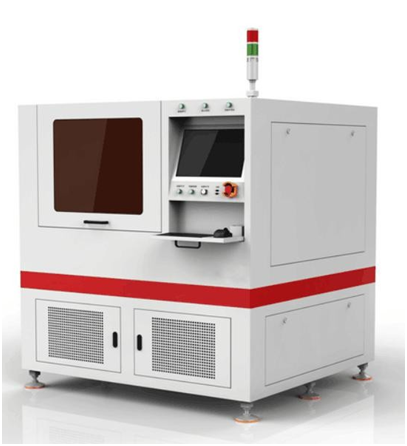
A central touchscreen/HMI, control buttons, emergency stop button, and tower light are visible. These components indicate a machine designed for routine manufacturing operation, not just lab use. Operators can monitor status quickly, while maintenance staff can access the lower cabinet through vented service doors.
Stable installation and maintenance access
The adjustable leveling feet are a practical detail. They help with floor setup and machine stability. The lower section includes ventilation grilles and access panels, which is useful for cooling, servicing, and keeping the internal systems easier to inspect.
Materials, Finish, and Workpiece Handling
The housing appears to be sheet metal with a light gray or white painted or powder-coated finish and a red accent stripe. The viewing window appears dark tinted, likely to help shield the operator from the process area. For flexible PCB work, the machine’s real value is not only in the frame, but in how it handles thin substrates without contact stress. That makes the process attractive for fragile sheets, small coupons, and layered samples where mechanical tools can leave burrs or distortion.
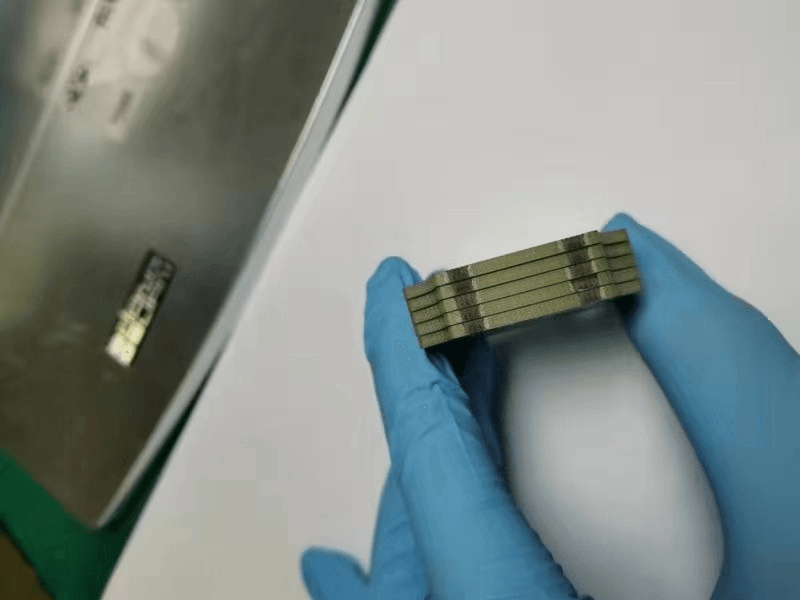
The sample imagery also shows stacked thin rectangular metal plates or sheets with straight edges and a uniform form factor. While the exact material is not identifiable, this kind of clean, stacked sample presentation is consistent with industrial testing, precision cutting, or batch preparation workflows where flat sheet parts must remain dimensionally consistent.
Manufacturing Process Considerations
When evaluating a FPC Laser Cutting Machine, buyers should focus on process control rather than marketing claims. The main questions are: how the machine supports alignment, how stable the beam delivery is, how the software handles contour data, and how well the enclosure supports repeatable operation. For flexible circuits, the process should minimize burning, charring, delamination, or edge fray. UV laser systems are often chosen because the shorter wavelength is commonly associated with fine-detail processing and reduced thermal influence compared with broader, more aggressive cutting methods. Actual results still depend on material stack-up, motion control, parameter tuning, and fixture quality.
Application Scenarios
This kind of machine fits several buyer scenarios:
Flexible PCB panelization and depaneling
Prototype cutting for new FPC designs
Small-batch production with frequent design changes
Precision routing for thin sheet-based electronics
Sample marking or fine surface processing on flat substrates
Industrial R&D labs and process validation lines
Quality Control and Production Discipline
In flexible circuit manufacturing, quality control is often about edge condition, positional consistency, and traceability. A properly configured Flexible PCB UV Laser Cutting Machine can support inspection routines by producing repeatable cut lines and clear marking zones. Buyers should also look for practical machine features such as enclosure integrity, service access, emergency stop placement, and control readability. These are not cosmetic details; they affect uptime, operator confidence, and day-to-day production behavior.
If your process relies on frequent job changeovers, control software and fixture repeatability become especially important. A machine that is easy to align and simple to monitor will usually reduce operator error and shorten setup time, even before considering cutting performance.
Customization Guidance for Buyers
Not every FPC production line needs the same configuration. When planning a UV Laser Cutting Machine for FPC, define your substrate thickness range, panel size, cut path complexity, and desired throughput first. Then review whether you need automated loading, vision alignment, special workholding, dust extraction, or a specific software format workflow. If your application also includes marking or sample verification, confirm whether the system can support those tasks without compromising cut quality.
For buyers comparing Laser Cutting Equipment for Flexible PCB options, the best choice is usually the one that matches your material stack, fixture method, and inspection standard, not simply the one with the largest advertised output.
Why This Machine Type Is Worth Considering
Mechanical routing can still work in many factories, but it is not always the best answer for fragile flexible materials. If your team is dealing with thin substrates, fine geometry, and a need for cleaner separation, a dedicated FPC UV Laser Cutting Routing Machine may offer a more controlled path forward. The enclosed design, operator controls, and process-focused layout shown here all point toward practical factory usability, which is often what matters most on the shop floor.
Request the Right Configuration
If you are evaluating a Flexible Circuit Board Laser Cutting system for production or prototyping, send your material stack details, target part outline, and panel size requirements. A well-matched configuration can help you reduce scrap, improve edge consistency, and streamline inspection. Contact us to discuss the setup that fits your FPC workflow.