




PCB Hole Testing Machine for Inline Inspection and Measurement
A PCB Hole Testing Machine helps manufacturers identify hole quality issues before they turn into assembly failures, scrap, or rework. In production, problems such as misalignment, incomplete drilling, burrs, and inconsistent hole geometry can affect plating, insertion, and downstream soldering. This type of inspection equipment is built to support faster quality checks, more consistent operator review, and better process control on the line.
Product Overview
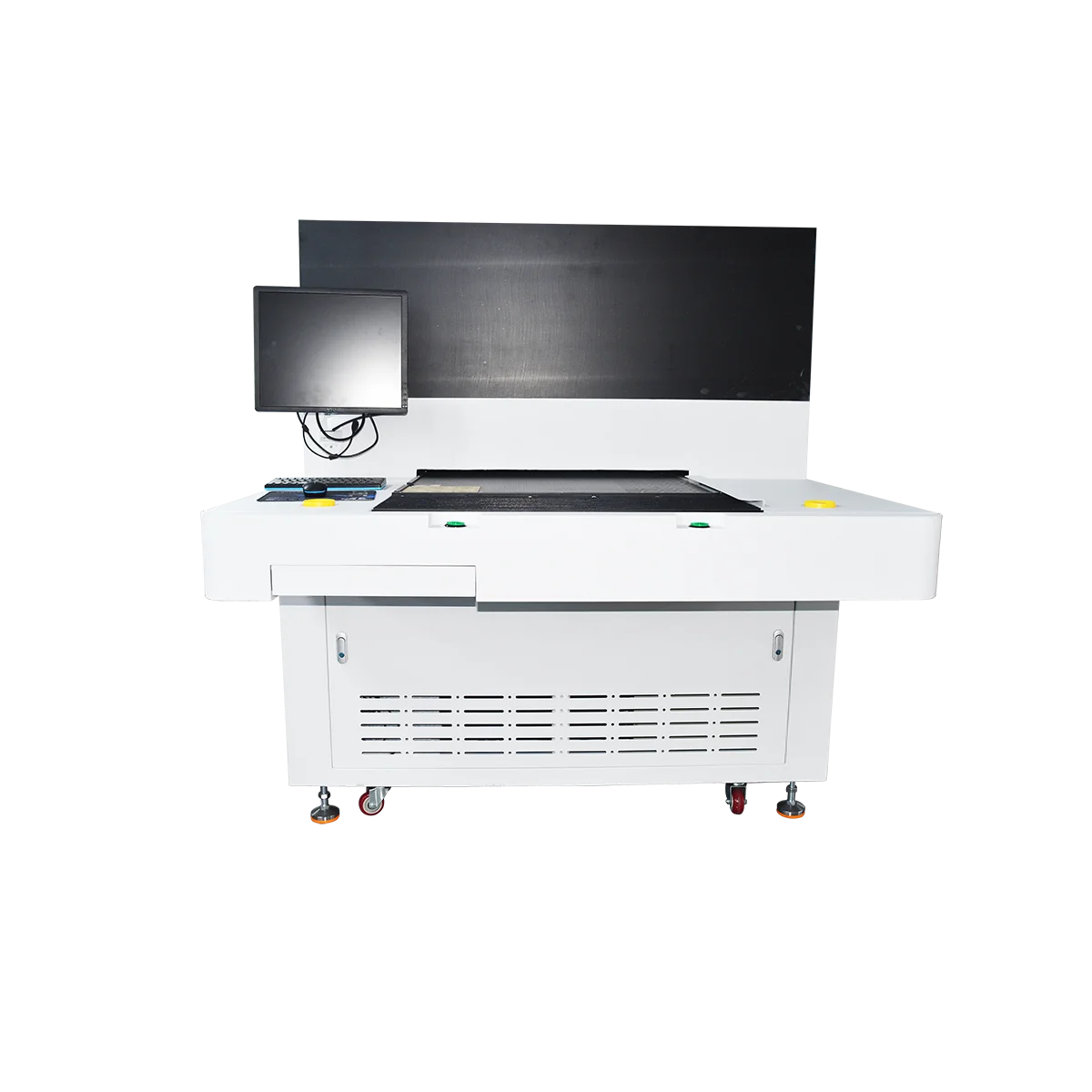
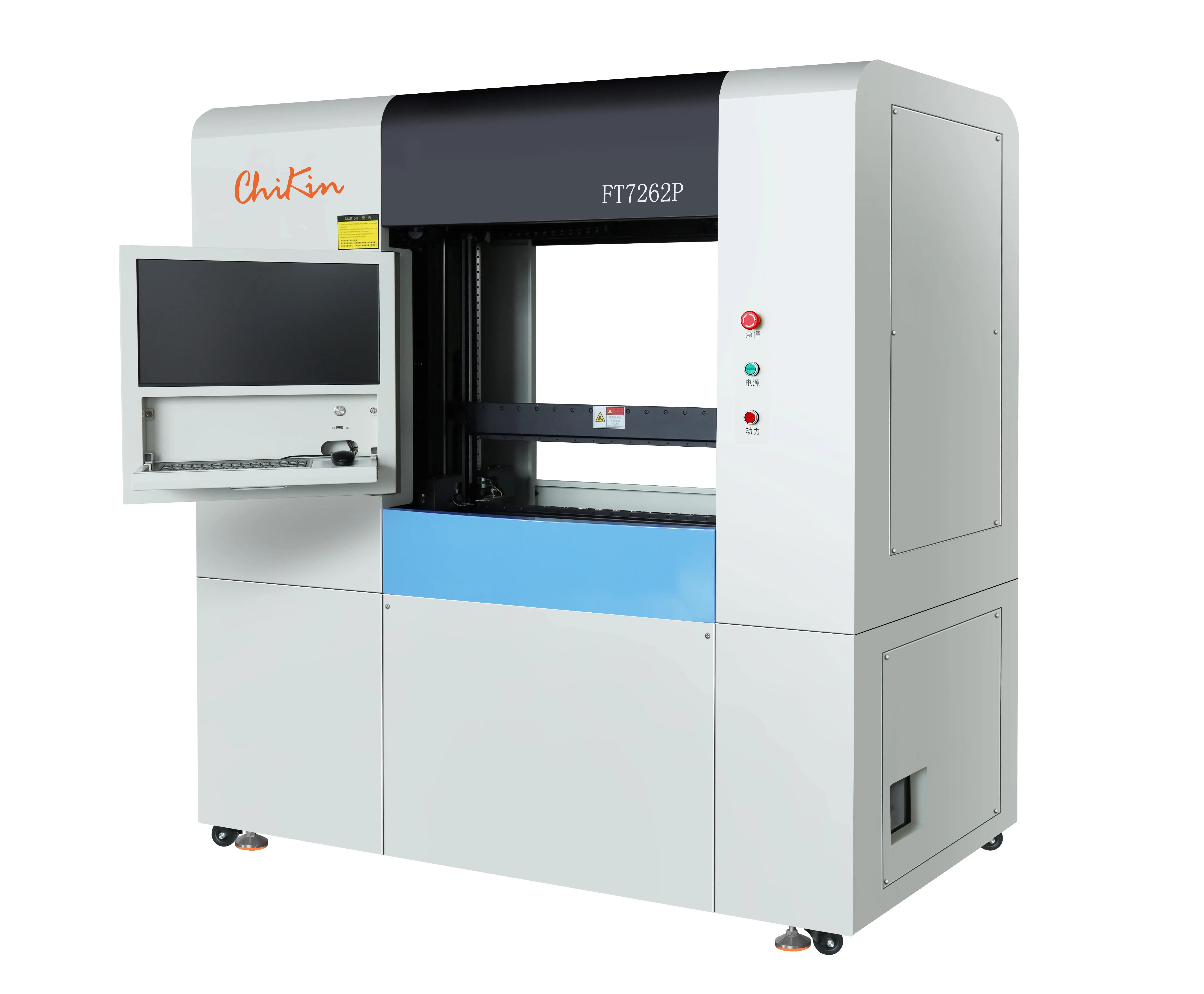
This machine is presented as an industrial inspection and measurement system with a conveyor-style transport bed, enclosed cabinet body, external monitor, and operator input devices. Based on the visible structure, it appears designed for automated or semi-automated inspection workflows in electronics manufacturing. It may be used as PCB Drilling Test Equipment or a PCB Hole Quality Tester depending on the actual inspection configuration, but the exact sensing method is not identifiable from the available information.
The machine layout suggests a practical workflow: boards or flat parts move along the roller conveyor, inspection results are reviewed on the monitor, and operators can interact with the system through keyboard and mouse. The enclosed cabinet-style structure also supports a cleaner inspection area and helps shield internal components from dust and handling interference.
Key Capabilities and Visible Features
Conveyor-style transport
The top-mounted roller conveyor provides a guided feed path for boards or panels. That format is useful for inline inspection, batch sorting, or operator-assisted review where repeatable positioning matters.
Industrial enclosure
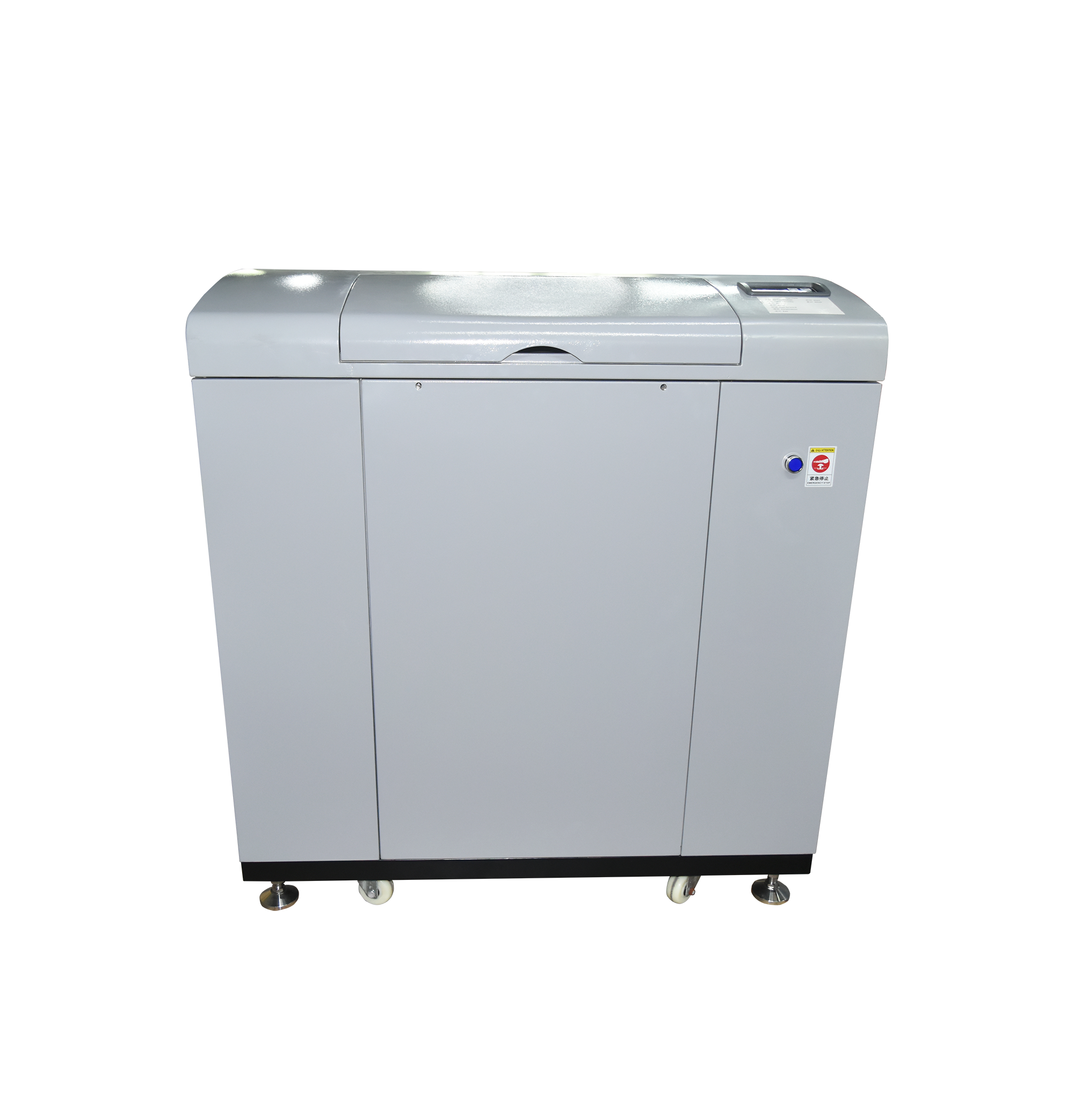
The lower light-colored cabinet and upper blue housing create a protected machine body with access doors and service openings. This style is common in factory equipment where maintenance access and operator safety both matter.
Dedicated control interface
An external display, keyboard, and mouse indicate a software-based inspection or measurement workflow. The monitor likely serves as the main point for viewing inspection images, measurement data, alarms, or pass/fail decisions.
Safety and service details
A visible emergency stop button and control panel are important practical features for production environments. The wheeled or leveled base also suggests the machine can be positioned within a workshop or inspection cell more easily than fixed bench equipment.
Materials and Finish Options
From the visible structure, the machine appears to use painted or powder-coated sheet metal for the enclosure, with a metal frame supporting the transport bed. Roller elements and control hardware may combine metal and plastic components. The blue and white industrial finish is suitable for factory use, where surface durability and easy cleaning are often more important than decorative styling.
For buyers comparing a PCB Hole Measurement Machine with other inspection systems, enclosure rigidity, corrosion resistance, cable protection, and access design should be evaluated alongside the visible finish.
Manufacturing and Inspection Workflow
Although the exact process cannot be confirmed from the image, the machine is clearly arranged for an inspection workflow rather than manual-only checking. In a typical setup, the operator loads the board, the conveyor positions it under the inspection zone, and the software or vision system analyzes hole conditions or related surface features. Results can then be reviewed on-screen for accept/reject decisions or process adjustment.
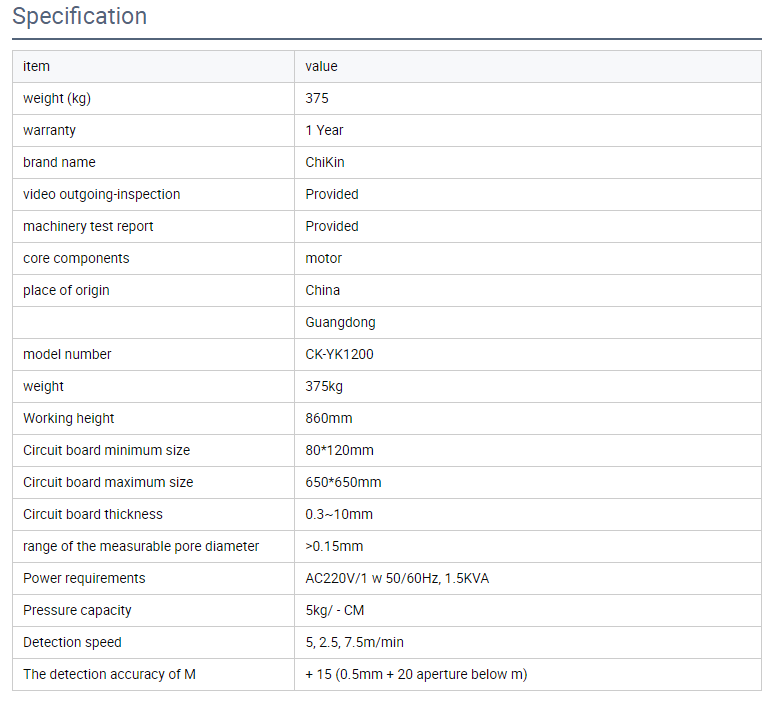
If configured as a PCB Drill Hole Tester, the equipment may support checks related to hole location, cleanliness, edge condition, or consistency across repeated production runs. Because the sensing technology is unknown, performance claims such as precision, speed, or detection depth should be confirmed with the supplier.
Application Scenarios
This type of machine is suitable for electronics manufacturing lines where flat panels, circuit boards, or similarly shaped products need controlled inspection. Common use cases may include incoming quality checks, after-drilling inspection, operator-assisted visual review, and QA sampling during production. If the machine is specifically configured for PCB inspection, it can help reduce human variation and improve repeatability in hole-related checks.
Quality Control Considerations
When evaluating PCB Drilling Test Equipment, buyers should ask how the system handles board positioning, image clarity, lighting, defect classification, and data recording. It is also important to confirm whether the machine inspects hole diameter, position, plating condition, or only visible surface defects. The image shows a professional industrial setup, but the exact measurement capabilities are not visible and should be verified before purchase.
Customization Guidance for Buyers
Before ordering, define the board size range, inspection targets, line layout, and operator workflow. Ask whether the machine can be adapted for different conveyor widths, software templates, fixtures, lighting arrangements, or interface languages. If your process requires a PCB Hole Quality Tester for a specific drilling standard, request sample inspection criteria and a clear explanation of the pass/fail logic.
Key decision factors include product type, loading method, inspection content, ease of maintenance, software usability, and how the machine fits into the production line. A good PCB Hole Measurement Machine should match the actual defect mode you need to control, not just the general board size.
Contact Us for Evaluation
If you are looking for a PCB Hole Testing Machine for inspection, measurement, or production QA, share your board samples, hole requirements, and line conditions. With the right setup, the equipment can support more consistent inspection and reduce avoidable rework in electronics manufacturing.