




Laser Plotter for PCB Photo Film Overview
A Laser Plotter for PCB Photo Film helps PCB makers produce clean, repeatable photomask film for circuit board exposure, especially when hand-drawn artwork or inconsistent output slows down prototyping. In a typical PCB workflow, the buyer needs sharp line definition, stable positioning, and a reliable way to turn digital artwork into film without the variability of manual plotting. This type of equipment is used to support that step, giving engineers and small fabrication teams a more controlled path from Gerber data to photo film.
For teams comparing a PCB laser plotter or a laser PCB film writer, the main value is consistency. Better film quality can improve registration, reduce rework, and make prototype runs more predictable. In short, it addresses the practical problem of getting accurate photo film output for PCB exposure work.
Product Overview
This equipment category is designed for film writing and pattern transfer in PCB production and prototyping environments. It is commonly used before etching or imaging steps, where the artwork must be placed onto photo-sensitive film with tight positional control. Depending on the setup, the machine may support desktop or industrial workflows and can be part of a broader PCB prototyping machine line.
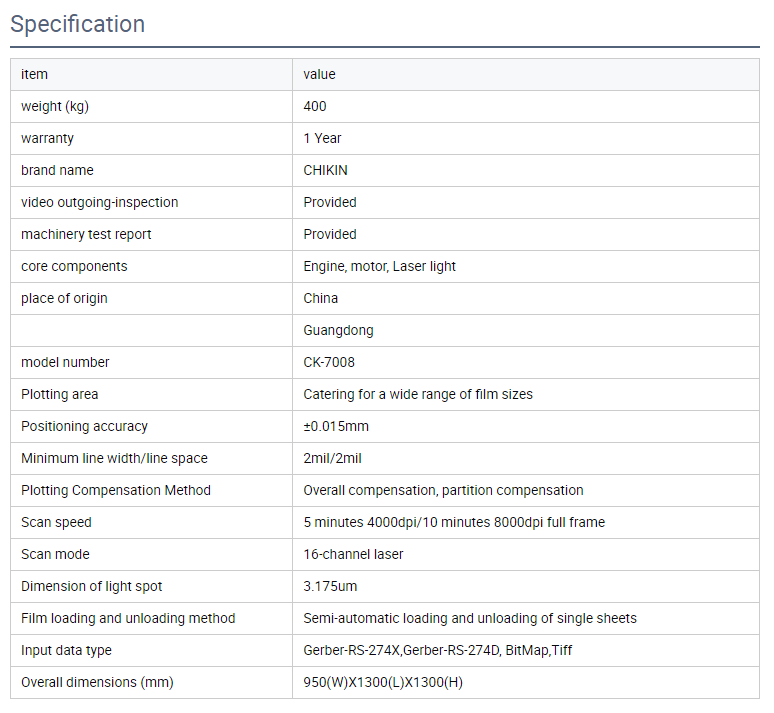
Because product details can vary by configuration, buyers should confirm the supported film size, interface method, and output resolution before purchase. The right machine choice depends on whether the goal is small-batch prototyping, lab use, or more continuous production support.
Key Capabilities to Review
Film output accuracy
For PCB photo film, the important question is whether the plotter can reproduce fine traces, pads, and alignment marks consistently. The output needs stable line placement and clear edge definition to support exposure and downstream processing.
Workflow compatibility
A good fit should align with the customer’s PCB design software and file preparation process. In practice, buyers often look for a machine that can move cleanly from artwork data to film without excessive manual correction.
Repeatability for prototyping
In prototype work, the same design may be output several times during debugging. A dependable laser plotter machine reduces variation between runs and helps engineers compare revisions more accurately.
Materials and Structural Design
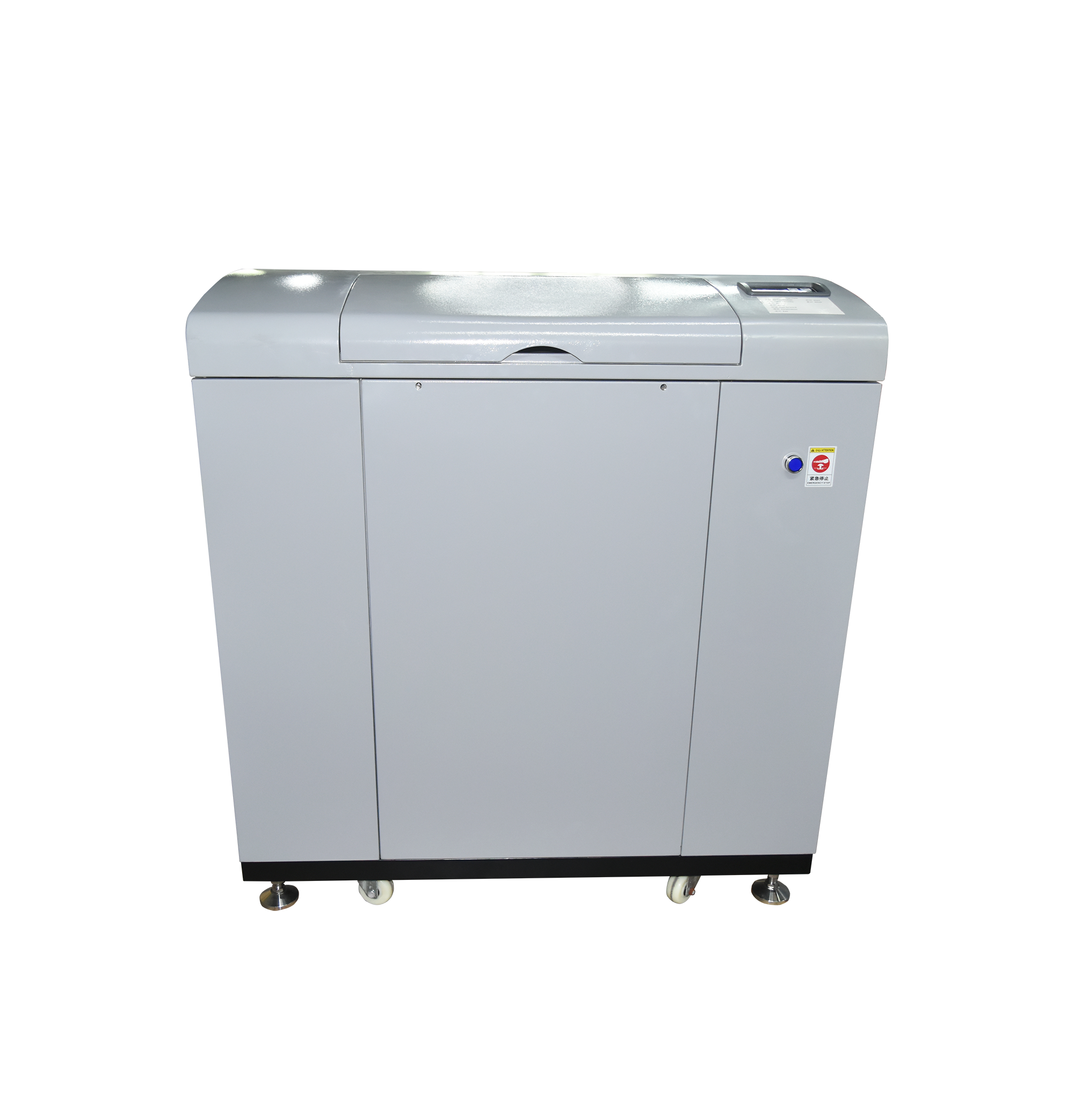
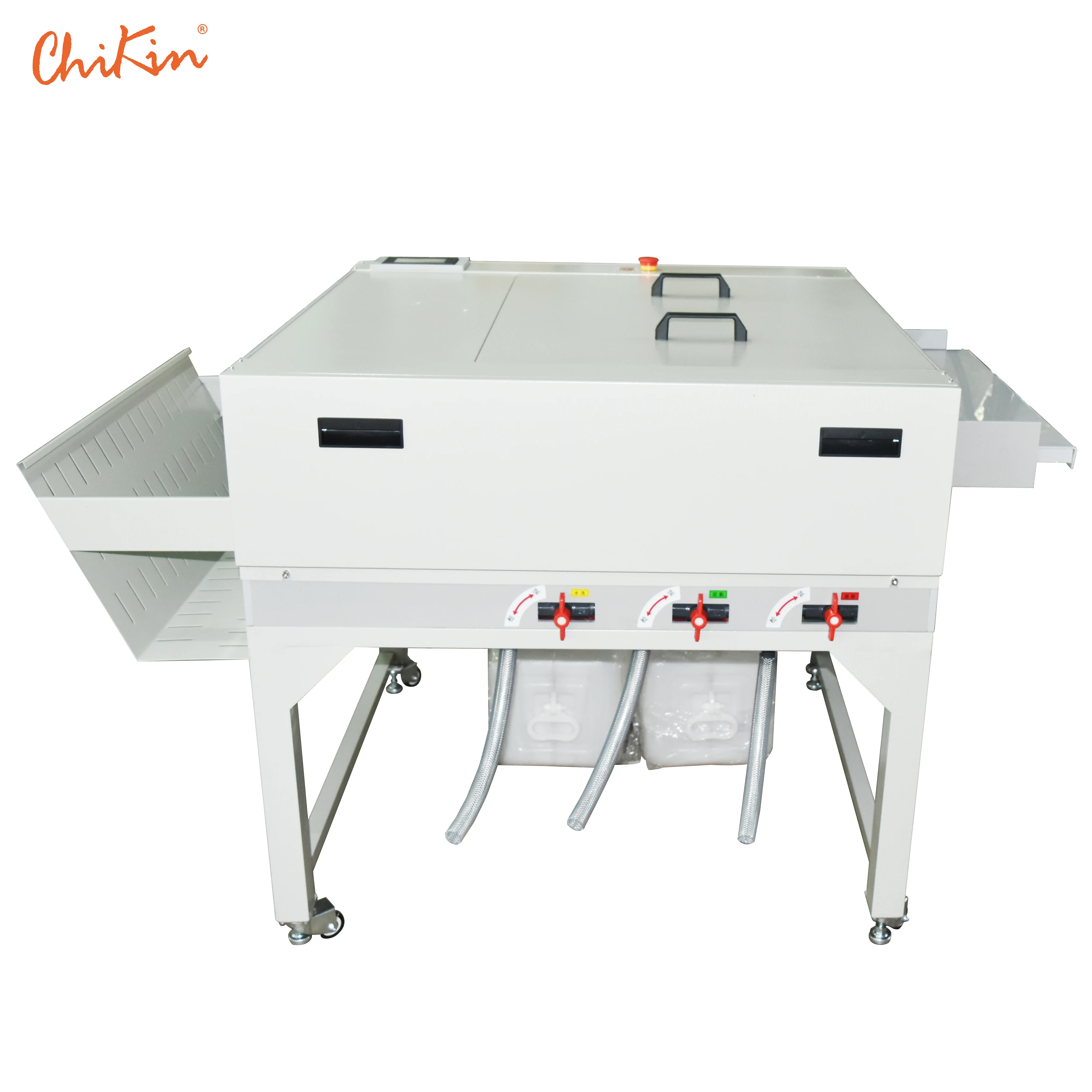
For industrial enclosures and machine housings of this type, sheet metal is commonly used, often with a painted or powder-coated finish. The visible cabinet structure in the provided product information suggests a smooth metal enclosure with a rounded top cover, front service access, and a compact freestanding form. Exact material grade and coating type are not confirmed, so those details should be verified directly with the supplier.
If the unit is intended for factory use, buyers usually value a rigid body, practical access panel design, and a surface that is easy to clean and maintain. Those characteristics help protect internal components and simplify service work.
Manufacturing Process
Based on the visible enclosure style, the likely process includes sheet-metal cutting, bending, welding or assembly, surface finishing, and hardware integration. Electrical or control hardware may then be installed inside or on the cabinet. This is a reasonable manufacturing inference for a machine enclosure, but internal construction should be confirmed in the technical drawings.
When evaluating a laser PCB film writer, the build quality of the housing matters because it supports stability, protects the optics or control system, and makes maintenance easier over time.
Application Scenarios
This product category is relevant in PCB labs, electronics R&D rooms, prototype shops, and small manufacturing lines. It can support film production for:
• single- and double-sided PCB prototypes
• small batch circuit development
• alignment film for photo imaging processes
• engineering verification before full production
Outside PCB work, the visible enclosure style also fits industrial control, equipment protection, or utility housing applications where a lockable service door and mobile base are useful.
Quality Control Considerations
Buyers should ask how the machine is checked before shipment. Useful inspection points include enclosure alignment, fastener fit, door operation, panel finish, base stability, and the condition of any controls or indicators. For a film-writing system, additional checks may include motion consistency, output clarity, and software-to-machine communication.
Because exact performance data is not supplied here, it is best to request sample output, dimensional checks, and the supplier’s standard inspection list if available.
Customization Options
If the machine is being sourced for a specific line, ask about customization for enclosure size, interface placement, service access, control layout, and mobility features. The visible cabinet includes casters and leveling feet, which suggests a design intended to be moved and then stabilized in position. That can be useful in lab or maintenance environments where floor layout changes over time.
For PCB production buyers, the most important customization topics are usually film format, software compatibility, plot area, and whether the system is optimized for a particular workflow.
Buyer Decision Factors
Before placing an order, compare the following:
• required film size and output format
• trace detail needed for the PCB design class
• compatibility with your current software and file types
• enclosure access for service and cleaning
• mobility and floor placement requirements
• supplier support for setup and operation
If your operation needs a dependable laser plotter machine for photo film output, focus on repeatability, serviceability, and fit with your existing PCB process rather than headline claims alone.
Request a Quote or Technical Check
If you are comparing a Laser Plotter for PCB Photo Film for prototyping or production support, send your required film size, artwork format, and expected workflow. A clear specification review helps match the right PCB laser plotter configuration to your process and avoids compatibility problems later.