




Film Developing Machine Overview
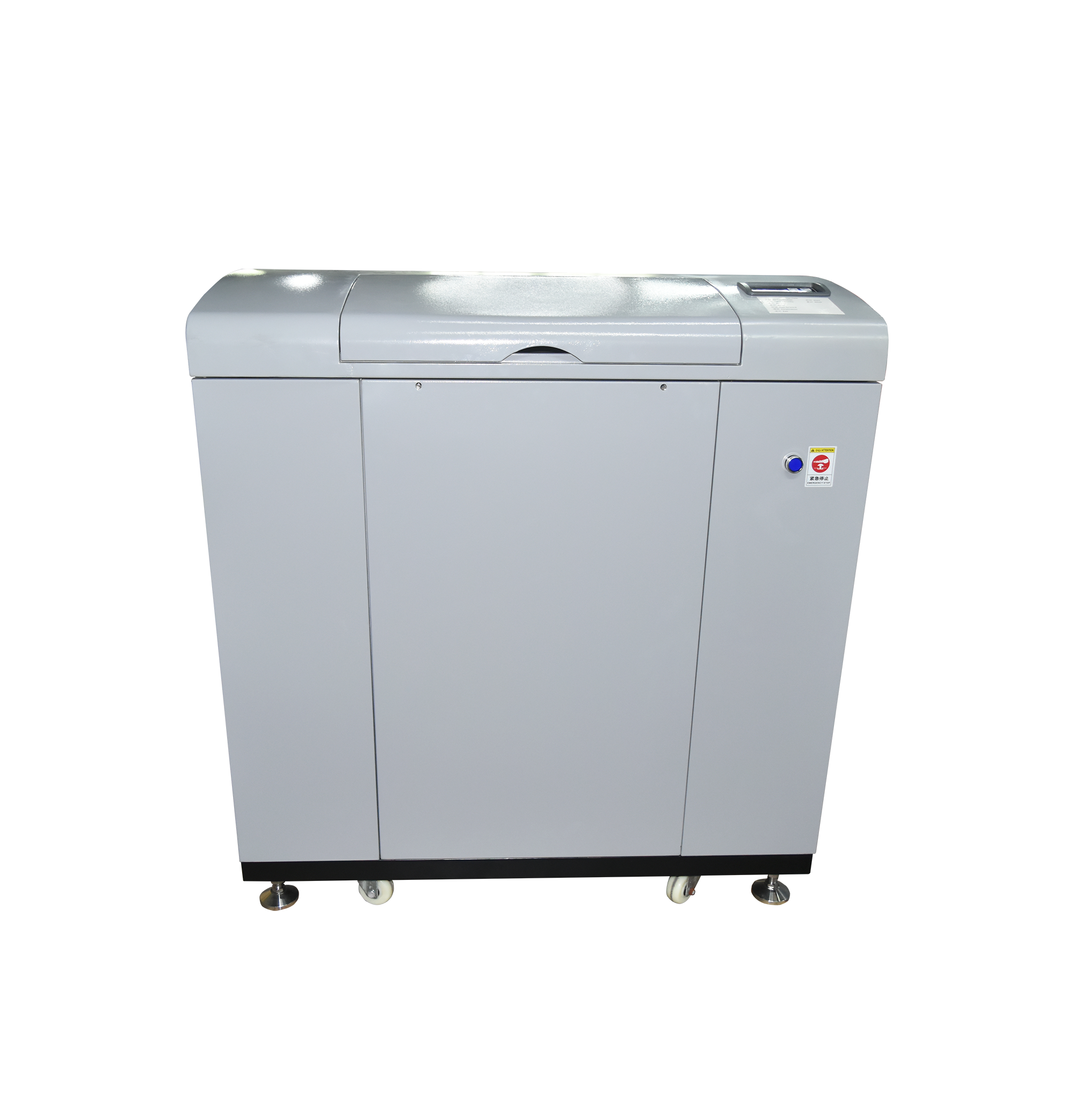
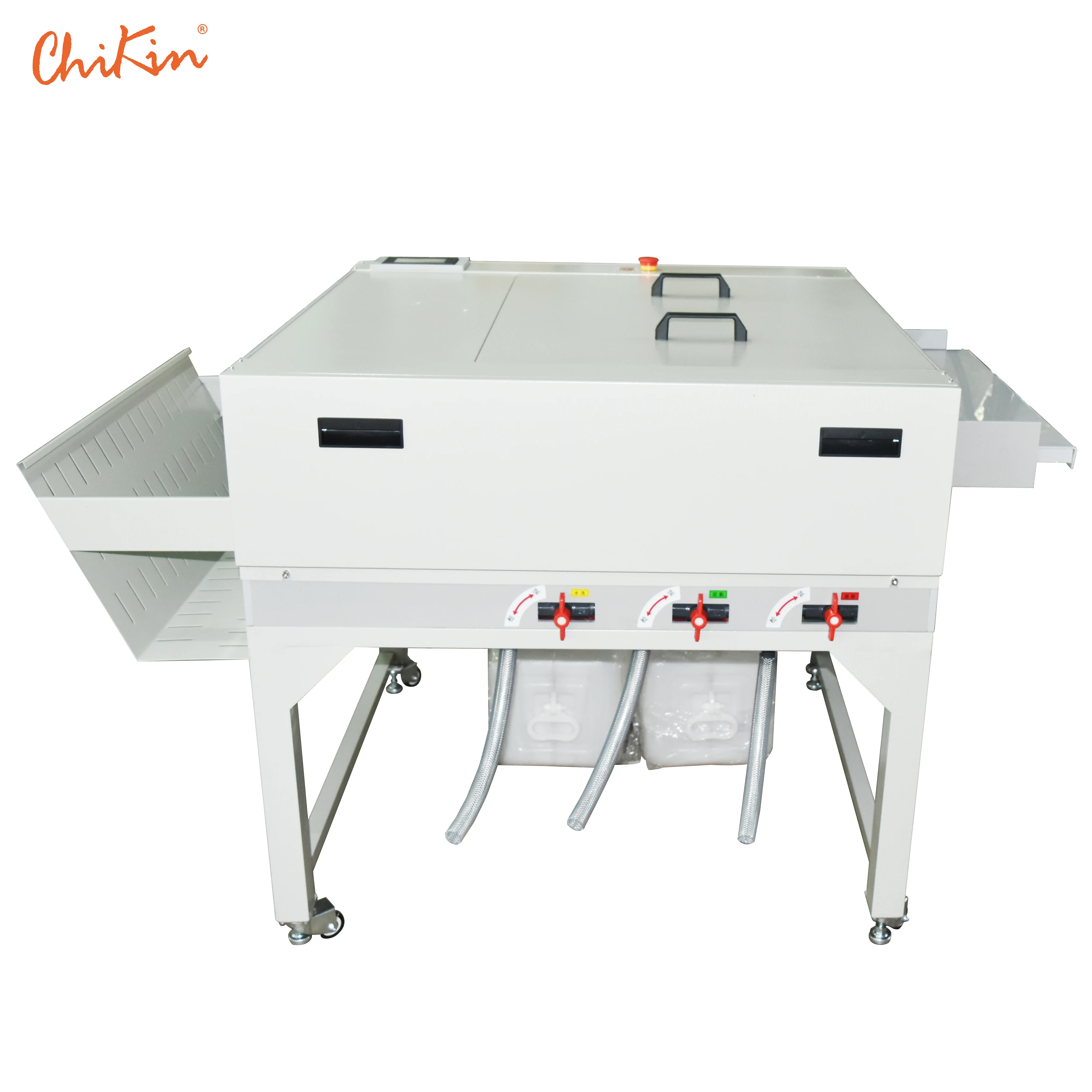
A film developing machine is used to move film through a controlled processing workflow so the material can be developed, handled, or conditioned with less manual variation. For buyers, the main problem it solves is consistency: when film or similar sensitive material must be processed in a repeatable way, a dedicated machine helps reduce uneven results, handling damage, and workflow bottlenecks. Based on the visible equipment style provided, this unit appears to be an enclosed industrial cabinet with a wheeled base, side ventilation, a control area, and a front tray or drawer assembly. The exact function should be verified before purchase, but the form factor suggests a compact production-line or workshop processing station.
Product Reference and Visible Construction
This machine has a boxy sheet-metal enclosure in a light gray painted finish. The cabinet is mounted on casters, which makes repositioning easier in a production room or lab-adjacent workspace. Black carry handles on the top edge support manual movement during setup or maintenance. The side panels include ventilation openings, and a small fan is visible, indicating powered airflow or thermal management. The front area includes an outfeed-style tray or drawer mechanism, plus a control/display section and an indicator light.
From a product-selection viewpoint, these details matter because they suggest an enclosed process chamber rather than an open bench setup. That usually helps protect the working environment, improves operator safety around internal moving parts or heat, and creates a cleaner path for controlled processing.
Key Capabilities and Practical Features
Enclosed cabinet design
The closed body helps isolate the internal process from dust and accidental contact. In a film processing environment, enclosure design is often important for keeping material handling orderly and protecting sensitive surfaces.
Mobility and service access
Casters and side access panels make the unit easier to place, inspect, and maintain. This is useful in facilities where equipment layout changes or where cleaning access is part of normal operations.
Controlled airflow or thermal function
The vent slots and fan suggest that the machine relies on airflow, heating, cooling, or a similar internal conditioning process. Because the exact operating method is not supplied, buyers should confirm whether the system is intended for drying, warming, curing, holding, or another film-related step.
Materials and Finish Options
The visible construction appears to use formed sheet metal with an internal frame, likely finished with paint or powder coating. That type of finish is common in industrial equipment because it supports regular cleaning and gives the cabinet a durable surface for workshop use. If your line requires a specific corrosion resistance level, chemical exposure tolerance, or cleanroom-compatible finish, those details should be requested from the manufacturer directly.
Manufacturing and Process Considerations
For a machine in this category, the core manufacturing logic usually includes fabricated metal panels, a welded or bolted frame, electrical controls, ventilation hardware, and a serviceable front loading area. Buyers should verify how film or parts are introduced, how the internal chamber is sealed, and whether the process is batch-based or semi-continuous. If the cabinet is used as a film processing machine, the material path and operator touchpoints become especially important for repeatability.
Application Scenarios
Possible uses include small-batch industrial drying, warming, curing, or temporary holding of parts and materials in factory, workshop, or lab-adjacent environments. The unit may also fit production support tasks where sensitive items need a protected enclosure and stable airflow. If your search term is specifically a PCB Automatic Film Plating Machine or Automatic PCB Plating Equipment, this enclosure may not match that function; the visible photos do not confirm plating hardware, chemical tanks, or automated transport. Verify the actual process before comparing it to PCB lines.
Quality Control and Buyer Checks
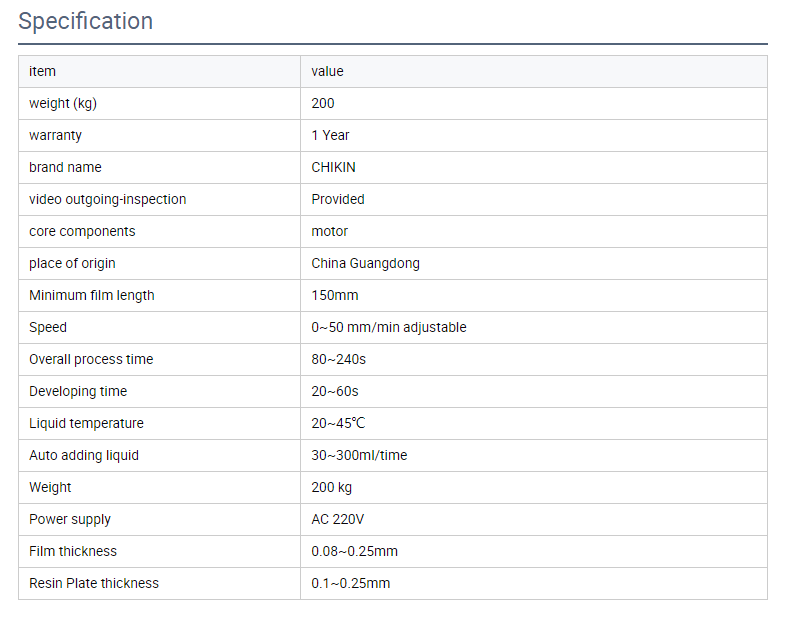
When evaluating a film developing machine, confirm the following before ordering: internal chamber size, process temperature range if applicable, airflow direction, loading method, electrical requirements, maintenance access, and compatibility with your film or substrate type. Ask for drawings, wiring details, and a process description. If the machine is part of a larger line, check how it interfaces with upstream and downstream handling.
Customization Guidance
Customization often centers on cabinet size, control layout, tray configuration, venting, door or drawer design, indicator options, and mobility features. If you need a film processing machine for a fixed workstation, a non-caster base may be preferable. If the machine must move between stations, casters and handles are useful. For sensitive materials, request clarification on internal surfaces, airflow path, and any optional temperature control features.
Contact for Technical Confirmation
If you are comparing this unit against other photographic film developing equipment or an industrial process cabinet, request the exact machine definition, function, and operating parameters before purchase. Share your target material, throughput, and installation space so the supplier can confirm suitability and propose the right configuration.