




PCB Bare Board Testing Machine Overview
A PCB Bare Board Testing Machine helps manufacturers catch open circuits, shorts, and layout defects before a bare board moves into assembly. In PCB production, even a small hidden fault can lead to wasted components, delayed shipments, and costly rework. A reliable PCB testing equipment setup supports early inspection, improves process control, and gives operators a faster way to verify board quality at production speed.
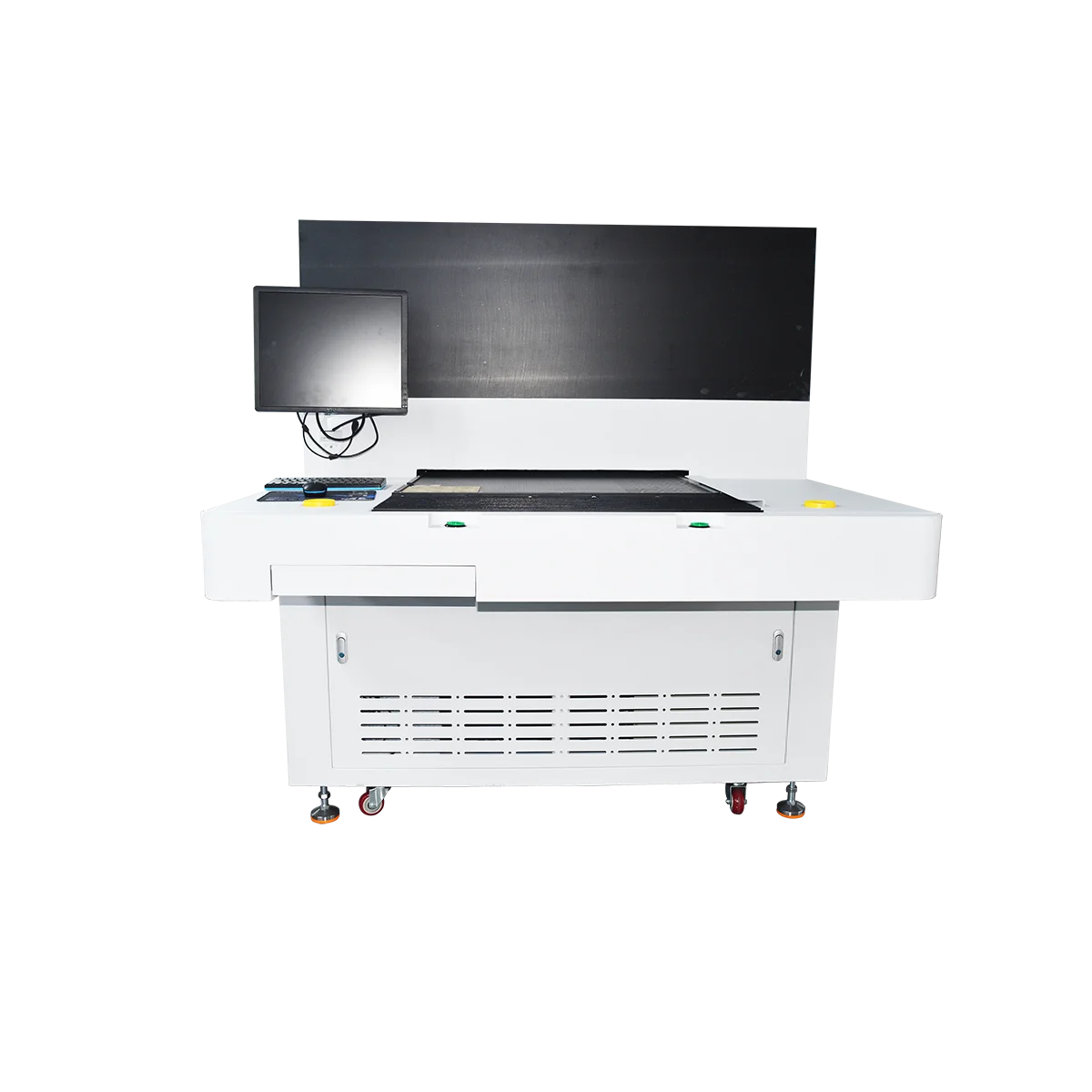
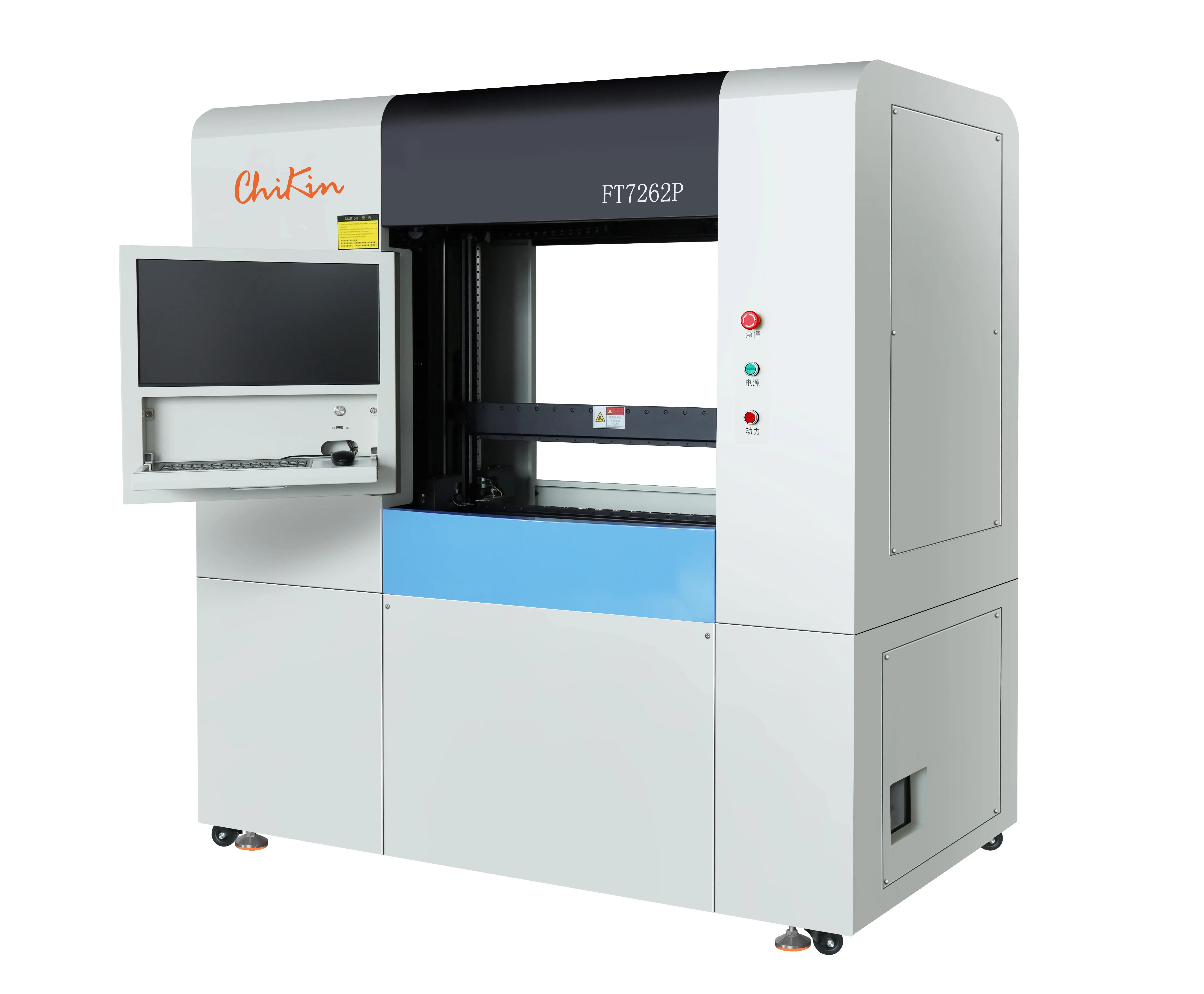
The machine shown is a floor-standing, computer-controlled industrial tester with an enclosed test head, a rigid frame, and a cabinet-style base. Based on the visible structure, it appears designed for controlled loading, inspection, or board verification in a production or lab environment. Some exact testing functions cannot be confirmed from the image, so the description below stays focused on what is visibly clear and on general industry use cases.
Product Structure and Visible Features
This bare board tester uses a heavy-duty metal cabinet with a light gray painted finish. The upper section forms an enclosed test area, while the center frame leaves room for specimen placement or fixture setup. A computer monitor is mounted for control and data display, which is typical of computer-assisted inspection systems. Front indicators and buttons are also visible, suggesting local operation and status monitoring at the machine.
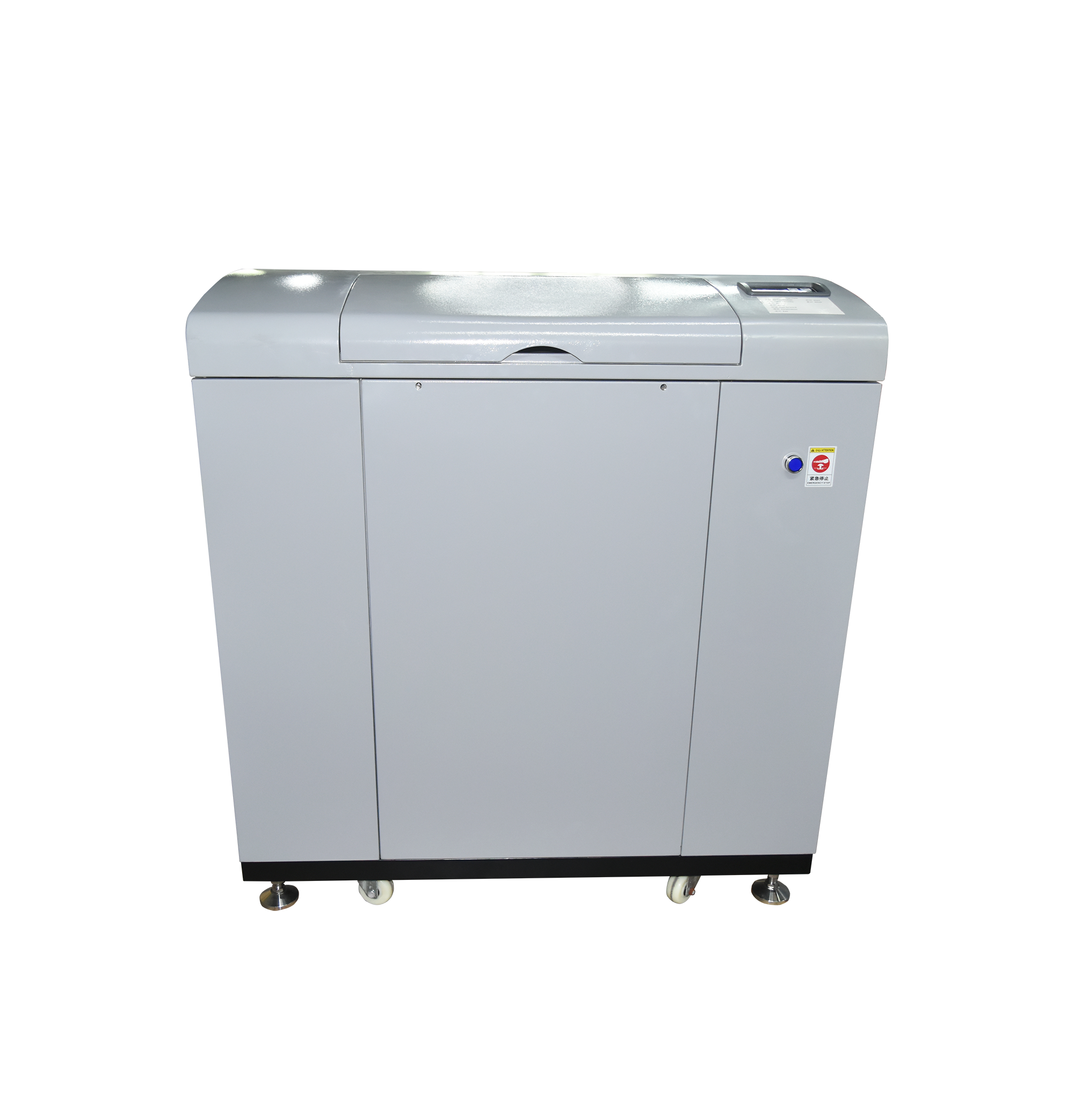
The lower base includes access doors for internal components, likely for electronics, drives, wiring, or service access. Leveling feet and at least one caster wheel make positioning easier in a workshop or production floor. That combination of enclosure, frame rigidity, and mobility is useful when a machine must stay stable during operation but still be moved for maintenance or line changes.
What a Bare Board Tester Is Used For
A printed circuit board tester is generally used to check whether a PCB has the correct electrical connectivity before assembly. In bare board workflows, the goal is to identify faults as early as possible, when the board is still easier to correct or reject. This reduces downstream loss and supports cleaner production records.
Typical buyer problems include unexplained yield loss, intermittent quality complaints, and inconsistency between batches. A dedicated testing station helps standardize inspection steps, improve traceability, and reduce dependence on manual checks alone.
Key Capabilities Buyers Usually Look For
Computer-Controlled Operation
The visible monitor and control interface suggest software-based operation. In a PCB testing environment, that usually means test parameters, result display, and inspection records can be managed from a screen instead of relying only on mechanical controls.
Enclosed Safety-Style Housing
The surrounding enclosure around the test area helps define the working zone and can improve operator safety and process consistency. For production environments, a controlled enclosure also makes it easier to integrate fixtures and keep the test area organized.
Rigid Floor-Standing Frame
A stable frame matters when repeatability is important. Whether the machine is used for board verification, fixture-driven contact testing, or other inspection routines, structural stiffness supports more consistent positioning.
Materials and Finish
The visible body appears to be made from sheet metal panels and metal support members, finished with a smooth industrial coating. That type of finish is common in factory equipment because it resists wear better than untreated surfaces and is easier to wipe down during routine maintenance. Cabinet doors and housing panels also suggest service-friendly access to internal parts.
Manufacturing and Integration Considerations
Equipment like this is usually built around a welded or bolted steel frame, formed sheet-metal covers, electrical control panels, and a fixture area matched to the board or sample being tested. In real production use, the fixture design matters as much as the machine body. Buyers should confirm how the board will be held, how electrical contact is made, and whether the machine can fit the panel size and routing pattern used in their line.
Application Scenarios
This type of PCB Bare Board Testing Machine is commonly relevant in QC rooms, incoming inspection stations, prototype validation, and production verification areas. It can also be part of supplier audit workflows where boards must be checked before they are released for assembly. In broader industrial terms, the same platform style may be adapted for other component or material tests, though the exact method for this unit is not confirmed from the image.
Quality Control and Buyer Decision Factors
When comparing PCB testing equipment, buyers should focus on several practical points: the test method, fixture compatibility, control software, operator workflow, maintenance access, and how results are recorded. It is also worth checking whether the machine can be integrated into an existing line layout and whether the enclosure allows safe, efficient board loading.
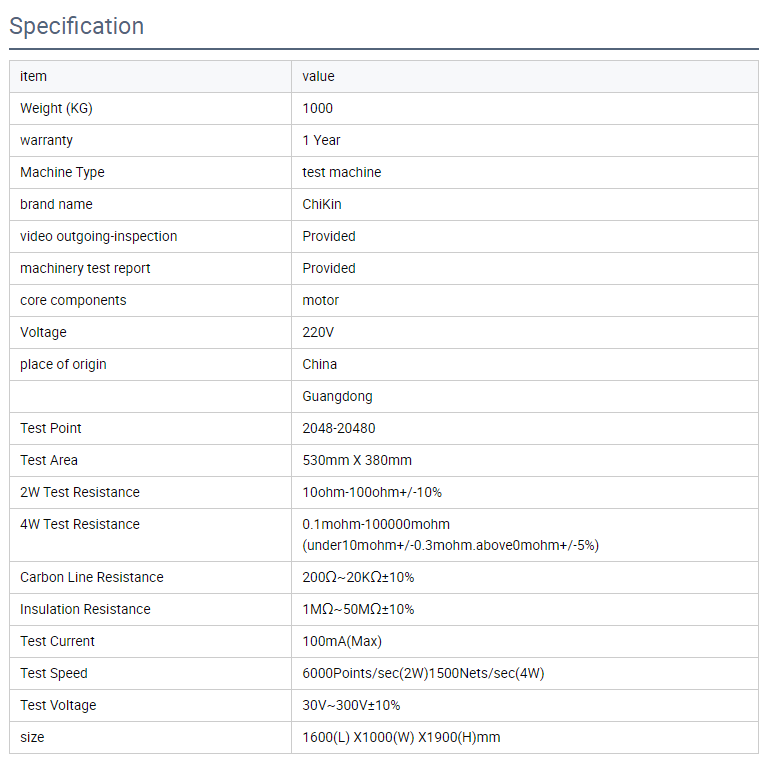
If your process needs a bare board tester for consistent inspection, ask for clear confirmation of board size limits, electrical test method, speed, and software functions. Because the image does not verify exact specifications, those details should be confirmed directly before purchase.
Customization and Procurement Guidance
For many factories, the best solution is a customized printed circuit board tester matched to the board dimensions, connector pattern, and inspection flow. Buyers may need fixture changes, software language options, interface adjustments, or cabinet revisions for line integration. It is also useful to request drawings, sample test procedures, and a list of consumable or service parts before finalizing the order.
Contact for More Details
If you are evaluating a PCB Bare Board Testing Machine for production or laboratory use, share your board size, inspection target, and workflow requirements so the machine can be matched more accurately. A clear technical request will help confirm whether this platform fits your testing task and what customization is needed.