

EarthShipping to 50+ Countries
Phone-callSales EngineerWhatsAPP: +86 13925242351 mike.wu@chikincnc.com
YoutubeFacebookInstagramPinterestLinkedIn
Distributor Login

The Ultimate Guide to PCB Flying Probe Testing Machine (FPT): Boost Your PCB Manufacturing Efficiency in 2026

  • new
Posted by Shenzhen Chikin Automation Equipment Co.,Ltd. On Mar 20 2026

Introduction

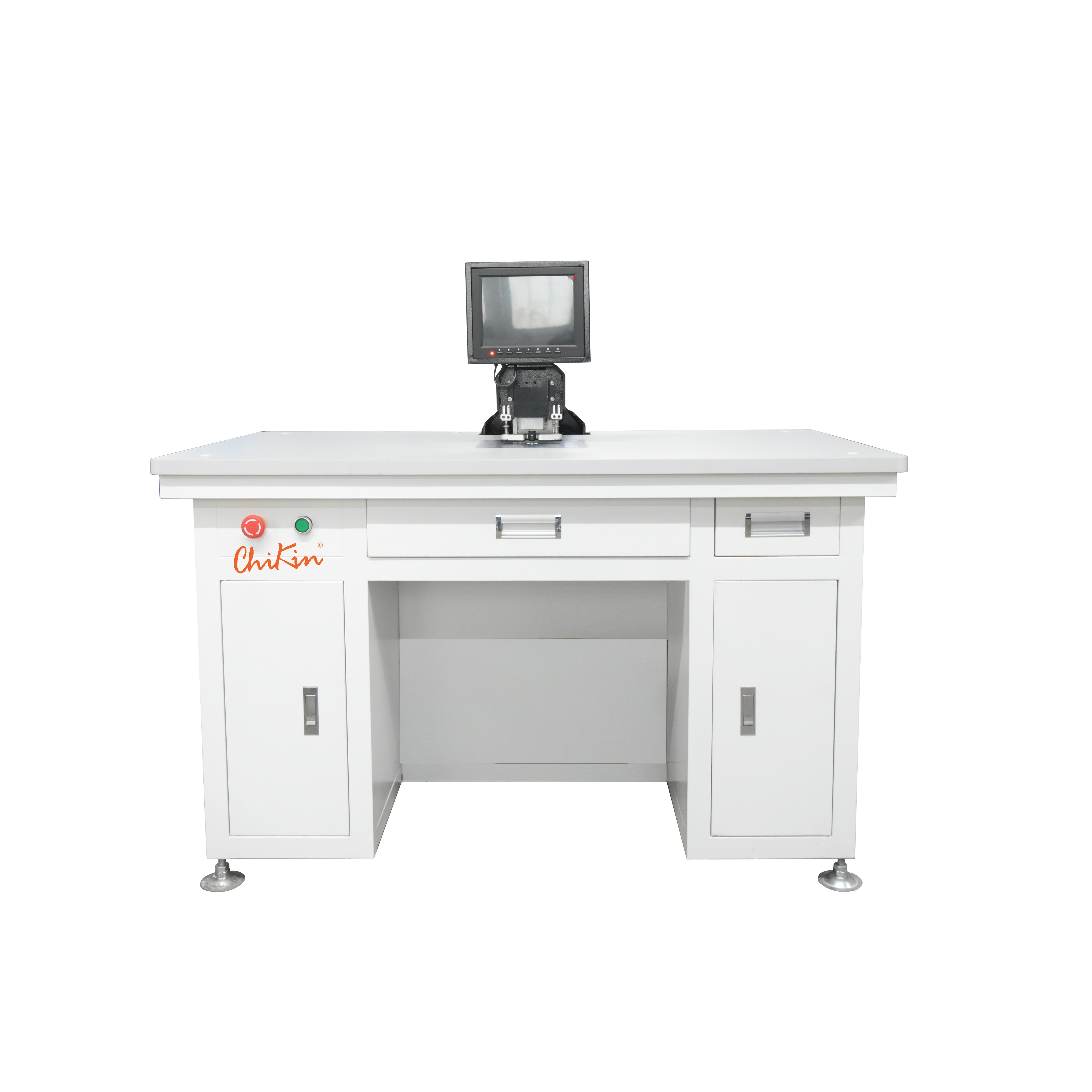
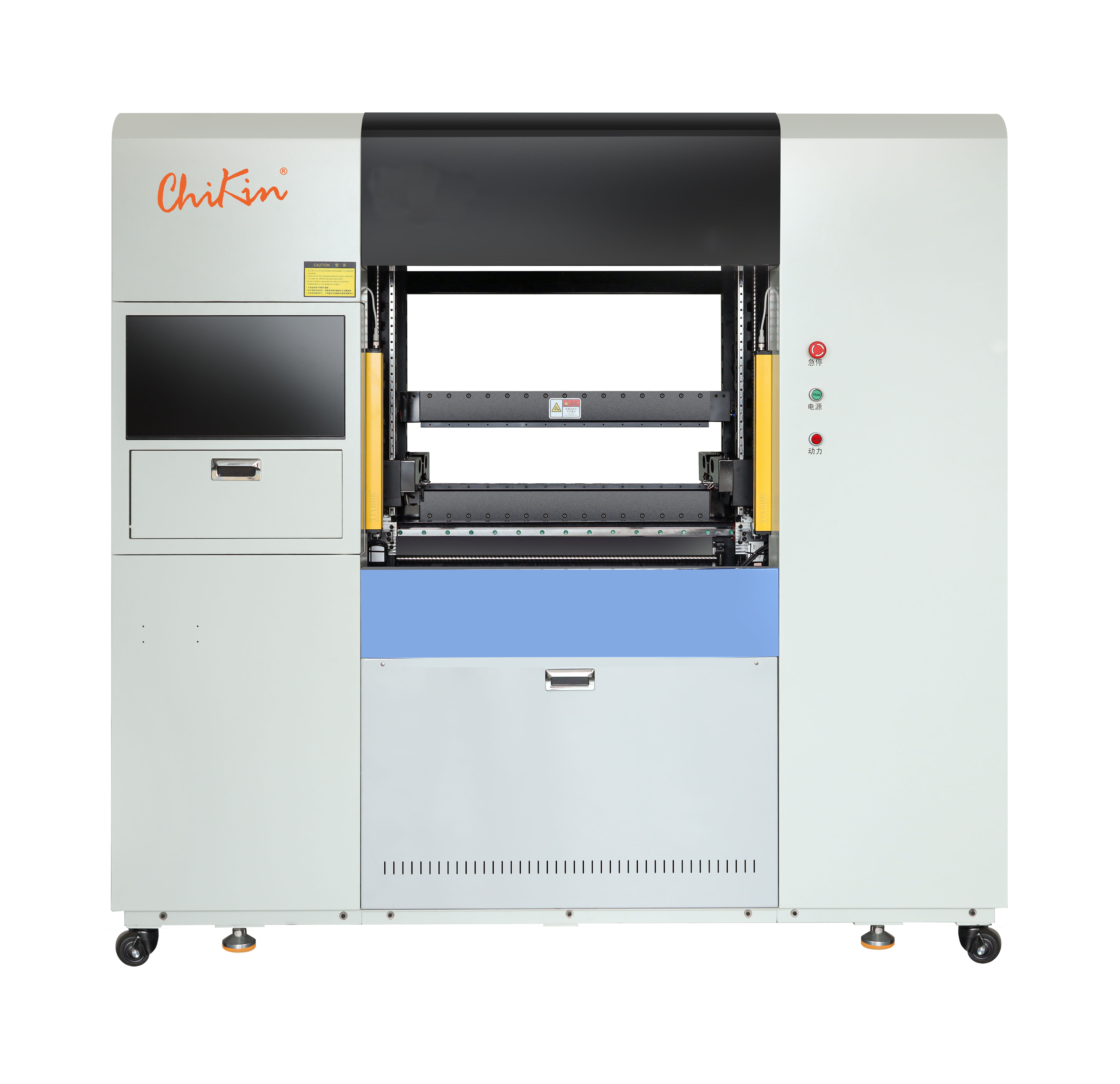
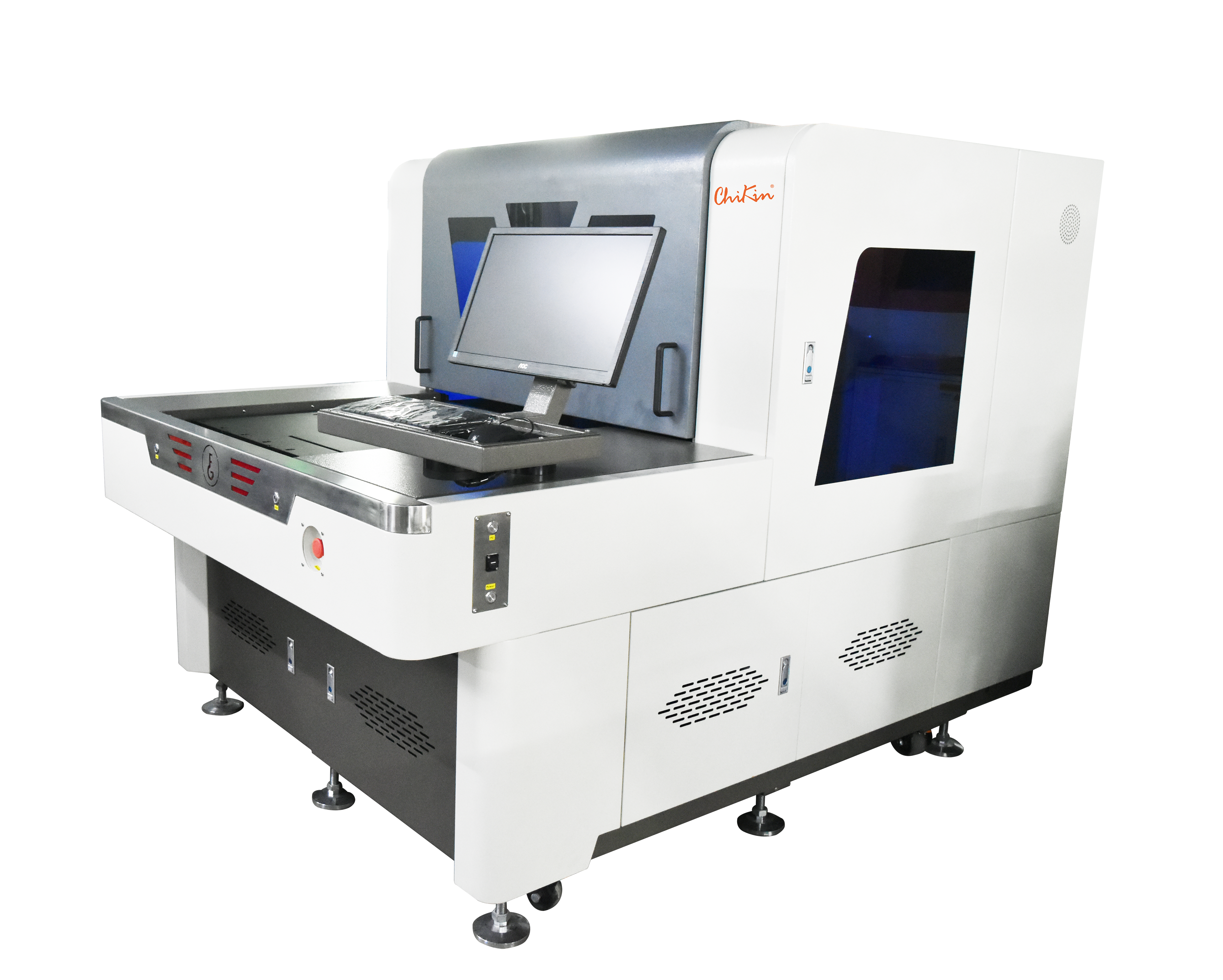
PCB Flying Probe Testing Machine (FPT).png

The PCB Flying Probe Testing Machine (FPT), also known as a flying probe tester, is revolutionizing how electronics manufacturers validate printed circuit boards. With no need for expensive bed-of-nails fixtures, FPT offers unmatched flexibility for today’s high-mix, low-volume production environments.

At Shenzhen Chikin Automation Equipment Co., Ltd., we engineer high-precision PCB Flying Probe Testing Machines that integrate seamlessly with our CNC drilling, routing, and laser cutting solutions — giving you a true one-stop PCB automation ecosystem.

What Is a PCB Flying Probe Testing Machine?

A flying probe tester uses 4–20+ movable high-precision probes that “fly” across the top and bottom of the PCB to make electrical contact with test points, component pads, and vias.

It performs comprehensive electrical tests including:

  • Open and short circuit detection
  • Resistance, capacitance, and inductance measurement
  • Diode polarity and orientation checks
  • Micro-short detection

All without any physical fixture — making it ideal for rapid prototyping and frequent design changes.

How Does Flying Probe Testing Work? (Step-by-Step)

  1. Import Design Files — Upload Gerber, ODB++, or native CAD files + BOM.
  2. Auto-Generate Test Program — Our software automatically maps every net and test point.
  3. Probe Calibration — High-resolution cameras ensure ±0.005mm landing accuracy.
  4. Execute Testing — Probes move at high speed, applying voltage/current and measuring responses in real time.
  5. Generate Report — Pass/Fail results plus detailed CPK data are exported instantly.

The entire process can be ready in just hours — not weeks.

Key Advantages of Flying Probe Tester vs Traditional ICT

Aspect Flying Probe Tester (FPT) In-Circuit Tester (ICT)
Fixture Required No Yes (expensive & long lead time)
Best For Prototypes & low-mid volume High-volume mass production
Setup Time Hours Weeks
Cost per Board (low vol) Very low High
Flexibility Excellent (design changes easy) Poor
Precision ±0.005mm (Chikin standard) Limited by fixture accuracy

Additional benefits of our PCB Flying Probe Testing Machine:

  • 40% faster test program generation than competitors
  • Supports HDI, flex, and rigid-flex PCBs
  • 24/7 reliability with Panasonic/THK components
  • 3-year precision warranty

Real-World Applications

  • New Product Introduction (NPI)
  • Medical, automotive, and aerospace PCBs
  • High-mix consumer electronics
  • Flexible circuit testing
  • Integration with our Laser Cutter L7 and CNC drilling lines for full automation

Why Choose Chikin Automation’s Flying Probe Tester?

With 20+ years of experience and 5000+ machines delivered worldwide, Chikin combines German/Japanese motion control with Chinese manufacturing efficiency. Our CCD FPT series (including FT8800 model) features:

  • Dual-side probing
  • AI-powered defect analysis
  • Seamless MES/Industry 4.0 integration
  • ROI typically under 12 months for mid-volume factories

Thousands of factories in India, Vietnam, Turkey, and Europe already trust Chikin for zero-compromise precision.

Conclusion

The PCB Flying Probe Testing Machine (FPT) is no longer optional — it’s essential for staying competitive in 2026. Whether you need rapid prototyping or reliable low-volume testing, Chikin’s flying probe tester delivers the accuracy, speed, and flexibility your production demands.

Ready to eliminate fixture costs and boost your PCB yield?

Contact us today for a free test program demo or customized quote. Or explore our full range of PCB Manufacturing Equipment including CNC routers and laser cutters.
Featured Blogs
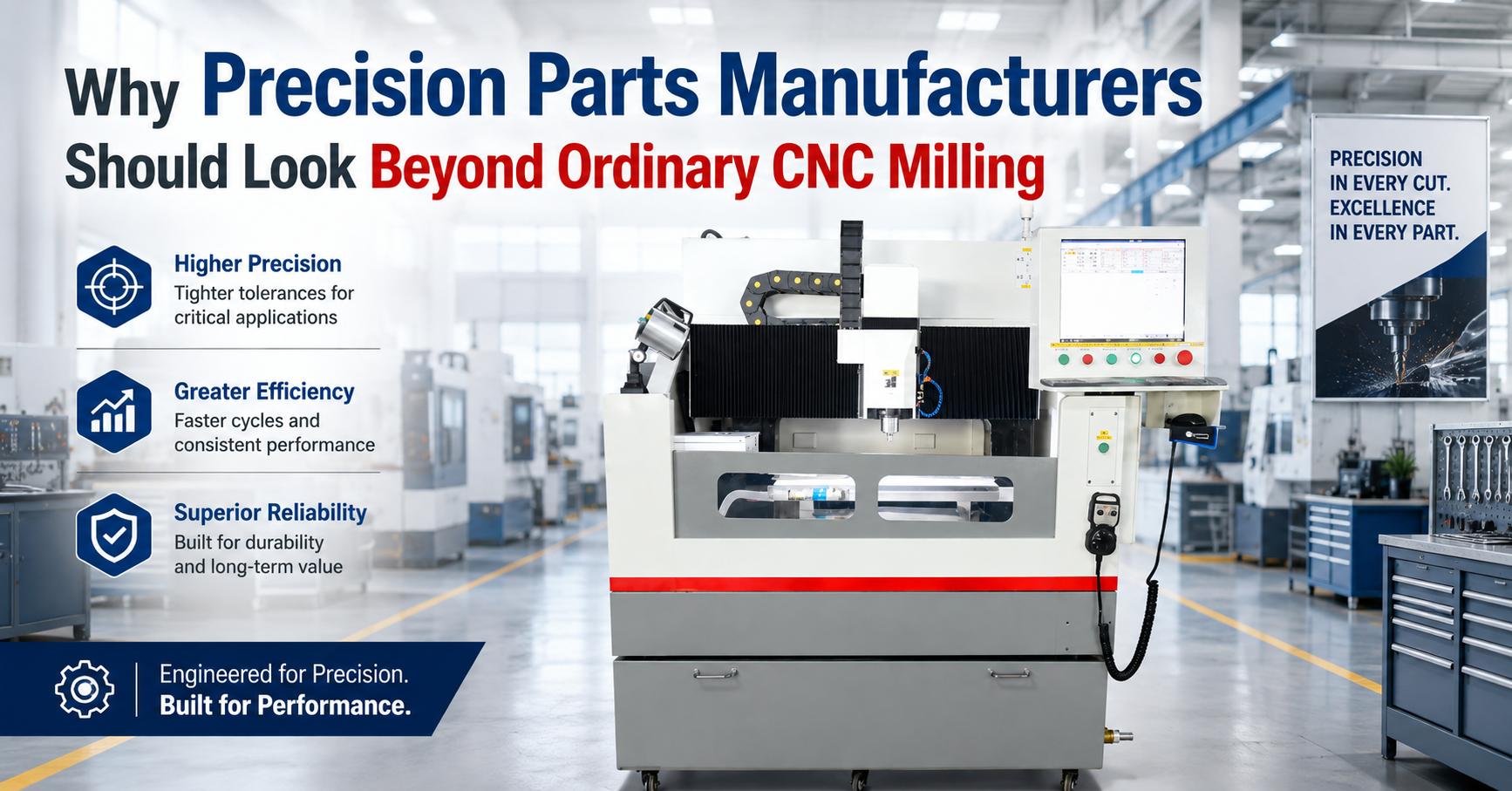
Why Precision Parts Manufacturers Should Look Beyond Ordinary CNC Milling

Why Precision Parts Manufacturers Should Look Beyond Ordinary CNC Milling

CNC milling is useful for repeatable machining, but some complex metal parts require a different process when internal corners, narrow slots, burr-free cutting, and fine contours become difficult to finish with conventional tools. This article explains how CNC milling and wire EDM work together in precision part production, what buyers should check before choosing equipment, and why the Chikin CNC wire EDM machine is better understood as a conductive metal cutting solution rather than an acrylic CNC cutting machine.

PCB Inkjet Printing Machine: Modern Legend Marking for Faster, Cleaner PCB Production in 2026

PCB Inkjet Printing Machine: Modern Legend Marking for Faster, Cleaner PCB Production in 2026

Traditional silkscreen legend printing requires screens, setup time, and generates waste ink — challenges that modern PCB Inkjet Printing Machine technology overcomes. Chikin Automation's PCB legend inkjet printer uses drop-on-demand inkjet heads to print directly onto boards with razor-sharp text, symbols, barcodes, and fiducials. It offers quick job changes, zero tooling costs, environmental benefits, and micron-level registration — ideal for factories seeking flexible, high-quality marking without compromising speed or sustainability.

PCB Punching Machine: High-Speed, Low-Stress Depaneling Solution for Mass Production in 2026

PCB Punching Machine: High-Speed, Low-Stress Depaneling Solution for Mass Production in 2026

When PCB panels need to be separated quickly and cleanly in high-volume environments, mechanical methods like routing or laser can introduce dust, stress, or slow cycles. The PCB Punching Machine from Chikin Automation offers a powerful alternative: using precision custom dies to punch out individual boards in a single stroke. This die-punching approach delivers near-instant separation with excellent edge quality, very low mechanical stress on components, and exceptional speed — making it a go-to for factories producing thousands of identical or simple-shape PCBs daily.

Automated Optical Inspection (AOI): The Game-Changer for Defect-Free PCB Manufacturing in 2026

Automated Optical Inspection (AOI): The Game-Changer for Defect-Free PCB Manufacturing in 2026

In high-stakes PCB production, even tiny defects like missing components, solder bridges, or misalignments can lead to costly failures downstream. Automated Optical Inspection (AOI) changes that by using advanced cameras and algorithms to scan boards at lightning speed, spotting issues humans often miss. Chikin Automation's PCB AOI machine integrates seamlessly into SMT lines, delivering consistent, non-contact quality checks that slash rework, improve first-pass yield, and keep pace with demanding electronics markets — all without fatigue or subjectivity.

Unlock Higher Throughput: The 2 Spindle PCB Drilling and Routing Machine Advantage in 2026

Unlock Higher Throughput: The 2 Spindle PCB Drilling and Routing Machine Advantage in 2026

For PCB manufacturers handling mid-volume runs, the jump from single-spindle to multi-spindle equipment can feel daunting — but the 2 Spindle PCB Drilling and Routing Machine strikes the ideal balance. Chikin Automation's dual-spindle design lets two high-speed heads (typically 60,000 RPM+) work in parallel on the same panel or batch, cutting cycle times nearly in half while keeping exceptional ±0.02mm accuracy and tool optimization. No overkill complexity of 4+ heads, yet far superior to single-spindle bottlenecks — perfect for scaling factories without massive upfront investment.

Dual Spindle PCB Drilling and Routing Machine with CCD: The Smart Balance for Mid-Volume Efficiency in 2026

Dual Spindle PCB Drilling and Routing Machine with CCD: The Smart Balance for Mid-Volume Efficiency in 2026

Balancing speed, precision, and cost is key in mid-volume PCB production — where full multi-spindle beasts are overkill and single-head machines slow you down. Chikin Automation's 1 Drilling Spindle + 1 Routing Spindle Machine with CCD offers the perfect hybrid: a dedicated high-RPM drill head for thousands of holes per panel and a robust routing spindle for clean contours — all synchronized via advanced CCD vision for flawless alignment. This setup minimizes changeover time, maximizes uptime, and delivers consistent ±0.02mm results without the complexity of four+ heads.