



Introduction
Quality control is the final gatekeeper in PCB manufacturing, and Automated Optical Inspection (AOI) has become indispensable for modern SMT processes. Unlike manual visual checks, AOI systems use high-resolution imaging, intelligent lighting, and software analysis to inspect every inch of a board in seconds. Chikin Automation brings reliable PCB AOI technology to global factories, helping detect defects post-solder paste, post-placement, or post-reflow — ensuring boards meet strict tolerances before they reach testing or assembly stages.
With 20+ years in PCB equipment, Chikin combines precision optics with robust mechanics to offer AOI that fits mid-to-high volume lines without breaking the bank.
What Is a PCB AOI Machine and How Does It Work?
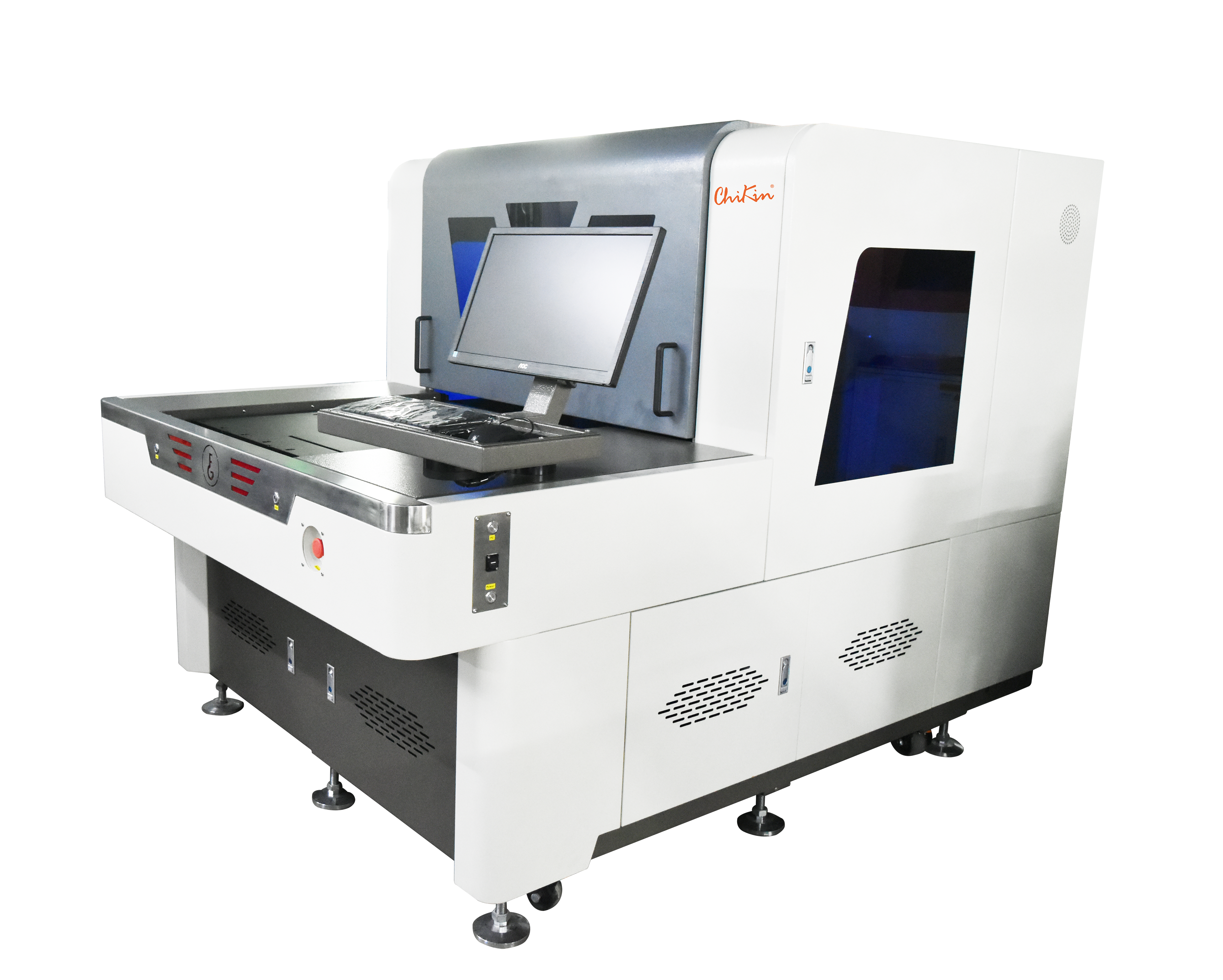
A PCB AOI machine (Automated Optical Inspection) employs multiple high-definition cameras, multi-angle LED lighting, and powerful image processing to compare the actual board against a "golden" reference or CAD data.
Key inspection stages:
- Solder Paste AOI — Checks volume, alignment, bridges, or insufficient paste.
- Pre-Reflow AOI — Verifies component placement, polarity, and offsets.
- Post-Reflow AOI — Detects soldering defects like opens, shorts, tombstoning, or insufficient fillet.
Workflow:
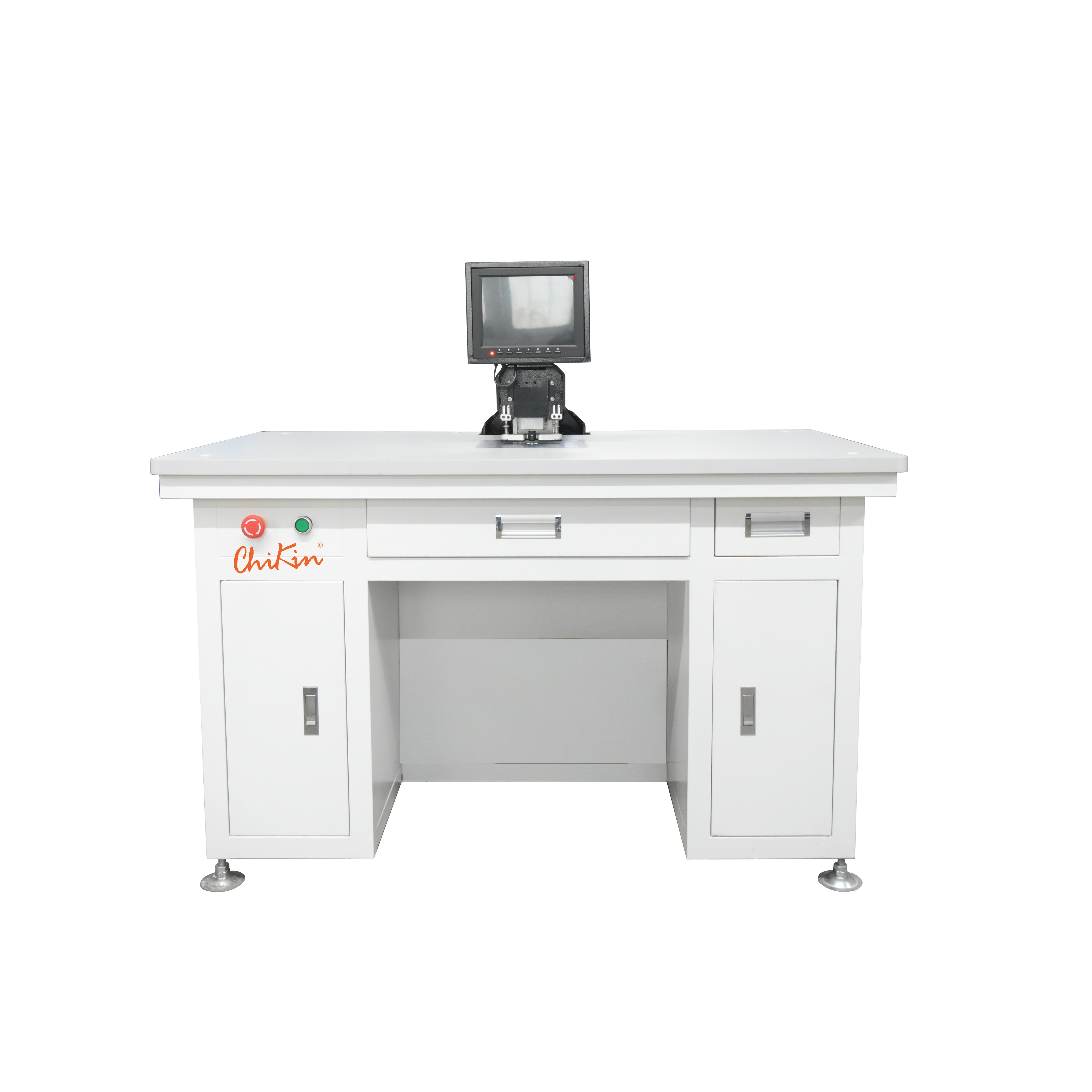
- Board Loading — Inline or offline conveyor feeds the PCB.
- High-Speed Scanning — Cameras capture detailed images under controlled light.
- Defect Analysis — Algorithms identify anomalies via pattern matching, color analysis, or 3D profiling (in advanced models).
- Result Output — Pass/fail with defect markers; bad boards diverted or flagged for repair.
Chikin's AOI supports 2D and optional 3D modes for even finer solder joint analysis.
Key Benefits of Automated Optical Inspection AOI Over Manual Methods
| Aspect | Automated Optical Inspection AOI | Manual Inspection |
|---|---|---|
| Speed | Inspects thousands of components/min | Slow, fatigue-prone |
| Accuracy & Consistency | >95–99% defect detection, no variation | Prone to human error & inconsistency |
| Early Defect Detection | Catches issues before reflow/testing | Often late-stage |
| Cost Savings | Reduces rework/scrap by 50–80% | High labor + escape costs |
| Repeatability | Always the same criteria | Varies by operator |
| Scalability | Ideal for high-volume SMT lines | Limited to low/mid volume |
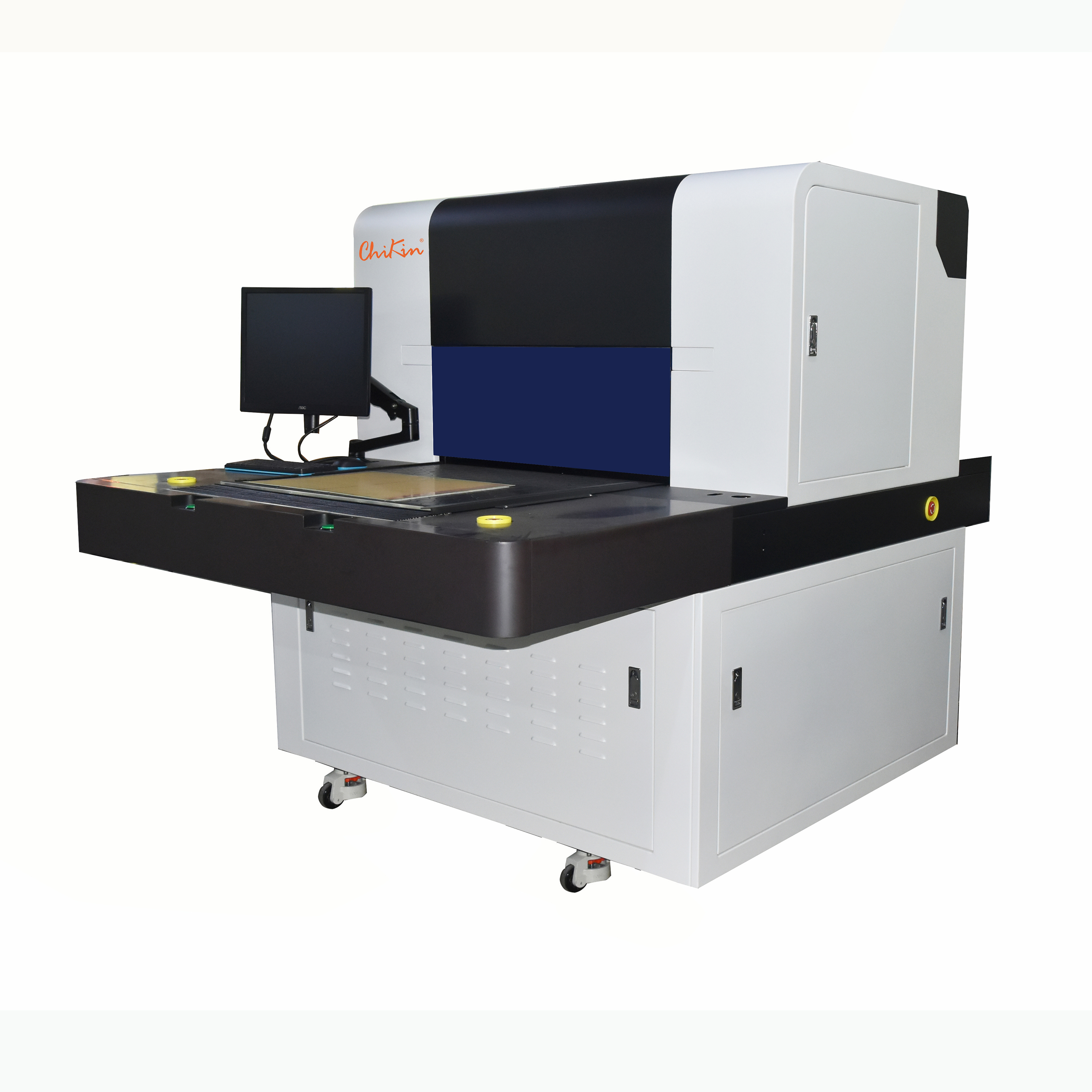
Additional perks: 24/7 operation, data logging for traceability, and integration with MES for real-time quality feedback.
Standout Features of Chikin’s PCB AOI Solution
- High-res cameras with multi-angle lighting for shadow-free views
- Intuitive programming: Import Gerber/CAD + quick teach-in for new jobs
- Low false calls via AI-enhanced algorithms
- Inline/offline configurations for flexible line setup
- Defect classification & repair station guidance
- Panasonic/THK-grade motion for stable scanning
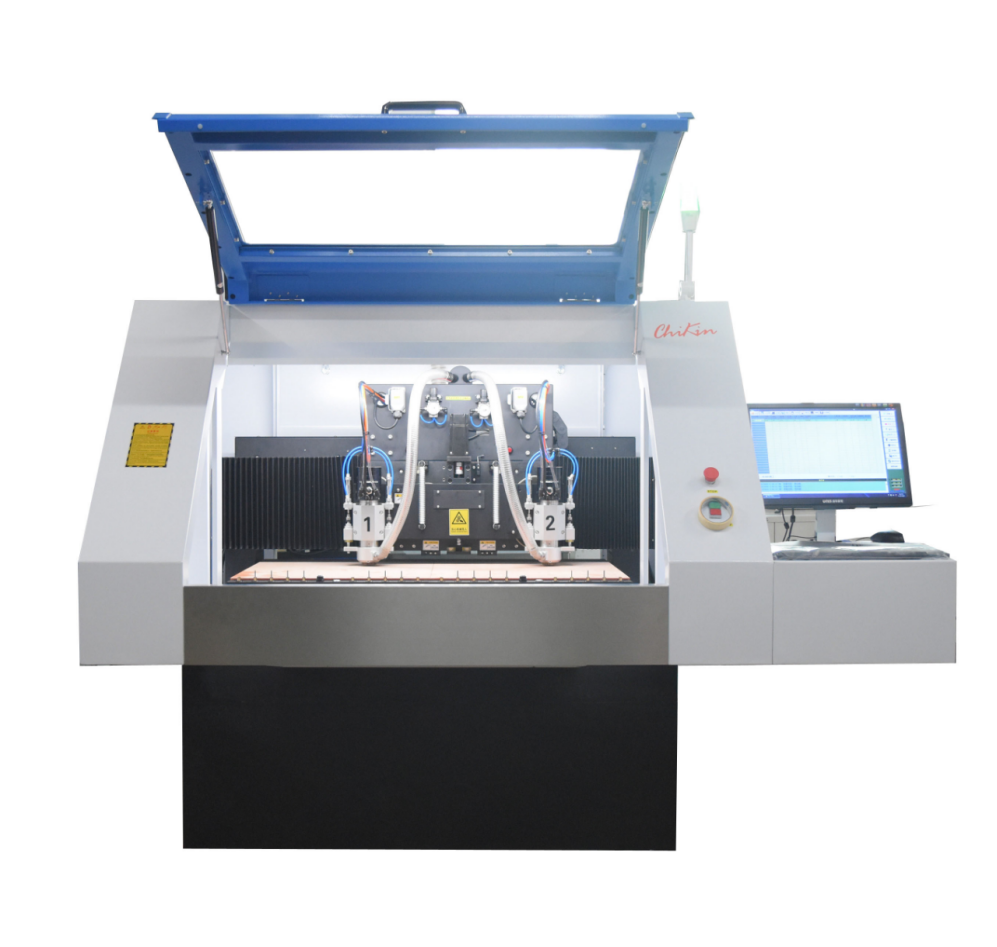
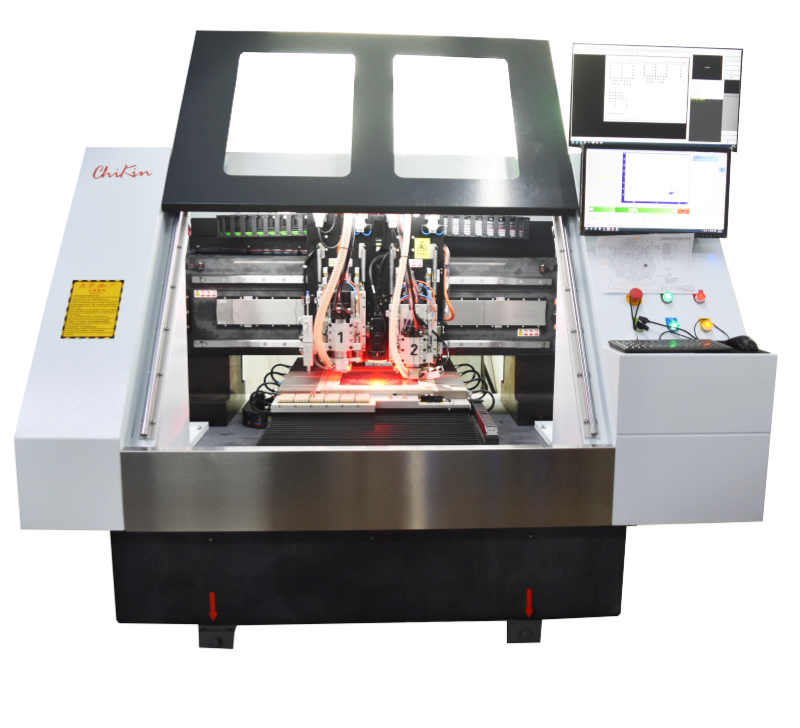
- Full compatibility with Chikin drilling, routing, laser, and V-CUT machines
- 3-year warranty, 24h global support, ISO/CE certified
Real-World Applications
- SMT lines for consumer electronics & automotive PCBs
- High-reliability boards (medical, aerospace) needing zero escapes
- LED, power, and multilayer production
- Factories in India, Vietnam, Turkey, Europe scaling quality without added headcount
- Users see 70–90% drop in post-process defects and faster time-to-market
Conclusion
Automated Optical Inspection (AOI) isn't a luxury — it's essential for staying competitive in 2026's fast-evolving PCB world. Chikin Automation's PCB AOI machine empowers manufacturers to catch defects early, maintain high yields, and deliver flawless boards every time.
Ready to elevate your quality control and cut rework costs?
Contact Chikin Automation for a live demo, defect sample analysis, or customized AOI quote. Discover how our full PCB Manufacturing Equipment ecosystem — from CNC drilling to laser cutting — can optimize your entire process.