



Collet Opening Tool Overview
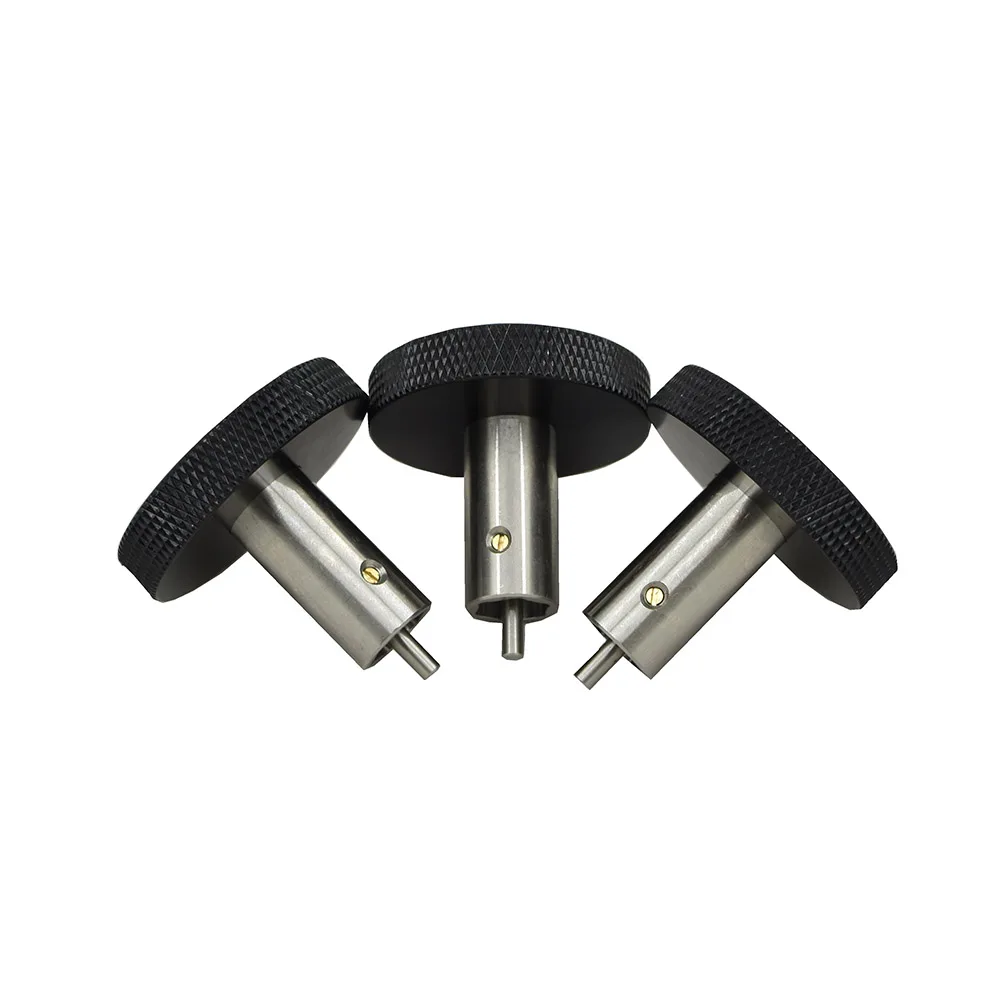
A Collet Opening Tool is used to make collet handling faster, safer, and more controlled when working on machine tools. Buyers usually need this kind of accessory when a collet is tight, difficult to release, or too awkward to open by hand during setup and maintenance. Based on the visible product form, this version appears to be a compact metal tool accessory with a knurled top section, a cylindrical body, and a small protruding stem, which suggests it is built for manual engagement, fixture work, or replacement use in industrial environments.
The product shown is supplied as a set of three identical pieces. That is useful for shops that want multiple units for the same machine station, spare parts inventory, or repeated maintenance tasks. While the exact machine compatibility cannot be confirmed from the image alone, the construction clearly points toward a machined metal accessory designed for precise handling rather than general-purpose use.
Product Reference and Visible Structure
The visible design includes a flat black top disc, a satin-finished metal body, and a small lower pin or stem. A side set screw or locking feature is also visible on each unit. From a buyer perspective, these details matter because they indicate the tool is meant to stay secure during use and provide a tactile grip point for positioning or engagement.
Because the image only shows the exterior, it is best to treat the exact operating mechanism as unconfirmed. Even so, the shape suggests a practical industrial accessory rather than a decorative or consumer-grade part.
Key Visible Features
Metal construction for workshop and machine-room use
Textured black top surface for grip
Compact cylindrical body for easy handling
Side set screw or fastener for retention or adjustment
Materials and Finish Options
From the image, the body appears to be steel or stainless steel, with a brushed or satin metal finish. The black top section may be a coated metal part or a knurled grip component. These are reasonable observations, but the exact material grade is not visible and should be confirmed before ordering.
For machine shop buyers, finish is not only about appearance. A smooth machined body can help with cleaning and fit consistency, while a textured top helps operators maintain control with gloves or oily hands. If your application involves repeated handling, surface feel and edge quality can influence day-to-day usability more than many spec sheets show.
Manufacturing and Build Considerations
The geometry suggests CNC-turned manufacturing or a similar precision machining process. That is a common route for small collet-related accessories, adapters, and maintenance parts. A machined body can support concentric shape, repeatable fit, and reliable assembly of the visible screw or pin features.
When sourcing a machine tool collet opener or related accessory, buyers should ask whether the part is fully machined, whether the black top is a separate component, and how the locking feature is retained. Those details affect service life and compatibility more than the basic silhouette does.
Typical Applications
This type of part may be used in CNC setups, maintenance benches, assembly fixtures, or equipment repair kits where a compact threaded or pinned metal tool is useful. It may also suit operations that need a simple manual interface for opening, holding, or aligning a collet-related mechanism. If you are searching for a collet opener for production support, the main question is whether the tool matches your exact collet or spindle interface.
In practice, buyers often need an accessory like this when a tool change process is slowing production, when repeated manual release is wearing on operators, or when a spare part is needed to keep a machine available.
Quality Control and Buyer Checks
Since the exact specification is not provided, the most important quality checks are fit, finish, and thread or fastener integrity. Confirm the body dimensions, stem length, screw size, and the relationship between the tool and your machine interface. For a CNC collet opening tool, even a small mismatch can create poor engagement or unnecessary wear.
Buyers should also review surface finish consistency, the firmness of the side fastener, and whether the knurled top provides enough grip for repeated handling. If the tool will be used in a production environment, ask for drawing confirmation before purchase.
Customization Guidance
If you need this part for a specific machine or fixture, customization may include body length, pin diameter, top grip style, screw location, and surface finish. Many industrial buyers also request marked identification or matched sets for maintenance kits. Since the product appears to be a machined accessory, these changes are often feasible, but exact options depend on the supplier’s process.
To move efficiently, share the machine model, interface dimensions, operating method, and any wear issues from the current part. That information reduces trial-and-error and helps ensure the replacement fits the job.
How to Choose the Right Part
Before ordering, verify the application, mounting method, and operator workflow. Decide whether you need a single replacement or a multi-piece set. Check if the tool must be corrosion resistant, glove-friendly, or suitable for frequent cleaning. For industrial buyers, the right accessory is usually the one that matches the machine interface first and the preferred handling feel second.
Request a Fit Check
If you are sourcing a Collet Opening Tool or a related replacement part, send your machine details and dimensional requirements for a fit check. A clear drawing or sample can help confirm compatibility before production or purchase.