



High Strength PCB Slot Drill Bits for Clean, Controlled Material Removal
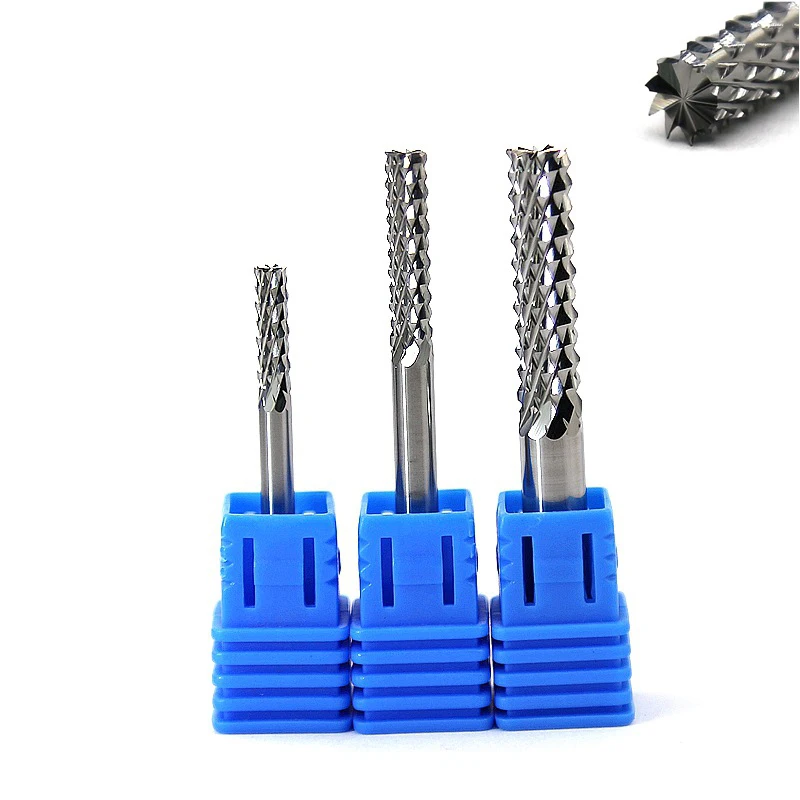
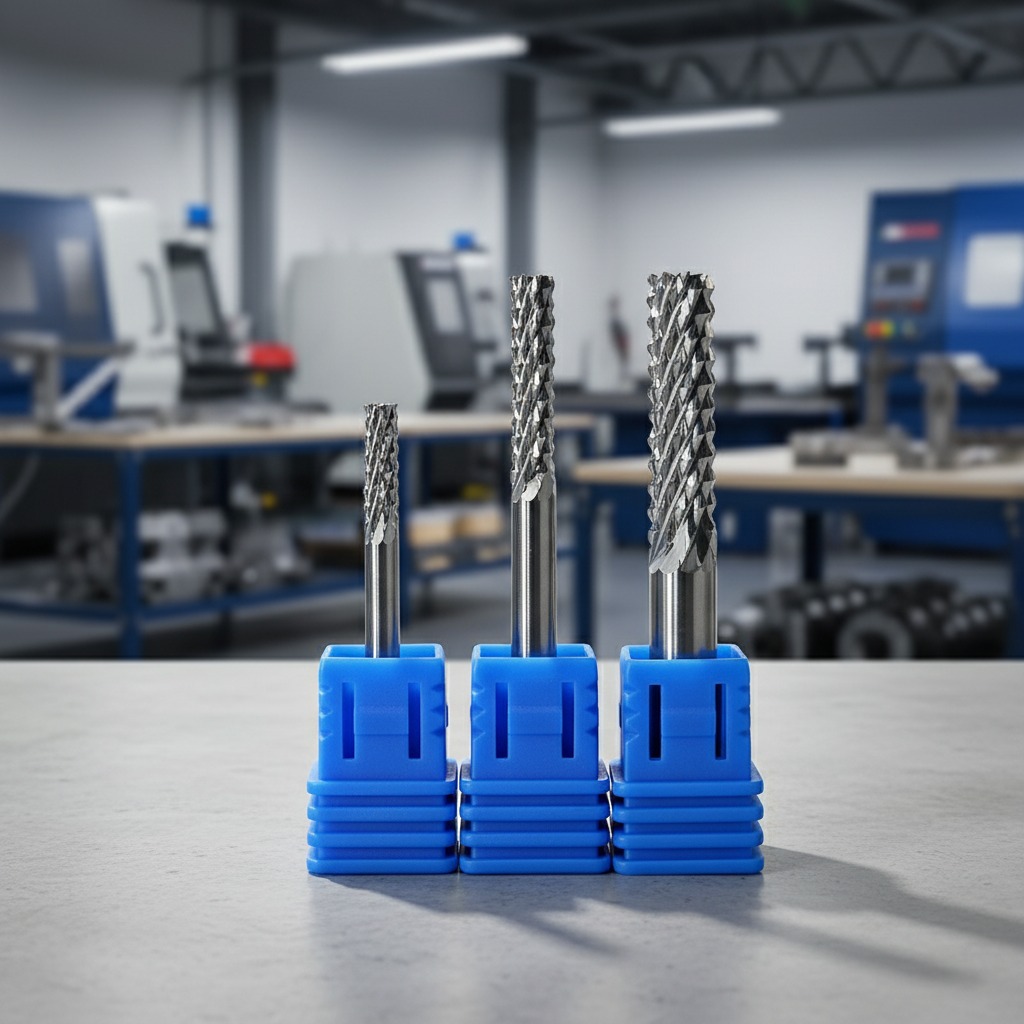
High Strength PCB Slot Drill Bits are used when a board maker needs accurate slotting, contour cutting, and edge cleanup without tearing copper or leaving ragged walls. In PCB production, small geometry errors can affect fit, connector alignment, and assembly yield, so the tool must cut predictably and keep chip load stable. The product shown here is a 3-piece set of precision cutting tools with polished metal cutting heads and long cylindrical shanks, suitable for machining tasks that require controlled removal and a fine finish.
Product Overview
Although the visible tools could be described more broadly as rotary cutting tools, the slotting and profiling use case aligns well with PCB Slot Drill Bits and related CNC cutting applications. The set includes three tools in different visible sizes, which gives the operator flexibility for roughing, detailed slot formation, and finish passes. The cutting section appears to use a serrated or fluted pattern designed to break material efficiently while maintaining directional control.
For buyers comparing Printed Circuit Board Drill Bits, CNC PCB Drill Bits, and Precision PCB Drill Bits, the key question is not only hole quality but also how well the tool handles side cutting, slot walls, and repeated use in a production environment. This type of tool is often selected for operations where a standard drilling tool is not enough.
Key Specifications and Capabilities
Visible construction
The tools show a polished silver finish, a long straight shank, and a cutting head with fine helical or diamond-like cutting geometry. The exact material is not confirmed from the image, but the appearance is consistent with carbide-based cutting tools used in precision machining.
Practical capabilities
These tools are typically used for slotting, profiling, engraving, deburring, contour cleanup, and localized material removal. In PCB-related work, that can include board cutouts, routing channels, and edge finishing where clean geometry matters. In general machining, similar tools are useful in mold work, toolroom maintenance, and small-part finishing.
Materials and Finish Options
The visible product has a bright metal finish with no obvious coating. That does not confirm whether it is solid carbide, carbide-tipped steel, or another tool grade. In many industrial tool programs, finish choices may include polished, uncoated, or coated variants depending on the work material and wear requirements. For PCB and precision routing jobs, the choice often depends on whether the buyer prioritizes edge sharpness, wear resistance, or chip evacuation.
If your process includes abrasive laminates or repeated production runs, material grade and surface finish become important buying factors. For softer substrates or mixed-use toolrooms, a different tool geometry may be enough. When evaluating PCB Drill Bits, match the tool body and cutting edge to the board material, feed strategy, and required edge quality.
Manufacturing Process
The cutting geometry suggests a precision manufacturing route such as CNC grinding, followed by finishing or polishing. That is a common method for tools that need repeatable edge geometry and stable concentricity. In this product category, consistency of the cutting edge is as important as the base material, because uneven geometry can cause chatter, rough walls, or premature tool wear.
For buyers sourcing PCB Slot Drill Bits, tool consistency across a batch matters if the same program runs across multiple machines. A well-controlled grinding process helps maintain predictable cutting behavior from one tool to the next.
Application Scenarios
These tools are suitable for PCB fabrication work where slots, cutouts, and edge refinement are needed. They also fit broader industrial use cases such as die and mold work, deburring, engraving, and contouring. Depending on the final tool grade, they may be used on metals, plastics, or other machinable materials.
In a production setting, the operator may choose a smaller tool for detailed routing and a larger tool for faster stock removal. That is one reason a mixed-size set can be practical for maintenance shops and prototype teams.
Quality Control Considerations
For precision cutting tools, buyers should ask about tool concentricity, edge uniformity, shank consistency, and visual finish quality. If the purchase is for PCB work, it is also useful to confirm whether the tool has been optimized for laminate cutting and narrow slot geometry. The image shows stored tools in blue plastic holders, which helps protect the cutting edges during handling and storage.
Because exact tolerances, coatings, and supported materials are not visible, those details should be confirmed before use in a critical production line.
Customization and Buyer Decision Factors
When sourcing High Strength PCB Slot Drill Bits, buyers usually compare diameter, length, flute geometry, shank size, and substrate compatibility. It also helps to clarify whether the tools are intended for drilling only or for combined drilling and side milling. If your application involves frequent tool changes or strict board dimensions, ask for sizing details and matching tool recommendations.
Customization may be relevant for shops that need specific lengths, cutting diameters, or packaging formats. For teams building a standard tooling library, consistency and replacement availability are often more important than the lowest initial price.
Request the Right Tool for Your Process
If you are selecting tools for PCB routing, slotting, or precision cleanup, start by confirming the board material, required cut geometry, and machine setup. Share your application details, and we can help identify the most suitable Precision PCB Drill Bits or related cutting tool configuration for your workflow.