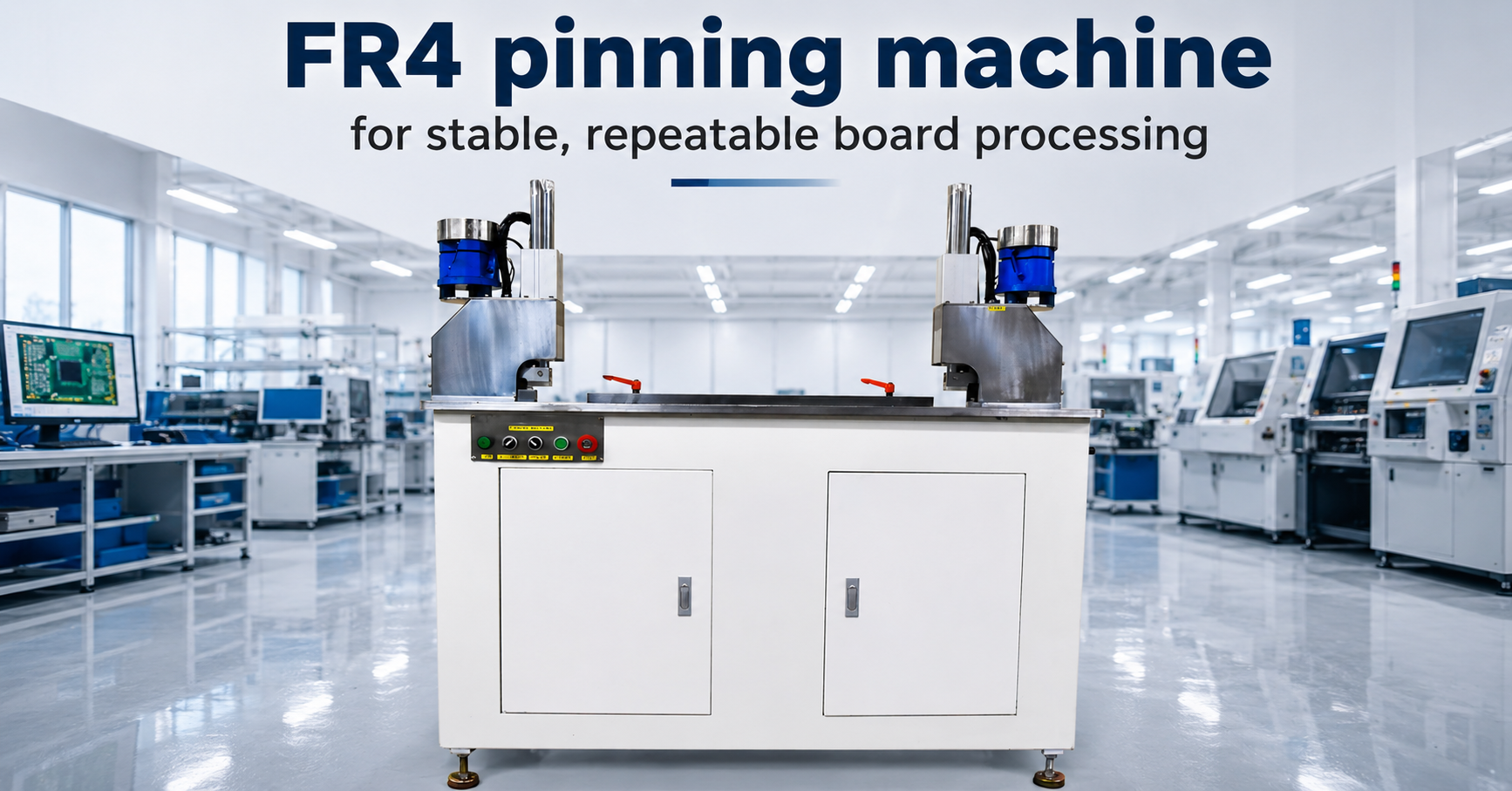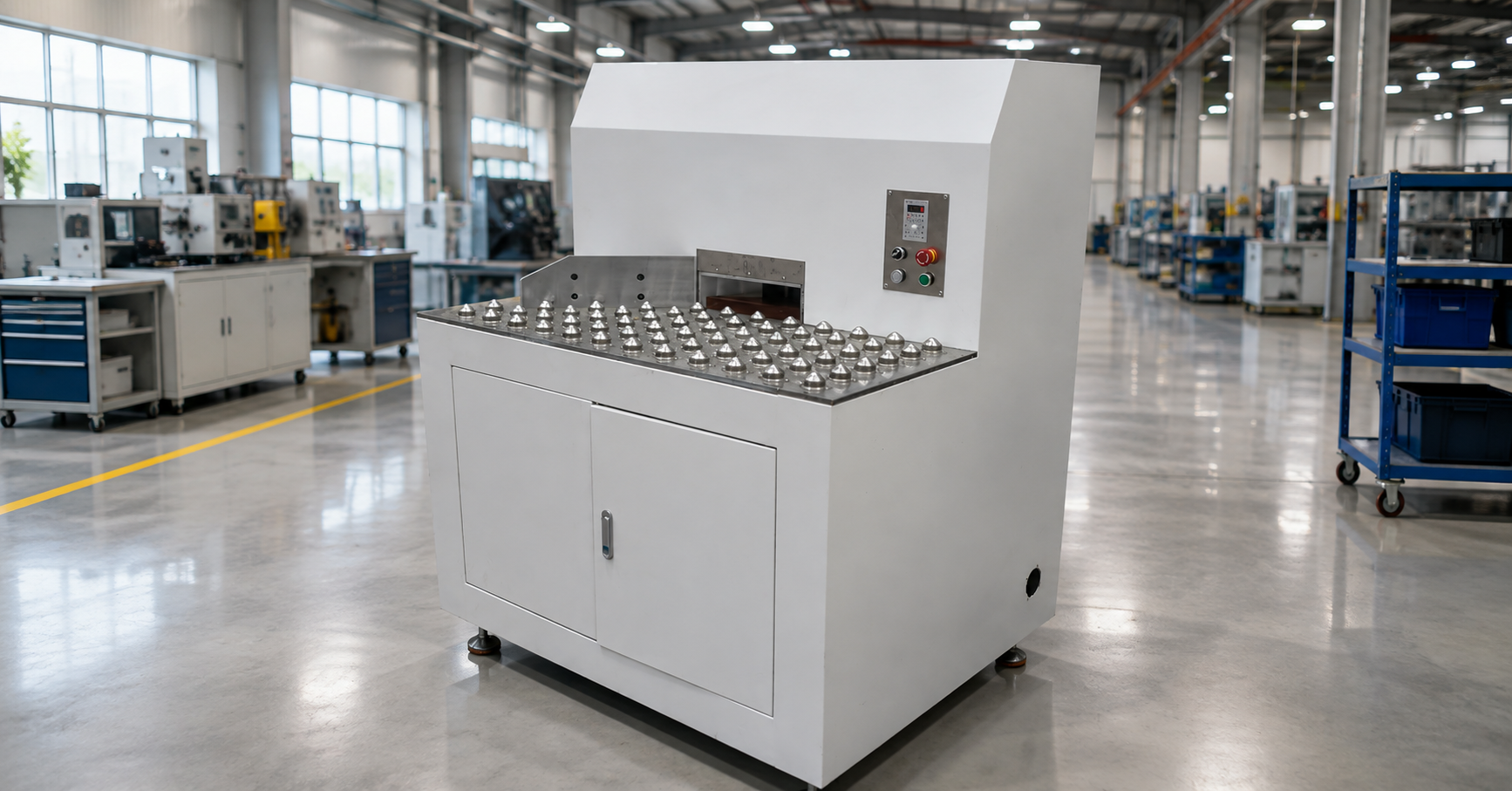




ماشین حفاری و مسیریابی مدار چاپی 2 اسپیندل: راهنمای عملی برای تولیدکنندگان PCB با حجم متوسط
برای بسیاری از تولیدکنندگان PCB، مشکل واقعی تولید تنها این نیست که آیا دستگاه میتواند سوراخها را سوراخ کند. سوال سختتر این است که آیا تجهیزات میتوانند حفاری و مسیریابی را در سفارشات مکرر، طرحهای تختههای مخلوط، تغییر اندازه ابزار و فشار تحویل عملی پایدار نگه دارند یا خیر. یک کارخانه ممکن است تخته های FR4 را در صبح، تخته های آلومینیومی را بعد از ناهار، و دسته کوچکی از پانل های چند لایه را قبل از پایان شیفت دریافت کند. در این نوع محیط تولید، انعطاف پذیری به اندازه سرعت اهمیت دارد.
در اینجاست که یک ماشین حفاری و مسیریابی PCB 2 اسپیندل مفید می شود. بین تجهیزات پایه تک اسپیندل و سیستم های چند اسپیندل با خروجی بالاتر قرار می گیرد. در مقایسه با یک ماشین تک اسپیندل، می تواند توان عملیاتی را بهبود بخشد. در مقایسه با یک سیستم حفاری چهار دوکی بزرگتر، ممکن است انتخاب متعادل تری برای تولیدکنندگانی باشد که هم به حفاری و هم مسیریابی نیاز دارند بدون سرمایه گذاری در راه اندازی با بالاترین ظرفیت.
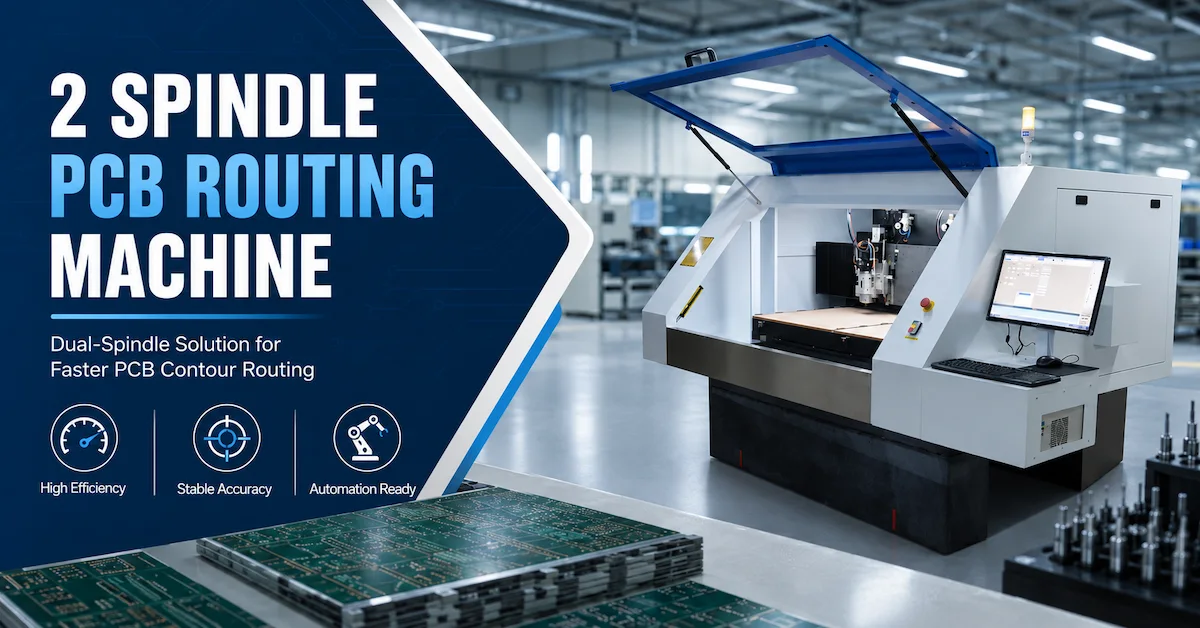
دستگاه حفاری و مسیریابی مدار مدار چاپی Spindle Chikin CK-02R 2 برای تولید PCB با حجم متوسط طراحی شده است. با توجه به صفحه محصول، از دوک های دوگانه با کنترل مستقل محور Z، سرعت دوک 60000 دور در دقیقه، قدرت اسپیندل 1.8 کیلووات، خنک کننده آب، ساختار گرانیتی، راهنماهای خطی و پیچ های توپی با دقت بالا، تغییر خودکار ابزار، تشخیص طول ابزار، تشخیص قطر ابزار، تشخیص سوئیچ ابزار شکسته و پای فشار استفاده می کند. این دستگاه برای حفاری و مسیریابی دقیق بر روی تخته های FR4، چند لایه و آلومینیومی مناسب توصیف شده است.
برای خریداران B2B که در جستجوی سازنده دستگاه حفاری و مسیریابی PCB هستند یا بهعنوان محصول CB، نام این محصول NC data-end="3212">CB را جستجو میکنند. این توضیح می دهد که دستگاه چه کاری انجام می دهد، چرا ساختار آن اهمیت دارد، چگونه با تولید PCB واقعی مطابقت دارد، و تیم های تدارکاتی باید قبل از ارسال درخواست بررسی کنند.
 استراتژی کلیدواژه B2B برای این وبلاگ
| نوع کلمه کلیدی | کلید واژه | هدف جستجو | استفاده توصیه شده در مقاله |
|---|---|---|---|
| کلید کلیدی اصلی | ماشین حفاری و مسیریابی PCB 2 اسپیندل | تحقیق محصول / مقایسه تامین کننده | عنوان SEO، H1، مقدمه، نتیجهگیری |
| کلید کلید تامین کننده | سازنده دستگاه حفاری و مسیریابی PCB | سازنده را پیدا کنید | بخشهای تدارکات و CTA |
| کلید کلید تامین کننده | تامین کننده دستگاه حفاری و مسیریابی PCB | مقایسه فروشندگان | چک لیست خریدار و سؤالات متداول |
| کلید واژه محصول | ماشین حفاری PCB دو دوکی | مقایسه پیکربندی اسپیندل | توضیحات فنی |
| کلید واژه محصول | دستگاه حفاری و مسیریابی PCB CNC | درک نوع ماشین | نمای کلی محصول |
| کلید کلیدی خودکار | دستگاه حفاری و مسیریابی PCB خودکار | جستجوی راه حل خودکار | بخش تغییر و تشخیص ابزار |
| کلید کلید کارخانه | ماشین مسیریابی PCB برای کارخانه ها | تجهیزات کارخانه B2B | بخش برنامه |
| کلید واژه تولید | تجهیزات تولید PCB با حجم متوسط | برنامه ریزی ظرفیت | بخش ROI |
| کلید کلیدی برنامه | تجهیزات حفاری PCB برای سازندگان PCB | قصد خرید کلی | مقدمه و نتیجهگیری |
| کلید کلیدی تجاری | تامین کننده دستگاه PCB CNC | استعلام تامین کننده | CTA و راهنمای تدارکات |
چرا کارخانههای PCB با حجم متوسط به راهحل حفاری و مسیریابی متوازن نیاز دارند
تولید PCB همیشه در یک خط مستقیم رشد نمی کند. برخی از کارخانه ها از نمونه سازی به دسته های کوچک و سپس به تکرار سفارشات می روند. برخی دیگر در حال حاضر به لوازم الکترونیکی صنعتی، بردهای LED، سیستم های کنترل، تجهیزات ارتباطی یا تامین کنندگان خودرو خدمات می دهند، اما ترکیب محصولات آنها اغلب تغییر می کند. در این موارد، گلوگاه همیشه بزرگترین سفارش نیست. اغلب، این تنظیمات مکرر، تغییر ابزار، تنظیم مسیر مسیریابی و مداخله اپراتور بین کارهای مختلف است.
یک دستگاه تک اسپیندل ممکن است برای تولید کم حجم، تختههای نمونه یا کارهای ساده حفاری کافی باشد. اما وقتی حجم سفارش افزایش می یابد، دستگاه می تواند به سرعت کند شود. هر مختصات حفاری، هر مسیر مسیریابی، و هر تغییر ابزار زمان اضافه می کند. اگر اپراتورها باید به صورت دستی شرایط ابزار را بررسی کنند یا دستگاه را مرتباً متوقف کنند، ریتم تولید ناپایدار می شود.
یک ماشین چهار اسپیندل رده بالا می تواند فشار خروجی را حل کند، اما هر کارخانه ای به این ظرفیت نیاز ندارد. برخی از خریداران به چیزی متعادلتر نیاز دارند: راندمان بالاتر از تجهیزات تک اسپیندل، اما همچنان به اندازه کافی انعطافپذیر برای انجام حفاری و مسیریابی. این موقعیت عملی ماشین حفاری و مسیریابی PCB 2 اسپیندل است.
CK-02R توسط Chikin توصیف شده است که 1.8 تا 2.5 برابر مدل های تک اسپیندل را ارائه می دهد و در عین حال کیفیت لبه را حفظ می کند، سایش ابزار را کاهش می دهد و با تجهیزات خط PCB مرتبط مانند برش های لیزری، V-CUT و سیستم های AOO یکپارچه می شود. برای تولیدکنندگان PCB با حجم متوسط، این تعادل اغلب ارزشمندتر از تعقیب بزرگترین ماشین روی کاغذ است.
دستگاه حفاری و مسیریابی PCB 2 Spindle چیست؟
یک ماشین حفاری و مسیریابی PCB 2 اسپیندل یک دستگاه CNC است که مجهز به دو اسپیندل برای حفاری سوراخ PCB و مسیریابی کانتور است. بر خلاف ماشین های فقط حفاری، می تواند هم سوراخ ها و هم پروفیل های مسیریابی را پردازش کند. برخلاف یک واحد اصلی CNC تک اسپیندل، از دو اسپیندل برای بهبود راندمان تولید استفاده میکند.
CK-02R از دوک های دوگانه با کنترل مستقل محور Z استفاده می کند. این پیکربندی مهم است زیرا حفاری و مسیریابی همیشه به رفتار برشی یکسانی نیاز ندارند. مواد مختلف تخته، قطر سوراخ، قطر مسیریابی و عمق ابزار ممکن است نیاز به کنترل دقیق داشته باشند. حرکت مستقل محور Z به سیستم انعطاف بیشتری در طول پردازش می دهد.
در ساخت عملی PCB، ماشینی مانند این ممکن است برای موارد زیر استفاده شود:
| فرایند | چه کاری انجام می دهد | چرا مهم است |
|---|---|---|
| حفاری PCB | حفرههایی برای vias، سوراخهای عبوری، نقاط نصب و حفرههای فرآیند ایجاد میکند | بر آبکاری، مونتاژ، ثبت و قابلیت اطمینان الکتریکی تأثیر میگذارد |
| مسیریابی PCB | برش خطوط، شیارها، شیارها و خطوط تخته | بر شکل تابلو، کیفیت لبه و مونتاژ پاییندست تأثیر میگذارد |
| حفاری و مسیریابی مختلط | هم سوراخسازی و هم ماشینکاری پروفیل را در یک پلتفرم تجهیزات انجام میدهد | سوئیچینگ دستگاه را کاهش می دهد و انعطاف تولید را بهبود می بخشد |
| پردازش دسته ای مکرر | طراحیهای تختههای تکراری را با دقت پایدار اجرا میکند | به کارخانهها کمک میکند از برنامههای تحویل محافظت کنند |
| تولید در حجم متوسط | پشتیبانی از خروجی بیشتر از تجهیزات ساده تک اسپیندل | مناسب برای کارخانههایی با سفارشهای معمولی اما نه با حجم زیاد |
مزیت اصلی فقط "دو اسپیندل" نیست. ارزش واقعی ترکیب پردازش دوکی دوک، ساختار مکانیکی پایدار، کنترل CNC، جابجایی خودکار ابزار، و سیستمهای تشخیص در یک ماشین تولید است.
نمای کلی محصول CK-02R
جدول زیر اطلاعات اصلی CK-02R را از صفحه محصول Chikin خلاصه میکند.
| مورد | مشخصات / ویژگی CK-02R | ارزش عملی برای تولیدکنندگان PCB |
|---|---|---|
| نوع ماشین | ماشین حفاری و مسیریابی PCB 2 Spindle | مناسب برای کارخانه هایی که هم به حفاری و هم مسیریابی نیاز دارند |
| مقدار اسپیندل | 2 اسپیندل | بهبود توان عملیاتی در مقایسه با ماشینهای تک اسپیندل |
| طراحی Z-Axis | کنترل مستقل محور Z | از عملیات حفاری و مسیریابی انعطافپذیرتر پشتیبانی میکند |
| سرعت اسپیندل | 60000 RPM | مناسب برای کارهای حفاری و مسیریابی PCB |
| پاور اسپیندل | 1.8KW | قدرت برش را برای پردازش پایدار فراهم می کند |
| روش خنکسازی | خنک کردن آب | از طول عمر بیشتر اسپیندل و عملکرد مداوم پشتیبانی می کند |
| قطر ابزار حفاری | 0.5–6.35mm | الزامات متداول حفاری PCB را پوشش می دهد |
| قطر ابزار مسیریابی | 0.5–3.175mm | پشتیبانی از کانتور، شکاف و پردازش لبه برد |
| دقت | ±0.005mm تکرارپذیری / دقت موقعیت یابی | به حفظ دقت حفره و مسیریابی ثابت کمک می کند |
| مجله ابزار | تغییر خودکار ابزار 9 موقعیت | تغییر دستی ابزار و زمان خرابی را کاهش میدهد |
| سیستمهای تشخیص | طول ابزار، قطر ابزار، تشخیص ابزار شکسته | ایمنی و ثبات فرآیند را بهبود میبخشد |
| پایه ماشین | پایه گرانیت | ارتعاش و پایداری حرارتی را بهبود می بخشد |
| سیستم درایو | سیستم درایو پاناسونیک / دلتا | از حرکت پایدار دستگاه پشتیبانی میکند |
| کنترل CNC | CHIKIN CNC یا SIEB & MEYER CNC82 | پشتیبانی از عملیات CNC صنعتی |
| رابط | رابط انگلیسی | مفید برای اپراتورهای خارج از کشور و خریداران جهانی |
| بازخورد اختیاری | رمزگذار خطی، وضوح ±0.001mm | در صورت نیاز از کنترل دقیقتر پشتیبانی میکند |
| وزن ماشین | حدود 2300 کیلوگرم | ساختار ماشین سنگین را نشان می دهد |
| اندازه ماشین | 2170×1700×1600mm | به خریداران کمک میکند طرحبندی کارگاه را برنامهریزی کنند |
| پاور | 220V/380V 3PH، 5KVA | مهم برای برنامه ریزی نصب |
| پشتیبانی | 3 سال ضمانت دقیق و پشتیبانی جهانی 24 ساعته | مفید برای خریداران بین المللی B2B |
درد محصول نشان میدهد که دستگاه برای حل کردن طراحی شده است
یک دستگاه حفاری و مسیریابی PCB باید مشکلات واقعی کارخانه را حل کند. برای تیم های تدارکاتی، دستگاه نباید تنها با سرعت اسپیندل یا قیمت ارزیابی شود. سوال مفیدتر این است: دستگاه در طول تولید روزانه کدام مشکلات را کاهش می دهد؟
| نقطه درد کارخانه | تأثیر رایج تولید | ویژگی مرتبط CK-02R |
|---|---|---|
| چرخه حفاری و مسیریابی آهسته | فشار تحویل، اضافه کاری، گلوگاه تولید | طراحی دو اسپیندل توان عملیاتی را بهبود می بخشد |
| موقعیت سوراخ ناپایدار | ضایعات، دوباره کاری، کیفیت پایین آبکاری | ±0.005mm تکرارپذیری و دقت موقعیت |
| کیفیت ضعیف لبه پس از مسیریابی | مشکلات مونتاژ و کارهای تکمیلی اضافی | مسیریابی CNC با دوک ثابت و پایه ماشین |
| شکستگی ابزار به سرعت شناسایی نشد | پنل های آسیب دیده و زمان تولید تلف شده | سیستم تشخیص ابزار خراب |
| تغییر مکرر ابزار دستی | از کار افتادن و وابستگی اپراتور | تغییر خودکار ابزار ۹ موقعیت |
| لرزش در حین پردازش با سرعت بالا | ساییدگی ابزار، رانش دقت، کیفیت لبه ناهموار | پایه گرانیتی برای میرایی ارتعاش |
| شرایط تولید مختلط | به ماشین آلات جداگانه برای حفاری و مسیریابی نیاز دارید | قابلیت حفاری و مسیریابی ترکیبی |
| مشکل عملیات خارج از کشور | هزینه آموزش و مسائل ارتباطی | رابط انگلیسی و پشتیبانی جهانی |
در بسیاری از کارخانهها، این مسائل با هم ظاهر میشوند. یک ماشین ممکن است با دقت سوراخ کند اما نیاز به دست زدن بیش از حد ابزار دستی دارد. دیگری ممکن است در طول مسیریابی سریع اما ناپایدار باشد. یک دستگاه حفاری و مسیریابی خودکار PCB باید چندین خطر را به طور همزمان کاهش دهد.
چرا حفاری و مسیریابی اغلب در تولید PCB مرتبط هستند
حفاری و مسیریابی فرآیندهای جداگانهای هستند، اما در برنامهریزی تولید PCB ارتباط نزدیکی دارند. حفاری سوراخ ایجاد می کند. مسیریابی شکل تخته، شکاف ها و برش ها را مشخص می کند. اگر هر دو فرآیند به تأخیر بیفتند یا ناسازگار باشند، کل دسته ممکن است تحت تأثیر قرار گیرد.
بهعنوان مثال، یک برد ممکن است به سوراخهای روکش شده، سوراخهای نصب، و مسیریابی لبه نیاز داشته باشد. اگر حفاری روی یک ماشین کامل شود و مسیریابی به ماشین دیگری منتقل شود، کارخانه باید تراز، جابجایی، زمانبندی و بررسیهای کیفیت بین ایستگاهها را مدیریت کند. این همیشه در خطوط تولید بزرگ مشکل ساز نیست، اما برای کارخانه های با حجم متوسط و کارگاه های ترکیبی، حرکت فرآیند می تواند تاخیر ایجاد کند.
یک ماشین حفاری و مسیریابی PCB CNC با ترکیب هر دو قابلیت کمک می کند. این جایگزینی برای هر ماشین تخصصی در یک کارخانه تولیدی بزرگ نمی شود، اما به کارخانه انعطاف بیشتری می دهد. این امر بهویژه زمانی مفید است که همان تیم تولید انواع تختههای متعدد، اندازههای دستهای کوچک تا متوسط، تغییرات مهندسی و درخواستهای تحویل فوری را انجام میدهند.
محدوده ابزار حفاری CK-02R 0.5-6.35mm و محدوده مسیریابی 0.5-3.175mm، آن را برای کارهای متداول ماشینکاری PCB در انواع مختلف برد مناسب می کند.
نقش دوک های دوگانه در کارایی تولید
تفاوت بین یک اسپیندل و دو اسپیندل ممکن است ساده به نظر برسد، اما اثر تولید آن می تواند قابل توجه باشد. یک ماشین تک اسپیندل یک مسیر ماشینکاری را در یک زمان انجام می دهد. هنگامی که ساختار کار و راهاندازی ماشین مناسب باشد، پیکربندی دو اسپیندل میتواند خروجی را بهبود بخشد.
Chikin بیان میکند که CK-02R میتواند 1.8 تا 2.5 برابر بیشتر از مدلهای تک اسپیندل دست یابد. در شرایط کارخانه، این ممکن است به معنای صف های حفاری کوتاه تر، تکمیل دسته ای سریع تر، استفاده بهتر از ماشین و وابستگی کمتر به اضافه کاری باشد.
اما، مقدار دوک دوم فقط به سرعت مربوط نمی شود. همچنین برنامه ریزی تولید را بهبود می بخشد. اگر یک کارخانه به طور منظم پانل های تکراری را پردازش کند، دو اسپیندل می تواند زمان چرخه را قابل پیش بینی تر کند. زمان چرخه قابل پیش بینی به مدیران تولید کمک می کند تا فرآیندهای پایین دستی مانند آبکاری، بازرسی، آماده سازی مونتاژ یا تحویل را برنامه ریزی کنند.
| عامل تولید | ماشین تک اسپیندل | ماشین حفاری و مسیریابی PCB 2 Spindle |
|---|---|---|
| خروجی پردازش | پایین | بالاتر برای کارهای تکراری مناسب |
| انعطاف پذیری تولید | مناسب برای نمونه ها و کارهای ساده | برای تولید ترکیبی با حجم متوسط بهتر است |
| سرمایه گذاری ماشین | هزینه اولیه کمتر | بالاتر اما پربارتر |
| وابستگی اپراتور | وقتی تغییرات ابزار مکرر باشد، بالاتر است | پایینتر با کنترل خودکار ابزار |
| قابلیت مسیریابی | بستگی به طراحی ماشین دارد | حفاری و مسیریابی یکپارچه |
| بهترین تناسب | Prototype, low-volume, simple boards | Mid-volume PCB factories and repeated orders |
For a factory that already has regular PCB orders but is not ready for a larger four-spindle drilling machine, a two-spindle drilling and routing machine can be a reasonable next step.
Why Independent Z-Axis Control Matters
The CK-02R uses dual spindles with independent Z-axis control. This is an important detail for real machining, because the Z-axis controls vertical movement, cutting depth, tool engagement, and process safety.
In PCB drilling, the Z-axis affects entry, drilling depth, and tool withdrawal. In routing, it affects cutting depth, edge finish, and tool load. If the machine handles different tools or different machining operations, independent Z-axis control gives the system more control over how each spindle works.
This can help in several ways:
| Z-Axis Requirement | Why It Matters in PCB Processing |
|---|---|
| Accurate vertical positioning | Helps prevent over-cutting or insufficient cutting |
| Controlled drilling depth | Important for process consistency |
| Tool protection | Reduces risk of overload and breakage |
| Routing quality | Helps maintain clean board edges and stable profiles |
| Process flexibility | Supports different operations within one machine platform |
For B2B buyers, independent Z-axis control is one of the details that separates a production-oriented machine from a basic mechanical platform.
Granite Base and Machine Stability
A machine base may not look as exciting as spindle speed, but it has a direct effect on machining quality. The CK-02R uses a granite base for vibration damping, thermal stability, and long-term precision.
In PCB drilling and routing, vibration can create several problems. It can increase tool wear, reduce hole accuracy, affect routing edge quality, and create inconsistent results across a batch. The issue becomes more visible when processing smaller features, denser boards, or materials that require clean cutting.
Granite is commonly valued in precision equipment because it provides dimensional stability and vibration damping. In the context of the CK-02R, the granite base supports consistent high-speed operation in demanding PCB environments.
| Machine Structure Factor | Impact on PCB Production |
|---|---|
| Vibration damping | Helps improve hole quality and routing edge consistency |
| Thermal stability | Reduces accuracy drift during longer operation |
| Heavy machine body | Supports stable high-speed motion |
| Precision mechanical foundation | Helps maintain repeatability over time |
A lower-cost machine with weak structure may perform acceptably during a short demonstration, but long production shifts expose vibration and thermal issues. That is why serious buyers should ask about the machine base, not only spindle quantity.
Linear Guides, Ballscrews, and Motion Accuracy
The CK-02R is equipped with high-accuracy linear guides and ballscrews. Chikin lists Taiwan components as standard, with Germany Rexroth or Japanese components available as upgraded options. The product page also states that the machine can reach rapid traverse speeds up to 30m/min in XY and maintain ±0.005mm repeatability and positioning accuracy.
Motion accuracy matters because PCB machining is coordinate-based. Every hole and routing path depends on the machine’s ability to move predictably. If there is backlash, vibration, or positioning drift, the result may be hole offset, routing deviation, rough board edges, or scrap.
| Motion System Element | Production Meaning |
|---|---|
| Linear guide | Supports smooth and stable axis movement |
| Ballscrew | Converts motor motion into precise linear movement |
| Rapid traverse speed | Reduces non-cutting movement time |
| Repeatability | Helps the machine return to the same point consistently |
| Positioning accuracy | Helps match programmed coordinates with actual machining |
| Optional linear encoder | Adds higher-resolution position feedback when required |
For a PCB drilling and routing machine supplier, motion accuracy should be a core selling point. For buyers, it should be a core inspection point.
Spindle Performance: 60,000 RPM, 1.8KW, and Water Cooling
The CK-02R uses 60,000 RPM spindles with 1.8KW power and water cooling. This combination is relevant for both drilling and routing.
High spindle speed helps process PCB materials cleanly, especially when using smaller tools. Spindle power helps maintain cutting stability during routing and heavier machining conditions. Water cooling helps control spindle temperature and supports longer service life during extended operation.
| Spindle Feature | Why It Matters |
|---|---|
| 60,000 RPM speed | Supports PCB drilling and routing with smaller tools |
| 1.8KW power | Provides cutting strength for routing and stable machining |
| Water cooling | Helps protect spindle performance during longer operation |
| Dual-spindle setup | Improves throughput compared with single-spindle equipment |
Spindle performance should always be evaluated together with machine structure and motion accuracy. A fast spindle cannot compensate for a weak mechanical base. A strong machine frame cannot reach full value if the spindle lacks stability. The CK-02R positions these elements as a complete system.
Automatic Tool Change and Detection Systems
Manual tool handling is one of the most underestimated sources of downtime in PCB machining. Every time the operator changes tools manually, production stops. Every tool setup error can create quality risk. Every broken tool that goes undetected can damage boards before anyone notices.
The CK-02R includes a fully automatic tool changer with a 9-position magazine. It also includes tool length detection, tool diameter detection, broken tool detection, and pressure foot switch support.
| Tool Management Feature | Practical Benefit |
|---|---|
| 9-position automatic tool changer | Reduces manual tool changes |
| Tool length detection | Helps maintain correct machining depth |
| Tool diameter detection | Helps confirm tool suitability |
| Broken tool detection | Reduces scrap risk from undetected tool breakage |
| Pressure foot switch | Supports safer and more controlled processing |
For a mid-volume PCB factory, these features are not just “automation options.” They help reduce human error, stabilize process timing, and improve production confidence.
CNC Control and Drive System
The CK-02R uses a Panasonic / Delta drive system and supports CHIKIN CNC or SIEB & MEYER CNC82 control, with an English interface. This matters because a CNC machine is only as useful as its control stability and operator usability.
SIEB & MEYER describes its CNC controls and motion controller products as optimized for PCB drilling and mechanical PCB routing, with emphasis on process reliability and efficiency. This aligns with what PCB manufacturers need from drilling and routing equipment: stable motion, reliable spindle coordination, efficient program execution, and manageable operation.
For overseas buyers, the English interface is also important. It reduces training difficulty and allows local operators to work with less translation dependency. In B2B equipment purchases, operation clarity can directly affect how quickly a factory can adopt the new machine.
| Control / Drive Element | Buyer Concern |
|---|---|
| CNC controller | Program execution, machine coordination, operation logic |
| Drive system | Axis response, stability, motion reliability |
| English interface | Operator training and overseas usability |
| Optional encoder | Higher positioning feedback for precision requirements |
| Supplier support | Troubleshooting, parameter adjustment, long-term maintenance |
A PCB CNC machine supplier should be able to explain not only which controller is used, but also how the control system supports real drilling and routing work.
Suitable PCB Materials and Applications
The CK-02R is positioned for precise drilling and routing on FR4, multilayer, and aluminum boards. These are common board categories in industrial electronics, LED lighting, power electronics, control systems, communication equipment, and many other manufacturing sectors.
| PCB Type | Typical Requirement | Why CK-02R Fits |
|---|---|---|
| FR4 PCB | General drilling, routing, mounting holes, edge profiles | Balanced drilling and routing capability |
| Multilayer PCB | Stable hole position and repeatable machining | ±0.005mm accuracy supports consistency |
| Aluminum PCB | Routing and processing for metal-backed boards | 1.8KW spindle power supports tougher cutting conditions |
| Industrial control board | Repeatable production and stable quality | CNC control and detection systems reduce process variation |
| LED PCB | Aluminum substrate processing and repeated panel machining | Suitable for board routing and drilling tasks |
| Small to mid-volume production | Flexible batch processing | Dual-spindle system improves efficiency without oversized investment |
This makes the machine especially relevant for factories that produce more than one PCB type. If a factory only produces one extremely high-volume product, a more specialized line may be preferred. But if the factory manages repeated mixed orders, a dual-spindle drilling and routing platform can be practical.
How This Machine Supports Mid-Volume PCB Production
Mid-volume production is often harder to manage than it appears. The factory must maintain efficiency, but it may not have the luxury of running one product for weeks without changeover. Orders may be repeated, but batch sizes may vary. Product designs may be stable, but customer requirements can change.
A 2 spindle PCB drilling and routing machine supports this environment because it offers:
| Production Need | How CK-02R Supports It |
|---|---|
| Higher output than single-spindle machines | Dual spindles improve production efficiency |
| Flexibility for drilling and routing | One machine platform handles both processes |
| Stable accuracy | Granite base and precision motion components |
| Lower downtime | Automatic tool change and detection systems |
| Mixed board compatibility | FR4, multilayer, and aluminum board applications |
| International operation | English interface and global support |
For many buyers, this combination is the reason to choose a dual-spindle machine instead of a single-spindle unit or a drilling-only system.
2 Spindle Machine vs 4 Spindle Machine
A common procurement question is whether to buy a two-spindle or four-spindle machine. The answer depends on production volume, board type, budget, and the factory’s bottleneck.
| Comparison Point | 2 Spindle PCB Drilling and Routing Machine | 4 Spindle PCB Drilling Machine |
|---|---|---|
| Main Function | Drilling + routing | Mainly high-speed drilling |
| Spindle Quantity | 2 | 4 |
| Best Use | Mid-volume mixed production | Higher-volume drilling production |
| Process Flexibility | Higher because it combines drilling and routing | More focused on drilling throughput |
| Investment Level | Usually more moderate | Usually higher |
| Typical Buyer | Factory needing balanced drilling/routing capacity | Factory with drilling bottleneck and larger volume |
| Selection Logic | Choose when flexibility and mid-volume output matter | Choose when maximum drilling output matters |
A 4-spindle drilling machine may be better for factories with heavy drilling loads and high batch volume. A 2-spindle drilling and routing machine may be better when the factory wants a more flexible system that handles both hole processing and profile machining.
2 Spindle PCB Drilling and Routing Machine vs Single-Spindle Machine
| Factor | Single-Spindle Machine | 2 Spindle PCB Drilling and Routing Machine |
|---|---|---|
| Throughput | Lower | Higher, especially for repeated jobs |
| Initial Cost | Lower | Higher than single-spindle equipment |
| Automation Level | Depends on model | Automatic tool change and detection features |
| Suitable Production | Prototype and low volume | Small-to-mid and mid-volume production |
| Drilling and Routing | May support both, but slower | Better balanced for repeated drilling/routing |
| Operator Intervention | Often higher | Lower due to tool automation |
| Long-Term Value | Good for simple jobs | Better for factories with steady orders |
The decision should not be made only by purchase price. If a single-spindle machine causes delays, overtime, tool-change downtime, or missed delivery dates, its lower price may not mean lower total cost.
2 Spindle Drilling and Routing Machine vs Separate Drilling and Routing Machines
Some factories prefer separate machines for drilling and routing. This can work well when production volume is high enough and the workflow is stable. However, separate equipment also means more handling, more floor space, and more scheduling coordination.
| Evaluation Point | Combined 2 Spindle Drilling & Routing Machine | Separate Drilling and Routing Machines |
|---|---|---|
| Floor Space | More compact | Requires more space |
| Process Flexibility | Good for mixed production | Strong if each process has stable volume |
| Handling Time | Lower between drilling and routing | Higher due to transfer between machines |
| Scheduling | Easier for small/mid batches | More complex but scalable |
| Investment | One integrated machine | Two separate equipment investments |
| Best Fit | Mid-volume factories and mixed orders | Larger production lines with dedicated process stations |
A combined machine is not always better. But for many mid-volume PCB manufacturers, it reduces workflow complexity and gives production managers more flexibility.
Quality Control: Why Drilling and Routing Accuracy Affect Final PCB Reliability
PCB drilling and routing quality affects more than appearance. Hole accuracy affects registration, plating, assembly, and electrical reliability. Routing quality affects board shape, edge smoothness, assembly fit, and handling safety.
IPC-6012 covers qualification and performance requirements for rigid printed boards, including single-sided, double-sided, plated-through-hole, multilayer, blind/buried via, and metal core boards. This is relevant because drilling and routing equipment contributes directly to whether a factory can maintain consistent board quality.
| Quality Issue | Possible Cause | Machine Feature That Helps |
|---|---|---|
| Hole position deviation | Motion error, vibration, poor positioning | ±0.005mm accuracy and granite base |
| Rough routing edge | Tool wear, vibration, weak spindle control | 1.8KW spindle and stable machine structure |
| Tool breakage | Incorrect tool condition, overload, long use | Broken tool detection |
| Inconsistent cutting depth | Z-axis control or tool length error | Independent Z-axis and tool length detection |
| Production scrap | Delayed detection of process problems | Tool diameter and broken tool detection |
A professional PCB drilling and routing machine manufacturer should understand that equipment is part of the quality system. It is not only a mechanical tool.
ROI Factors for B2B Buyers
A buyer should calculate machine value based on production results, not only purchase cost. The CK-02R is positioned as a machine that improves throughput, reduces downtime, and supports stable mid-volume production.
| ROI Factor | How It Affects Production | What Buyers Should Measure |
|---|---|---|
| Throughput improvement | Shortens drilling/routing cycle time | Compare current cycle time with expected dual-spindle output |
| Tool change reduction | Reduces machine idle time | Record daily manual tool-change time |
| Scrap reduction | Saves board material and labor | Review drilling/routing-related scrap records |
| Labor efficiency | Reduces operator intervention | Compare operator workload before and after upgrade |
| Delivery stability | Helps protect lead time | Track delayed orders caused by machining bottlenecks |
| Process flexibility | Handles different PCB types | Review monthly board variety |
| Floor space efficiency | Combines drilling and routing | Compare one integrated machine vs separate equipment |
| Maintenance and support | Reduces long-term downtime risk | Review warranty, spare parts, and supplier response |
A machine with a higher purchase price can still be economical if it reduces downtime, improves delivery, and allows the factory to accept more stable orders.
Practical Buyer Checklist
Before choosing a PCB drilling and routing machine supplier, buyers should prepare a clear checklist. This prevents procurement from becoming a simple price comparison.
| Evaluation Area | Questions to Ask Supplier | Why It Matters |
|---|---|---|
| Spindle System | What is the spindle speed, power, cooling method, and service life? | Determines cutting performance and durability |
| Spindle Quantity | Is two-spindle capacity enough for our order volume? | Prevents underbuying or overbuying |
| Z-Axis Design | Are the spindles independently controlled? | Affects process flexibility |
| Work Area | Does the machine fit our standard PCB panel sizes? | Prevents production mismatch |
| Tool Range | What drilling and routing tool diameters are supported? | Ensures compatibility with product designs |
| Tool Changer | How many tool positions are available? | Affects downtime and job complexity |
| Detection Systems | Does the machine detect broken tools and tool dimensions? | Reduces scrap risk |
| Accuracy | What repeatability and positioning accuracy can the machine maintain? | Affects hole and routing quality |
| CNC System | Which controller is used and what languages are supported? | Affects operation and training |
| Service | What warranty and global support are available? | Important for overseas buyers |
| Sample Test | Can the supplier process buyer samples before order? | Verifies real performance |
| ROI | Can the supplier help compare current and expected production output? | Supports business decision-making |
How to Decide Whether CK-02R Fits Your Factory
The CK-02R is not the only possible machine choice. It is suitable when the factory’s needs match its design.
It may fit your factory if:
| Factory Situation | CK-02R Fit |
|---|---|
| You process FR4, multilayer, or aluminum PCB boards | Strong fit |
| You need both drilling and routing | Strong fit |
| You want higher output than single-spindle machines | Strong fit |
| You handle mid-volume or mixed-batch orders | Strong fit |
| You need automatic tool change and detection | Strong fit |
| You only need very low-volume prototyping | May be more than necessary |
| You need the highest possible drilling throughput | Consider a 4-spindle drilling machine |
| You already have separate high-capacity routing and drilling lines | Compare workflow carefully |
A good machine decision starts with production data. Before sending an inquiry, the buyer should review monthly board volume, average hole count, routing complexity, tool change frequency, scrap causes, and current bottleneck location.
Process Flow: How the Machine Fits into PCB Manufacturing
A PCB CNC drilling and routing machine usually belongs in the mechanical processing stage of PCB manufacturing. Its exact position depends on the factory process, but it often supports hole formation and board profiling.
| Production Step | Role of Drilling / Routing Machine |
|---|---|
| Design preparation | Receives machining coordinates and process requirements |
| Panel setup | PCB panels are positioned and fixed |
| Tool preparation | Required drilling and routing tools are loaded |
| Drilling | Holes are created according to CNC program |
| Routing | Board outline, slots, or contours are machined |
| Detection | Tool condition and machining stability are monitored |
| Inspection | Board holes and edges are checked |
| Downstream process | Boards continue to plating, finishing, inspection, or assembly-related workflow |
The CK-02R’s automatic tool change and detection systems are useful because they reduce interruptions during the drilling and routing stages.
Production Scenarios for the CK-02R
| Scenario | Buyer Need | Why CK-02R Is Relevant |
|---|---|---|
| Mid-volume PCB factory | Increase output without buying oversized equipment | Dual-spindle throughput improvement |
| Prototype-to-batch transition | Move from samples to repeat orders | Balanced flexibility and efficiency |
| Aluminum PCB processing | Handle LED and power boards | Routing capability and spindle power |
| Mixed FR4 and multilayer orders | Process different board types | CNC flexibility and stable accuracy |
| Export-oriented factory | Improve reliability and delivery confidence | English interface and global support |
| Equipment upgrade project | Replace older single-spindle machines | Better automation and detection |
Common Mistakes When Buying PCB Drilling and Routing Equipment
Many equipment problems begin before the machine arrives. Procurement teams sometimes focus on visible specifications while ignoring workflow fit.
| Mistake | Why It Creates Risk | Better Approach |
|---|---|---|
| Buying only by lowest price | May lead to poor stability or weak support | Compare total cost and production impact |
| Ignoring tool change time | Manual changes reduce real output | Evaluate automatic tool changer capacity |
| Focusing only on spindle speed | Speed without stability may reduce quality | Check base, guide rails, ballscrews, and accuracy |
| Not testing real samples | Catalog specs may not reflect actual jobs | Request sample processing |
| Overbuying capacity | Higher investment may not improve ROI | Match machine to order volume |
| Underbuying capacity | Bottleneck remains after purchase | Calculate future order growth |
| Ignoring service support | Downtime becomes expensive | Confirm warranty, response time, and spare parts |
A reliable PCB drilling and routing machine supplier should help the buyer avoid these mistakes during selection.
Internal Linking Suggestions for Website Publishing
| Anchor Text | Suggested Link Target |
|---|---|
| 2 spindle PCB drilling and routing machine | CK-02R product page |
| PCB drilling and routing solutions | Product category page |
| 4 spindle PCB drilling machine | Related product page |
| PCB routing machine for factories | Routing product page |
| PCB laser cutting equipment | Laser cutting machine page |
| PCB AOI inspection machine | AOI product page |
| request a customized quote | Contact / inquiry page |
| sample processing or live demo | Service page |
Internal links should be placed naturally. The article should guide buyers from education to product comparison, then to inquiry.
FAQ
What is a 2 spindle PCB drilling and routing machine?
A 2 spindle PCB drilling and routing machine is a CNC machine designed to process PCB holes and board profiles with two spindles. It improves efficiency compared with a single-spindle machine and offers more flexibility than a drilling-only system.
What is the main advantage of the CK-02R?
The main advantage is balanced production capability. The CK-02R combines dual spindles, drilling and routing functions, granite structure, automatic tool change, tool detection, and ±0.005mm repeatability / positioning accuracy for mid-volume PCB production.
What materials can the CK-02R process?
The product page describes the CK-02R as suitable for precise drilling and routing on FR4, multilayer, and aluminum boards.
What is the spindle speed of the CK-02R?
The CK-02R uses 60,000 RPM spindles with 1.8KW power and water cooling.
What tool sizes does the machine support?
The CK-02R supports drilling tools from 0.5–6.35mm and routing tools from 0.5–3.175mm.
Does the machine include automatic tool change?
Yes. The CK-02R includes a fully automatic tool changer with a 9-position magazine, along with tool length detection, tool diameter detection, broken tool detection, and pressure foot switch support.
Is a 2 spindle machine better than a 4 spindle machine?
Not always. A two-spindle drilling and routing machine is better for mid-volume production and mixed drilling/routing needs. A four-spindle drilling machine is better when the main goal is higher drilling throughput.
Is this machine suitable for overseas buyers?
The CK-02R includes an English interface and is backed by global 24-hour support, according to Chikin’s product page.
How should a factory calculate ROI?
A factory should compare current cycle time, manual tool-change time, scrap caused by drilling/routing issues, operator workload, delivery delays, and expected order growth. The value of the machine comes from higher output, lower downtime, and more stable quality.
Conclusion
A 2 spindle PCB drilling and routing machine is a practical choice for PCB manufacturers that need more than basic drilling capacity but do not necessarily require the largest multi-spindle system. It is especially suitable for mid-volume factories, mixed PCB orders, FR4 boards, multilayer boards, aluminum boards, and production environments where both drilling and routing must remain stable.
The Chikin CK-02R combines dual spindles, independent Z-axis control, 60,000 RPM spindle speed, 1.8KW water-cooled spindle power, granite base construction, high-accuracy linear guides and ballscrews, automatic tool change, tool length detection, tool diameter detection, broken tool detection, and ±0.005mm repeatability / positioning accuracy. These features make it relevant for buyers searching for a PCB drilling and routing machine manufacturer, PCB drilling and routing machine supplier, or PCB CNC machine supplier for mid-volume PCB production.
For B2B procurement teams, the best decision is not simply choosing the lowest price or the highest spindle count. A better approach is to match the machine to real factory conditions: board materials, hole sizes, routing requirements, order volume, tool-change frequency, accuracy expectations, operator skill level, and after-sales support needs.
If the main production challenge is flexible drilling and routing with better throughput than a single-spindle machine, the CK-02R is worth evaluating as a balanced PCB CNC solution for modern PCB manufacturing.