



Vertical Shearing Machine for Controlled PCB Panel Separation
A vertical shearing machine is used when a PCB line needs clean, repeatable panel separation without putting unnecessary stress on boards, components, or operators. In electronics production, manual breaking or inconsistent cutting can cause edge damage, dust, warped panels, and rejected assemblies. This type of equipment is built to solve that problem by providing a stable, enclosed, and controlled cutting method for PCB panel processing. For manufacturers handling dense layouts or delicate assemblies, the right vertical shearing machine improves consistency at the cutting stage and supports downstream assembly quality.
Product Overview
In PCB processing, separation is often one of the final steps before assembly or packaging. A vertical shearing machine is commonly selected when the buyer wants a compact, guided cutting action for board panels. Compared with rough manual methods, the machine structure helps keep the separation path more controlled and reduces handling variability. For factories looking for a rigid printed circuit board cutting machine, this style of equipment is especially relevant where panel integrity, edge appearance, and operator efficiency matter.
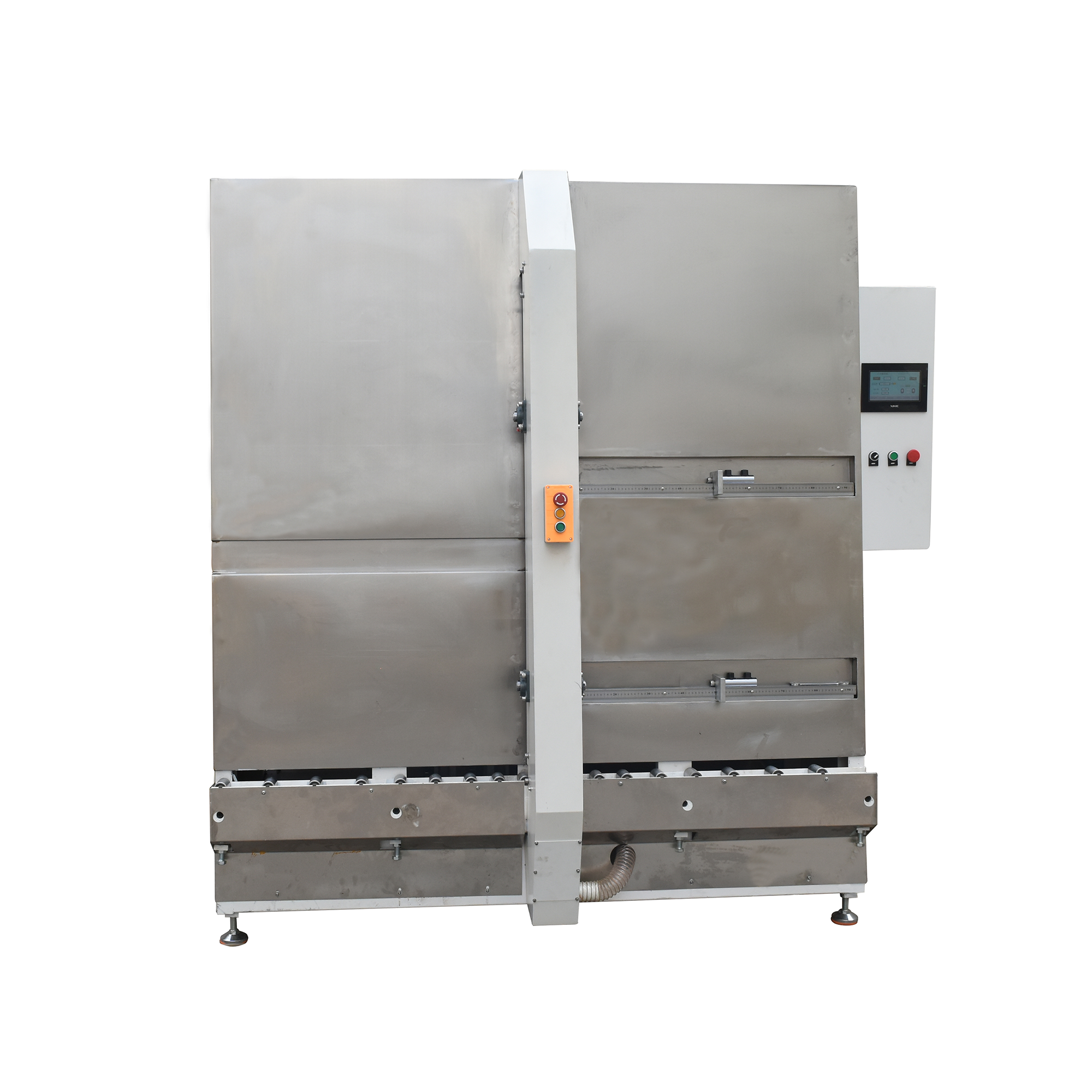
The visible industrial construction suggests a floor-standing machine format with enclosed housing, service access points, and a control section designed for line operation. While exact internal mechanics are not supplied, the cabinet-style build and mechanical base indicate a production-oriented unit suited to repeated use in electronics manufacturing machinery environments.
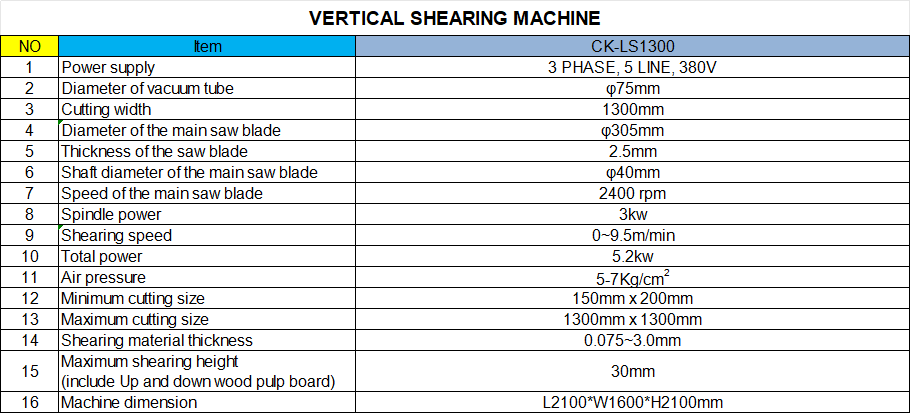
Machine Specification
Key Capabilities Buyers Typically Look For
Stable cutting structure
A PCB board shearing machine should hold the board securely during separation so the cut line remains consistent. Stability is important for boards with small components, routed edges, or narrow panel tabs.
Enclosed operation
An enclosed machine body helps protect moving parts and gives the production area a cleaner, more organized layout. It also supports safer operator interaction by keeping the work zone defined.
Simple line control
For production teams, easy-to-read controls, emergency stop functions, and clear access doors are practical advantages. These details matter when the machine is placed into an active PCB line and needs quick setup checks or service access.
Materials and Finish Options
PCB processing equipment is commonly built with sheet metal frames and protective surface finishes. Depending on the production environment, manufacturers may choose painted steel, powder-coated outer panels, or stainless-steel surfaces in areas that need better corrosion resistance or easier cleaning. A PCB raw material cutting machine intended for industrial use should balance rigidity, durability, and maintenance-friendly surfaces.
From the visible product data, the enclosure appears to use a metal cabinet structure with a clean industrial finish. For buyers, this is useful because rigid sheet-metal construction generally supports alignment and repeatability better than lightweight covers.
Manufacturing Process and Machine Build
Industrial shearing equipment is usually produced through a combination of welded frame fabrication, sheet-metal forming, machining of mounting surfaces, and final assembly of the drive and control elements. Precision in frame alignment is important because the cutting components must stay in a fixed relationship during operation. That is one reason manufacturers compare different PCB shearing equipment options by checking cabinet rigidity, service access, and how well the machine integrates into the line.
The visible latch assemblies, access panels, and external control boxes suggest a modular layout that should be easier to maintain than an overly sealed design. For buyers, this often translates into faster inspection and simpler servicing.
Typical Application Scenarios
A vertical shearing machine is commonly considered in electronics facilities that process panelized boards before final assembly, testing, or packing. It can be relevant where the board edge must remain neat and where repeatable separation is preferable to hand-breaking. In many plants, the machine may sit between upstream fabrication and downstream assembly operations.
Although the provided data does not confirm a specific process, the broader use case for a rigid printed circuit board cutting machine includes high-mix production lines, contract electronics manufacturing, and factories that need cleaner board separation with less operator variation. This makes it a practical option within electronics manufacturing machinery workflows.
Quality Control and Buyer Decision Factors
When evaluating a PCB board shearing machine, buyers usually focus on frame rigidity, access for blade or mechanism maintenance, control simplicity, safety features, and how well the machine matches board format and throughput needs. Because no exact performance data is provided here, it is best to validate cutting width, board thickness range, feed method, and compatibility with your panel design before purchase.
Other factors include operator ergonomics, footprint, installation requirements, spare part support, and the level of automation needed. If your production team is replacing manual separation, the most important question is not only whether the machine can cut, but whether it can do so consistently across shifts with minimal rework.
Customization Guidance
For OEM or project-based buyers, customization may involve enclosure size, feeding direction, safety guarding, control interface layout, and integration with upstream or downstream conveyors. If the machine is being adapted as a PCB raw material cutting machine for a specific line, the supplier should confirm panel dimensions, target cycle, board handling method, and the available installation space. Request drawing reviews early so the cabinet, access doors, and service clearances match your plant layout.
Why This Machine Format Is Worth Considering
A vertical shearing machine appeals to buyers who want a practical, enclosed industrial platform rather than an improvised cutting station. It offers a clearer process boundary, more stable operation, and a cleaner path to standardization. For electronics manufacturers under pressure to reduce handling errors, that can make the difference between a slow manual workflow and a controlled production step.
Request a Solution for Your PCB Line
If you are sourcing a PCB board shearing machine or evaluating PCB shearing equipment for a new production line, share your board size, panel style, and process target. A suitable machine recommendation depends on the actual cutting requirement, installation conditions, and automation level. Send your inquiry to discuss a configuration that fits your production needs.