




Vacuum Packing System Overview
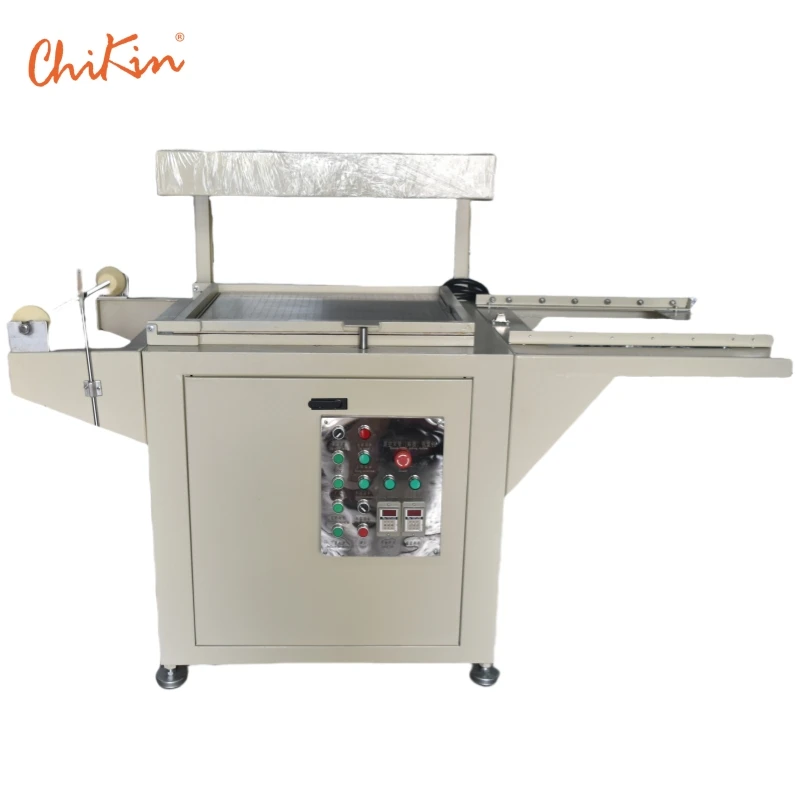
A Vacuum Packing System is used when a buyer needs more than a simple bagger or tabletop sealer. In factory environments, the main problem is often inconsistent packaging quality, unstable product positioning, or manual handling that slows output. A well-arranged vacuum packing line helps keep products aligned, support repeatable station-to-station movement, and create a controlled packaging process for industrial production. Based on the visible machine structure, this unit appears to be a floor-standing industrial machine with an enclosed cabinet, side guide rails, a worktable or conveyor section, and an overhead bridge assembly that supports a controlled operation area.
Because the exact process cannot be confirmed from the image alone, it is best viewed as a custom or semi-automated platform for packaging or material-handling tasks. For buyers evaluating PCB Panel Packaging, PCB Vacuum Packaging, or similar controlled packaging workflows, the value lies in stable placement, operator access, and a machine layout built for repeatability. If your production line needs a fixed station rather than a fully manual setup, this style of Industrial Packaging Equipment can be a practical fit.
Visible Machine Structure and Key Features
The machine shows several useful design elements that matter on a production floor. The enclosed base cabinet provides a protected machine body, while the flat upper deck creates a working area for items to travel through or be processed at a fixed point. Side infeed and outfeed guide rails help keep products on track, which is important when packaging flat panels, trays, or other items that must stay aligned.
The front-right control panel includes multiple push buttons and indicator lights in red, green, and black. Although the exact functions are not readable, this type of interface usually gives operators direct control over start, stop, and operating status. Adjustable leveling feet are also visible, which is useful for installation on uneven factory floors and for maintaining stable machine positioning.
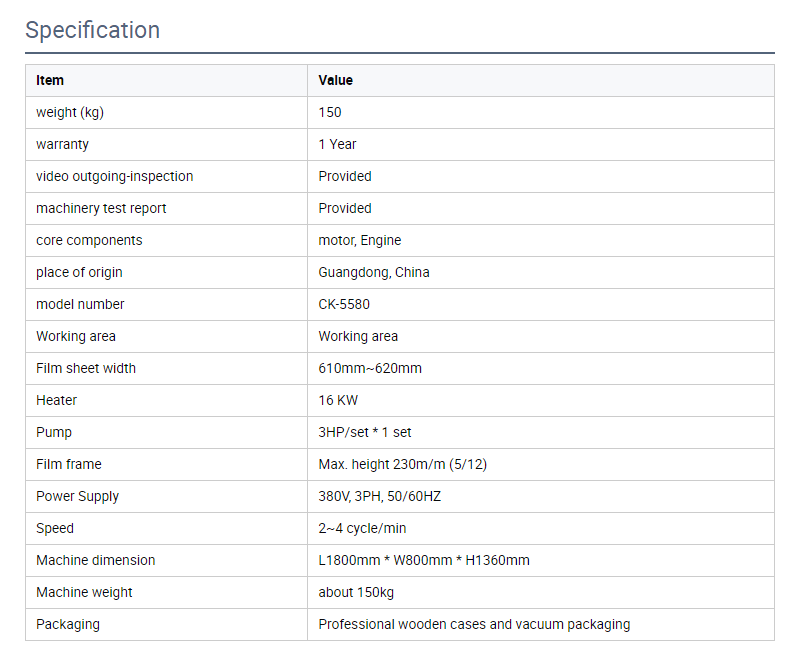
Key Specifications and Capabilities
Layout and handling
The visible footprint is compact for a floor-standing production machine, and the side guides suggest a guided feed path. That makes it suitable for controlled entry and exit of products during processing. For buyers comparing a Vacuum Sealing Machine with a more integrated production station, this design may offer more structure around the work area and better support for line-based handling.
Operator control
The front-mounted controls indicate that the machine is designed for direct operation by line staff. In many industrial settings, clear controls and indicator lights are important because they reduce setup confusion and help operators monitor the machine state during routine use.
Materials and Finish Options
From the image, the housing appears to be painted metal in a light beige or cream finish. The top deck is also metal, with visible structural framing underneath. This kind of construction is common in Industrial Packaging Equipment because it supports durability, easier cleaning, and a stable base for repeated operation. If your application requires corrosion resistance, food-contact suitability, ESD control, or special surface treatment, those details would need to be confirmed during customization, since they cannot be verified from the image.
Manufacturing Process and System Integration
As a machine platform, this type of system is typically built around a cabinet base, mechanical frame, guided work surface, and a control interface. In a production line, it may be integrated before or after another station, depending on whether the task is vacuum packaging, alignment, inspection, labeling, or another controlled operation. For PCB Panel Packaging, the important point is not just sealing or wrapping, but ensuring that the panels move predictably through the station without shifting.
If the overhead bridge assembly is part of the process head, it may support a processing function above the work surface. If it is a cover or utility structure, it may serve a different role. Since the image does not confirm the exact function, buyers should request a process description, layout drawing, and operating principle before making a final decision.
Application Scenarios
This Vacuum Packing System concept is suitable for factory floors where repeatable positioning is needed. Typical use cases may include line-side packaging, fixed-station handling, panel-oriented work, and semi-automated processing of flat or structured items. It may also suit operations that need operator supervision while keeping products moving through a controlled path.
For PCB Vacuum Packaging or related electronics packaging workflows, buyers often want stable guidance, clean machine layout, and consistent station control. A conveyor-based or guided worktable design can support those needs better than an improvised manual bench.
Quality Control and Buyer Decision Factors
When evaluating this type of machine, focus on the details that affect production stability: frame rigidity, rail alignment, access to controls, ease of cleaning, leveling adjustment, and how the work surface connects to upstream or downstream equipment. Ask whether the machine is designed for continuous line use or intermittent operation. Confirm the product size range, required utilities, and any protective features needed for your application.
For buyers comparing options, it is also important to clarify whether the machine is truly a Vacuum Sealing Machine, a packaging station, or another customized process unit. That distinction affects the entire project, from layout planning to operator training.
Customization Guidance
Customization is often the deciding factor for industrial buyers. You may need changes to guide rail spacing, conveyor height, control logic, cabinet size, surface finish, or station integration. If you are sourcing PCB Panel Packaging equipment, provide sample product dimensions, line direction, and handling requirements so the machine can be matched to your process. The more clearly the operating sequence is defined, the easier it is to adapt the system for stable production.
Request a Quote or Technical Review
If you are planning a new production line or upgrading an existing station, this Vacuum Packing System style machine can be discussed as part of a broader packaging or handling solution. Send your product dimensions, process goal, and line layout so the right configuration can be reviewed. A clear technical brief will help determine whether this platform is the right fit for your packaging workflow.