



Uncoated Manual PCB V-CUT Saw Blade for Controlled Board Separation
The Uncoated manual PCB V-CUT saw blade is used to separate pre-scored circuit boards cleanly when manufacturers need control at the depaneling stage. Instead of forcing panels apart by hand, the blade supports a more deliberate cutting motion that helps reduce edge damage, uneven breaks, and unnecessary stress on the board. For production teams handling thin materials or small batches, this type of blade addresses a common problem: getting a consistent cut path without relying on a fully automated line.
Product Overview
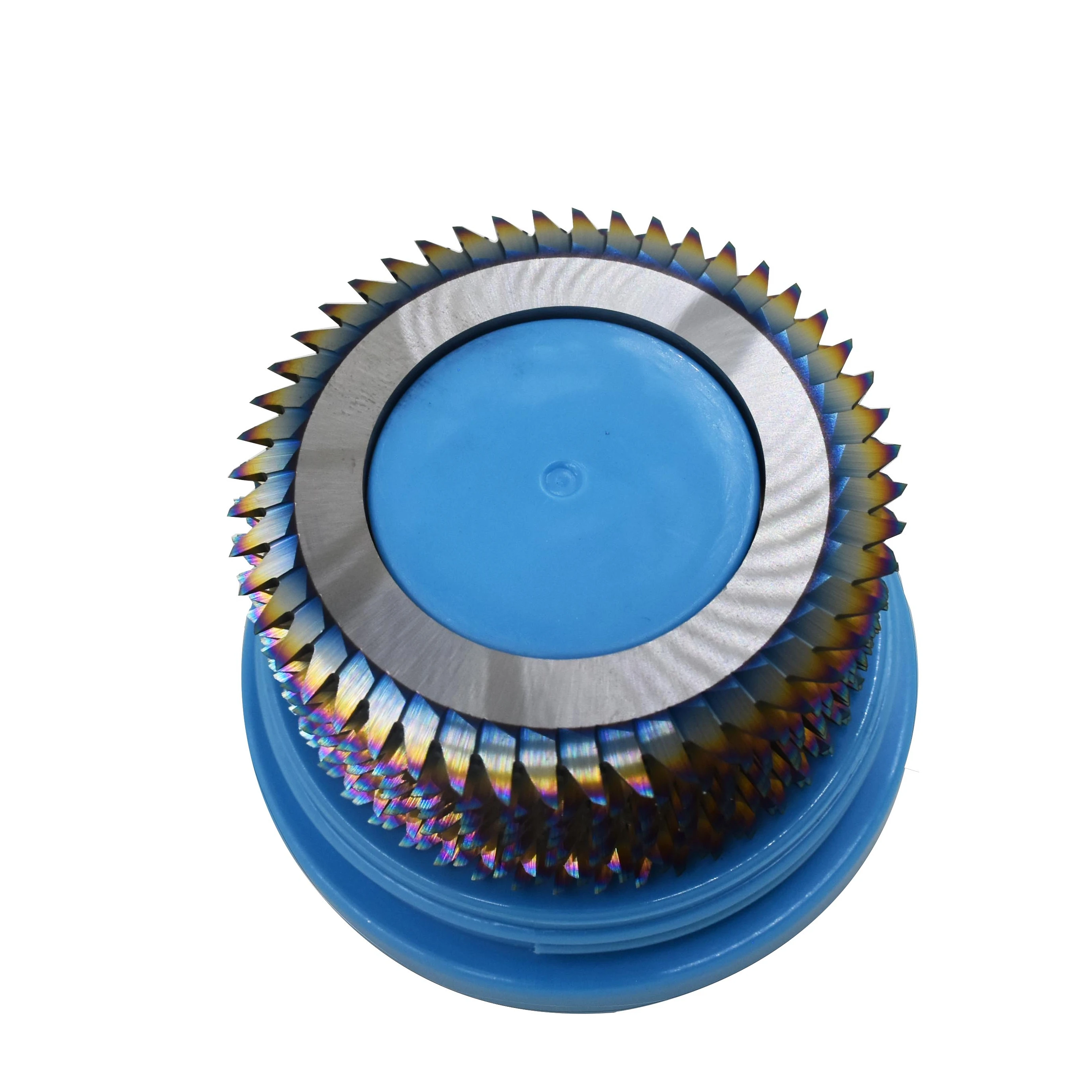
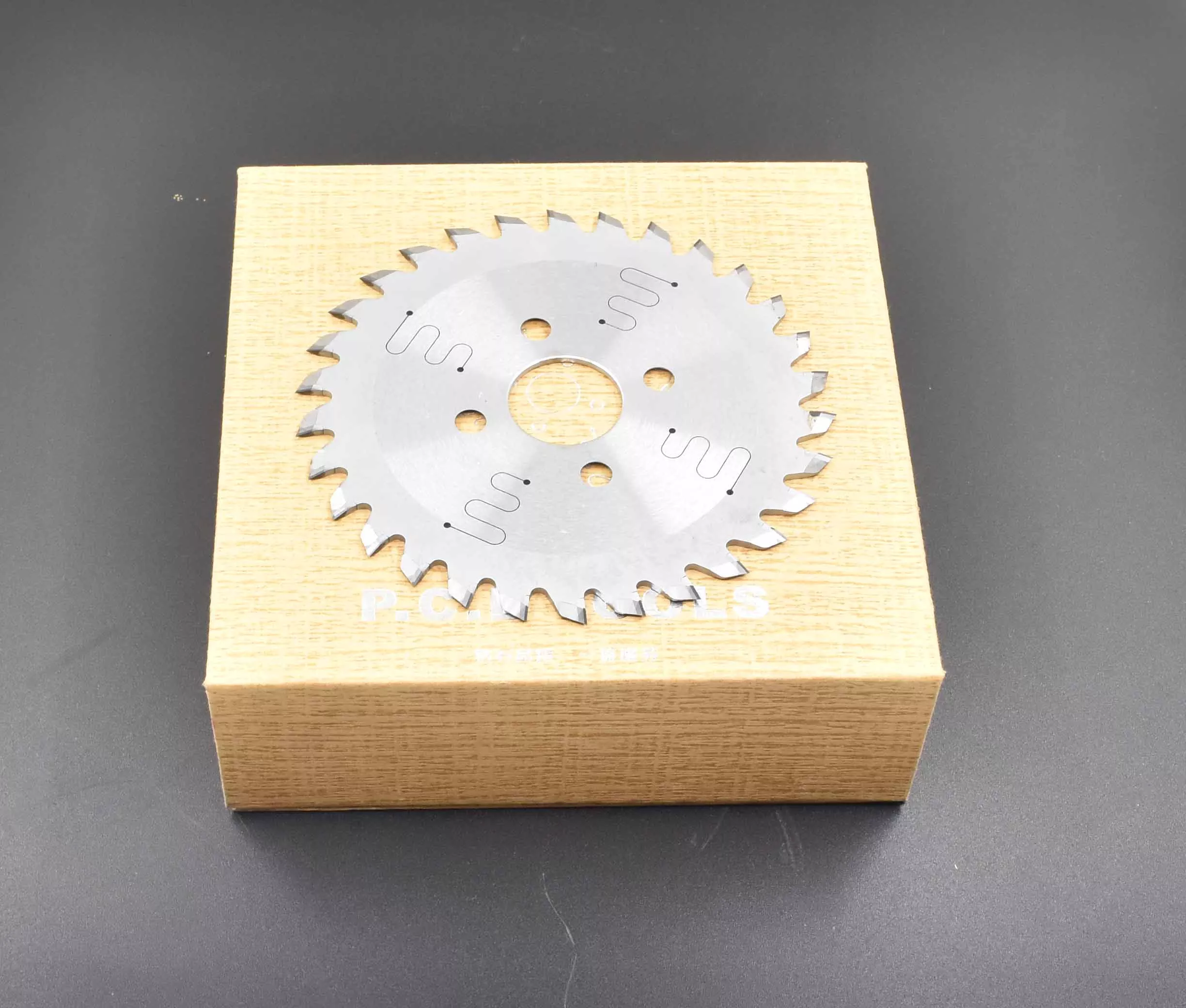
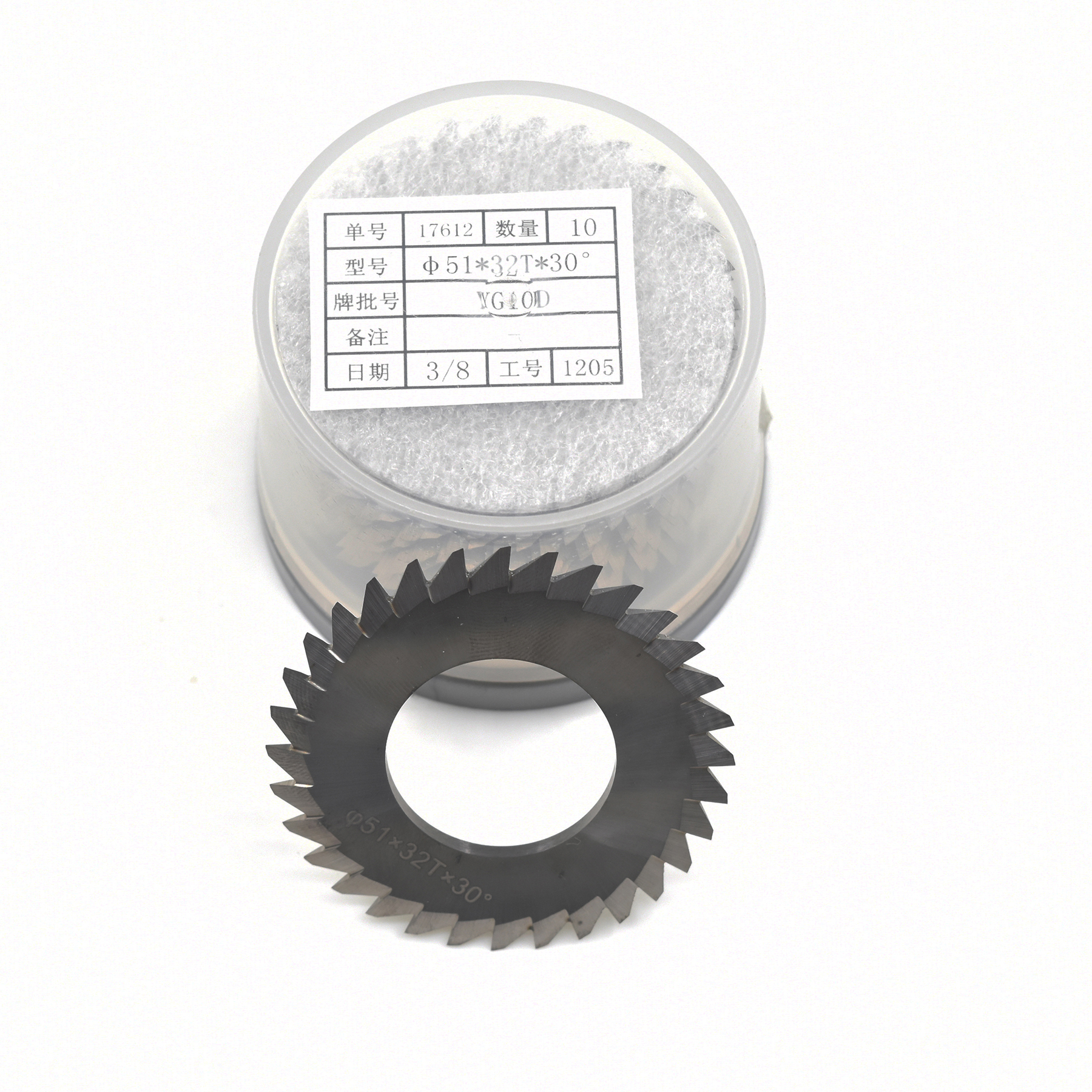
Based on the visible product information, this cutting tool is a circular metal blade with a large center bore, a thin flat profile, and a ring of evenly spaced triangular teeth around the perimeter. The label marking appears to read Φ51*32T*30°, which likely indicates a 51 mm diameter format, 32 teeth, and a 30° tooth angle. The blade shown has an uncoated, dark metal appearance with ground cutting edges. Exact material grade, thickness, and machine compatibility are not confirmed from the image, so buyers should verify those details before ordering.
In practical terms, this style of blade fits manual or semi-manual depaneling workflows where operators need a dependable Manual PCB cutting blade for V-groove separation. The visible construction suggests a precision cutting tool rather than a general-purpose knife.
Detailed Specification
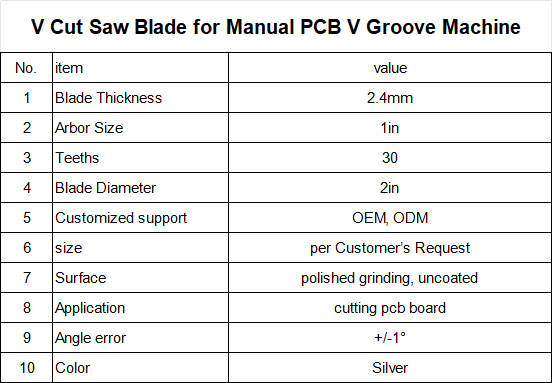
Key Specifications and Visible Features
Geometry
The blade is circular and serrated, with symmetrical teeth distributed around the full outer edge. The center bore is large and smooth, allowing mounting on compatible tooling or fixtures. The profile appears rigid and thin, which is important for narrow cut paths and controlled feed movement.
Marking and Identification
The printed and engraved marking visible on the blade or packaging includes 32T and 30°. These markings help identify tooth count and tooth angle, though the exact standard should be confirmed with the supplier. The package label also shows a quantity of 10, which may be useful for procurement planning and inventory control.
Surface Finish
The finish appears matte to semi-matte, with no obvious coating visible. Because of that, it is best described as an Uncoated saw blade for PCB based on what can be seen. The cutting edges look ground or sharpened, which is consistent with a blade intended for repeatable board separation.
Materials and Finish Options
The image suggests a dark metal body that is likely steel or hardened tool steel, but the exact alloy is not identifiable from appearance alone. In this category, buyers typically compare blade body stiffness, edge retention, and whether a coating is present. Since this part appears uncoated, the focus is likely on the base tool material and edge quality rather than a special surface treatment.
For purchasing decisions, it is worth confirming whether the blade is intended for dry use, whether it needs corrosion protection during storage, and whether the finish affects cleaning or wear on the application side.
Manufacturing Process and Construction
The visible shape and edge quality are consistent with a blade made through precision metal forming or machining, followed by heat treatment and edge grinding. That said, the exact process is not confirmed by the image. In this product class, manufacturers commonly control concentricity, tooth spacing, and sharpness because these factors influence cut stability.
The evenly spaced teeth and clean circular profile suggest attention to dimensional consistency. For buyers comparing a PCB V-cut saw blade against lower-grade cutting tools, uniformity is often a practical indicator of easier setup and fewer interruptions during use.
Application Scenarios
This blade is aimed at manufacturers working with thin panels or scored boards in controlled cutting environments. A Printed circuit board saw blade like this is typically considered when the goal is to separate board sections after V-scoring while minimizing chipping or board flex.
Possible use scenarios include small-batch electronics assembly, contract manufacturing, lab-scale production, and repair or rework stations that rely on manual separation methods. The same general blade form can also be relevant to other thin-material cutting tasks where a narrow, toothed circular cutter is preferred.
For operations that need a Manual depaneling saw blade, the priority is usually clean board release, operator control, and compatibility with the existing fixture or hand tool setup.
Quality Control Considerations
When evaluating this kind of blade, buyers usually look at tooth consistency, bore accuracy, flatness, and edge sharpness. The visible product shows uniform tooth spacing and a centered bore, both of which matter for stable rotation and predictable cutting behavior. Since no exact tolerance data is supplied, it is best not to assume specific precision grades.
Incoming inspection can focus on visible burrs, tooth damage, finish consistency, and packing condition. For a production floor, those simple checks can prevent installation issues before the blade reaches a machine.
Customization and Buyer Guidance
Before purchasing, confirm the machine interface, bore requirement, blade diameter, and tooth angle specification. The marking Φ51*32T*30° may be the most useful starting point, but the buyer should verify the interpretation with the supplier because exact code conventions can vary. If the blade will be used as a V-cut blade for PCB in a specific fixture, compatibility is more important than appearance alone.
Ask whether matching blades are available in different tooth counts, angles, or surface finishes. If your line uses sensitive boards, board thickness and scoring depth should also be checked against your process before production use.
How to Choose the Right Blade
Selection usually depends on four factors: board thickness, groove depth, machine mounting size, and the desired cut quality. A blade with the wrong bore or tooth format can create alignment problems even if the outer diameter looks correct. Buyers comparing a Manual PCB cutting blade should also consider operator comfort and feed control, especially in repetitive depaneling work.
If you need a blade for general industrial trimming rather than electronics panel separation, confirm whether this geometry matches your material. Not every serrated disc is suited to the same stock or feed speed.
Request a Specification Review
If you are sourcing an Uncoated manual PCB V-CUT saw blade for production use, send your board thickness, fixture dimensions, and required blade code so the supplier can confirm fit before shipment. For procurement teams, that extra check reduces the risk of ordering a blade that looks correct but does not mount or cut as intended.
Contact the supplier with your application details, and verify the marked dimensions, tooth angle, and pack quantity before placing a bulk order.