



Solid Carbide V Grooving Saw Blade for Precise, Repeatable Cutting
The Solid Carbide V Grooving Saw Blade is built for buyers who need clean, controlled V-grooves instead of rough cuts, torn edges, or inconsistent panel separation. In PCB depaneling, precision scoring, and other rotary cutting operations, the real problem is not just making a cut; it is making the same cut again and again with stable edge quality and minimal process drift. A properly selected V Grooving Saw Blade helps solve that by supporting accurate groove formation, reliable tool tracking, and smoother production flow.
Product Overview
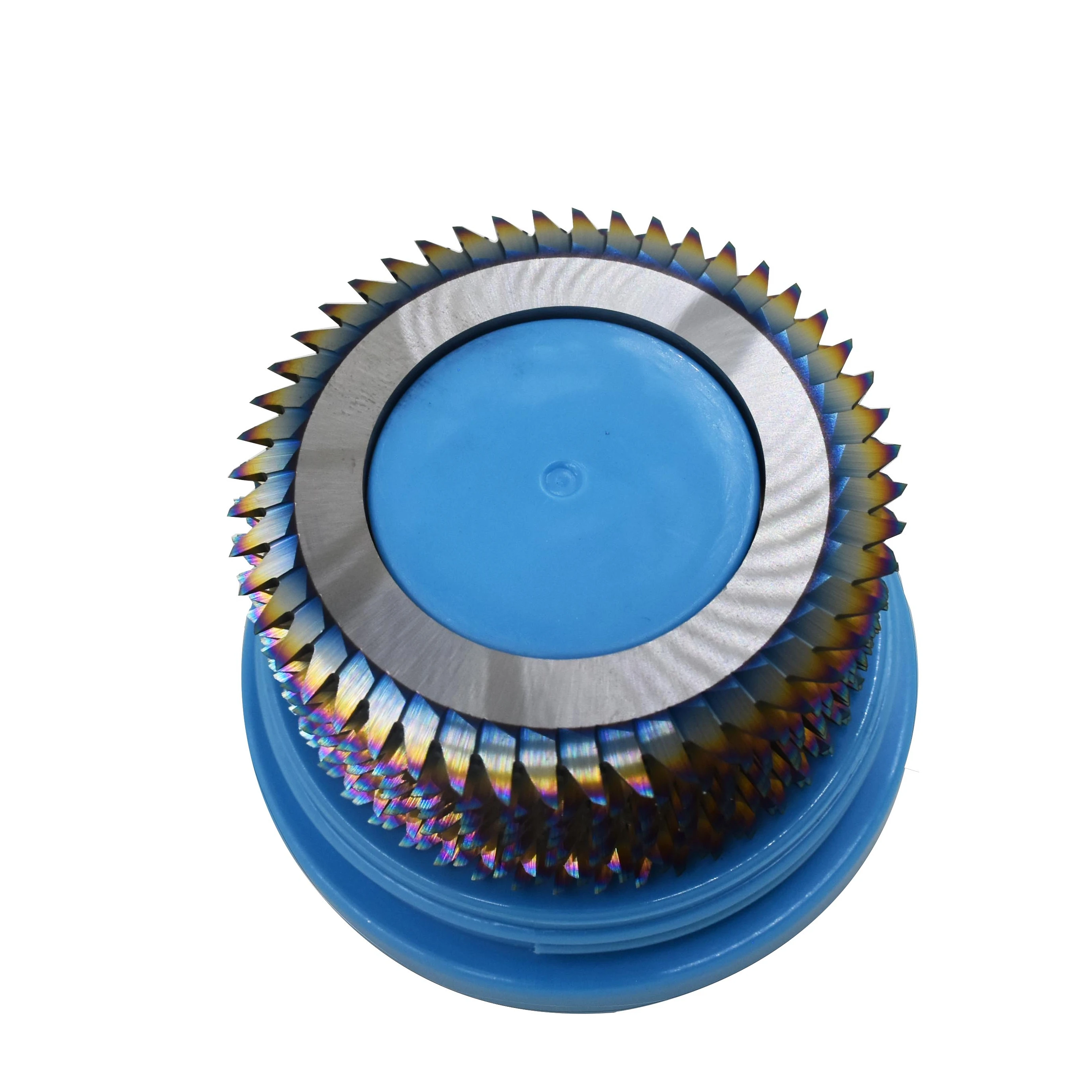
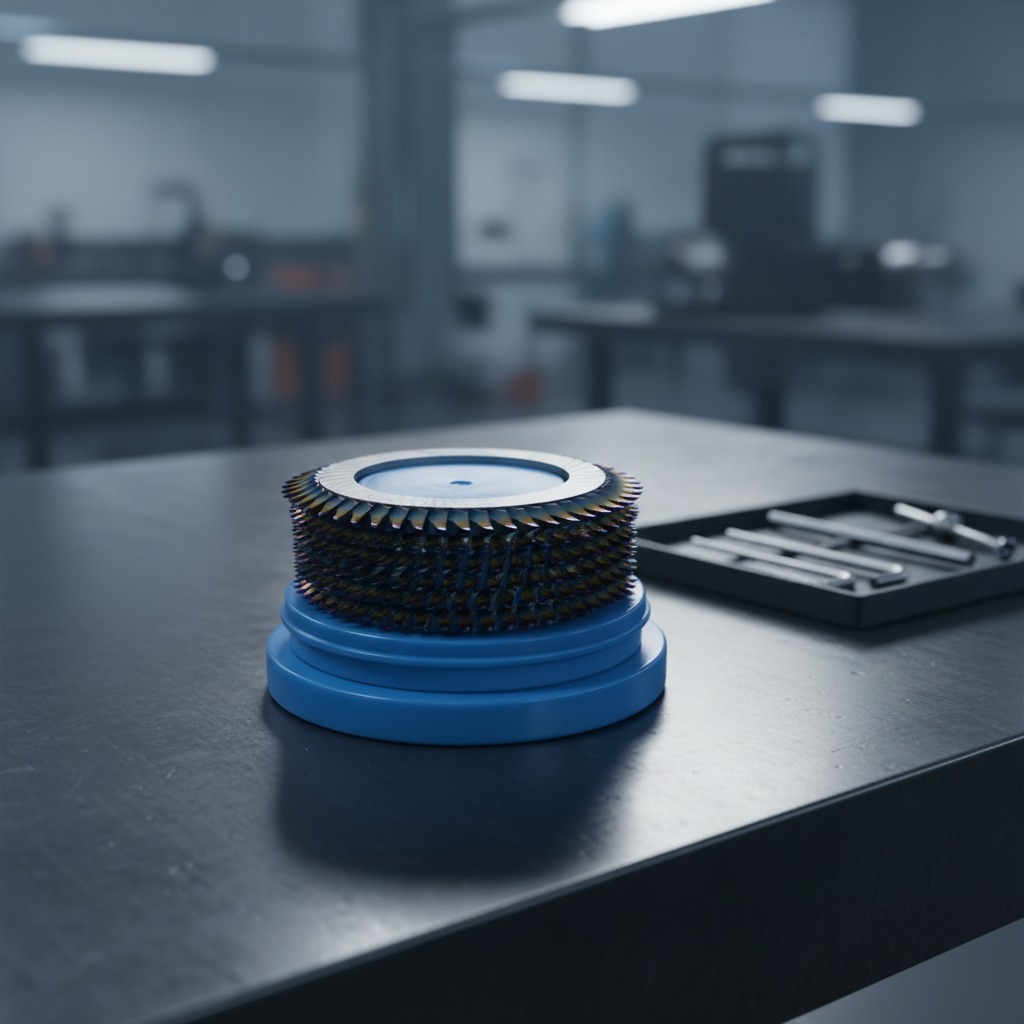
This product belongs to the family of circular precision cutting tools used in industrial machining and scoring applications. Based on the visible structure, it features a round metallic body, a toothed outer circumference, and a machined surface finish. The tool design suggests a high-precision rotary cutter intended for repeatable material removal. Depending on the machine setup, it may be used as a Solid Carbide V Grooving Blade, a PCB V cutter, or a similar carbide cutting wheel for slitting and grooving operations.
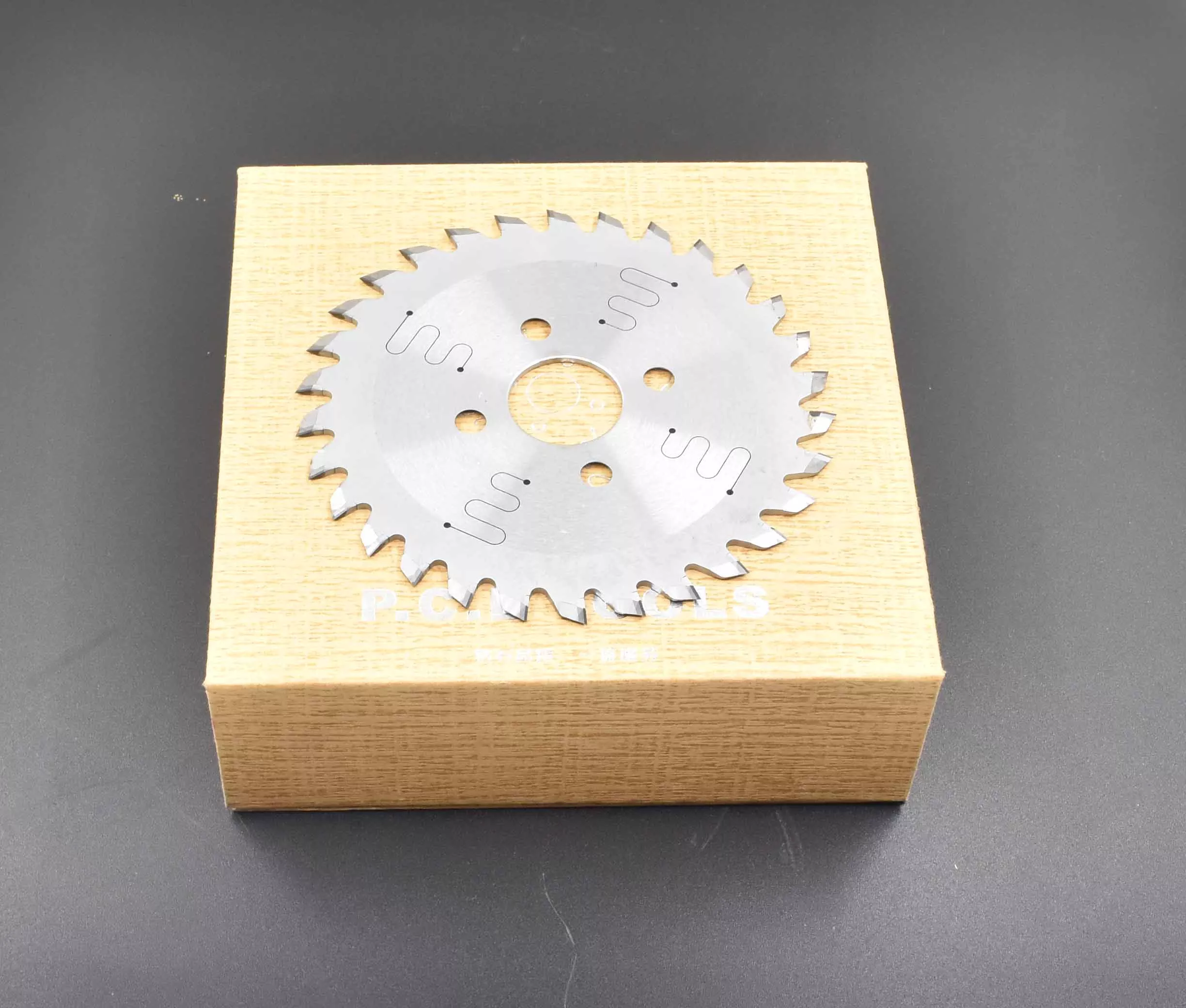
The visible appearance also suggests careful edge protection during storage and shipping, which matters when a buyer is handling sharp, finely ground tooling. Even small edge damage can affect cut consistency, especially in thin materials and panel work.
Detailed Specification
Key Specifications and Capabilities
Visible construction features
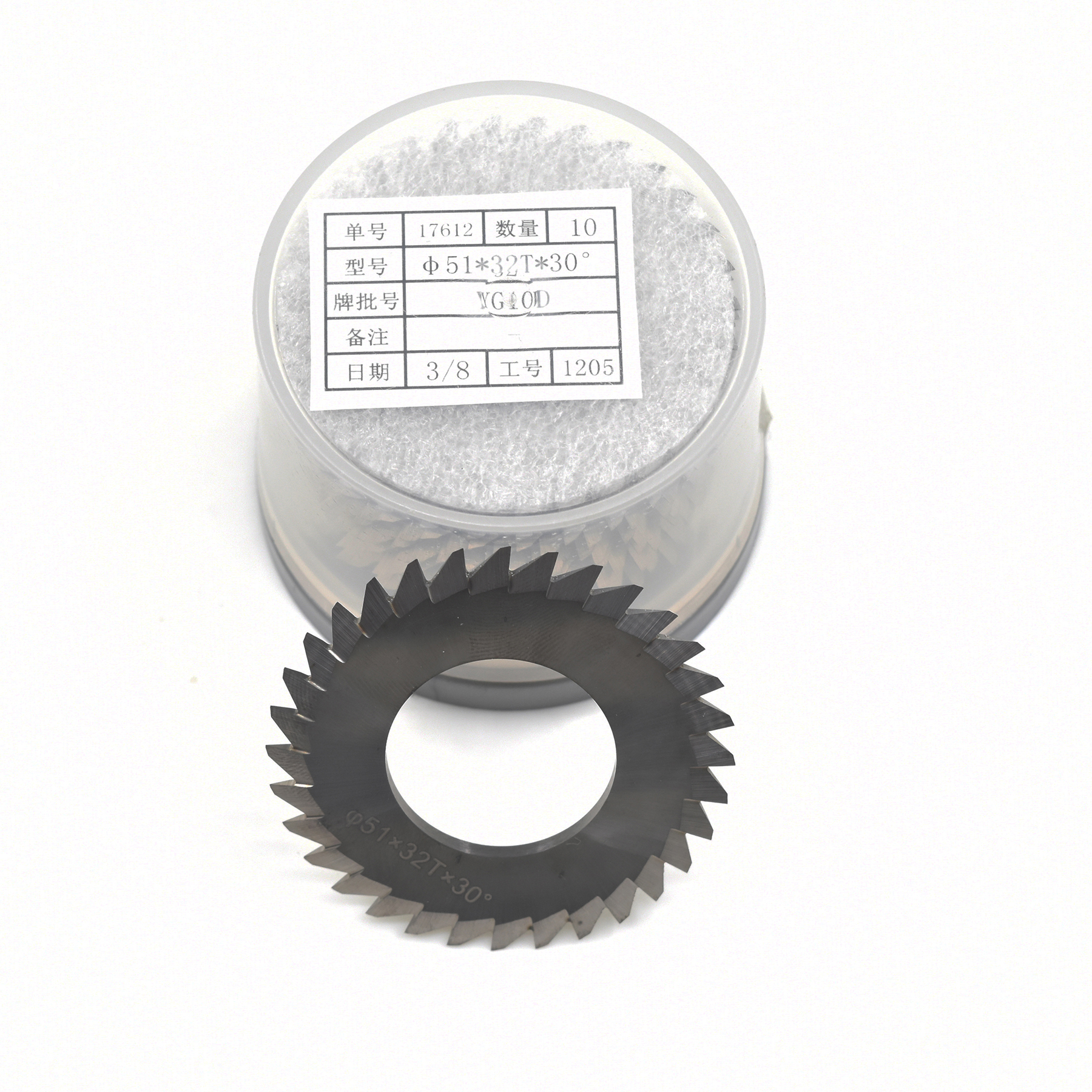
The blade appears circular and flat, with evenly spaced outer teeth or serrations around the perimeter. The center has a mounting bore or arbor opening, and some versions shown in the supplied data include additional mounting holes. The face finish looks silver and reflective, while the cutting edges show an iridescent tint that may indicate heat treatment, oxidation, or a coated surface. Exact coating type cannot be confirmed from the image alone.
What this type of blade is designed to do
As a Precision V Grooving Blade, it is meant to remove material in a controlled path rather than brute-force cut through a workpiece. That is useful when groove depth, edge condition, and repeatability matter more than speed alone. Buyers typically choose this category when they need stable performance in CNC machines, depaneling equipment, or other rotary cutting systems.
Materials and Finish Options
From the visible data, the blade looks like a metal tool, likely made from hardened steel or carbide-based tooling material. The term Solid Carbide Saw Blade usually refers to tooling where the cutting portion is carbide, chosen for wear resistance and edge retention. However, the exact grade is not provided and should be confirmed before purchase.
Surface finish can matter just as much as the base material. A polished or ground finish helps reduce friction and supports cleaner motion through the cut. If a coating is present, it may improve wear resistance or reduce adhesion, but buyers should verify the actual coating type, since a rainbow-like appearance alone is not enough to identify it.
Manufacturing and Edge Formation
Tools in this class are commonly produced through precision machining, grinding, tooth profiling, and, in some cases, heat treatment. That manufacturing route is important because a V Groove Cutting Blade must maintain geometry across many cycles. A small error in tooth spacing, flatness, or hole alignment can create runout, uneven groove width, or premature wear.
The visible regularity of the teeth suggests an emphasis on symmetry and repeatability. For production buyers, that usually means better setup stability and fewer interruptions for tool correction.
Application Scenarios
This type of V Grooving Saw Blade is especially relevant in PCB manufacturing and electronics assembly, where boards must be separated along score lines with controlled force. It is also suitable for metal fabrication, toolroom operations, profiling, and general rotary cutting tasks where a narrow groove or precise edge path is required.
Outside electronics, a Carbide V Groove Blade may also be considered for converting or trimming work in industrial lines handling hard or semi-rigid materials. The exact application depends on blade geometry, machine speed, feed rate, and the workpiece material.
Quality Control Buyers Should Ask About
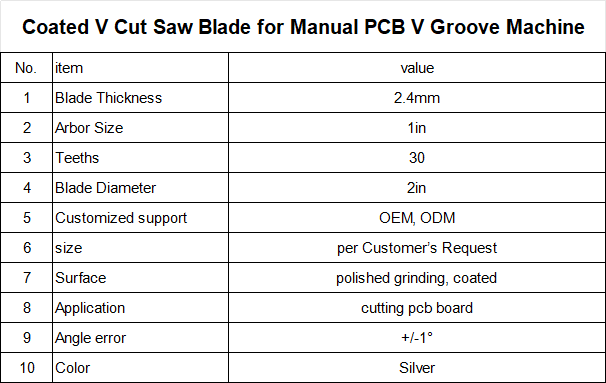
Before selecting a Solid Carbide V Grooving Blade, buyers should ask for the actual dimensions, bore size, mounting pattern, tooth geometry, and any available material specification. Runout, flatness, and edge finish are especially important for scoring applications. If the tool is used for PCB depaneling, compatibility with the machine spindle and holder is just as critical as the blade itself.
It is also wise to confirm packaging method. A protected blade edge reduces the risk of nicks during transit, which can otherwise show up as poor cutting quality on first use.
Customization and Selection Guidance
When sourcing this kind of V Grooving Saw Blade, focus on the workpiece first. Is the job PCB separation, thin-gauge metal scoring, or general slitting? Then match blade diameter, thickness, arbor size, tooth profile, and coating preference to the machine and material. If you need a Solid Carbide V Grooving Blade for high-volume production, ask for dimensional drawings and compatibility details before ordering.
For buyers comparing suppliers, the best choice is usually the one that provides clear geometry, stable consistency from batch to batch, and straightforward technical documentation. A tool with the right design but poor repeatability can still create downtime and scrap.
Why This Tool Matters in Production
A precision blade is not just a consumable; it is part of process control. Choosing the right PCB V cutter saw blade or rotary grooving wheel can improve edge quality, reduce secondary finishing, and support smoother throughput. For production teams, that means fewer rejected parts and less time spent compensating for inconsistent cuts.
Request the Right Blade for Your Process
If you are evaluating a Carbide V Groove Blade or a Precision V Grooving Blade for your line, share your machine model, material type, groove width target, and mounting requirements. The more exact the application details, the easier it is to match the correct blade geometry and avoid trial-and-error ordering. Contact us to discuss the blade specification that fits your cutting process.