




Ring setting machine for controlled bench-top pressing and inspection
A ring setting machine helps solve a common workshop problem: how to repeat a pressing, setting, or measurement step with enough control that every part is handled the same way. In small-batch manufacturing, prototype assembly, and inspection work, hand tools can vary from operator to operator. A manual bench-mounted fixture like this gives the operator a rigid frame, a long lever for mechanical advantage, and a more stable way to apply force or monitor movement during a setup, test, or light-duty forming task.
Product overview
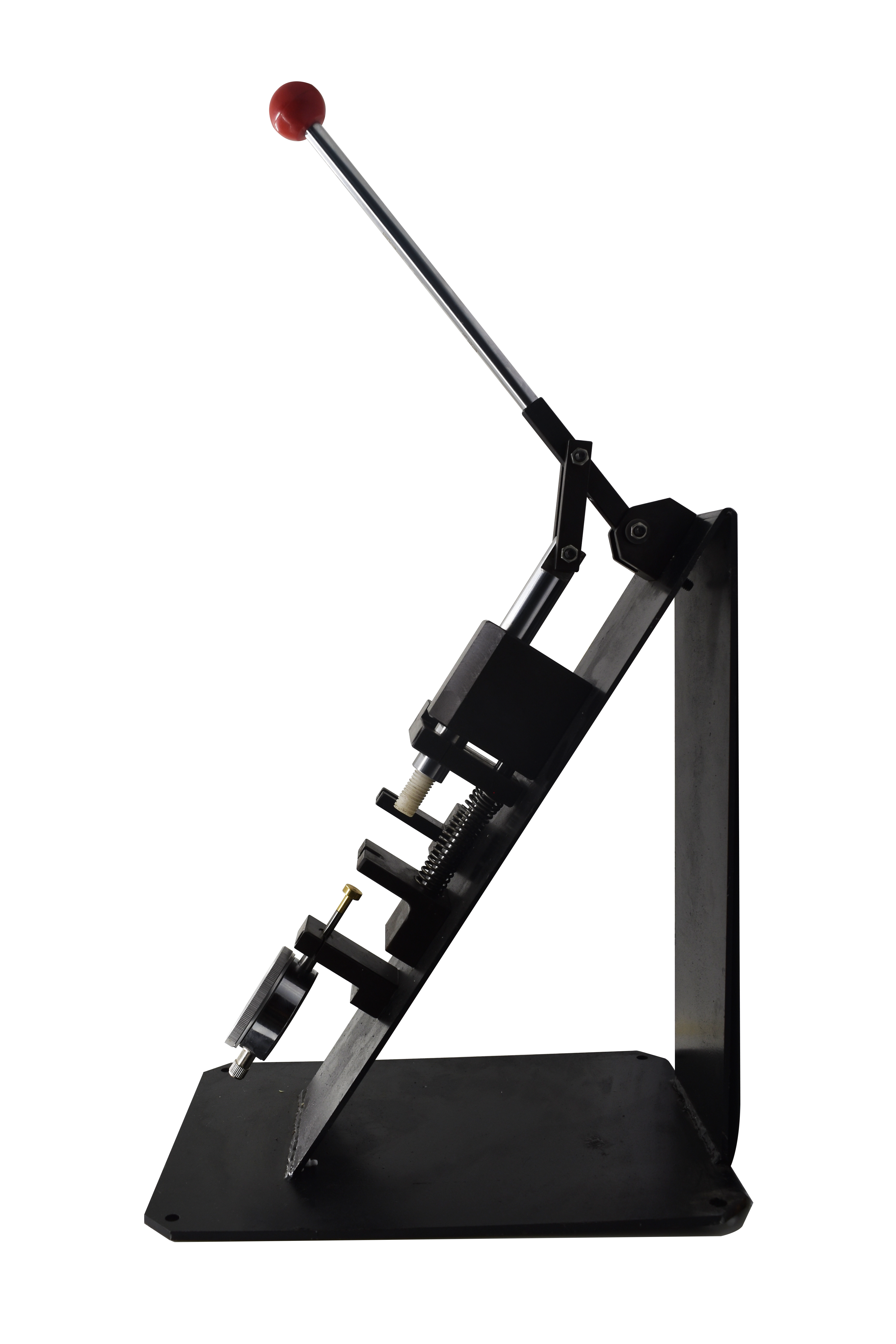
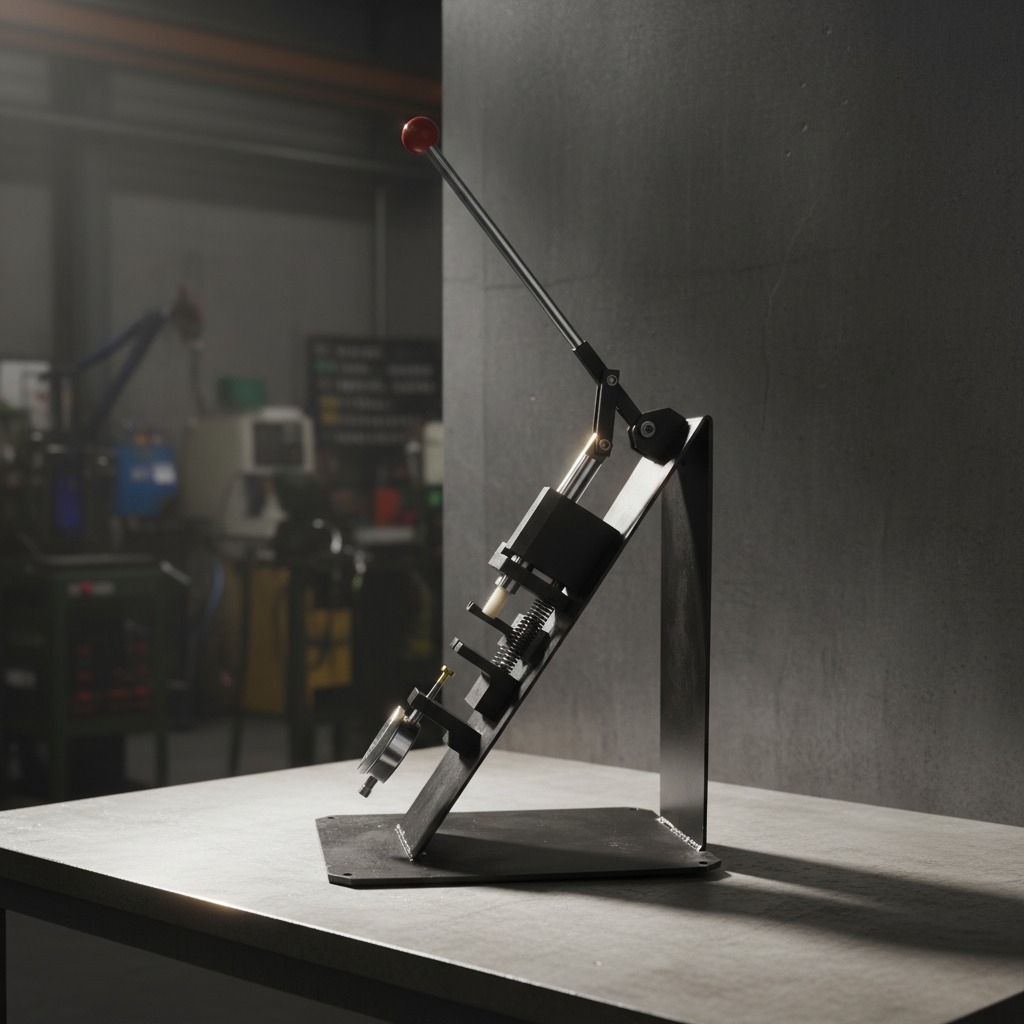
Based on the visible structure, this unit appears to be a manual mechanical press or test fixture built for bench use. The frame is made from welded steel plate and rectangular tubing, with a vertical support, pivoting linkage, and a lever handle fitted with a red spherical grip. The lower working area includes an adjustable tooling zone with a spring-loaded element and a dial indicator mounted nearby. That combination suggests the machine is intended for repetitive pressing, setting, compression, or displacement checks rather than high-speed production.
For buyers comparing electronics manufacturing equipment or general shop fixtures, the practical value is in repeatability. Instead of freehand forcing a part into position, the operator can use a defined mechanical path, a fixed base, and an adjustable stop or tooling point. The result is better consistency when assembling small components, comparing part travel, or verifying fit.
Machine Specification
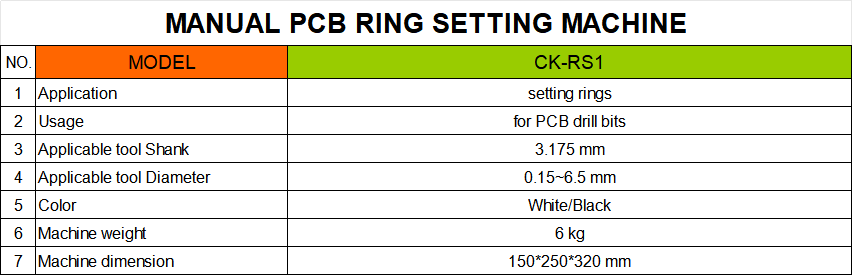
Visible capabilities and key features
Manual lever operation
The long handle provides mechanical advantage, allowing an operator to generate controlled motion with less effort. That is useful when a process requires steady travel rather than a sudden impact.
Rigid bench-mounted frame
The base plate appears suitable for bolting to a workbench. A fixed mounting surface improves stability and helps reduce movement during pressing or inspection cycles.
Adjustable lower tooling area
The lower assembly appears to include a screw stop, guide blocks, and a spring-loaded element. These features indicate that the working height or contact point can likely be adjusted to suit different samples or setups.
Analog dial readout
The dial indicator on the front lower area suggests the machine may be used to observe travel, deflection, or displacement. For a quality-control workflow, that kind of direct visual feedback can be more practical than a purely manual feel-based operation.
Materials and finish options
The visible frame looks like painted or powder-coated steel in a matte black finish, with polished metal shafts and hardware. The handle end appears to be a red plastic or coated grip. From the image alone, exact material grades and coating specifications cannot be confirmed, but the construction clearly favors a durable industrial metal build.
For custom versions of a ring placement machine or similar fixture, buyers often request surface treatment choices such as painted steel, plated hardware, corrosion-resistant fasteners, or machined contact faces. The right finish usually depends on the operating environment, cleaning routine, and whether the fixture is used in a lab, workshop, or production cell.
Manufacturing process and build logic
This type of equipment is typically fabricated from welded steel components, then paired with machined pivot points, threaded adjustment parts, and bolted hardware. That mix of fabrication methods is common in custom shop equipment because it combines strength with simple serviceability. The lever, linkage, and carriage assembly are designed to translate hand force into a more controlled vertical or angled action.
If this fixture is used as part of a PCB manufacturing line or adjacent assembly operation, the manual format can be useful for prototype runs, sample validation, or low-volume processes where full automation is not justified. It is not possible to confirm PCB-specific compatibility from the image alone, so any such use should be validated against the actual tooling and process requirements.
Application scenarios
This bench-top machine is suited to small parts handling, light pressing, fixture-based inspection, and shop-floor verification tasks. Likely use cases include compressing small components, setting parts into place, checking spring response, comparing travel, or supporting prototype development. In a lab or quality room, the dial indicator can help capture repeatable movement during a test cycle.
Buyers searching for a Ring placement machine may also consider whether the part needs gentle insertion, controlled seating, or repeatable alignment. If the ring or component is sensitive to over-force, a manual lever system can be a safer option than an uncontrolled hand press because the operator can feel resistance as the stroke progresses.
Quality control and buyer decision factors
When evaluating a fixture like this, focus on the factors that affect day-to-day use: frame rigidity, base stability, lever feel, adjustability, and gauge visibility. Also check whether the working area is large enough for your part, whether the stop can be set accurately, and whether the contact surfaces are appropriate for the component material.
Because the image does not confirm exact capacity, stroke length, or measurement range, a buyer should define the required force, movement, and part size before ordering or adapting the fixture. If the application involves repetitive inspection, ask how the dial indicator is mounted, whether calibration is needed, and whether replacement tooling can be installed without major rework.
Customization guidance
For custom builds, useful options may include a different lever ratio, alternate tooling inserts, height adjustments, upgraded guides, or a modified indicator mount. If the workpiece is delicate, softer contact pads or a narrower press head may reduce marking. If throughput matters, quick-change tooling and a more accessible adjustment screw can save time between setups.
Since this product is best understood as a manual mechanical test fixture or press assembly, the smartest customization path is to match the mechanism to the part first, then refine the base, tooling, and readout around that process.
Get the right fixture for your process
If you need a compact, bench-mounted solution for controlled pressing, setting, or displacement checking, this style of machine is worth serious consideration. Share your part dimensions, target motion, and required setup method, and the fixture can be matched more closely to your application.
Send your drawing, sample, or process description to discuss a suitable configuration.