




PCB registration hole drilling machine overview
A PCB registration hole drilling machine is used when a board needs accurate locating holes for alignment, tooling, or repeatable downstream processing. In PCB production, even a small shift in hole position can affect lamination alignment, fixture placement, or assembly consistency. This kind of machine helps solve that problem by creating precise registration points on a stable work platform, making it easier to position each panel the same way every time.
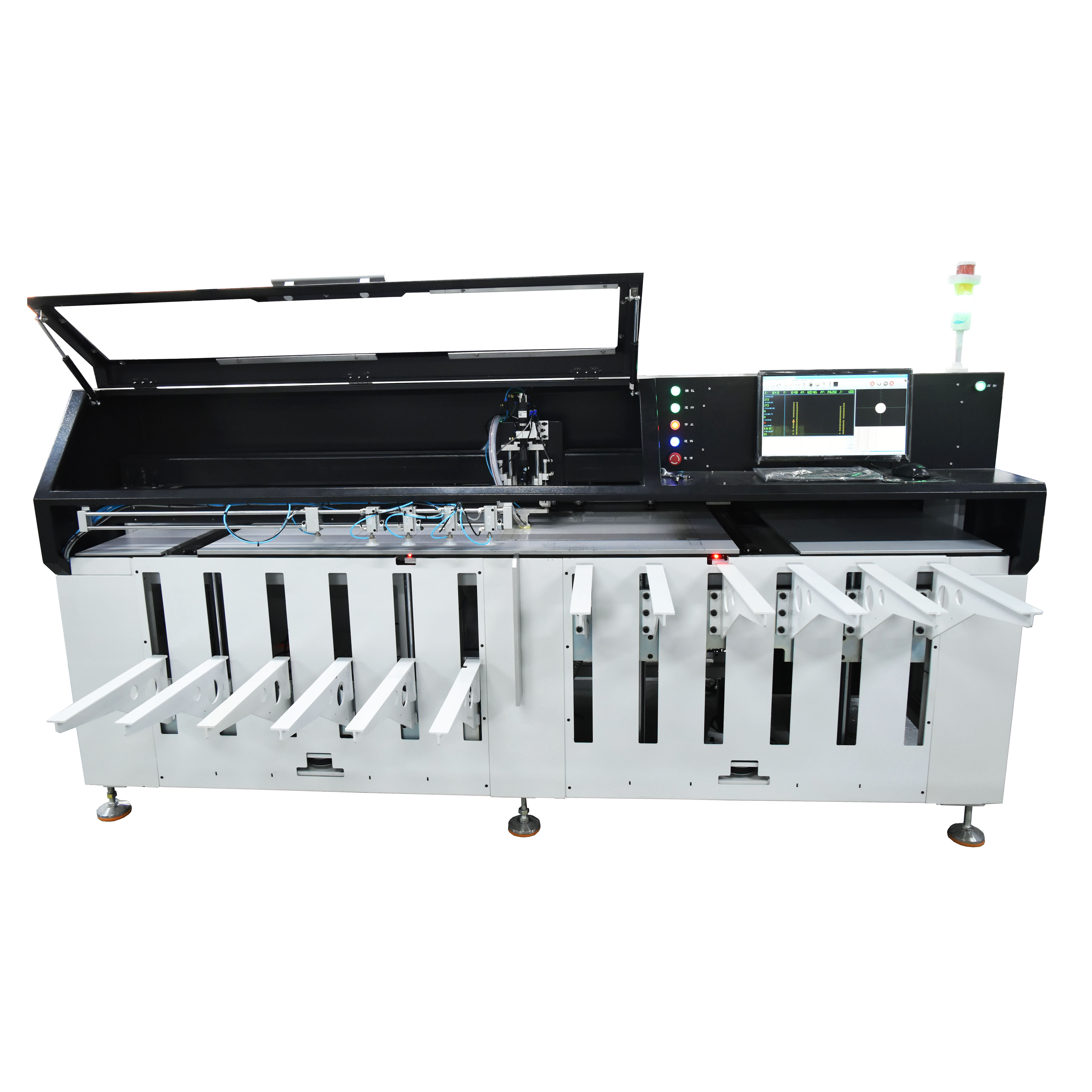
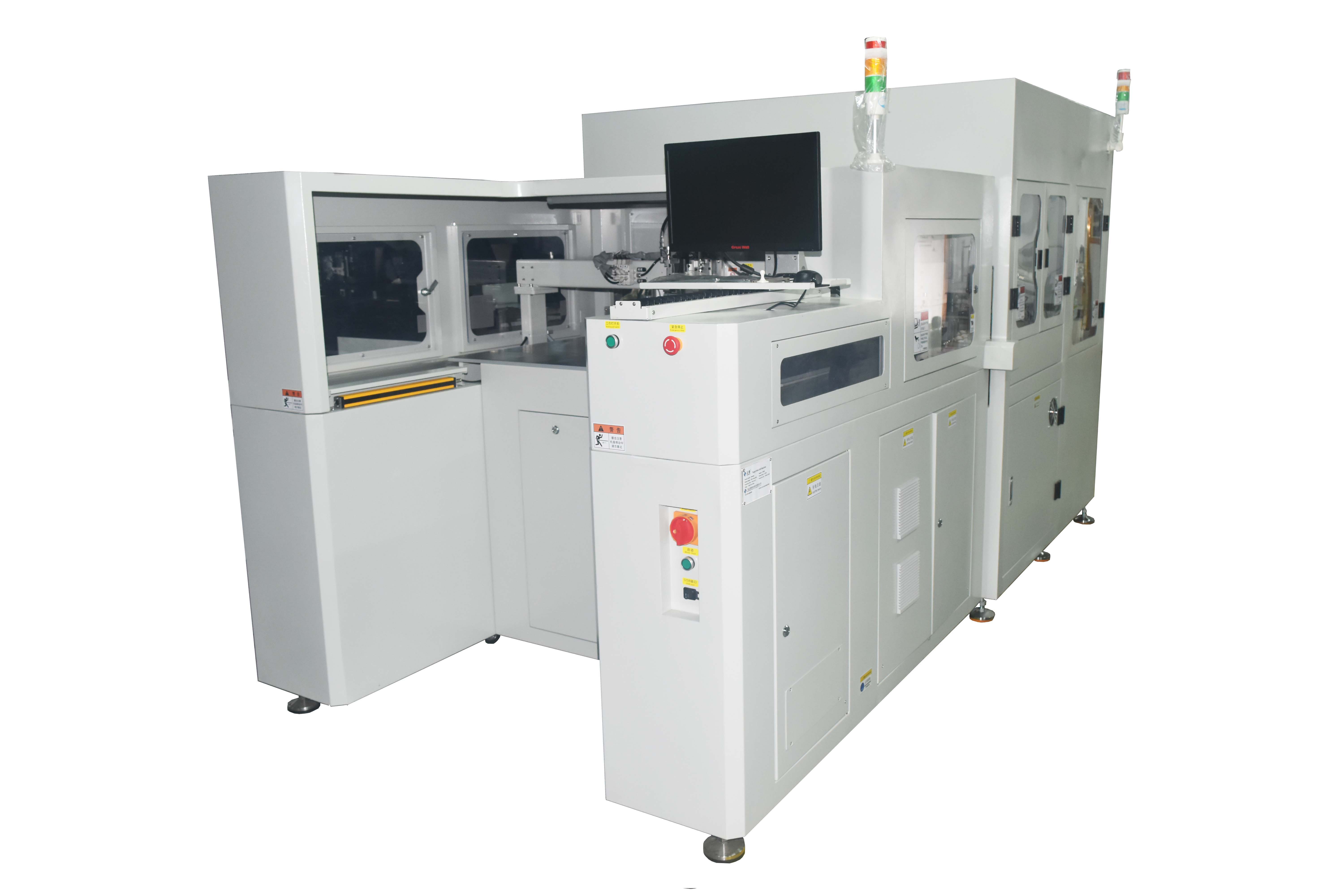
From the visible machine structure, the equipment appears to be built as an enclosed industrial workstation with a rigid cabinet base, a dedicated flat table, and a controlled processing head above the work area. That layout is well suited to small-part or board-level operations where positioning stability matters more than speed alone. For buyers comparing a target drilling machine, a PCB hole drilling machine, or a PCB locating hole machine, the main value is repeatable hole placement and a cleaner production workflow.
Machine Specification

Product structure and working concept
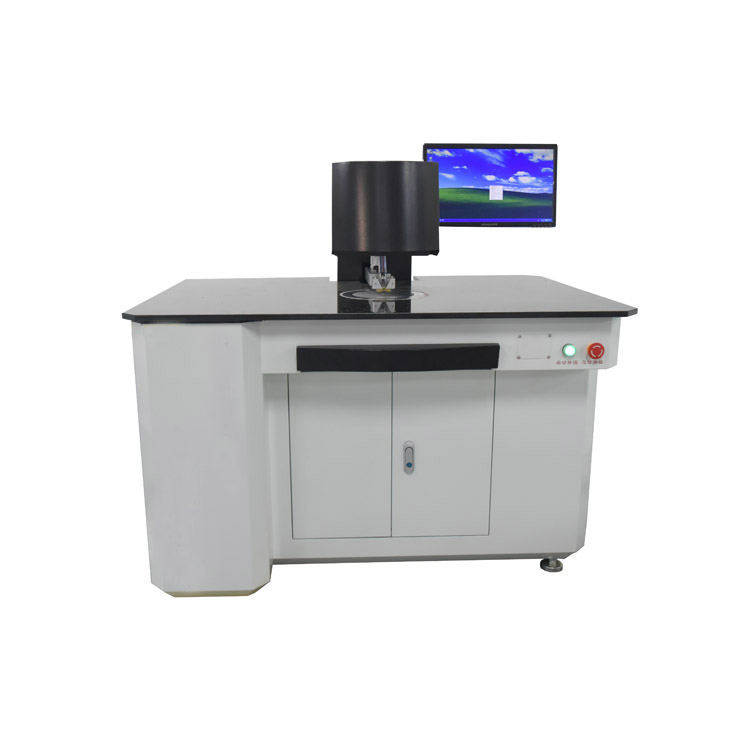
The machine has a box-style body with side access doors, ventilation openings, leveling feet, and a dark work surface. A large overhead frame supports the active head, while the front control area includes a green start button and a red emergency stop button. Those visible details suggest a practical industrial design focused on safe operation and straightforward setup.
The tabletop includes a circular fixture or rotary-style holder near the working zone. That feature indicates controlled positioning and may help keep small parts, round components, or board sections aligned during processing. Because the exact internal process is not confirmed from the image, it is best to treat the unit as a precision bench-top machine for registration, inspection, or light-duty processing rather than assume a specific laser or mechanical system.
Key capabilities buyers look for
Accurate hole placement
For PCB work, a PCB alignment hole drill must support repeatable positioning. Buyers typically want steady X-Y location control, consistent depth or penetration behavior, and a fixture setup that reduces movement during processing.
Stable part holding
The flat platform and circular holding area point to a machine designed for secure workholding. A good PCB tooling hole drilling machine should keep the panel or part flat so the hole location does not drift during clamping or tool contact.
Operator-friendly control
Simple push-button controls and an emergency stop are important in production environments. They make the machine easier to integrate into daily shop-floor routines and help operators react quickly during setup or inspection changes.
Materials and visible build features
The enclosure appears to use painted sheet-metal panels, while the work surface looks like a polished black stone or coated rigid plate. The processing head housing is dark and matte, which suits enclosed industrial equipment where durability and low glare are useful. Metal fasteners, access panels, and framed supports suggest a machine built for routine industrial service.
If the machine is used as a PCB hole positioning machine or precision processing station, the rigid base and enclosed cabinet help reduce vibration and protect internal components from dust and incidental contact.
Manufacturing and process notes
Based on the visible layout, the machine likely belongs to a controlled processing category such as laser marking, laser engraving, precision drilling, or another automated inspection or test method. The exact process is not confirmable from the image alone, so buyers should verify the working principle before placing an order. That said, the enclosed work zone, dedicated head, and fixture area are all consistent with small-part industrial processing.
Typical application scenarios
This type of equipment fits electronics production, tooling support, automotive part identification, general industrial marking, and R&D work where boards or components need reliable locating points. A PCB registration hole drilling machine is especially useful when panels must be indexed for multilayer processing, template matching, or fixture-based handling. It can also support serial numbers, logos, QR codes, or traceability marks if the selected process allows it.
For buyers searching for a PCB hole drilling machine, the practical question is often whether the machine can support stable placement on thin boards, compact parts, or repeat batches without losing position. That is where a rigid table, secure fixture, and enclosed head become important.
Quality control and buyer decision factors
Before choosing a machine, confirm the exact function, supported board size, fixture compatibility, available software or control interface, and the level of manual versus automatic operation. If the application requires a PCB hole drilling machine for production use, ask how alignment is achieved and what holding method is used to prevent slip. Also check service access, maintenance requirements, and whether the visible control layout matches your plant safety standards.
For quality control, buyers usually want evidence of consistent positioning, stable operation, and clear process repeatability. If traceability is part of the workflow, verify how the machine handles marking or hole records and whether the setup supports repeat jobs with minimal changeover.
Customization guidance
When discussing a PCB tooling hole drilling machine or PCB alignment hole drill with a supplier, provide the board material, thickness range, hole diameter target, expected throughput, and fixture format. If the machine will be used as a PCB locating hole machine in a mixed production line, share the panel dimensions and the downstream equipment it must match. These details help define the table size, clamping style, control logic, and access arrangement.
Request a solution
If you are evaluating a PCB registration hole drilling machine for alignment, positioning, or repeatable board handling, send your sample drawings, process requirements, and preferred fixture method. A clear application brief helps match the machine to your production needs and avoids costly trial-and-error later.