




PCB HASL machine for stable, repeatable surface finishing
A PCB HASL machine is used to solve one of the most common problems in board production: how to create a uniform solderable surface that supports downstream assembly without adding unnecessary variability. In practical terms, PCB hot air solder leveling helps manufacturers improve board finish consistency, reduce oxidation issues, and prepare copper surfaces for reliable soldering. For buyers comparing PCB surface finishing options, the right machine can make the difference between stable output and constant rework.
Product overview
This type of equipment is designed for controlled hot air leveling and solder coating operations on printed circuit boards. In a production line, the machine typically supports a process where boards are first treated and then leveled so excess solder is removed, leaving a flatter and more usable surface. As a PCB tinning machine, it is often selected by facilities that want a proven finish method with straightforward process control and clear visual inspection points.
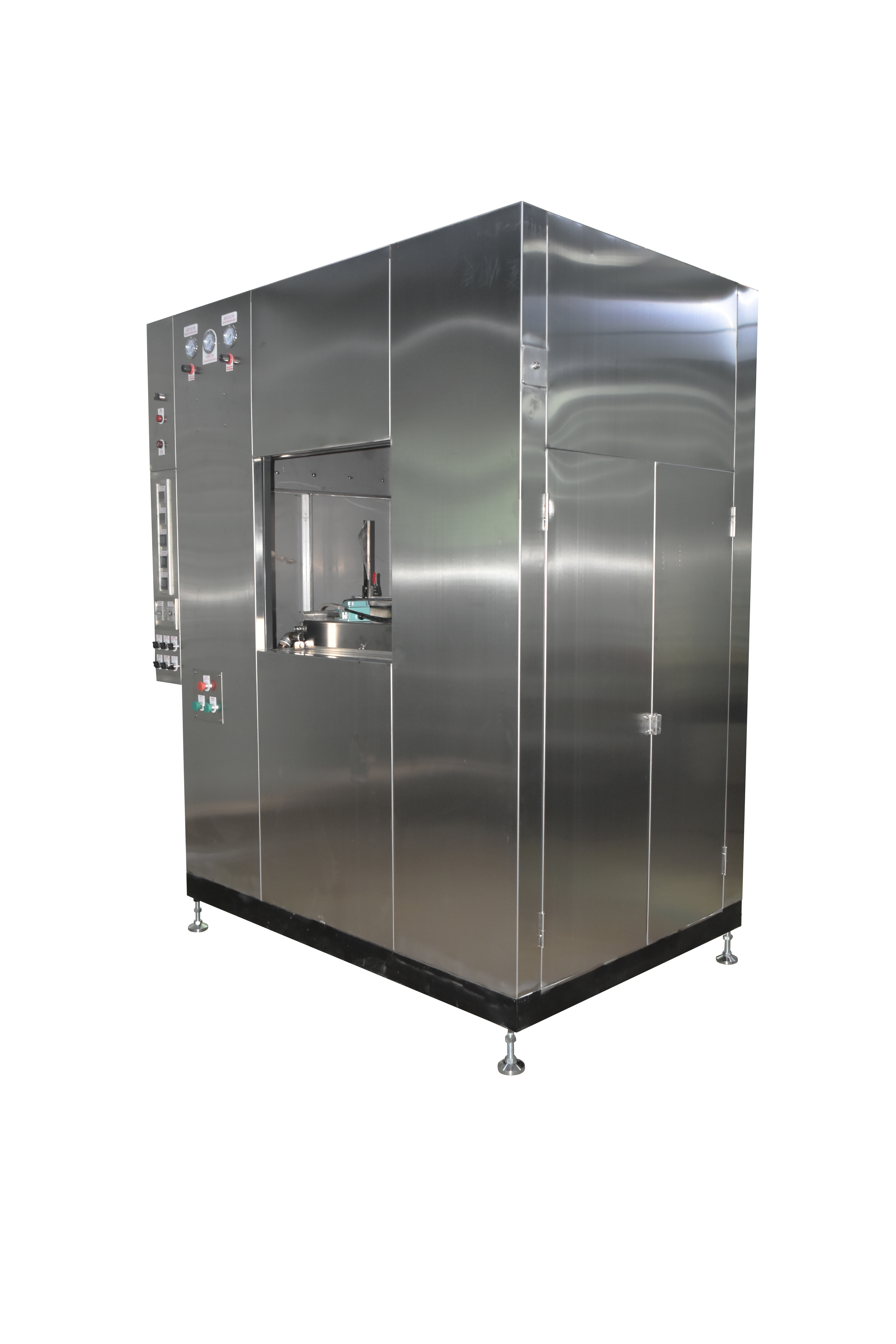
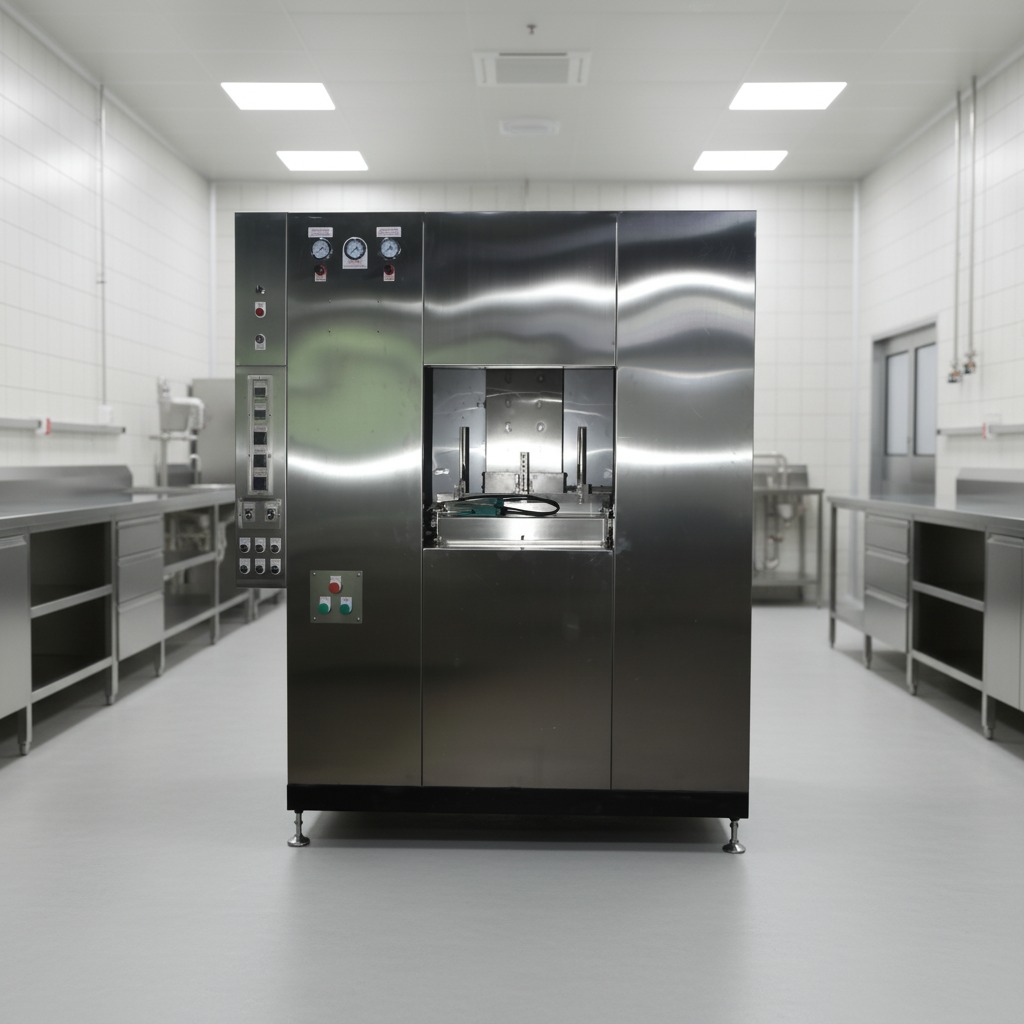
Based on the provided product information, the visible unit is a floor-standing stainless steel industrial cabinet with gauges, push-button controls, access doors, and an enclosed working chamber. Those features align with a process machine built for controlled handling, inspection, and repeatable operation in manufacturing environments. The exact internal mechanism is not confirmed here, so the product should be described as an industrial enclosed processing machine with a likely fit for PCB finishing or related controlled treatment tasks.
Machine Specification
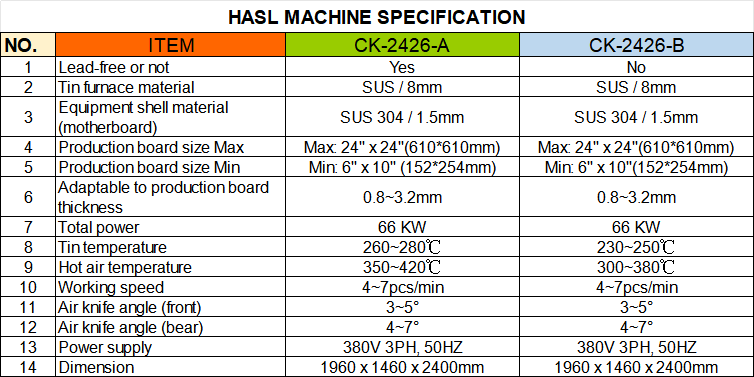
How a hot air leveling process supports PCB production
In PCB hot air solder leveling, the objective is to create a reliable solderable coating while limiting uneven buildup. That matters when boards move into assembly, because a poor finish can affect wetting, pad consistency, and solder joint quality. A well-designed hot air leveling machine helps standardize the finish across batches, especially when production includes mixed board sizes or repeated runs.
For operations that need lead-free compatibility, a lead free HASL machine is often preferred because it supports modern environmental and assembly requirements. The process still needs careful thermal control, airflow management, and chamber stability. Buyers evaluating HASL equipment should focus on how consistently the machine handles process repeatability, board support, and operator workflow rather than only the headline feature list.
Visible construction and practical capabilities
Stainless steel enclosure
The visible structure suggests a brushed stainless steel cabinet, which is a practical choice for industrial environments where easy cleaning, corrosion resistance, and a durable finish matter. This kind of construction is commonly associated with enclosed production equipment and can support cleaner operation around soldering and finishing workflows.
Control and monitoring features
The machine shows analog gauges, indicator lights, and manual controls. For buyers, that usually indicates a setup where operators can monitor key conditions directly and make adjustments without complicated software navigation. In a PCB HASL machine, visible process feedback is important because thermal and mechanical stability influence finish quality.
Floor-standing design with leveling feet
A floor-mounted cabinet with adjustable feet helps with installation on uneven shop floors. That may seem minor, but a stable base supports alignment, access, and safer operation. In production spaces with frequent cleaning or equipment relocation, those feet can be a useful practical detail.
Materials and finish options
From the supplied visuals, the exterior and interior appear to use stainless steel panels with a smooth metallic finish. For this type of machine, stainless steel is often selected because it stands up well in industrial environments and can be wiped down more easily than painted sheet metal. If a buyer needs a machine for demanding shop-floor or clean-processing conditions, this material choice is a sensible starting point.
Actual material grade, internal lining, and finish options would need to be confirmed by the supplier. For custom projects, buyers may request different stainless steel grades, surface finishes, door hardware, viewing windows, or service access layouts depending on the production environment and cleaning requirements.
Manufacturing and fabrication considerations
Machines like this are commonly built through sheet metal fabrication, welding, enclosure assembly, control integration, and final commissioning. A reliable hot air leveling machine also depends on the quality of the chamber layout, airflow path, and operator interface. If the equipment is intended for PCB surface finishing, the fabrication standard should support consistent loading, service access, and safe maintenance.
Because the exact internal process is not confirmed by the image, buyers should request process drawings, chamber details, and a function description before purchase. That is especially important when comparing HASL equipment across suppliers, since two similar cabinets may serve very different jobs.
Typical application scenarios
This kind of enclosure-based industrial machine can fit production lines, maintenance shops, and controlled processing rooms. If configured for PCB surface finishing, it may be used where solderable finish quality matters and operators need a compact, enclosed system rather than open bench equipment. A PCB tinning machine or HASL equipment setup may also be useful in electronics manufacturing environments that want a dedicated process station with visible gauges and manual oversight.
More broadly, the cabinet form could suit hygienic or controlled handling operations in adjacent industries, but buyers should not assume a specific process from appearance alone. The visible build quality does suggest a machine designed for repeated use and straightforward servicing.
Quality control and buyer decision factors
When evaluating a PCB HASL machine, buyers should look at chamber consistency, control accuracy, maintainability, and how easily operators can inspect the process. For PCB hot air solder leveling, stable board support and even heat/air distribution are critical. For lead free HASL machine applications, process reliability becomes even more important because modern solder systems can be less forgiving than older setups.
Other useful questions include: Can the machine be customized for board size? Are the controls easy to read during operation? Is the enclosure easy to clean? Are replacement parts accessible? Does the layout support maintenance without major downtime? These details often matter more than general marketing claims.
Customization guidance
If your line needs a PCB surface finishing system, ask the supplier to confirm whether the machine can be adapted for your board dimensions, handling style, and output targets. For a hot air leveling machine, customization may include chamber layout, control arrangement, access doors, and interface details. If you are comparing HASL equipment across suppliers, request a clear explanation of process flow, operator steps, and service access before making a commitment.
Request the right solution
If you need a PCB HASL machine or want to specify a custom hot air leveling process setup, start with a technical discussion of your board type, production volume, and finish requirements. A detailed review early in the project will help you avoid mismatch between the machine and the actual line task. Send your process needs, and ask for a configuration that fits your manufacturing workflow rather than a generic cabinet.