




1722 Collet Overview
The 1722 collet is a precision-machined spindle component used to hold, adapt, or locate tooling in rotary equipment. For buyers, the main problem it helps solve is simple but critical: keeping a cutting tool or accessory centered, stable, and repeatable during rotation. In machine tool assemblies, even a small amount of runout or poor fit can affect surface finish, tool life, and setup consistency. A properly made 1722 collet-style part supports secure retention and smoother operation in demanding machining environments.
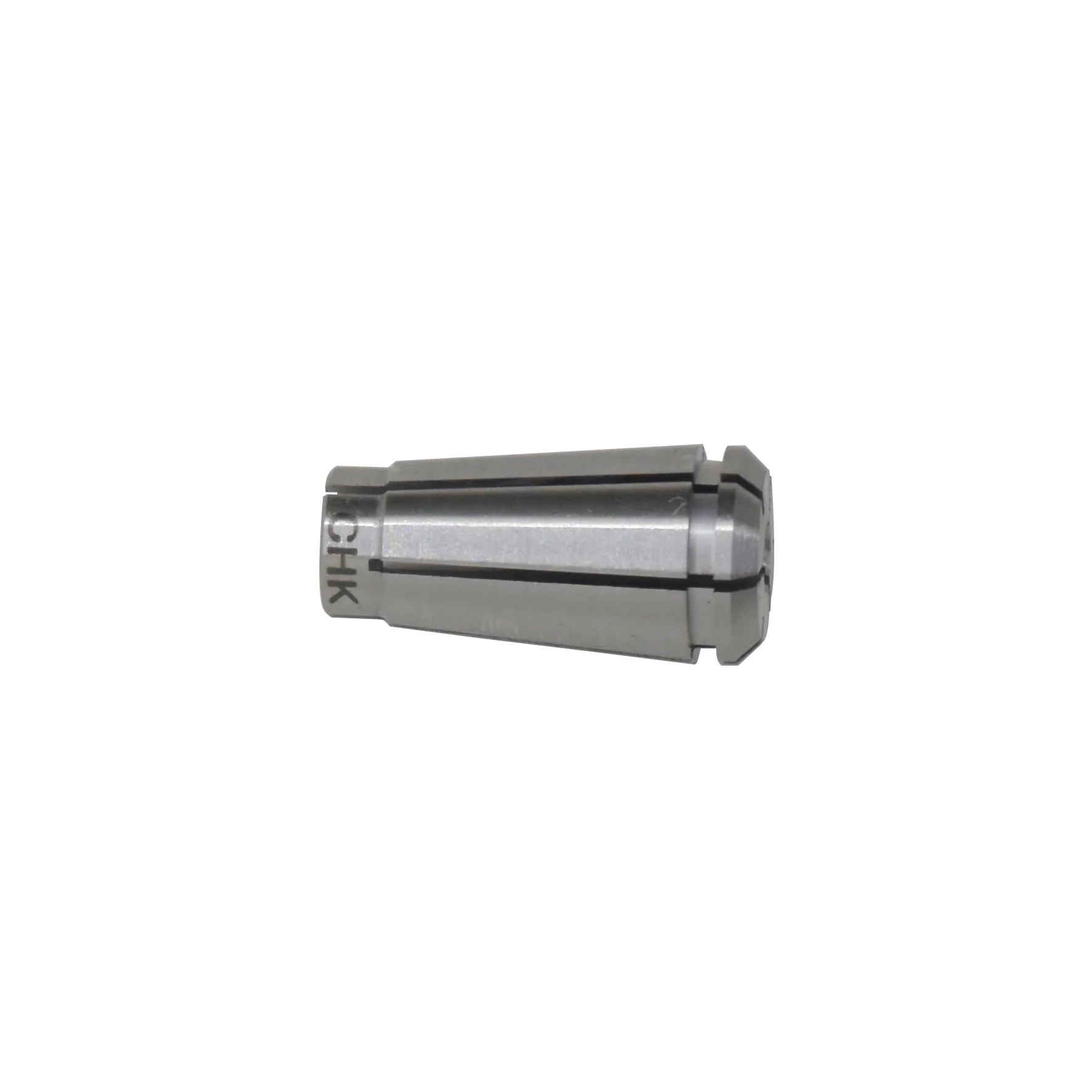
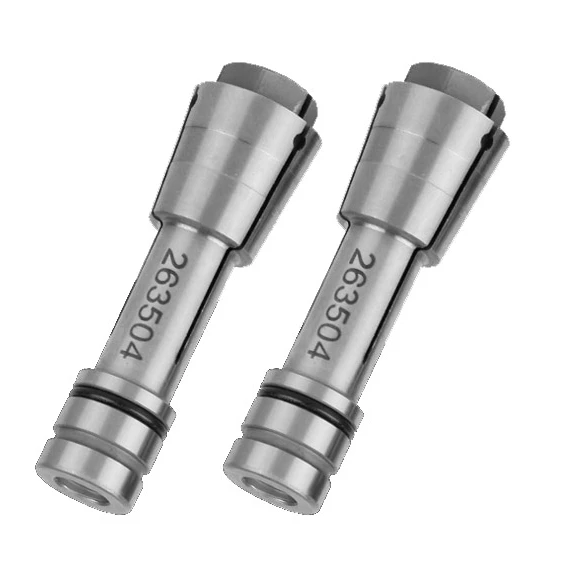
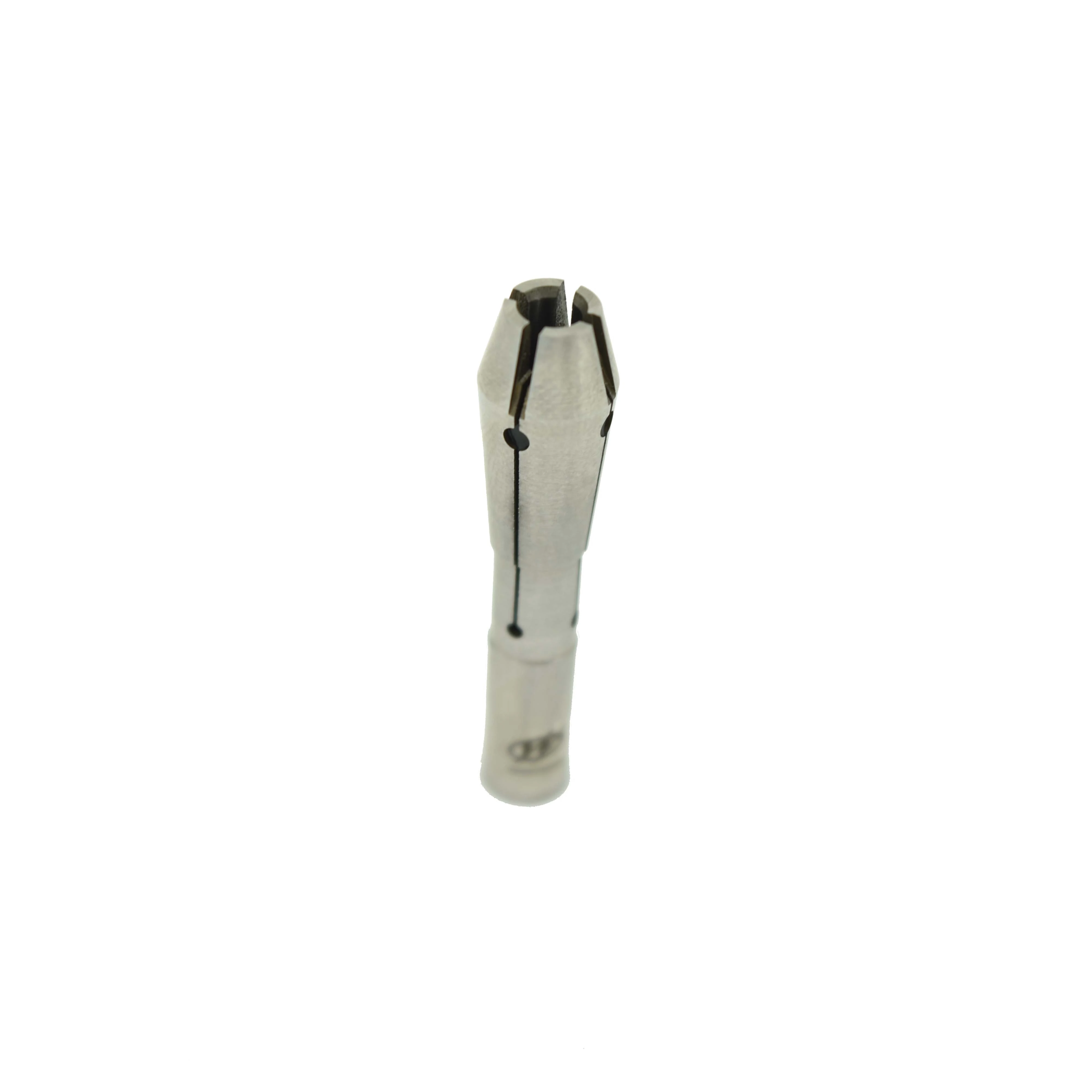
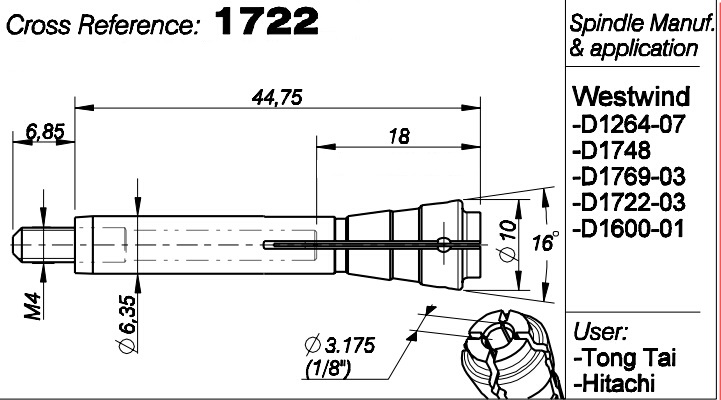
From the visible construction, this part is a compact one-piece metal component with a cylindrical body, a threaded end, and a tapered transition on the opposite side. It appears designed for integration into a spindle or holder assembly rather than as a general-purpose fastener. Because the exact standard cannot be confirmed from the image alone, it is best treated as a precision spindle accessory with application-specific geometry.
Product Overview
This type of 1722 spindle accessory is typically used where a controlled mechanical interface is needed between the machine spindle and the working tool. The visible profile suggests a combination of thread engagement and taper engagement, which can support accurate positioning and secure mounting in rotary systems. The machined flats or slots may serve retention, clamping, or alignment functions, depending on the final assembly design.
In procurement terms, this is the kind of part buyers evaluate for fit, repeatability, and machining quality. If the component is being sourced as a PCB spindle collet or as part of a larger toolholding system, interface compatibility should be confirmed first, since external appearance alone does not establish the standard.
Key Specifications and Visible Capabilities
Geometry
The visible geometry includes a long straight shank, a reduced threaded end, a conical or stepped transition, and a larger tapered section at the opposite end. This layout is common in precision rotary interfaces where concentricity and stable seating matter.
Construction
The part appears to be a single-piece machined metal component. That kind of construction is often preferred in tooling because it reduces joint interfaces and can improve rigidity compared with assembled alternatives.
Finish
The exterior shows a smooth silver-gray machined finish with turning or grinding marks. No coating is clearly visible, so the surface should be considered a bare machined metal finish unless additional documentation confirms otherwise.
Materials and Finish Options
Based on the image, the material is likely steel or hardened alloy steel, but the exact grade is not identifiable. For this type of high quality collet component, common material choices in industry include alloy steels selected for strength, wear resistance, and dimensional stability. Finish options may include ground, polished, plated, or treated surfaces, depending on corrosion resistance and wear requirements. Since no coating is visible here, finish selection should be confirmed against the intended machine environment.
Manufacturing Process
The visible tool marks indicate a precision manufacturing route such as CNC turning, followed by milling, slotting, grinding, or finishing operations. The slot or relief cut appears intentional and functional, not decorative. For buyers, that matters because the quality of these secondary operations can influence fit, clamping behavior, and how the part performs under rotation.
In a precision spindle collet or adapter component, process control is often as important as the base material. Clean thread formation, concentric turning, and consistent taper geometry all contribute to reliable installation.
Application Scenarios
This product category is commonly used in machining centers, lathes, rotary tool assemblies, and other precision equipment where tooling must be mounted securely. It may also be relevant in applications such as drill head adaptation, milling tool retention, or specialized fixture interfaces. If used as a PCB spindle collet, the emphasis is typically on compact size, accurate centering, and repeatable tool change behavior.
Because the exact standard is not confirmed, the safest way to position this part is as a machine-tool interface component for precision rotary tooling, rather than assigning it to one narrow end use.
Quality Control Considerations
For buyers, the most important inspection points include thread quality, taper accuracy, surface finish, concentricity, and slot cleanliness. A high quality collet or spindle accessory should present smooth bearing surfaces, no visible burrs at edges, and consistent machining around the full circumference. If the part will run at speed, balance and dimensional consistency become even more important.
Since tolerances and test results are not provided, any acceptance criteria should be based on drawing requirements or a verified sample.
Customization Guidance
If you are sourcing this 1722 collet for a specific machine, confirm the thread size, taper standard, overall length, seating diameter, slot configuration, and material grade before ordering. Small differences in these dimensions can make the part unusable even if it looks similar. Buyers should also specify whether the part needs heat treatment, surface protection, marking, or a tighter finish requirement.
Custom machining is often the right choice when the spindle interface is proprietary or when the part must match existing tooling exactly. If you already have a mating assembly, providing a drawing or sample is the most reliable approach.
How to Choose the Right Version
When comparing options, focus on compatibility first, then durability. Check whether the part is intended as a precision spindle collet, a holder, or a subcomponent of an assembly. Confirm that the visible taper and thread match your machine, and make sure the material and finish suit the operating environment. For a PCB spindle collet, compactness and repeatability may matter more than heavy-duty load capacity. For metalcutting equipment, wear resistance and retention strength may carry more weight.
Request a Match for Your Assembly
If you need a 1722 spindle accessory matched to an existing machine or tooling set, share your drawing, sample, or interface requirements. Clear dimensional information will help verify fit before production. Contact us to review your application and confirm the correct collet-style solution for your assembly.