




High Accuracy Manual Bare Board Test Machine Overview
The High Accuracy Manual Bare Board Test Machine is designed to help manufacturers identify open circuits, shorts, and other assembly-free PCB defects before boards move deeper into production. For buyers, the main problem it solves is simple: catching bare board issues early so defective panels do not consume time in assembly, rework, or downstream inspection. In practice, a Manual Bare Board Tester gives operators a controlled way to verify electrical integrity on unpopulated boards with consistent handling and repeatable contact positioning.
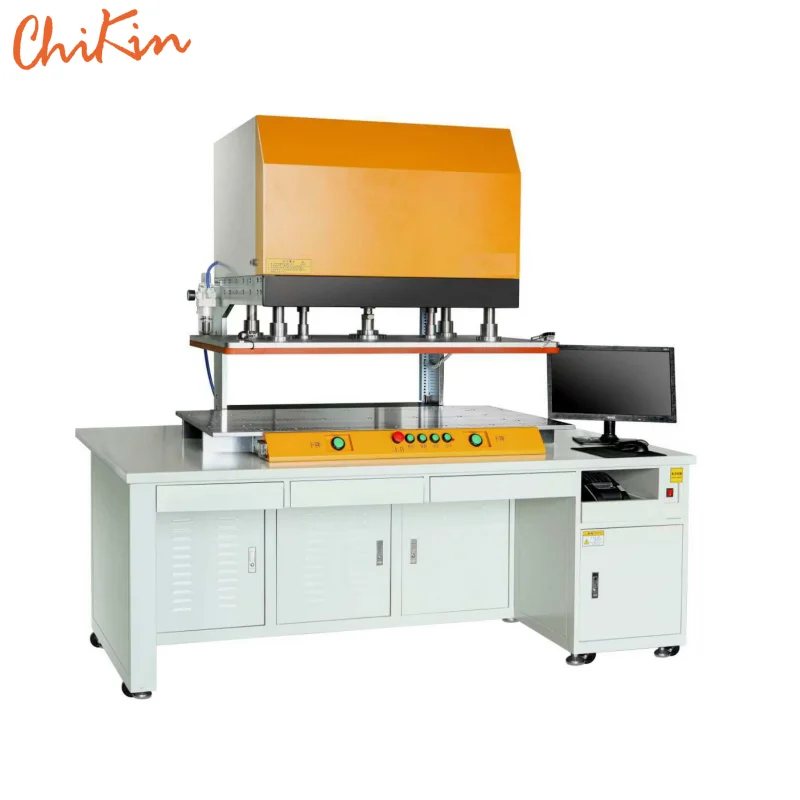
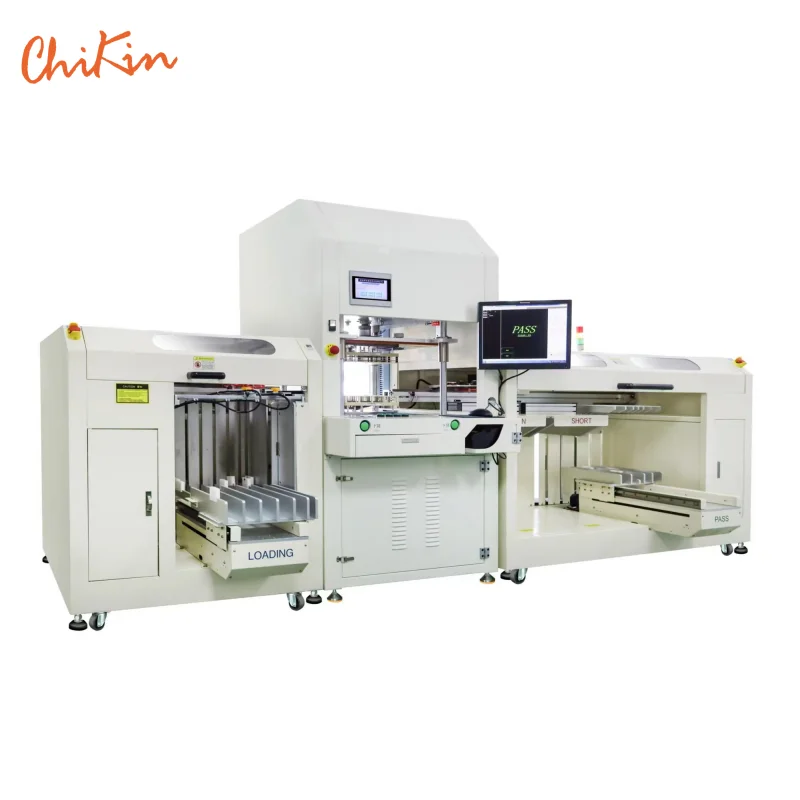
Based on the visible industrial workstation structure, this type of equipment is built around a rigid cabinet base, an enclosed upper press head, a flat working table, and an operator-facing control console. That layout supports stable pressing or contact-based testing and helps maintain alignment during repeated cycles. While the exact testing method is not identifiable from the image alone, the machine clearly belongs to a category of Bare Board Test Equipment intended for controlled board processing and inspection.
Product Structure and Working Layout
The machine features a floor-standing steel cabinet in a light gray finish, with service doors and leveling feet/casters for installation and maintenance. Above the base sits a tall orange-and-black upper housing, which appears to cover the main press or test head. The central working zone is framed by multiple vertical support points, suggesting a design aimed at even force distribution and stable vertical movement.
An external monitor or terminal is mounted on the right side, while a separate control panel is placed near the front edge for direct operator access. This combination is useful in production environments where the operator needs clear status display, button control, and fast visual confirmation during a test cycle. For factories seeking a High Precision PCB Tester, this kind of layout supports practical day-to-day use without excessive complexity.
Key Capabilities and Functional Focus
Stable manual operation
Manual control allows the operator to load, align, and initiate the cycle with direct supervision. This is often preferred in small-batch production, engineering labs, and prototype validation workflows where board mix changes frequently.
Flat, rigid contact zone
The lower platen or table provides a broad, level surface for flat board placement. In bare board testing, accurate placement matters because poor alignment can affect contact quality and measurement reliability.
Enclosed press head structure
The upper housing encloses the process area, which can help with operator safety and process consistency. Depending on the hidden internal design, the system may be intended for pressing, bonding, curing, laminating, or another controlled compression task. Because the exact process is not confirmed, buyers should verify the process category before purchase.
Materials and Finish Options
From the visible construction, the machine uses painted metal sheet enclosures, machined metal support hardware, and a smooth working surface. The orange and black exterior finish improves visibility of the process head and can help distinguish moving sections from the base cabinet. The black protective trim around the lower edge of the upper housing may serve as an insulation or protective band, though the exact function should be confirmed by the supplier.
For bare board testing applications, buyers commonly look for surfaces and fixtures that are easy to clean, wear-resistant, and stable under repeated use. If your boards require antistatic handling, fixture grounding and surface treatment should also be discussed during specification review.
Manufacturing Process and Setup Considerations
This kind of PCB Bare Board Testing Machine is typically integrated into a production flow after board fabrication and before assembly. Operators place the board or panel on the table, align it with the fixture or probing area, and start the cycle using the front controls. Depending on the internal design, the machine may use mechanical compression, thermal support, or another process-assisted contact method.
Because the image does not reveal hidden internals, it is important not to assume heating, vacuum, pneumatic, or hydraulic functions without confirmation. Buyers should ask for the machine’s control logic, pressing method, and fixturing style before finalizing a purchase.
Typical Application Scenarios
This type of workstation is suitable for PCB fabrication lines, sample verification, process development rooms, quality inspection stations, and small-to-medium batch production settings. It may also fit laboratory environments where flat-sheet materials, bonded laminates, or controlled compression samples need repeatable handling. If your operation needs a Manual Bare Board Tester for frequent changeovers and direct operator oversight, a manual platform can be more practical than a fully automated line.
Quality Control and Buyer Decision Factors
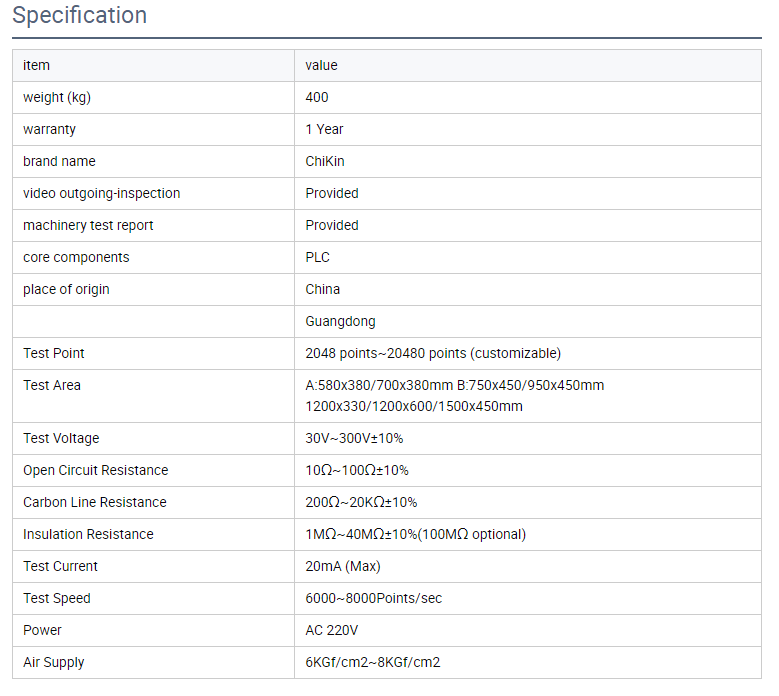
When comparing Bare Board Test Equipment, focus on fixturing accuracy, alignment repeatability, table flatness, operator safety features, control visibility, and maintenance access. You should also confirm the supported board size range, probe or contact method, software or terminal interface, and whether the cabinet supports future upgrades.
For production buyers, the most important question is not only whether the machine works, but whether it fits the board format, throughput target, and inspection standard used in your facility. Request the exact specification sheet, electrical configuration, and process documentation before purchase.
Customization and Next Steps
Customization may include fixture design, control layout, monitor placement, enclosure color, cabinet arrangement, and interface options. If you need a High Accuracy Manual Bare Board Test Machine tailored to your PCB workflow, share your board dimensions, inspection method, and daily output target with the supplier so the platform can be matched to your process.
For procurement, the best next step is to ask for a detailed configuration proposal, machine drawings, and a clear explanation of the test principle. That way, you can confirm compatibility before moving to sample validation or pilot production.
Contact for Specification Review
If you are evaluating a High Precision PCB Tester for bare board inspection, contact the supplier with your product drawings and process requirements. A clear specification discussion will help determine whether this machine is the right fit for your line.