



One Axis CNC PCB Board drilling machine Overview
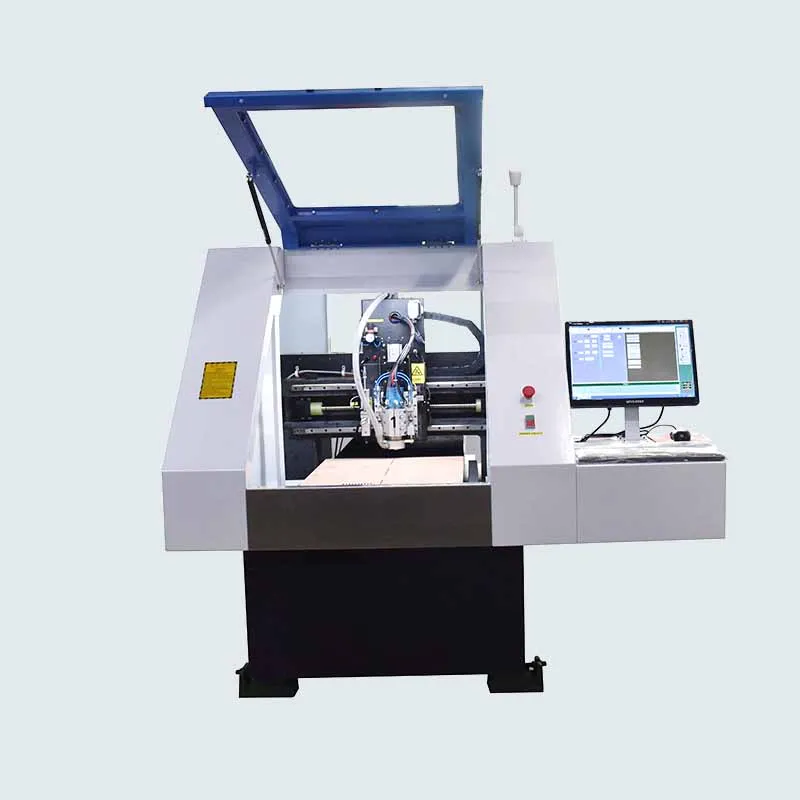
The One Axis CNC PCB Board drilling machine is designed to solve a familiar production problem: how to make repeatable holes and aligned features on PCB panels without relying on slow manual drilling or inconsistent positioning. For shops that need stable hole placement, cleaner workflow, and better batch consistency, a CNC-driven system can reduce operator variation and improve throughput on routine board preparation tasks. Based on the visible machine layout, this unit appears to use an enclosed frame, a motorized gantry, and a computer-based control station, which are all practical features for controlled precision processing.
Although the exact tool type is not confirmed from the supplied data, the platform itself clearly suggests a computer-controlled industrial process for flat sheet or panel work. That makes it relevant not only as a PCB drilling machine, but also as equipment for related light fabrication jobs where accurate head movement and consistent repeatability matter.
Product structure and operating concept
This machine appears to follow an enclosed box-frame design with a top access lid and a centrally mounted processing head. The visible carriage, rail system, cabling, and guide elements indicate a motion-controlled setup rather than a manual bench machine. A separate control console with a display and keypad suggests the operator can manage jobs through a CNC interface, which is useful for positioning, program execution, and process monitoring.
For buyers evaluating a CNC PCB drill machine, the main value is not only the drilling action itself, but the controlled motion system around it. Stable axis movement helps support hole alignment, pattern repeatability, and cleaner handling of small or delicate panels. In production environments, that can reduce setup time and make batch work more predictable.
Key capabilities buyers typically look for
Precision motion control
The machine is built around an automated carriage and gantry layout, which is essential for accurate hole placement and repeatable tool paths. In a high precision PCB drill application, motion consistency is often as important as the cutting or drilling tool itself.
Enclosed working area
The housing provides a contained work zone, which is useful for keeping the process organized and helping isolate the job area from the surrounding shop environment. For many buyers of an automatic PCB drilling machine, enclosure design is a practical consideration because it supports cleaner operation and more structured workflow.
Computer-controlled operation
The side-mounted monitor and keypad indicate that the machine is intended for programmed control. That matters when repeat jobs, coordinate accuracy, or standardized output are required. It also makes the unit suitable as a one axis CNC machine in a production line or small fabrication cell.
Materials and finish options
From the visible housing, the machine appears to use sheet-metal construction with a white and gray exterior and a blue upper cover section. That type of enclosure is common in industrial equipment because it offers structural rigidity and straightforward maintenance access. Internal assemblies likely include metal rails, cable management, and guided motion components, though the exact materials inside are not specified.
For PCB-related work, the material being processed is generally a flat board or panel. Depending on the end use, buyers may need a machine that can handle laminates, thin sheet stock, templates, labels, or sample panels. Since the exact working envelope and processing method are not provided, buyers should confirm material compatibility before purchase.
Manufacturing process and workflow
A machine in this category typically follows a digital workflow: load the program, place the board or panel, run the CNC sequence, and remove the finished part. That process is useful when the same hole pattern or placement sequence needs to be repeated across many units. Compared with manual methods, a PCB drilling machine can help reduce alignment errors and operator fatigue.
In practical terms, the enclosed head module and automated motion system suggest suitability for cutting, engraving, marking, or drilling-type operations on flat materials. The exact process is not labeled, so it is best described as a CNC material processing platform rather than a fully specified drill-only system.
Application scenarios
This type of equipment is commonly considered for PCB prototyping, fixture creation, template production, signage work, sample fabrication, and light industrial panel processing. Shops that need small-format repeatable operations often value the combination of enclosure, automation, and screen-based control.
For electronics-related work, the machine can be a fit when precision placement and clean repeatability are more important than high-volume heavy-duty drilling. For other fabrication tasks, it may serve as a compact CNC platform for thin sheet or panel work, depending on the final confirmed specifications.
Quality control and buyer decision factors
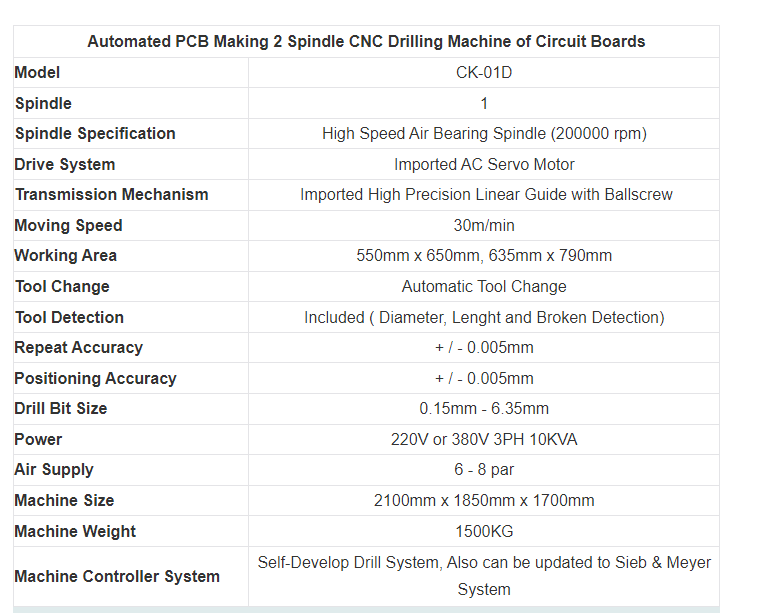
When evaluating this model, buyers should ask for the confirmed laser or tool type, supported materials, working area, axis travel, accuracy data, and safety configuration. Those details will determine whether the machine is suitable as a one axis CNC PCB Board drilling machine for a specific process or better positioned as a broader CNC processing system.
Useful checks include frame rigidity, guide quality, control software compatibility, access for maintenance, and whether the enclosure supports the user’s shop layout. If the job requires frequent program changes, the interface and setup workflow also matter. For PCB work in particular, confirm that the machine can maintain the repeatability required for your board design and fixture process.
Customization guidance
Because several technical details are not supplied, customization should be discussed around the actual production need rather than assumptions. Buyers can specify the target material, board size, hole pattern format, preferred control interface, and any needs for extraction, lighting, or fixture integration. If the machine is to be used as an automatic PCB drilling machine, ask for the exact tooling and coordinate handling method before finalizing the order.
Request a quotation
If you are comparing a high precision PCB drill solution with other shop-floor equipment, this platform is worth reviewing as a controlled, enclosed CNC machine for flat-panel processing. Share your board type, part size, and production flow, and ask for the verified specification sheet so the machine can be matched to your application with confidence.