



CHK 3.175 collet Overview
The CHK 3.175 collet is a compact tool-holding component designed to grip a 3.175 mm shank with stable concentric clamping. For buyers working with lathes, milling machines, rotary tools, or automated machining systems, this type of CNC spindle collet helps solve a common production problem: keeping small round tools secure while reducing slip, runout risk, and setup inconsistency. The visible form of this part suggests a spring-style metal collet with a slotted body that flexes inward when tightened, making it suitable for precision gripping in a compatible collet spindle or chuck holder.
Product description
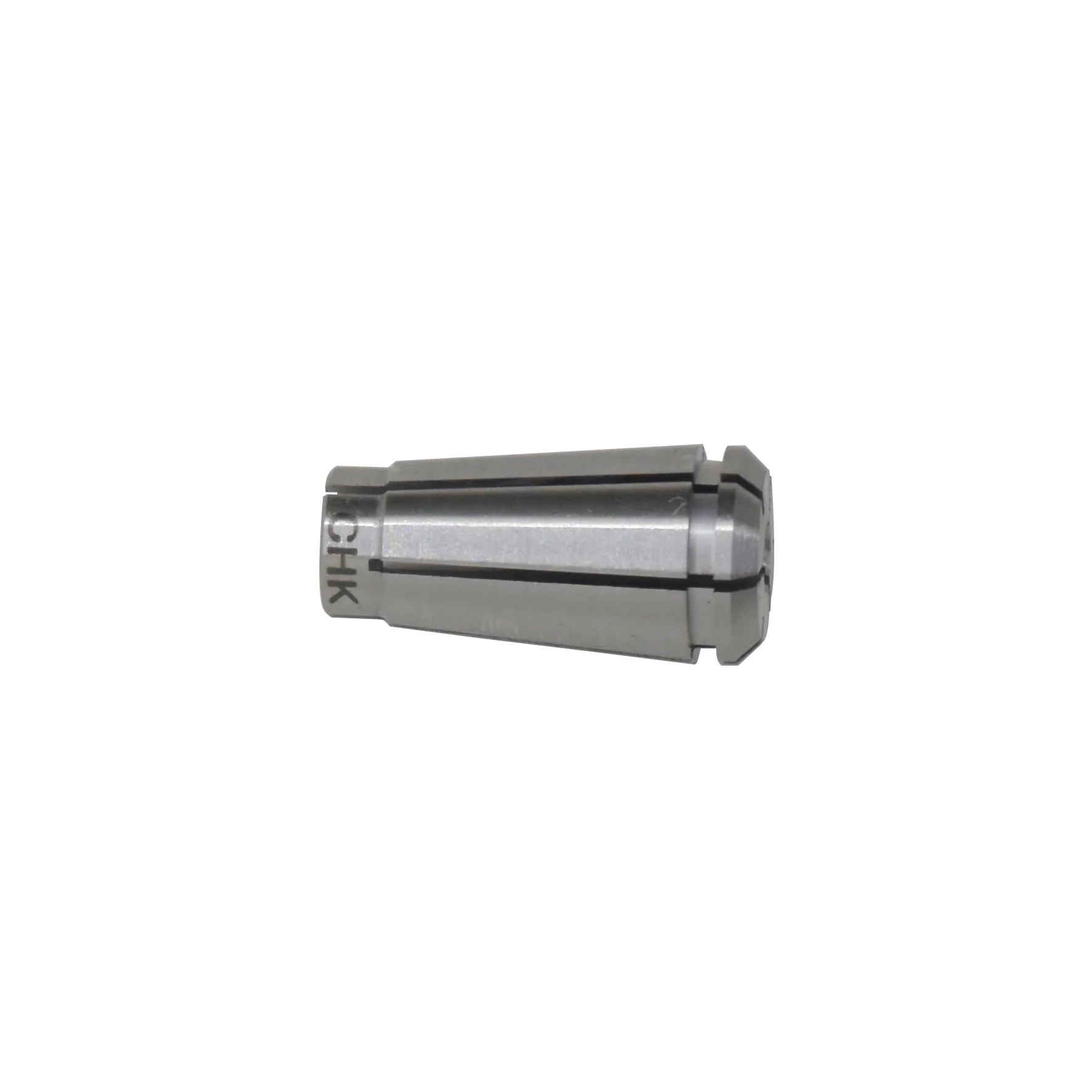
Based on the supplied product information, this component is a cylindrical metal collet insert with a tapered body, lengthwise slots, and machined external flats. The one-piece construction and bright silver-gray finish indicate a machined steel or hardened alloy metal part, although the exact material grade is not confirmed. The part is marked “CHK” on one end, which may be an identifier or brand mark, but that cannot be verified from the image alone.
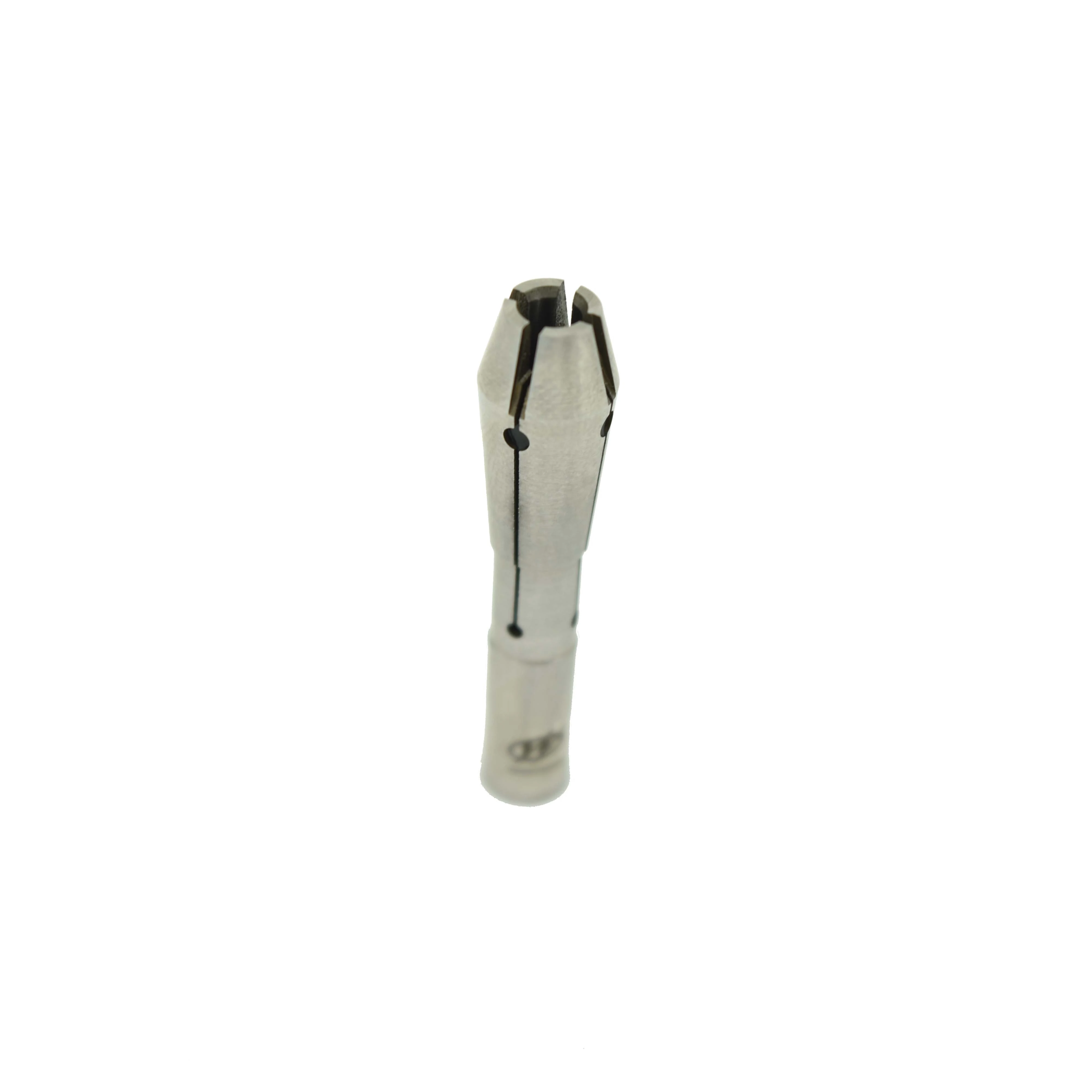
From a functional point of view, this is a precision spindle collet intended to support accurate tool retention in a compact envelope. The stepped front nose and split body are typical features of a spring collet that compresses evenly around the tool shank when installed in the correct holder.
Key features and visible capabilities
Compact clamping structure
The slotted geometry allows the body to flex inward under tightening force. That helps create a stable grip on round shanks and accessories.
Machined engagement surfaces
External flats or facets are visible on the body. These may assist with engagement in the mating holder or chuck assembly, depending on the system design.
One-piece metal construction
A single-piece metal format generally supports repeatable assembly and a rigid feel during clamping. It is also a practical choice for machine environments where durability matters.
3.175 mm tool-shank compatibility
The main keyword refers to a 3.175 mm size, which is commonly associated with small rotary tools, cutters, and light-duty precision machining accessories. Final compatibility should always be checked against the mating holder, because exact system geometry is not confirmed here.
Materials and finish
The visible finish appears bright silver-gray with fine machining marks and no obvious coating. That suggests a machined and finish-ground metal surface rather than a decorative treatment. Since the exact alloy is not supplied, buyers should confirm the material specification if the application involves wear resistance, corrosion exposure, or repeated tool changes.
If your application needs a specific surface condition, ask whether the part is supplied as a standard 3.175 mm collet or a custom-made variant with additional finishing requirements.
Manufacturing process
The observed shape is consistent with precision CNC turning and milling, followed by secondary finishing such as grinding or deburring. Long relief cuts, concentric taper features, and crisp external faces are all typical outputs of controlled metalworking processes. For a part of this type, the quality of machining directly affects clamping uniformity and installation fit.
Typical applications
This style of collet is commonly used in toolholding systems where a small round shank must be centered and restrained. Suitable scenarios may include:
• Lathes and turning centers
• Milling machines
• Drill and tool-chuck assemblies
• Handheld rotary tools
• Compact automation fixtures
• Small-diameter cutting or engraving setups
In these environments, a well-matched CHK 3.175 collet can improve setup consistency and help reduce tool movement under load.
Quality control considerations
Because collets are precision gripping parts, buyers should evaluate concentricity, slot consistency, taper accuracy, surface finish, and fit in the mating spindle or holder. Even without published test data, these are the practical checks that determine whether a collet performs properly in production.
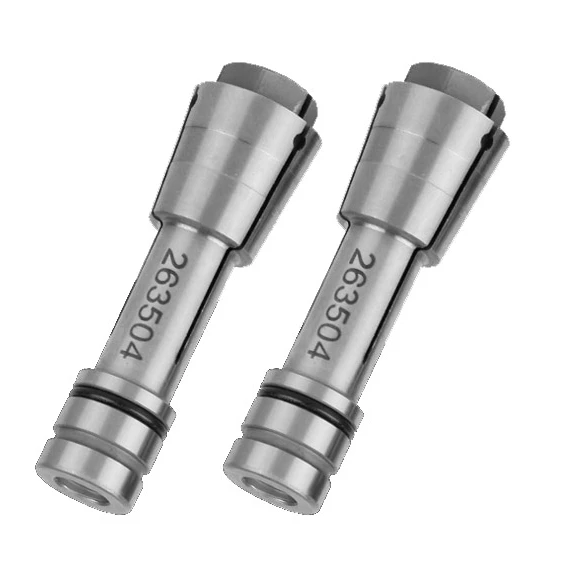
If your operation uses a specific PRT 210 collet style or another holder family, confirm compatibility before ordering. Geometry, taper angle, and nose profile may vary between systems even when the nominal size is similar.
Customization and buyer guidance
When selecting a collet, focus on the actual tool shank diameter, the holder interface, and the required level of precision. A buyer should also consider the expected clamping cycles, machine speed, and whether the application needs standard off-the-shelf replacement or a custom machined part.
If you need a replacement precision spindle collet, share the existing part marking, holder model, and measured dimensions. That is the most reliable way to match the correct geometry without guessing from appearance alone.
Request a matching solution
If you are sourcing a CHK 3.175 collet for a specific machine setup, send your sample, holder details, or dimensional drawing. We can help assess fit, identify likely compatibility points, and guide you toward the right tool-holding option for your application.