



Laser Marking Machine Overview
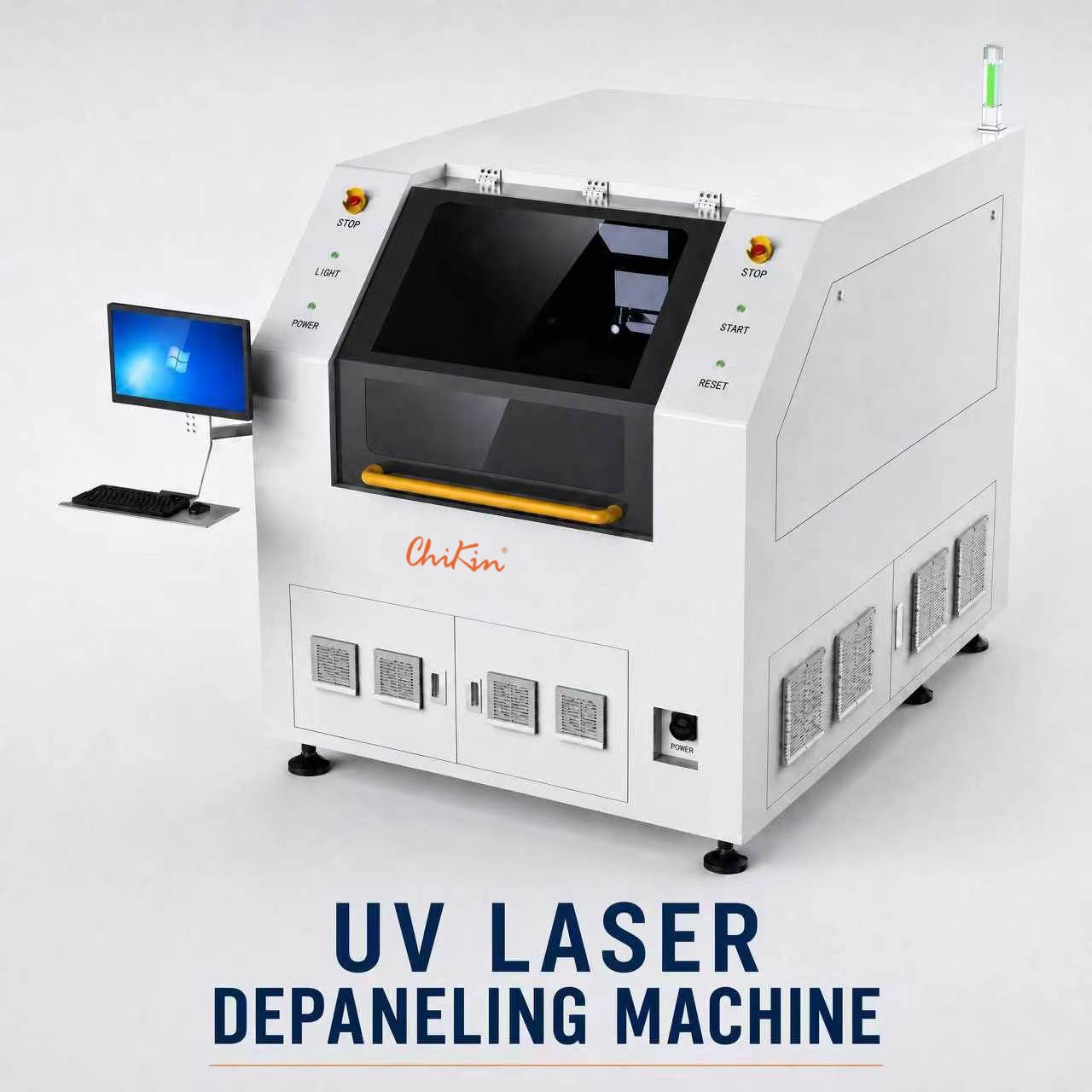
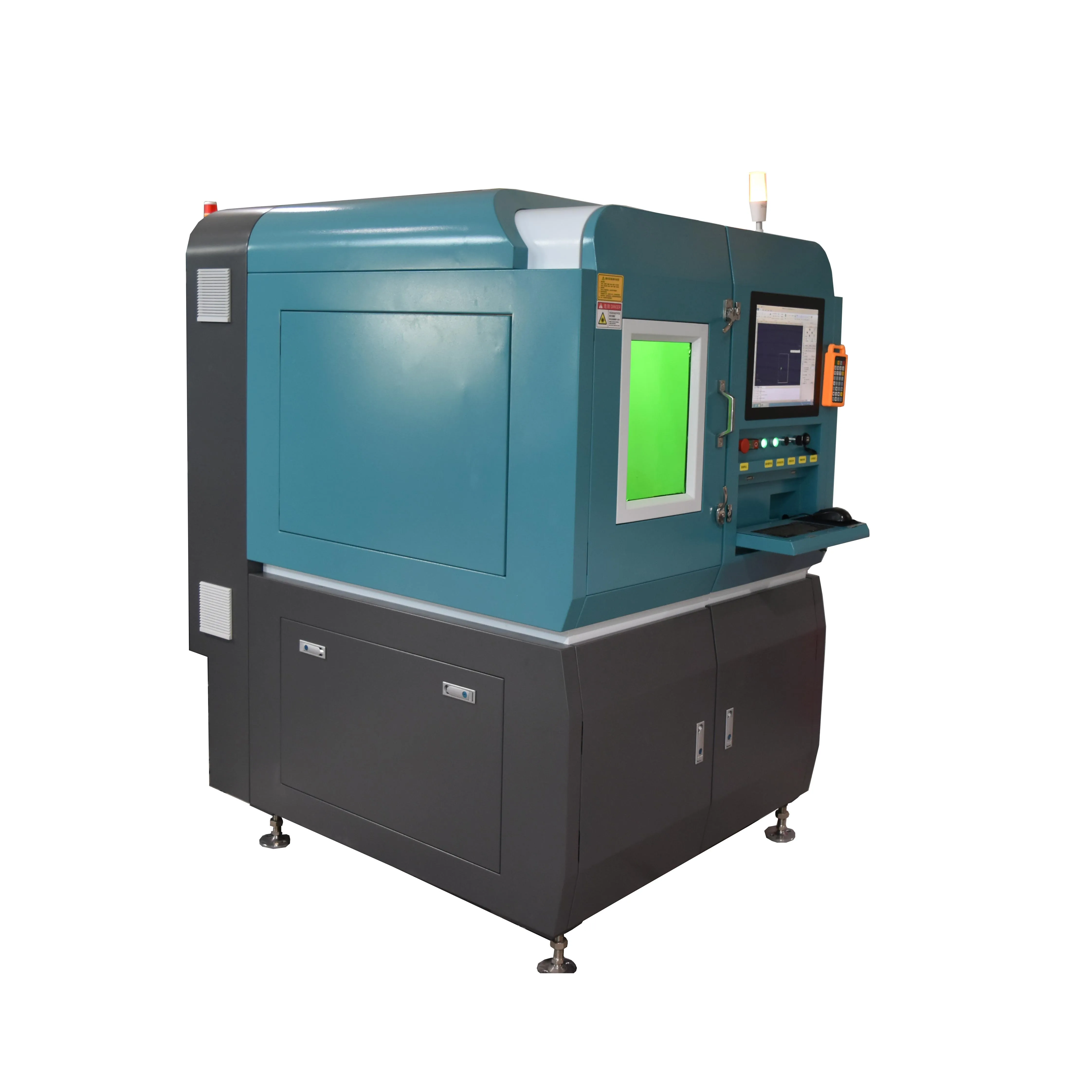
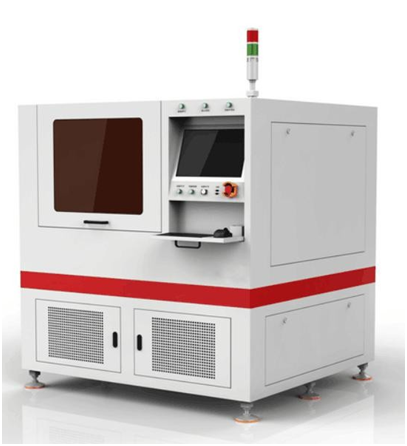
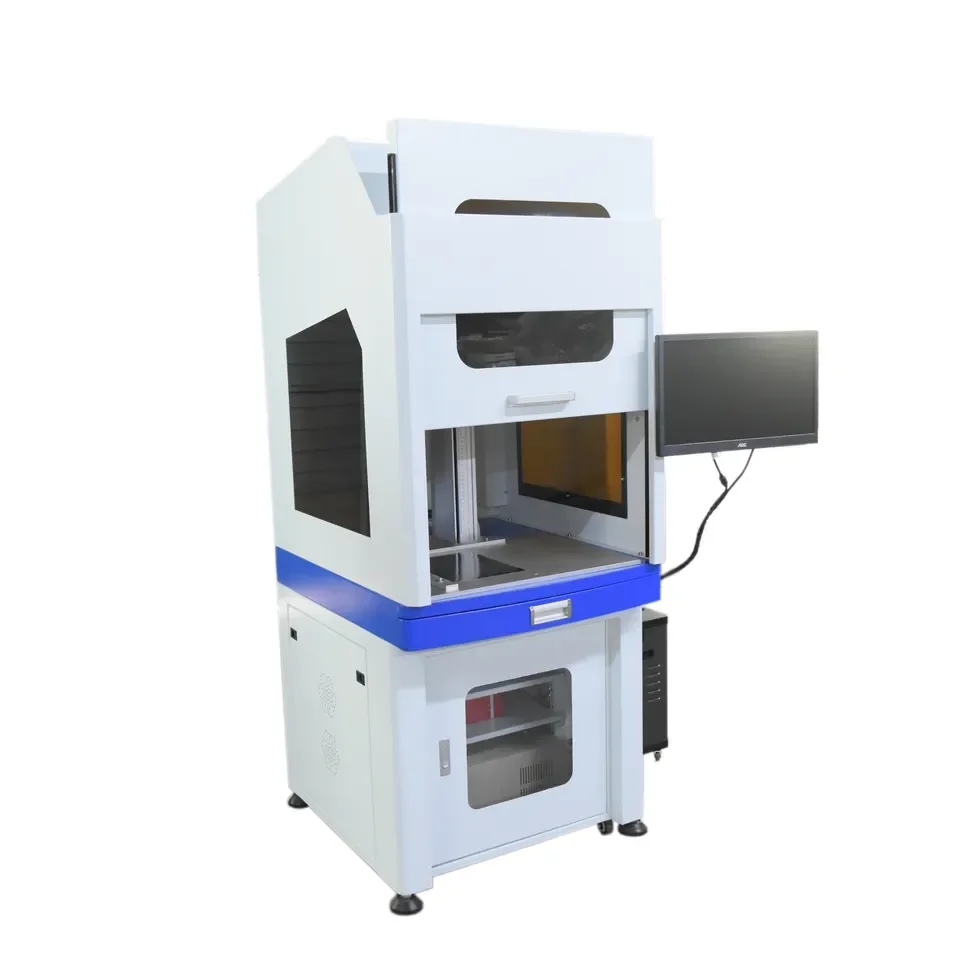
A Laser Marking Machine is used when a factory needs durable identification on parts without relying on inks, labels, or manual engraving. For buyers working with electronics, metal parts, or small components, the main problem is usually repeatable marking with clean edges, low consumable use, and stable traceability from part to part. The enclosed industrial system shown here appears to be built for controlled production use, with a protected working area, integrated display, and cabinet-style layout that supports operator-guided operation and organized equipment handling.
Although the exact internal process is not fully visible, the machine format suggests an industrial workstation designed for precision tasks where the workpiece stays inside a defined enclosure. That type of setup is often chosen to improve consistency, protect the operator, and keep the marking or inspection area isolated from outside interference.
Product Structure and Visible Features
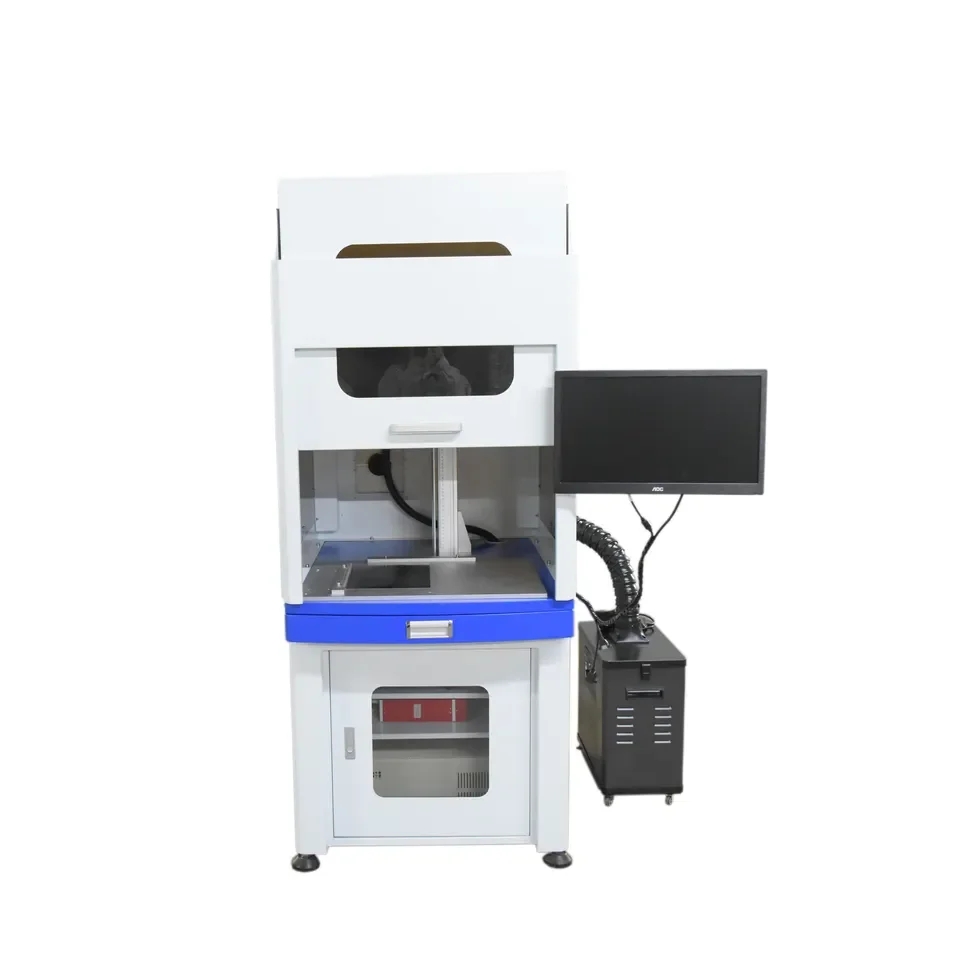
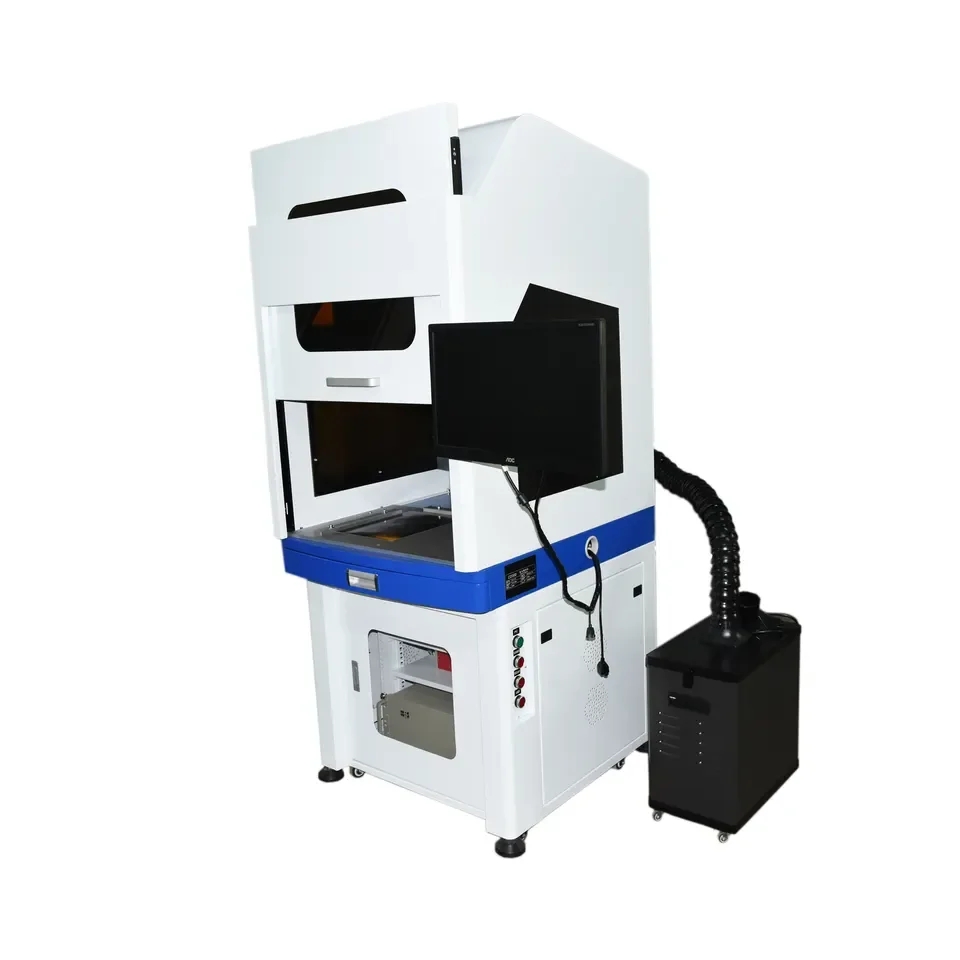
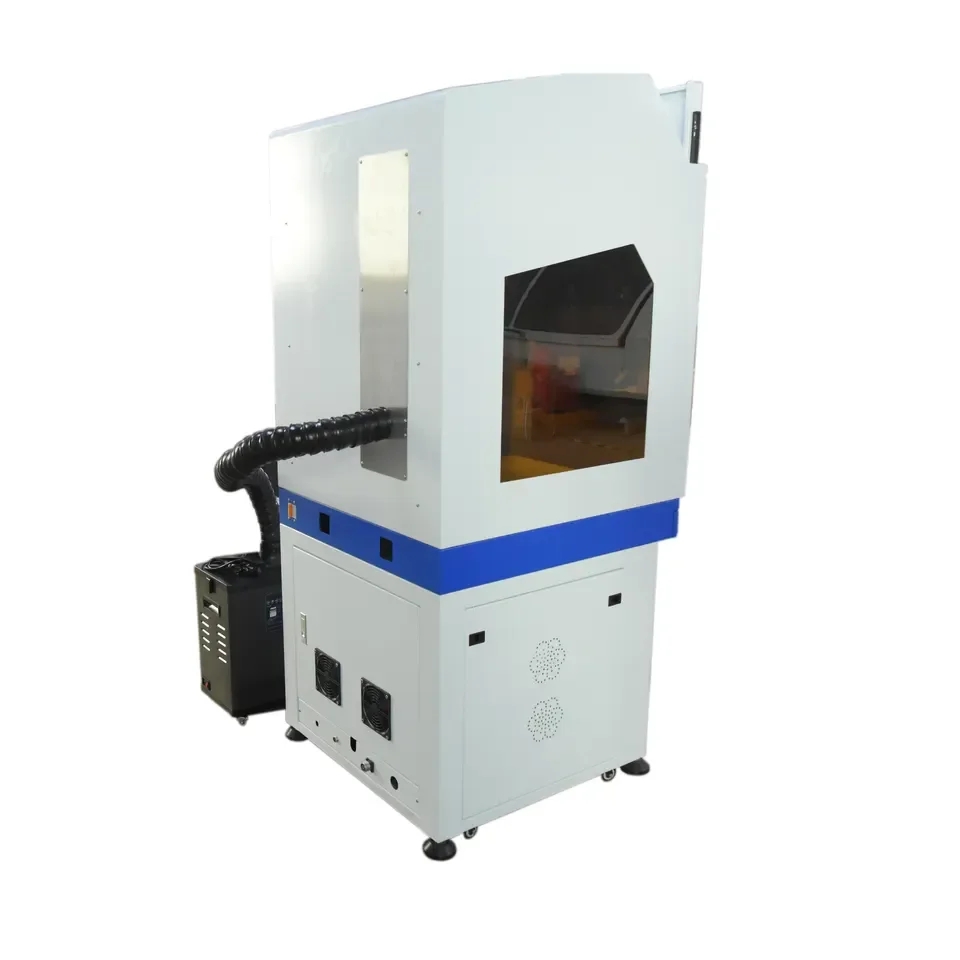
This unit appears to use a light gray painted metal enclosure with a blue lower section, a front viewing window, and a right-side monitor or control display. A vertical internal column or gantry is visible through the front opening, together with a flat worktable or fixture plate. The lower compartment includes a separate access door, which is useful for service access, electrical components, or storage of operating accessories.
The compact floor-standing footprint makes it suitable for production rooms, labs, and bench-side industrial stations where space is limited but a controlled process is still required. Cable routing and the attached control hardware suggest an integrated system rather than a standalone marking head.
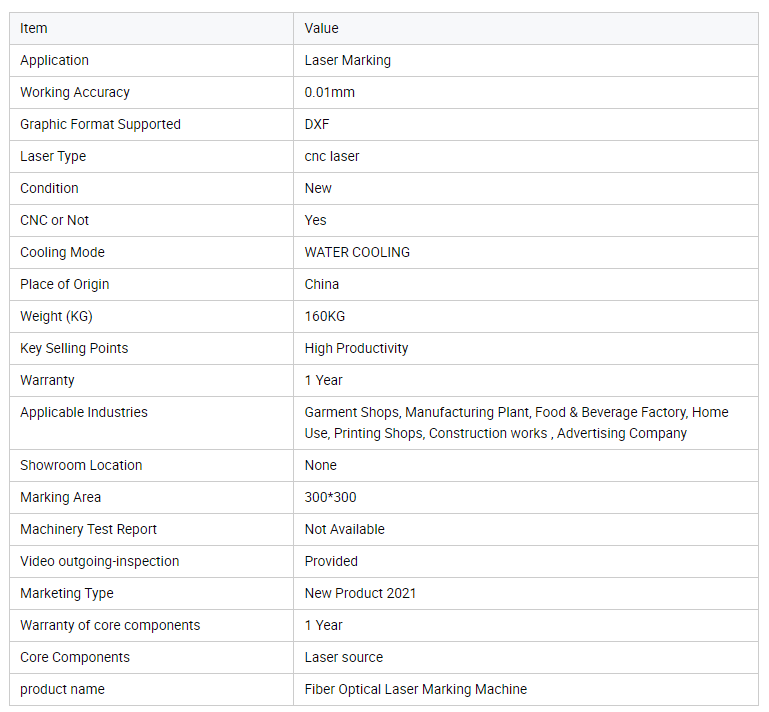
Specification
Key Capabilities Buyers Look For
Controlled working environment
The enclosed design helps isolate the process area. That is valuable for visibility, operator safety, and keeping the process zone organized during repetitive work.
Integrated operator interface
A mounted display makes it easier to run routines, check settings, and monitor the station without adding a separate desktop setup. For production lines, this can simplify daily operation.
Fixture-ready work area
The flat internal platform and vertical structure indicate a layout that can support part positioning, sample holding, or guided testing. This kind of arrangement is common in manufacturing cells where repeatability matters.
Materials and Finish Options
From the visible construction, the enclosure is likely fabricated from sheet metal with a painted industrial finish. This is a practical choice for a machine frame because it balances rigidity, service access, and maintenance. For buyers comparing industrial laser equipment, finish options often depend on the environment: a standard painted cabinet for general workshops, or upgraded corrosion-resistant surfaces for harsher production conditions.
Internal components are not visible in full detail, so exact materials for the motion system, optics housing, or fixture elements should be confirmed during specification review.
Manufacturing and System Integration
This type of machine is typically built through enclosure fabrication, machining of mounting interfaces, electrical panel integration, and final assembly of control hardware. The visible display and side-mounted control box indicate that mechanical structure and electronics are integrated as one workstation. In many production environments, that approach reduces installation time and keeps the system easier to manage on the shop floor.
If the machine is intended for PCB Laser Marking or related electronics work, integration quality becomes especially important because small parts, stable alignment, and controlled movement all affect usable output. If it is used for PCB Laser Cutting or sample preparation, fixture design and enclosure access become equally important.
Typical Application Scenarios
Based on the visible structure, this station may be suited to production and lab tasks such as part marking, guided inspection, sample evaluation, dimensional checking, or automated quality assurance workflows. In electronics manufacturing, a high precision laser machine can be used around traceability and part identification tasks. In general industrial settings, the same platform concept may support fixture-based testing or operator-assisted verification.
For buyers in regulated or high-mix production, the enclosed layout is often attractive because it supports a repeatable work process and a more controlled user experience than an open-frame station.
Quality Control and Buyer Decision Factors
When evaluating this type of industrial laser equipment, buyers should focus on the following points:
First, confirm the actual process function. The image suggests a controlled workstation, but the exact marking, testing, or inspection method should be verified. Second, review fixture compatibility so the worktable fits the part size and handling method. Third, check service access for the lower compartment and control cabinet. Fourth, confirm software, interface, and safety requirements before installation.
For PCB Laser Marking or other precision electronics applications, alignment stability and enclosure visibility matter as much as raw machine size. For broader industrial use, ease of maintenance and operator workflow may be the deciding factors.
Customization Guidance
Customization for a machine like this often centers on enclosure layout, fixture design, worktable dimensions, control interface placement, and access configuration. Buyers may also ask for changes to cable routing, viewing window size, internal mounting points, or service-door arrangement. If the application involves delicate parts or frequent changeovers, a tailored fixture package can be more useful than adding unrelated features.
Because the exact system function is not fully known from the image, any customization request should begin with a clear process definition: marking, cutting, inspection, or testing. That helps align the frame design and controls with the real production task.
Request Technical Review
If you are comparing a Laser Marking Machine for a factory line, lab station, or electronics workflow, share your part drawings, material type, and process goal. A clear application brief will help confirm whether this enclosed platform is the right fit and what configuration changes may be needed for your production environment.