



2 İş Mili PCB Delme ve Yönlendirme Makinesi: Orta Hacimli PCB Üreticileri için Pratik Bir Kılavuz
Birçok PCB üreticisi için gerçek üretim sorunu yalnızca bir makinenin delik açıp açamayacağı değildir. Daha zor olan soru, ekipmanın tekrarlanan siparişler, karışık levha tasarımları, değişen takım boyutları ve pratik teslimat basıncı karşısında delme ve frezeleme işlemlerini istikrarlı bir şekilde sürdürüp sürdüremeyeceğidir. Bir fabrikaya sabahları FR4 levhalar, öğle yemeğinden sonra alüminyum bazlı levhalar ve vardiya bitmeden önce çok katmanlı panellerden oluşan küçük bir parti teslim edilebilir. Bu tür bir üretim ortamında esneklik de hız kadar önemlidir.
İşte bu noktada 2 milli PCB delme ve yönlendirme makinesinin kullanışlı hale gelir. Temel tek iş milli ekipmanlar ile daha yüksek çıkışlı çok iş milli sistemler arasında yer alır. Tek iş milli bir makineyle karşılaştırıldığında verimi artırabilir. Daha büyük dört iş milli delme sistemiyle karşılaştırıldığında, en yüksek kapasiteli kuruluma yatırım yapmadan hem delme hem de frezelemeye ihtiyaç duyan üreticiler için daha dengeli bir seçim sunabilir.
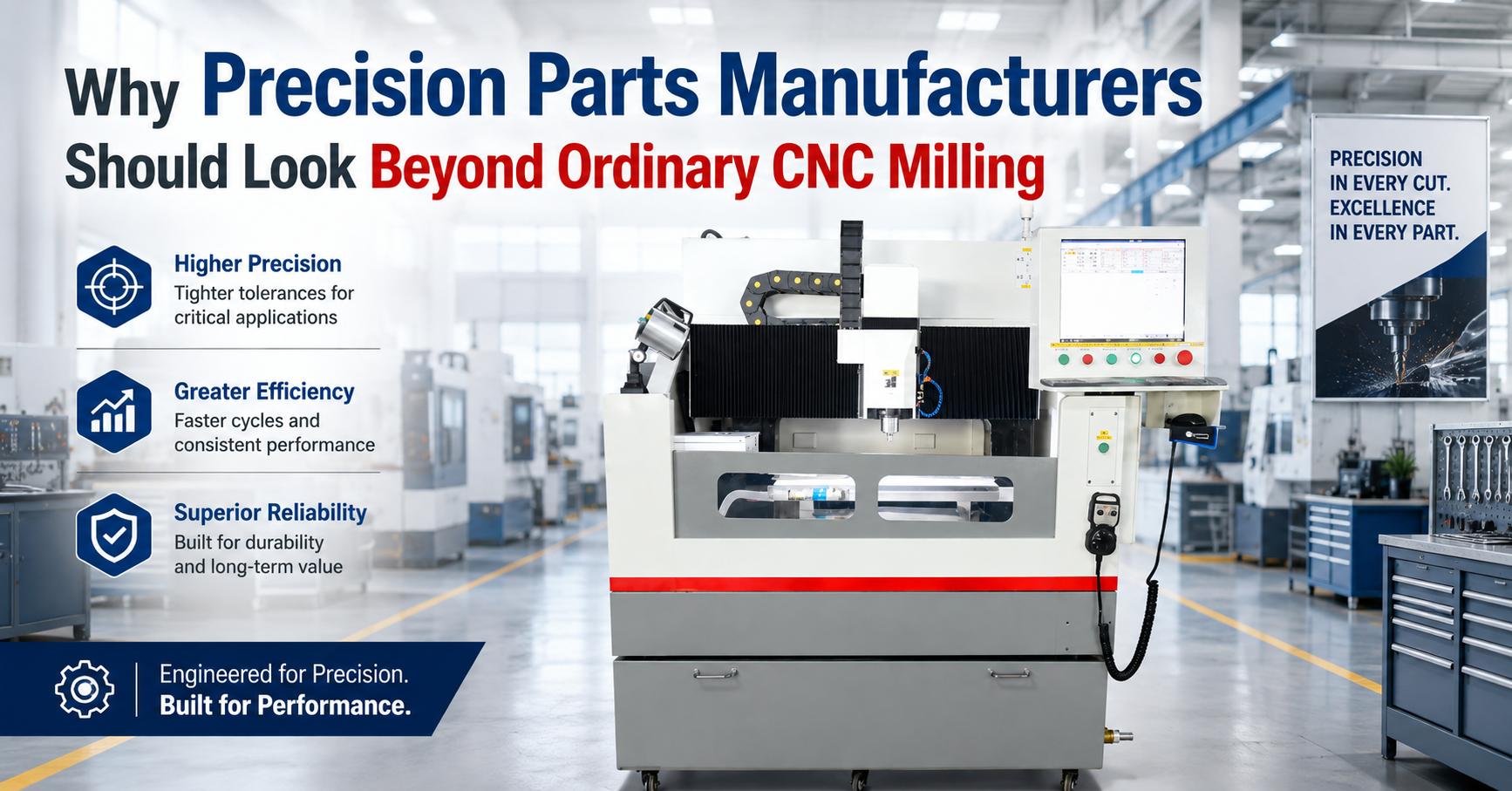
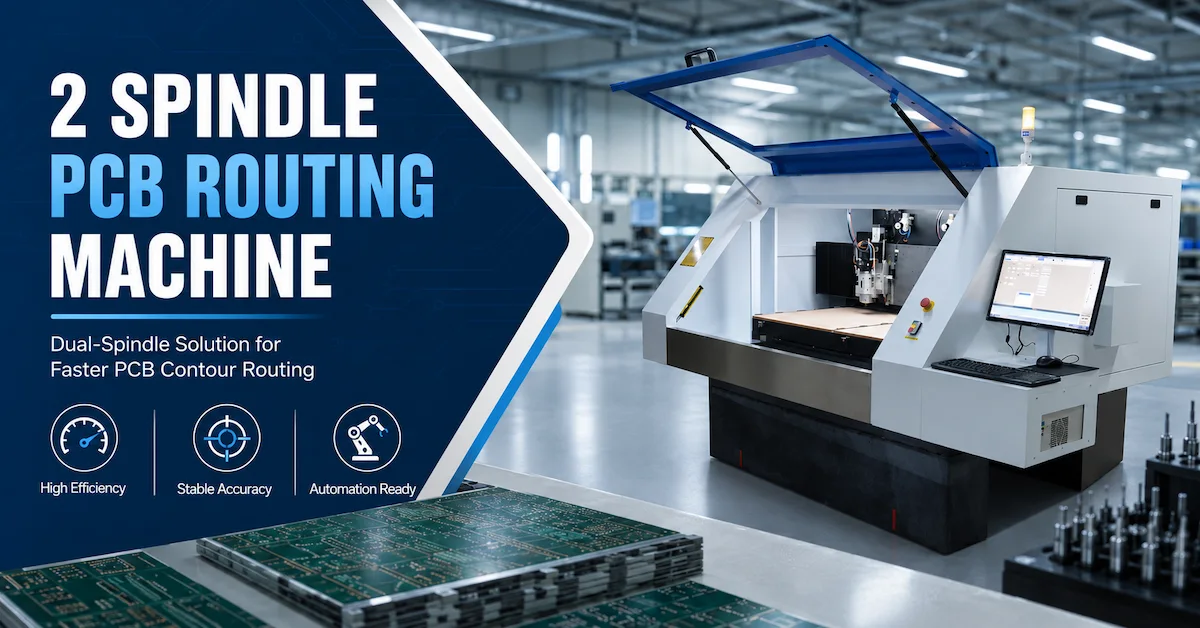
Chikin CK-02R 2 Milli PCB Delme ve Yönlendirme Makinesi, orta hacimli PCB üretimi için tasarlanmıştır. Ürün sayfasına göre, bağımsız Z ekseni kontrolüne sahip çift iş mili, 60.000 RPM iş mili hızı, 1.8KW iş mili gücü, su soğutma, granit yapı, yüksek hassasiyetli doğrusal kılavuzlar ve vidalı miller, otomatik takım değiştirme, takım uzunluğu tespiti, takım çapı tespiti, kırık takım tespiti ve basınç ayak pedalı desteği kullanır. Makinenin FR4, çok katmanlı ve alüminyum levhalarda hassas delme ve frezeleme için uygun olduğu belirtiliyor.
PCB delme ve yönlendirme makinesi üreticisi veya PCB CNC makinesi tedarikçisi arayan B2B alıcıları için bu makale, ürün adının ötesine bakmaktadır. Makinenin ne yaptığını, yapının neden önemli olduğunu, gerçek PCB üretimine nasıl uyduğunu ve satın alma ekiplerinin bir soruşturma göndermeden önce hangileri kontrol etmesi gerektiğini açıklar.
 Bunun için B2B Anahtar Kelime Stratejisi Blog
| Anahtar Kelime Türü | Anahtar Kelime | Arama Amacı | Makalede Önerilen Kullanım |
|---|---|---|---|
| Ana Anahtar Kelime | 2 milli PCB delme ve yönlendirme makinesi | Ürün araştırması / tedarikçi karşılaştırması | SEO başlığı, H1, giriş, sonuç |
| Tedarikçi Anahtar Kelimesi | PCB delme ve yönlendirme makinesi üreticisi | Üretici bul | Tedarik bölümleri ve CTA |
| Tedarikçi Anahtar Kelimesi | PCB delme ve yönlendirme makinesi tedarikçisi | Satıcıları karşılaştırın | Alıcı kontrol listesi ve SSS |
| Ürün Anahtar Kelimesi | çift milli PCB delme makinesi | İş mili yapılandırmasını karşılaştırın | Teknik açıklama |
| Ürün Anahtar Kelimesi | PCB CNC delme ve yönlendirme makinesi | Makine türünü anlayın | Ürüne genel bakış |
| Otomasyon Anahtar Kelimesi | otomatik PCB delme ve yönlendirme makinesi | Otomatik arama çözümü | Takım değiştirme ve algılama bölümü |
| Fabrika Anahtar Kelimesi | Fabrikalar için PCB yönlendirme makinesi | B2B fabrika ekipmanı | Uygulama bölümü |
| Üretim Anahtar Kelimesi | orta hacimli PCB üretim ekipmanı | Kapasite planlaması | YG bölümü |
| Uygulama Anahtar Kelimesi | PCB üreticileri için PCB delme ekipmanı | Genel satın alma amacı | Giriş ve sonuç |
| Ticari Anahtar Kelime | PCB CNC makinesi tedarikçisi | Tedarikçi sorgulama | CTA ve satın alma kılavuzu |
Orta Hacimli PCB Fabrikalarının Neden Dengeli Bir Sondaj ve Yönlendirme Çözümüne İhtiyacı Var
PCB üretimi her zaman düz bir çizgide büyümez. Bazı fabrikalar prototip yapmaktan küçük partilere, ardından tekrar siparişlere geçiyor. Diğerleri zaten endüstriyel elektronik, LED panolar, kontrol sistemleri, iletişim ekipmanları veya otomotiv tedarikçilerine hizmet veriyor ancak ürün karışımları sık sık değişiyor. Bu durumlarda darboğaz her zaman en büyük sipariş değildir. Genellikle farklı işler arasında tekrarlanan kurulum, takım değişimi, güzergah yolu ayarlaması ve operatör müdahalesi söz konusudur.
Düşük hacimli üretim, numune panoları veya basit delme işleri için tek iş milli bir makine yeterli olabilir. Ancak sipariş hacmi arttığında makine hızla yavaşlayabilir. Her delme koordinatı, her yönlendirme yolu ve her takım değişikliği zaman kazandırır. Operatörlerin takım koşullarını manuel olarak kontrol etmesi veya makineyi sık sık durdurması gerekiyorsa üretim ritmi dengesiz hale gelir.
Üst düzey dört iş milli bir makine üretim baskısını çözebilir, ancak her fabrikanın bu kapasiteye ihtiyacı yoktur. Bazı alıcılar daha dengeli bir şeye ihtiyaç duyar: tek milli ekipmana göre daha yüksek verimlilik, ancak yine de hem delme hem de frezeleme işlemlerini gerçekleştirebilecek kadar esnek. Bu, 2 milli PCB delme ve yönlendirme makinesinin pratik konumudur.
CK-02R, Chikin tarafından tek iş mili modellerine göre 1,8-2,5 kat daha fazla iş hacmi sunarken, kenar kalitesini korurken, takım aşınmasını azaltıyor ve lazer kesiciler, V-CUT ve AOI sistemleri gibi ilgili PCB hattı ekipmanlarıyla entegre oluyor olarak tanımlanıyor. Orta hacimli PCB üreticileri için bu denge genellikle kağıt üzerinde en büyük makineyi kovalamaktan daha değerlidir.
2 Milli PCB Delme ve Yönlendirme Makinesi Nedir?
2 iş mili PCB delme ve yönlendirme makinesi, PCB delik delme ve kontur yönlendirme için iki iş miliyle donatılmış bir CNC makinesidir. Yalnızca delme amaçlı bir makinenin aksine, hem delikleri hem de yönlendirme profillerini işleyebilir. Temel tek iş milli CNC ünitesinin aksine, üretim verimliliğini artırmak için iki iş mili kullanır.
CK-02R, bağımsız Z ekseni kontrolüne sahip çift iş mili kullanır. Bu konfigürasyon önemlidir çünkü delme ve frezeleme her zaman aynı kesme davranışını gerektirmez. Farklı levha malzemeleri, delik çapları, freze çapları ve takım derinlikleri dikkatli kontrol gerektirebilir. Bağımsız Z ekseni hareketi, işleme sırasında sisteme daha fazla esneklik kazandırır.
Pratik PCB üretiminde buna benzer bir makine aşağıdakiler için kullanılabilir:
| Süreç | Ne İşe Yarar | Neden Önemlidir |
|---|---|---|
| PCB delme | Yollar, geçiş delikleri, montaj noktaları ve işlem delikleri için delikler oluşturur | Kaplama, montaj, kayıt ve elektrik güvenilirliğini etkiler |
| PCB yönlendirme | Pano ana hatlarını, yuvaları, olukları ve konturları keser | Kart şeklini, kenar kalitesini ve aşağı yönde montajı etkiler |
| Karma detaylandırma ve yönlendirme | Tek bir ekipman platformunda hem delik açmayı hem de profil işlemeyi yönetir | Makine değiştirmeyi azaltır ve üretim esnekliğini artırır |
| Yinelenen toplu işleme | Yinelenen pano tasarımlarını istikrarlı bir doğrulukla çalıştırır | Fabrikaların teslimat planlarını korumasına yardımcı olur |
| Orta hacimli üretim | Basit tek iş milli ekipmana göre daha fazla çıktıyı destekler | Düzenli ancak aşırı hacimli olmayan siparişleri olan fabrikalar için uygundur |
Temel avantaj yalnızca "iki iş mili" değildir. Gerçek değer, çift iş mili işlemeyi, istikrarlı mekanik yapıyı, CNC kontrolünü, otomatik takım kullanma ve algılama sistemlerini tek bir üretim makinesinde birleştirmek.
CK-02R Ürüne Genel Bakış
Aşağıdaki tablo, Chikin'in ürün sayfasındaki ana CK-02R bilgilerini özetlemektedir.
| Öğe | CK-02R Teknik Özellikleri / Özelliği | PCB Üreticileri için Pratik Değer |
|---|---|---|
| Makine Türü | 2 Mil PCB Delme ve Yönlendirme Makinesi | Hem delme hem de yönlendirme gerektiren fabrikalar için uygundur |
| İş Mili Miktarı | 2 iş mili | Tek iş milli makinelerle karşılaştırıldığında verimi artırır |
| Z Ekseni Tasarımı | Bağımsız Z ekseni kontrolü | Daha esnek sondaj ve yönlendirme işlemlerini destekler |
| İş Mili Hızı | 60.000 RPM | PCB detaylandırma ve yönlendirme görevleri için uygundur |
| İş Mili Gücü | 1,8KW | Kararlı işleme için kesme gücü sağlar |
| Soğutma Yöntemi | Su soğutma | Daha uzun iş mili ömrünü ve sürekli çalışmayı destekler |
| Sondaj Takımı Çapı | 0,5–6,35 mm | Yaygın PCB delme gereksinimlerini kapsar |
| Yönlendirme Aracı Çapı | 0,5–3,175 mm | Kart konturunu, yuvayı ve kenar işlemeyi destekler |
| Doğruluk | ± 0,005 mm tekrarlanabilirlik / konumlandırma doğruluğu | Tutarlı delik ve yönlendirme hassasiyetinin korunmasına yardımcı olur |
| Takım Dergisi | 9 konumlu otomatik takım değiştirici | Manuel takım değişimini ve arıza süresini azaltır |
| Algılama Sistemleri | Takım uzunluğu, takım çapı, kırık takım tespiti | Süreç güvenliğini ve tutarlılığını artırır |
| Makine Tabanı | Granit taban | Titreşim sönümlemeyi ve termal kararlılığı artırır |
| Drive Sistemi | Panasonic / Delta sürücü sistemi | Sabit makine hareketini destekler |
| CNC Kontrolü | CHIKIN CNC veya SIEB & MEYER CNC82 | Endüstriyel CNC işlemlerini destekler |
| Arayüz | İngilizce arayüz | Yurtdışındaki operatörler ve küresel alıcılar için kullanışlıdır |
| İsteğe Bağlı Geri Bildirim | Doğrusal kodlayıcı, ±0,001 mm çözünürlük | Gerektiğinde daha yüksek hassasiyetli kontrolü destekler |
| Makine Ağırlığı | Yaklaşık 2300 KG | Ağır hizmet makine yapısını belirtir |
| Makine Boyutu | 2170 × 1700 × 1600 mm | Alıcıların atölye düzenini planlamasına yardımcı olur |
| Güç | 220V/380V 3PH, 5KVA | Kurulum planlaması için önemlidir |
| Destek | 3 yıllık hassasiyet garantisi ve küresel 24 saat destek | Uluslararası B2B alıcıları için kullanışlıdır |
Makinenin Çözmek İçin Tasarlandığı Ürün Sorun Noktaları
Bir PCB delme ve yönlendirme makinesi gerçek fabrika sorunlarını çözmelidir. Tedarik ekipleri için makineyi yalnızca iş mili hızına veya fiyatına göre değerlendirmemek gerekir. Daha faydalı olan soru şudur: Makine günlük üretim sırasında hangi sorunları azaltır?
| Fabrika Sorun Noktası | Ortak Üretim Etkisi | CK-02R ile İlgili Özellik |
|---|---|---|
| Yavaş sondaj ve yönlendirme döngüsü | Teslimat baskısı, fazla mesai, üretim darboğazı | Çift iş mili tasarımı verimi artırır |
| Delik konumu kararsız | Iskartaya çıkarma, yeniden işleme, düşük kaplama kalitesi | ± 0,005 mm tekrarlanabilirlik ve konumlandırma doğruluğu |
| Yönlendirmeden sonra düşük kenar kalitesi | Montaj sorunları ve ekstra bitirme işleri | Sabit iş mili ve makine tabanıyla CNC yönlendirme |
| Takım kırılması hızlı bir şekilde algılanmıyor | Hasarlı paneller ve boşa giden üretim süresi | Kırık takım tespit sistemi |
| Sık manuel takım değiştirme | Kesinti süresi ve operatör bağımlılığı | 9 konumlu otomatik takım değiştirici |
| Yüksek hızlı işleme sırasında titreşim | Takım aşınması, doğruluk sapması, pürüzlü kenar kalitesi | Titreşim sönümleme için granit taban |
| Karma üretim gereksinimleri | Delme ve yönlendirme için ayrı makinelere ihtiyaç vardır | Birleşik sondaj ve yönlendirme yeteneği |
| Yurtdışı operasyon zorluğu | Eğitim maliyeti ve iletişim sorunları | İngilizce arayüz ve küresel destek |
Birçok fabrikada bu sorunlar bir arada görülür. Bir makine hassas bir şekilde delme yapabilir ancak çok fazla manüel alet kullanımı gerektirir. Bir diğeri hızlı olabilir ancak yönlendirme sırasında kararsız olabilir. Pratik bir otomatik PCB delme ve yönlendirme makinesi aynı anda birçok riski azaltacaktır.
PCB Üretiminde Delme ve Yönlendirme Neden Çoğunlukla Bağlantılıdır
Delme ve yönlendirme ayrı süreçlerdir ancak PCB üretim planlamasında yakından bağlantılıdırlar. Delme delikler oluşturur. Yönlendirme, pano şeklini, yuvaları ve kesikleri tanımlar. Her iki süreç de gecikirse veya tutarsızsa grubun tamamı etkilenebilir.
Örneğin, bir kartın kaplamalı geçiş deliklerine, montaj deliklerine ve kenar yönlendirmesine ihtiyacı olabilir. Delme bir makinede tamamlanırsa ve yönlendirme başka bir makineye taşınırsa fabrikanın istasyonlar arasındaki hizalama, taşıma, planlama ve kalite kontrollerini yönetmesi gerekir. Bu, büyük üretim hatlarında her zaman bir sorun değildir ancak orta hacimli fabrikalar ve karışık siparişli atölyeler için süreç hareketi gecikmelere neden olabilir.
PCB CNC delme ve yönlendirme makinesi, her iki özelliği birleştirerek yardımcı olur. Büyük bir üretim tesisindeki her özel makinenin yerini almaz ancak fabrikaya daha fazla esneklik kazandırır. Bu, özellikle aynı üretim ekibinin birden fazla kart türünü, küçük ve orta ölçekli parti boyutlarını, mühendislik değişikliklerini ve acil teslimat taleplerini ele aldığı durumlarda kullanışlıdır.
CK-02R'nin 0,5–6,35 mm'lik delme takımı aralığı ve 0,5–3,175 mm'lik frezeleme aralığı, onu farklı kart türlerindeki yaygın PCB işleme görevleri için uygun hale getirir.
Üretim Verimliliğinde Çift İş Mili'nin Rolü
Bir iş mili ile iki iş mili arasındaki fark basit görünebilir ancak üretim etkisi önemli olabilir. Tek iş milli bir makine aynı anda tek bir işleme yolunu işler. İş yapısı ve makine kurulumu uygun olduğunda, çift iş mili yapılandırması çıktıyı iyileştirebilir.
Chikin, CK-02R'nin tek iş milli modellere göre 1,8–2,5 kat daha yüksek verim elde edebileceğini belirtiyor. Fabrika açısından bu, daha kısa sondaj kuyrukları, daha hızlı parti tamamlama, daha iyi makine kullanımı ve fazla mesaiye daha az bağımlılık anlamına gelebilir.
Ancak çift iş mili değeri yalnızca hızla ilgili değildir. Aynı zamanda üretim planlamasını da geliştirir. Bir fabrika düzenli olarak tekrarlanan panelleri işliyorsa, iki iş mili çevrim süresini daha öngörülebilir hale getirebilir. Tahmin edilebilir döngü süresi, üretim yöneticilerinin kaplama, inceleme, montaj hazırlığı veya teslimat gibi sonraki süreçleri planlamasına yardımcı olur.
| Üretim Faktörü | Tek Milli Makine | 2 Mil PCB Delme ve Yönlendirme Makinesi |
|---|---|---|
| Çıktı İşleniyor | Daha düşük | Tekrarlanan uygun işler için daha yüksek |
| Üretim Esnekliği | Örnekler ve basit çalışmalar için iyi | Orta hacimli karma üretim için daha iyi |
| Makine Yatırımı | Daha düşük başlangıç maliyeti | Daha yüksek ancak daha üretken |
| Operatör Bağımlılığı | Takım değişiklikleri sık olduğunda daha yüksektir | Otomatik takım kullanımıyla daha düşük |
| Routing Capability | Depends on machine design | Integrated drilling and routing |
| Best Fit | Prototype, low-volume, simple boards | Mid-volume PCB factories and repeated orders |
For a factory that already has regular PCB orders but is not ready for a larger four-spindle drilling machine, a two-spindle drilling and routing machine can be a reasonable next step.
Why Independent Z-Axis Control Matters
The CK-02R uses dual spindles with independent Z-axis control. This is an important detail for real machining, because the Z-axis controls vertical movement, cutting depth, tool engagement, and process safety.
In PCB drilling, the Z-axis affects entry, drilling depth, and tool withdrawal. In routing, it affects cutting depth, edge finish, and tool load. If the machine handles different tools or different machining operations, independent Z-axis control gives the system more control over how each spindle works.
This can help in several ways:
| Z-Axis Requirement | Why It Matters in PCB Processing |
|---|---|
| Accurate vertical positioning | Helps prevent over-cutting or insufficient cutting |
| Controlled drilling depth | Important for process consistency |
| Tool protection | Reduces risk of overload and breakage |
| Routing quality | Helps maintain clean board edges and stable profiles |
| Process flexibility | Supports different operations within one machine platform |
For B2B buyers, independent Z-axis control is one of the details that separates a production-oriented machine from a basic mechanical platform.
Granite Base and Machine Stability
A machine base may not look as exciting as spindle speed, but it has a direct effect on machining quality. The CK-02R uses a granite base for vibration damping, thermal stability, and long-term precision.
In PCB drilling and routing, vibration can create several problems. It can increase tool wear, reduce hole accuracy, affect routing edge quality, and create inconsistent results across a batch. The issue becomes more visible when processing smaller features, denser boards, or materials that require clean cutting.
Granite is commonly valued in precision equipment because it provides dimensional stability and vibration damping. In the context of the CK-02R, the granite base supports consistent high-speed operation in demanding PCB environments.
| Machine Structure Factor | Impact on PCB Production |
|---|---|
| Vibration damping | Helps improve hole quality and routing edge consistency |
| Thermal stability | Reduces accuracy drift during longer operation |
| Heavy machine body | Supports stable high-speed motion |
| Precision mechanical foundation | Helps maintain repeatability over time |
A lower-cost machine with weak structure may perform acceptably during a short demonstration, but long production shifts expose vibration and thermal issues. That is why serious buyers should ask about the machine base, not only spindle quantity.
Linear Guides, Ballscrews, and Motion Accuracy
The CK-02R is equipped with high-accuracy linear guides and ballscrews. Chikin lists Taiwan components as standard, with Germany Rexroth or Japanese components available as upgraded options. The product page also states that the machine can reach rapid traverse speeds up to 30m/min in XY and maintain ±0.005mm repeatability and positioning accuracy.
Motion accuracy matters because PCB machining is coordinate-based. Every hole and routing path depends on the machine’s ability to move predictably. If there is backlash, vibration, or positioning drift, the result may be hole offset, routing deviation, rough board edges, or scrap.
| Motion System Element | Production Meaning |
|---|---|
| Linear guide | Supports smooth and stable axis movement |
| Ballscrew | Converts motor motion into precise linear movement |
| Rapid traverse speed | Reduces non-cutting movement time |
| Repeatability | Helps the machine return to the same point consistently |
| Positioning accuracy | Helps match programmed coordinates with actual machining |
| Optional linear encoder | Adds higher-resolution position feedback when required |
For a PCB drilling and routing machine supplier, motion accuracy should be a core selling point. For buyers, it should be a core inspection point.
Spindle Performance: 60,000 RPM, 1.8KW, and Water Cooling
The CK-02R uses 60,000 RPM spindles with 1.8KW power and water cooling. This combination is relevant for both drilling and routing.
High spindle speed helps process PCB materials cleanly, especially when using smaller tools. Spindle power helps maintain cutting stability during routing and heavier machining conditions. Water cooling helps control spindle temperature and supports longer service life during extended operation.
| Spindle Feature | Why It Matters |
|---|---|
| 60,000 RPM speed | Supports PCB drilling and routing with smaller tools |
| 1.8KW power | Provides cutting strength for routing and stable machining |
| Water cooling | Helps protect spindle performance during longer operation |
| Dual-spindle setup | Improves throughput compared with single-spindle equipment |
Spindle performance should always be evaluated together with machine structure and motion accuracy. A fast spindle cannot compensate for a weak mechanical base. A strong machine frame cannot reach full value if the spindle lacks stability. The CK-02R positions these elements as a complete system.
Automatic Tool Change and Detection Systems
Manual tool handling is one of the most underestimated sources of downtime in PCB machining. Every time the operator changes tools manually, production stops. Every tool setup error can create quality risk. Every broken tool that goes undetected can damage boards before anyone notices.
The CK-02R includes a fully automatic tool changer with a 9-position magazine. It also includes tool length detection, tool diameter detection, broken tool detection, and pressure foot switch support.
| Tool Management Feature | Practical Benefit |
|---|---|
| 9-position automatic tool changer | Reduces manual tool changes |
| Tool length detection | Helps maintain correct machining depth |
| Tool diameter detection | Helps confirm tool suitability |
| Broken tool detection | Reduces scrap risk from undetected tool breakage |
| Pressure foot switch | Supports safer and more controlled processing |
For a mid-volume PCB factory, these features are not just “automation options.” They help reduce human error, stabilize process timing, and improve production confidence.
CNC Control and Drive System
The CK-02R uses a Panasonic / Delta drive system and supports CHIKIN CNC or SIEB & MEYER CNC82 control, with an English interface. This matters because a CNC machine is only as useful as its control stability and operator usability.
SIEB & MEYER describes its CNC controls and motion controller products as optimized for PCB drilling and mechanical PCB routing, with emphasis on process reliability and efficiency. This aligns with what PCB manufacturers need from drilling and routing equipment: stable motion, reliable spindle coordination, efficient program execution, and manageable operation.
For overseas buyers, the English interface is also important. It reduces training difficulty and allows local operators to work with less translation dependency. In B2B equipment purchases, operation clarity can directly affect how quickly a factory can adopt the new machine.
| Control / Drive Element | Buyer Concern |
|---|---|
| CNC controller | Program execution, machine coordination, operation logic |
| Drive system | Axis response, stability, motion reliability |
| English interface | Operator training and overseas usability |
| Optional encoder | Higher positioning feedback for precision requirements |
| Supplier support | Troubleshooting, parameter adjustment, long-term maintenance |
A PCB CNC machine supplier should be able to explain not only which controller is used, but also how the control system supports real drilling and routing work.
Suitable PCB Materials and Applications
The CK-02R is positioned for precise drilling and routing on FR4, multilayer, and aluminum boards. These are common board categories in industrial electronics, LED lighting, power electronics, control systems, communication equipment, and many other manufacturing sectors.
| PCB Type | Typical Requirement | Why CK-02R Fits |
|---|---|---|
| FR4 PCB | General drilling, routing, mounting holes, edge profiles | Balanced drilling and routing capability |
| Multilayer PCB | Stable hole position and repeatable machining | ±0.005mm accuracy supports consistency |
| Aluminum PCB | Routing and processing for metal-backed boards | 1.8KW spindle power supports tougher cutting conditions |
| Industrial control board | Repeatable production and stable quality | CNC control and detection systems reduce process variation |
| LED PCB | Aluminum substrate processing and repeated panel machining | Suitable for board routing and drilling tasks |
| Small to mid-volume production | Flexible batch processing | Dual-spindle system improves efficiency without oversized investment |
This makes the machine especially relevant for factories that produce more than one PCB type. If a factory only produces one extremely high-volume product, a more specialized line may be preferred. But if the factory manages repeated mixed orders, a dual-spindle drilling and routing platform can be practical.
How This Machine Supports Mid-Volume PCB Production
Mid-volume production is often harder to manage than it appears. The factory must maintain efficiency, but it may not have the luxury of running one product for weeks without changeover. Orders may be repeated, but batch sizes may vary. Product designs may be stable, but customer requirements can change.
A 2 spindle PCB drilling and routing machine supports this environment because it offers:
| Production Need | How CK-02R Supports It |
|---|---|
| Higher output than single-spindle machines | Dual spindles improve production efficiency |
| Flexibility for drilling and routing | One machine platform handles both processes |
| Stable accuracy | Granite base and precision motion components |
| Lower downtime | Automatic tool change and detection systems |
| Mixed board compatibility | FR4, multilayer, and aluminum board applications |
| International operation | English interface and global support |
For many buyers, this combination is the reason to choose a dual-spindle machine instead of a single-spindle unit or a drilling-only system.
2 Spindle Machine vs 4 Spindle Machine
A common procurement question is whether to buy a two-spindle or four-spindle machine. The answer depends on production volume, board type, budget, and the factory’s bottleneck.
| Comparison Point | 2 Spindle PCB Drilling and Routing Machine | 4 Spindle PCB Drilling Machine |
|---|---|---|
| Main Function | Drilling + routing | Mainly high-speed drilling |
| Spindle Quantity | 2 | 4 |
| Best Use | Mid-volume mixed production | Higher-volume drilling production |
| Process Flexibility | Higher because it combines drilling and routing | More focused on drilling throughput |
| Investment Level | Usually more moderate | Usually higher |
| Typical Buyer | Factory needing balanced drilling/routing capacity | Factory with drilling bottleneck and larger volume |
| Selection Logic | Choose when flexibility and mid-volume output matter | Choose when maximum drilling output matters |
A 4-spindle drilling machine may be better for factories with heavy drilling loads and high batch volume. A 2-spindle drilling and routing machine may be better when the factory wants a more flexible system that handles both hole processing and profile machining.
2 Spindle PCB Drilling and Routing Machine vs Single-Spindle Machine
| Factor | Single-Spindle Machine | 2 Spindle PCB Drilling and Routing Machine |
|---|---|---|
| Throughput | Lower | Higher, especially for repeated jobs |
| Initial Cost | Lower | Higher than single-spindle equipment |
| Automation Level | Depends on model | Automatic tool change and detection features |
| Suitable Production | Prototype and low volume | Small-to-mid and mid-volume production |
| Drilling and Routing | May support both, but slower | Better balanced for repeated drilling/routing |
| Operator Intervention | Often higher | Lower due to tool automation |
| Long-Term Value | Good for simple jobs | Better for factories with steady orders |
The decision should not be made only by purchase price. If a single-spindle machine causes delays, overtime, tool-change downtime, or missed delivery dates, its lower price may not mean lower total cost.
2 Spindle Drilling and Routing Machine vs Separate Drilling and Routing Machines
Some factories prefer separate machines for drilling and routing. This can work well when production volume is high enough and the workflow is stable. However, separate equipment also means more handling, more floor space, and more scheduling coordination.
| Evaluation Point | Combined 2 Spindle Drilling & Routing Machine | Separate Drilling and Routing Machines |
|---|---|---|
| Floor Space | More compact | Requires more space |
| Process Flexibility | Good for mixed production | Strong if each process has stable volume |
| Handling Time | Lower between drilling and routing | Higher due to transfer between machines |
| Scheduling | Easier for small/mid batches | More complex but scalable |
| Investment | One integrated machine | Two separate equipment investments |
| Best Fit | Mid-volume factories and mixed orders | Larger production lines with dedicated process stations |
A combined machine is not always better. But for many mid-volume PCB manufacturers, it reduces workflow complexity and gives production managers more flexibility.
Quality Control: Why Drilling and Routing Accuracy Affect Final PCB Reliability
PCB drilling and routing quality affects more than appearance. Hole accuracy affects registration, plating, assembly, and electrical reliability. Routing quality affects board shape, edge smoothness, assembly fit, and handling safety.
IPC-6012 covers qualification and performance requirements for rigid printed boards, including single-sided, double-sided, plated-through-hole, multilayer, blind/buried via, and metal core boards. This is relevant because drilling and routing equipment contributes directly to whether a factory can maintain consistent board quality.
| Quality Issue | Possible Cause | Machine Feature That Helps |
|---|---|---|
| Hole position deviation | Motion error, vibration, poor positioning | ±0.005mm accuracy and granite base |
| Rough routing edge | Tool wear, vibration, weak spindle control | 1.8KW spindle and stable machine structure |
| Tool breakage | Incorrect tool condition, overload, long use | Broken tool detection |
| Inconsistent cutting depth | Z-axis control or tool length error | Independent Z-axis and tool length detection |
| Production scrap | Delayed detection of process problems | Tool diameter and broken tool detection |
A professional PCB drilling and routing machine manufacturer should understand that equipment is part of the quality system. It is not only a mechanical tool.
ROI Factors for B2B Buyers
A buyer should calculate machine value based on production results, not only purchase cost. The CK-02R is positioned as a machine that improves throughput, reduces downtime, and supports stable mid-volume production.
| ROI Factor | How It Affects Production | What Buyers Should Measure |
|---|---|---|
| Throughput improvement | Shortens drilling/routing cycle time | Compare current cycle time with expected dual-spindle output |
| Tool change reduction | Reduces machine idle time | Record daily manual tool-change time |
| Scrap reduction | Saves board material and labor | Review drilling/routing-related scrap records |
| Labor efficiency | Reduces operator intervention | Compare operator workload before and after upgrade |
| Delivery stability | Helps protect lead time | Track delayed orders caused by machining bottlenecks |
| Process flexibility | Handles different PCB types | Review monthly board variety |
| Floor space efficiency | Combines drilling and routing | Compare one integrated machine vs separate equipment |
| Maintenance and support | Reduces long-term downtime risk | Review warranty, spare parts, and supplier response |
A machine with a higher purchase price can still be economical if it reduces downtime, improves delivery, and allows the factory to accept more stable orders.
Practical Buyer Checklist
Before choosing a PCB drilling and routing machine supplier, buyers should prepare a clear checklist. This prevents procurement from becoming a simple price comparison.
| Evaluation Area | Questions to Ask Supplier | Why It Matters |
|---|---|---|
| Spindle System | What is the spindle speed, power, cooling method, and service life? | Determines cutting performance and durability |
| Spindle Quantity | Is two-spindle capacity enough for our order volume? | Prevents underbuying or overbuying |
| Z-Axis Design | Are the spindles independently controlled? | Affects process flexibility |
| Work Area | Does the machine fit our standard PCB panel sizes? | Prevents production mismatch |
| Tool Range | What drilling and routing tool diameters are supported? | Ensures compatibility with product designs |
| Tool Changer | How many tool positions are available? | Affects downtime and job complexity |
| Detection Systems | Does the machine detect broken tools and tool dimensions? | Reduces scrap risk |
| Accuracy | What repeatability and positioning accuracy can the machine maintain? | Affects hole and routing quality |
| CNC System | Which controller is used and what languages are supported? | Affects operation and training |
| Service | What warranty and global support are available? | Important for overseas buyers |
| Sample Test | Can the supplier process buyer samples before order? | Verifies real performance |
| ROI | Can the supplier help compare current and expected production output? | Supports business decision-making |
How to Decide Whether CK-02R Fits Your Factory
The CK-02R is not the only possible machine choice. It is suitable when the factory’s needs match its design.
It may fit your factory if:
| Factory Situation | CK-02R Fit |
|---|---|
| You process FR4, multilayer, or aluminum PCB boards | Strong fit |
| You need both drilling and routing | Strong fit |
| You want higher output than single-spindle machines | Strong fit |
| You handle mid-volume or mixed-batch orders | Strong fit |
| You need automatic tool change and detection | Strong fit |
| You only need very low-volume prototyping | May be more than necessary |
| You need the highest possible drilling throughput | Consider a 4-spindle drilling machine |
| You already have separate high-capacity routing and drilling lines | Compare workflow carefully |
A good machine decision starts with production data. Before sending an inquiry, the buyer should review monthly board volume, average hole count, routing complexity, tool change frequency, scrap causes, and current bottleneck location.
Process Flow: How the Machine Fits into PCB Manufacturing
A PCB CNC drilling and routing machine usually belongs in the mechanical processing stage of PCB manufacturing. Its exact position depends on the factory process, but it often supports hole formation and board profiling.
| Production Step | Role of Drilling / Routing Machine |
|---|---|
| Design preparation | Receives machining coordinates and process requirements |
| Panel setup | PCB panels are positioned and fixed |
| Tool preparation | Required drilling and routing tools are loaded |
| Drilling | Holes are created according to CNC program |
| Routing | Board outline, slots, or contours are machined |
| Detection | Tool condition and machining stability are monitored |
| Inspection | Board holes and edges are checked |
| Downstream process | Boards continue to plating, finishing, inspection, or assembly-related workflow |
The CK-02R’s automatic tool change and detection systems are useful because they reduce interruptions during the drilling and routing stages.
Production Scenarios for the CK-02R
| Scenario | Buyer Need | Why CK-02R Is Relevant |
|---|---|---|
| Mid-volume PCB factory | Increase output without buying oversized equipment | Dual-spindle throughput improvement |
| Prototype-to-batch transition | Move from samples to repeat orders | Balanced flexibility and efficiency |
| Aluminum PCB processing | Handle LED and power boards | Routing capability and spindle power |
| Mixed FR4 and multilayer orders | Process different board types | CNC flexibility and stable accuracy |
| Export-oriented factory | Improve reliability and delivery confidence | English interface and global support |
| Equipment upgrade project | Replace older single-spindle machines | Better automation and detection |
Common Mistakes When Buying PCB Drilling and Routing Equipment
Many equipment problems begin before the machine arrives. Procurement teams sometimes focus on visible specifications while ignoring workflow fit.
| Mistake | Why It Creates Risk | Better Approach |
|---|---|---|
| Buying only by lowest price | May lead to poor stability or weak support | Compare total cost and production impact |
| Ignoring tool change time | Manual changes reduce real output | Evaluate automatic tool changer capacity |
| Focusing only on spindle speed | Speed without stability may reduce quality | Check base, guide rails, ballscrews, and accuracy |
| Not testing real samples | Catalog specs may not reflect actual jobs | Request sample processing |
| Overbuying capacity | Higher investment may not improve ROI | Match machine to order volume |
| Underbuying capacity | Bottleneck remains after purchase | Calculate future order growth |
| Ignoring service support | Downtime becomes expensive | Confirm warranty, response time, and spare parts |
A reliable PCB drilling and routing machine supplier should help the buyer avoid these mistakes during selection.
Internal Linking Suggestions for Website Publishing
| Anchor Text | Suggested Link Target |
|---|---|
| 2 spindle PCB drilling and routing machine | CK-02R product page |
| PCB drilling and routing solutions | Product category page |
| 4 spindle PCB drilling machine | Related product page |
| PCB routing machine for factories | Routing product page |
| PCB laser cutting equipment | Laser cutting machine page |
| PCB AOI inspection machine | AOI product page |
| request a customized quote | Contact / inquiry page |
| sample processing or live demo | Service page |
Internal links should be placed naturally. The article should guide buyers from education to product comparison, then to inquiry.
FAQ
What is a 2 spindle PCB drilling and routing machine?
A 2 spindle PCB drilling and routing machine is a CNC machine designed to process PCB holes and board profiles with two spindles. It improves efficiency compared with a single-spindle machine and offers more flexibility than a drilling-only system.
What is the main advantage of the CK-02R?
The main advantage is balanced production capability. The CK-02R combines dual spindles, drilling and routing functions, granite structure, automatic tool change, tool detection, and ±0.005mm repeatability / positioning accuracy for mid-volume PCB production.
What materials can the CK-02R process?
The product page describes the CK-02R as suitable for precise drilling and routing on FR4, multilayer, and aluminum boards.
What is the spindle speed of the CK-02R?
The CK-02R uses 60,000 RPM spindles with 1.8KW power and water cooling.
What tool sizes does the machine support?
The CK-02R supports drilling tools from 0.5–6.35mm and routing tools from 0.5–3.175mm.
Does the machine include automatic tool change?
Yes. The CK-02R includes a fully automatic tool changer with a 9-position magazine, along with tool length detection, tool diameter detection, broken tool detection, and pressure foot switch support.
Is a 2 spindle machine better than a 4 spindle machine?
Not always. A two-spindle drilling and routing machine is better for mid-volume production and mixed drilling/routing needs. A four-spindle drilling machine is better when the main goal is higher drilling throughput.
Is this machine suitable for overseas buyers?
The CK-02R includes an English interface and is backed by global 24-hour support, according to Chikin’s product page.
How should a factory calculate ROI?
A factory should compare current cycle time, manual tool-change time, scrap caused by drilling/routing issues, operator workload, delivery delays, and expected order growth. The value of the machine comes from higher output, lower downtime, and more stable quality.
Conclusion
A 2 spindle PCB drilling and routing machine is a practical choice for PCB manufacturers that need more than basic drilling capacity but do not necessarily require the largest multi-spindle system. It is especially suitable for mid-volume factories, mixed PCB orders, FR4 boards, multilayer boards, aluminum boards, and production environments where both drilling and routing must remain stable.
The Chikin CK-02R combines dual spindles, independent Z-axis control, 60,000 RPM spindle speed, 1.8KW water-cooled spindle power, granite base construction, high-accuracy linear guides and ballscrews, automatic tool change, tool length detection, tool diameter detection, broken tool detection, and ±0.005mm repeatability / positioning accuracy. These features make it relevant for buyers searching for a PCB drilling and routing machine manufacturer, PCB drilling and routing machine supplier, or PCB CNC machine supplier for mid-volume PCB production.
For B2B procurement teams, the best decision is not simply choosing the lowest price or the highest spindle count. A better approach is to match the machine to real factory conditions: board materials, hole sizes, routing requirements, order volume, tool-change frequency, accuracy expectations, operator skill level, and after-sales support needs.
If the main production challenge is flexible drilling and routing with better throughput than a single-spindle machine, the CK-02R is worth evaluating as a balanced PCB CNC solution for modern PCB manufacturing.