




Small CNC PCB Drilling Machine for Precision Prototyping and Compact Shop Floors
A small CNC PCB drilling machine is useful when a workshop needs accurate hole placement, repeatable positioning, and a compact footprint without moving to a large production cell. For buyers working on electronics prototyping, fixture plates, small parts, or light milling tasks, the main challenge is often the same: how to drill and machine detailed features consistently while keeping setup simple and floor space under control. This enclosed CNC machine concept addresses that need with a rigid cabinet, a vertical spindle head, and an integrated control interface that supports controlled subtractive machining.
Product Overview
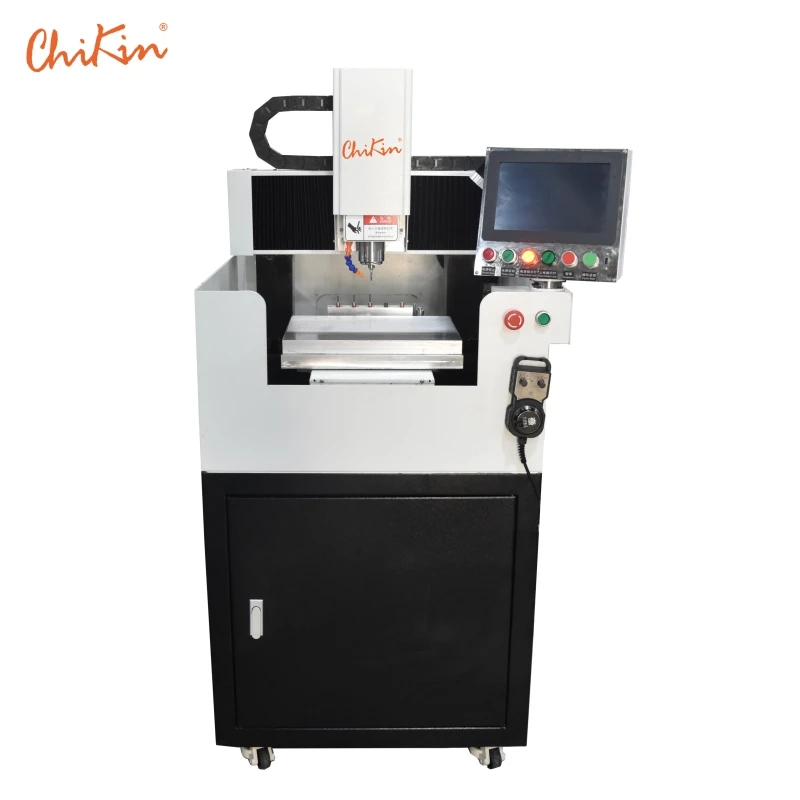
Based on the visible structure, this machine is a box-style enclosed CNC machining system with a central spindle, a flat metal worktable, and a right-side touchscreen control panel. The overall layout suggests a compact production tool designed for precision work in a protected cutting area. The enclosure helps contain chips and improves operator separation from the machining zone, while the wheeled base makes it easier to position the unit inside a lab, toolroom, or small manufacturing space.
For buyers comparing a desktop PCB CNC machine with a larger shop machine, the main advantage here is the combination of enclosure, control access, and a more industrial frame style. The machine appears suited to drilling, engraving, and light milling tasks where stable positioning matters more than high-volume throughput.
Key Capabilities and Visible Features
Enclosed machining area
The cutting zone is surrounded by a cabinet-style structure, which is a practical feature for cleaner operation and better safety awareness. While exact dust or coolant handling is not visible, the enclosure itself is a useful reference point for buyers who want a contained working area.
Integrated HMI and controls
The right-side touchscreen panel with physical buttons and an emergency stop provides a straightforward operator interface. This is important in small batch environments where quick job changes and immediate machine stop functions are part of daily work.
Compact, mobile footprint
Casters at the base indicate that the machine can be moved more easily than a fixed heavy center. That matters in labs, prototype rooms, and service workshops where layout changes are common.
Task lighting and axis wiring management
A flexible work light helps visibility at the spindle area, and the cable drag chain on the left side suggests organized motion handling for moving-axis wiring. These are practical details, especially during detailed setup or inspection.
Materials and Finish
The visible construction uses painted sheet metal for the enclosure and cabinet, with an industrial gray, white, and black finish. The work surface appears to be a brushed or machined metal table. This kind of finish is common in enclosed CNC systems because it balances durability, easy cleaning, and a professional shop appearance. For buyers, the finish is less about decoration and more about maintenance, chip resistance, and long-term usability.
Manufacturing Process and Working Method
This machine fits within CNC subtractive machining. In practical terms, the spindle removes material from the workpiece according to programmed toolpaths. Depending on the setup, that can include drilling, pocketing, contouring, engraving, or light milling. Because exact spindle speed, travel range, and controller specifications are not visible, it is best to evaluate this equipment by job type rather than by assumption. For some users, it may function as a PCB drilling and milling machine for prototyping; for others, it may be better suited to mold components, fixture parts, or engraving plates.
Typical Application Scenarios
The visible design suggests use in prototyping, small-batch production, and toolroom work. Common scenarios may include:
• PCB prototype drilling and related light machining tasks
• Nameplates, labels, and engraving plates
• Mold inserts, dies, and small precision parts
• Fixture components and custom tooling
For users seeking a PCB prototype drilling machine, the enclosed layout and compact form can be appealing when the workshop needs repeatable drilling in a controlled space. If the same machine is also used as a small CNC PCB milling machine, the buyer should confirm the material range, spindle behavior, and fixturing approach before purchase.
Quality Control and Purchase Checks
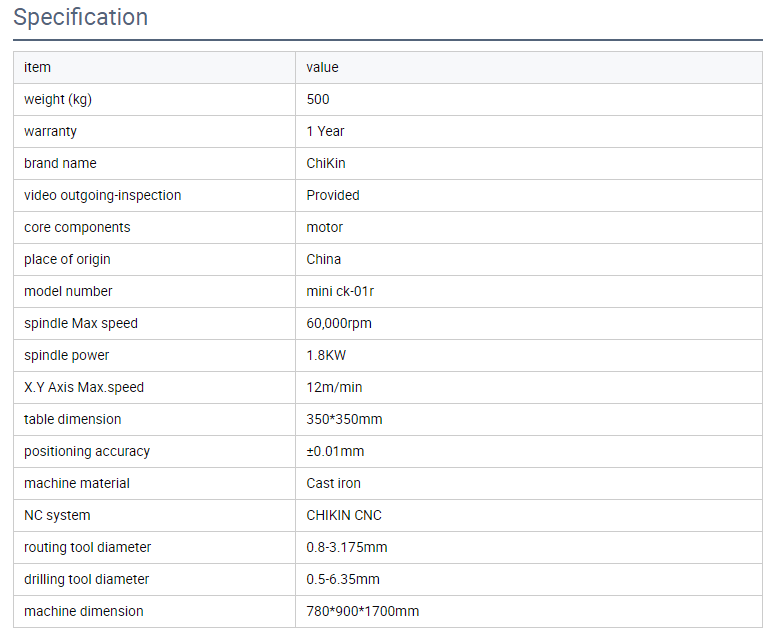
Since exact performance numbers are not provided, buyers should focus on verification points that affect real use. Ask about spindle runout, table flatness, axis repeatability, controller interface, and maintenance access. It is also worth checking whether the enclosure allows easy cleaning, whether the emergency stop is clearly accessible, and whether the machine can be serviced without removing major panels.
For electronics or precision work, inspect how the workpiece is clamped, how the tool is changed, and how cable routing is protected during motion. These details often matter more than brochure language when selecting a mini CNC PCB machine for regular shop use.
Customization and Buyer Decision Factors
When specifying a machine like this, define the real job first. If the primary need is PCB drilling, ask about drill-bit compatibility, fixturing, and workflow for repeated board positioning. If the need is broader, such as engraving and light milling, consider work envelope, table setup, and controller usability. Buyers should also evaluate footprint, power requirements, chip management, and whether a mobile base is useful in their facility.
If you are comparing this type of equipment with an open-frame desktop unit, the enclosed cabinet and integrated control layout may offer better day-to-day practicality. If your work is highly specialized, confirm compatibility before ordering.
Request More Information
If you are sourcing a compact CNC solution for drilling, engraving, or light milling, this machine format is worth reviewing in detail. Send your application, material type, and required part size, and ask for the exact configuration, controller details, and available options before making a final decision.