




PCB Chamfering Machine Overview
A PCB Chamfering Machine is used to smooth or bevel board edges so panels feed better, fit more cleanly into downstream assemblies, and reduce edge-related damage during handling. For buyers running panelized circuit boards, the main problem is often inconsistent edge quality: rough corners can interfere with fixtures, create burrs, or slow manual assembly. A properly selected PCB chamfering setup helps create repeatable edge finishing and supports more stable production flow.
Product Overview
In general manufacturing terms, this type of equipment is designed to process board edges in a controlled, repeatable way. It is closely related to Circuit Board Chamfering Equipment, FR-4 Board Corner Grinder, and PCB Edge Finishing Machine configurations used in electronics production. The goal is not cosmetic improvement alone; it is to produce a uniform edge profile that works better with conveyors, pallets, positioning tools, and operators’ hands.
When comparing machines, buyers usually look for stable board support, predictable edge removal, and a layout that allows safe loading and unloading. For FR-4 material, the cutting or grinding action must be consistent enough to avoid excessive fiber breakout while still improving the corner condition. The exact process design varies by model, but the core requirement stays the same: clean, repeatable edge treatment.
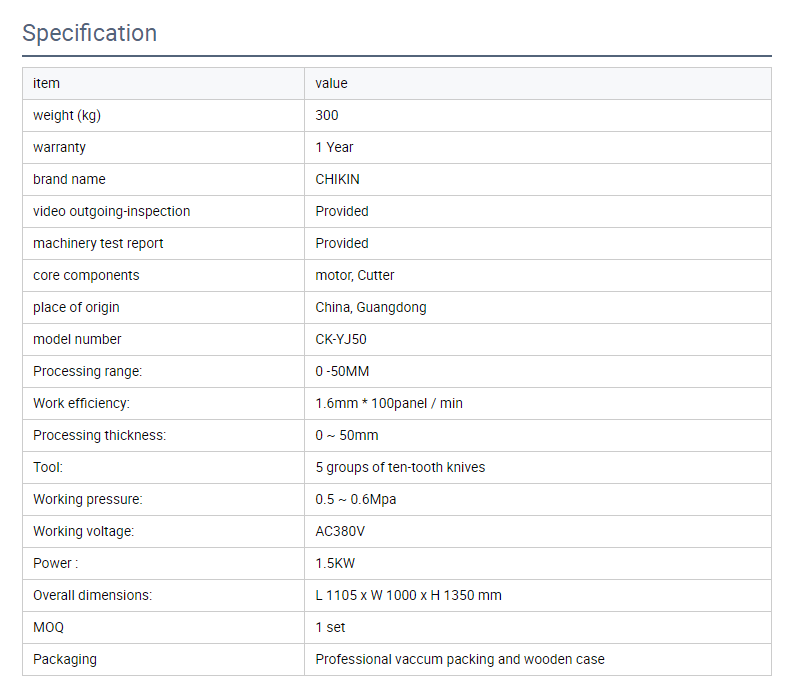
Key Capabilities and Typical Configuration
What buyers generally expect
Most PCB chamfering systems are built to handle panel edges with controlled feed and guided tooling. Depending on the machine design, the system may use a cutter, grinding wheel, or combined finishing mechanism. The practical focus is on repeatability, operator safety, and easy adjustment for different board sizes or edge requirements.
Common features include a rigid frame, work support, dust collection interface, guarding around moving parts, and process controls for start/stop operation. For production environments, a dependable infeed and a consistent corner finish are often more important than high complexity.
Visible construction traits from the supplied reference image
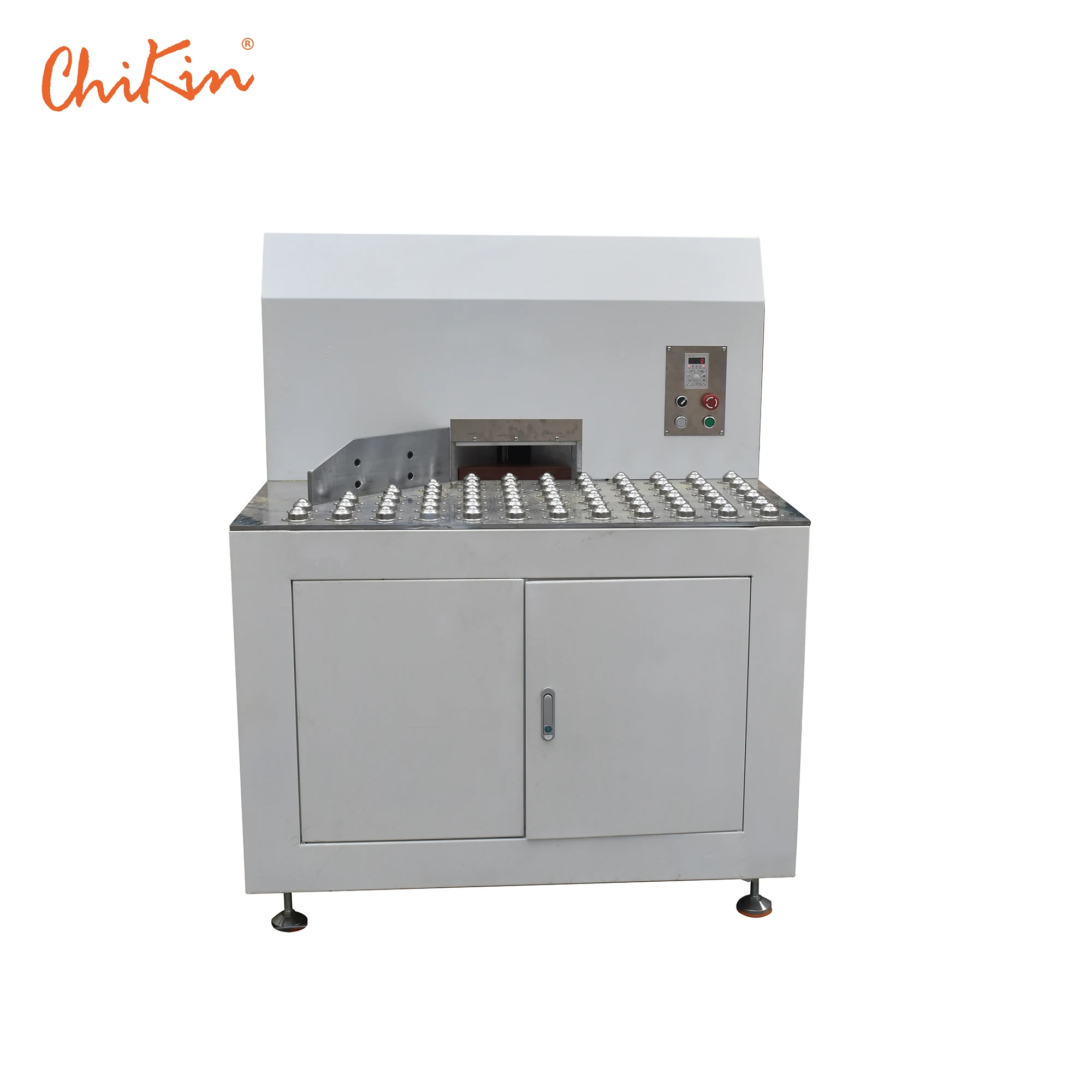
The provided machine image shows a floor-standing industrial cabinet with an enclosed body, a stainless-steel work surface, dual front access doors, adjustable leveling feet, and a right-side control panel with digital display and push buttons. Those visible design traits suggest a heavy-duty, serviceable industrial machine. However, the exact internal process is not confirmed from the image alone, so the description above should be treated as a structural reference rather than a performance claim.
Materials and Finish Options
For PCB processing equipment, the frame is typically built from painted sheet metal or welded steel for rigidity. Work surfaces may use stainless steel where cleanliness, corrosion resistance, and easy wipe-down are needed. Tooling surfaces, guides, and wear components often rely on hardened metal or abrasion-resistant parts, depending on the cutting method.
Surface finish matters for maintenance and long-term use. A smooth painted cabinet resists shop wear, while stainless contact surfaces help reduce contamination buildup and simplify routine cleaning. Buyers should also consider whether the machine supports replaceable tooling, sealed bearings, or corrosion-resistant hardware in dusty production areas.
Manufacturing and Operating Process
A PCB Edge Finishing Machine typically follows a straightforward workflow: board placement, edge alignment, powered chamfering or grinding, and removal of finished panels. In a manual or semi-automatic setup, operators load boards against a guide or fixture, then the machine performs the edge treatment along the set path. More advanced systems may include synchronized feed, adjustable stops, and repeatable indexing.
For factory planning, the important process questions are not only output speed but also edge consistency, setup time, and how quickly operators can change between panel formats. If the machine is intended for FR-4 board corner work, dust extraction and edge debris control become important because fiberglass and resin dust can affect cleanliness and equipment life.
Application Scenarios
This type of machine is commonly considered for electronics manufacturing lines, prototype shops, EMS facilities, and board finishing stations. It can be useful wherever panel edges need to be improved before assembly, packaging, or final inspection. Typical use cases include preparing boards for fixture loading, reducing sharp corners before manual handling, and standardizing edges across repeated production runs.
For buyers comparing Circuit Board Chamfering Equipment, the best fit is usually a line that needs dependable edge treatment without excessive operator skill. Smaller production facilities often value compact footprint and simple controls, while larger plants may prioritize throughput, dust management, and integration with upstream or downstream processes.
Quality Control Considerations
Quality control for PCB chamfering usually focuses on edge uniformity, dimensional repeatability, and surface damage prevention. Inspectors may check whether the bevel is even, whether corner breakout is acceptable, and whether the process affects nearby copper or laminate layers. Good control depends on stable fixtures, proper tooling condition, and clear operating settings.
Routine maintenance also matters. Tool wear, alignment drift, and debris accumulation can all change the finished edge. Buyers should ask how the machine supports inspection, cleaning, and replacement of wear parts. A machine with accessible doors and a clear control panel can simplify daily operation and servicing.
Customization Guidance for Buyers
Before ordering, define the board size range, edge profile target, panel thickness range, and production volume. These details help determine fixture design, motor configuration, dust extraction needs, and the level of automation. If the shop handles multiple PCB formats, adjustable guides and quick-change tooling are especially useful.
Also consider where the machine will sit in the process flow. If operators need quick access, a compact layout may be preferable. If the line is dust-sensitive, enclosure quality and extraction ports should be checked closely. For a FR-4 Board Corner Grinder application, the abrasive behavior of the material should be matched to tooling choice and maintenance schedule.
Buyer Decision Factors
When comparing options, focus on process stability, service access, control simplicity, and support for your board sizes. A good machine should reduce rework, make edge treatment consistent, and fit the practical limits of your workshop or production line. It should also be easy to train operators on, with controls that are clear and reliable.
If you need a PCB Chamfering Machine or related edge-finishing solution, the next step is to define your board sample, production goal, and preferred level of automation. With that information, equipment selection becomes much more precise.
Request a Suitable Configuration
Share your PCB dimensions, material type, edge finish target, and workflow requirements to evaluate the best machine configuration for your line. A clear application description will help match tooling, controls, and cabinet design to your production needs.