



Digital Marking Machine Overview
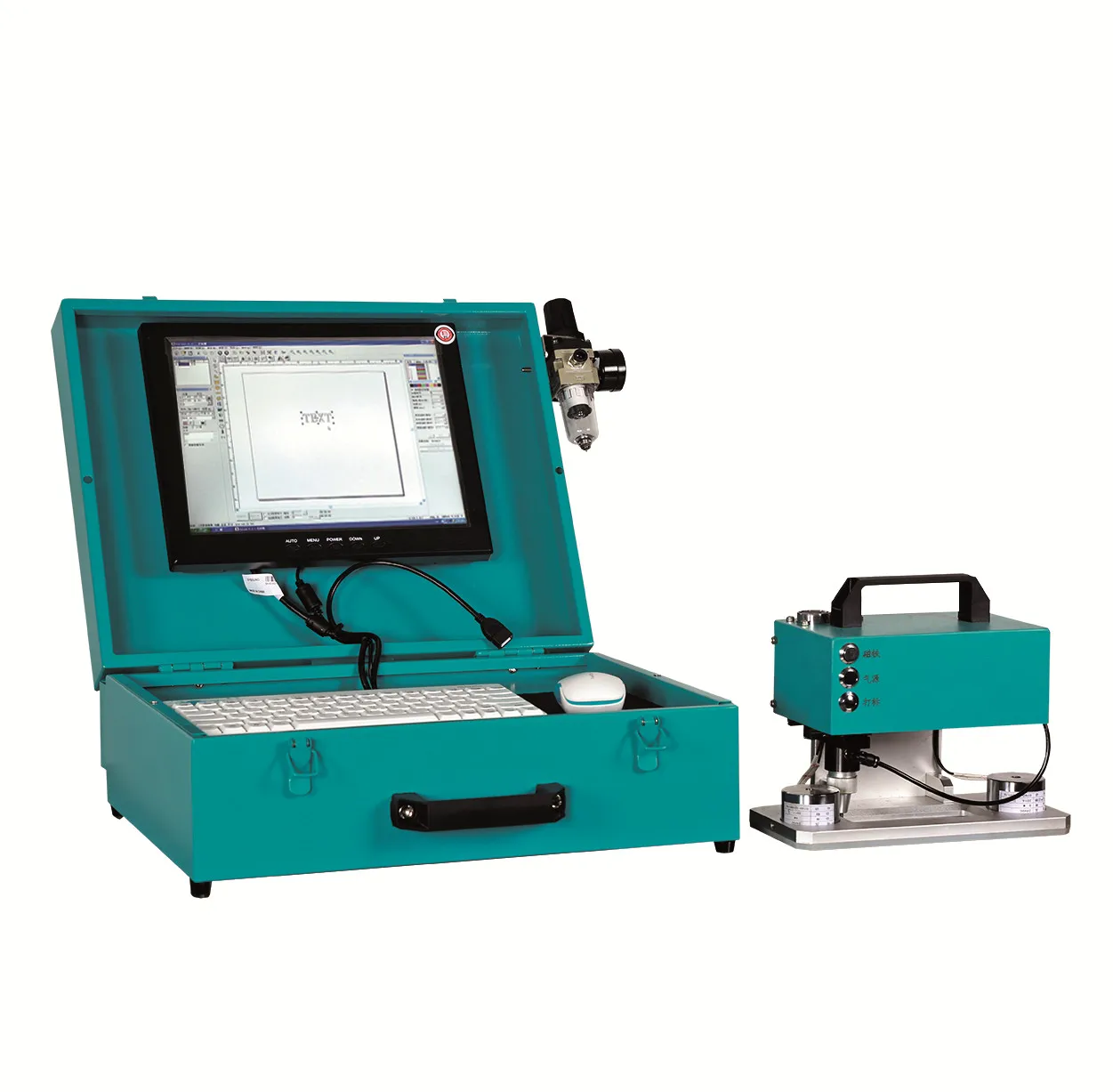
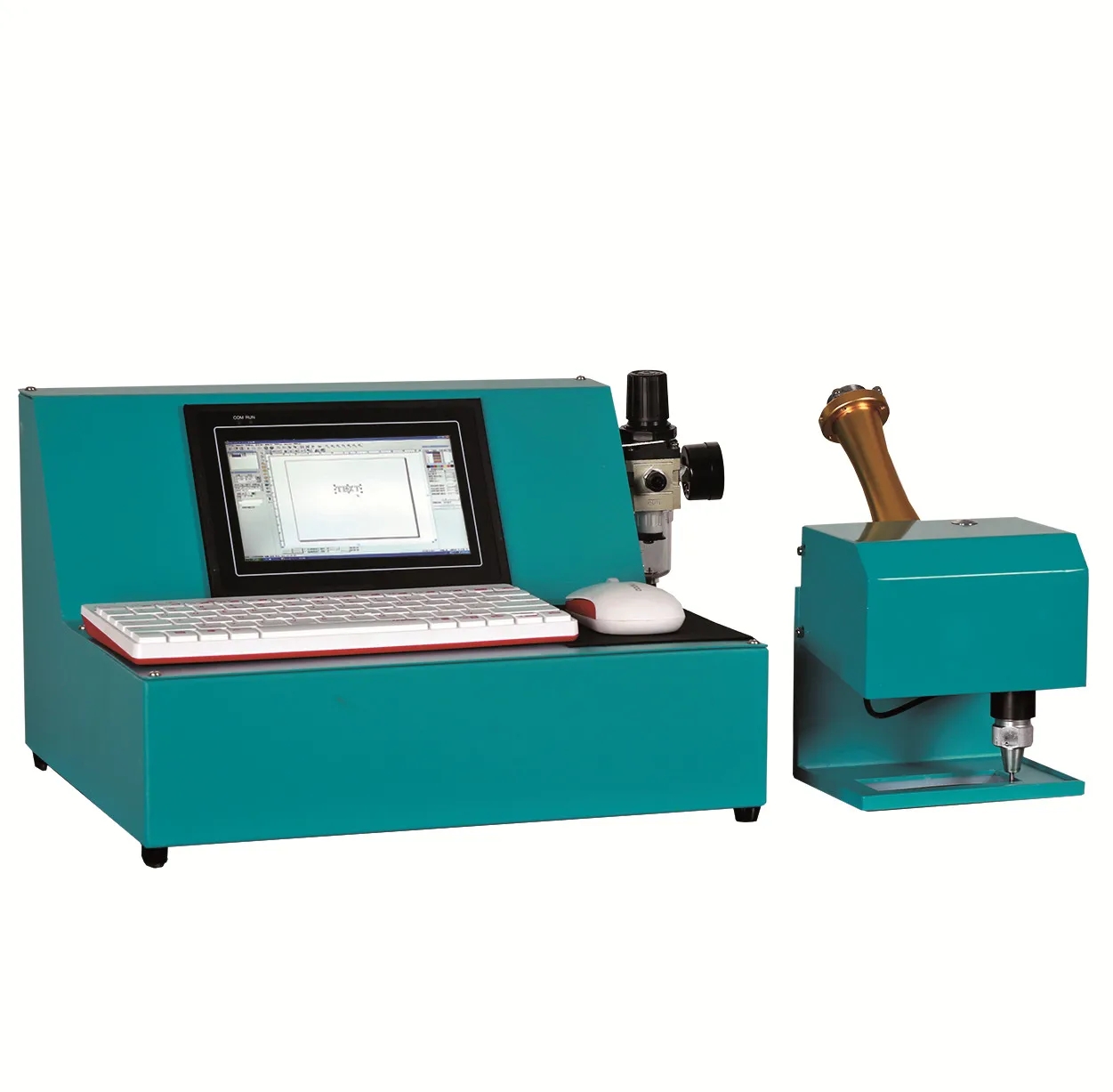
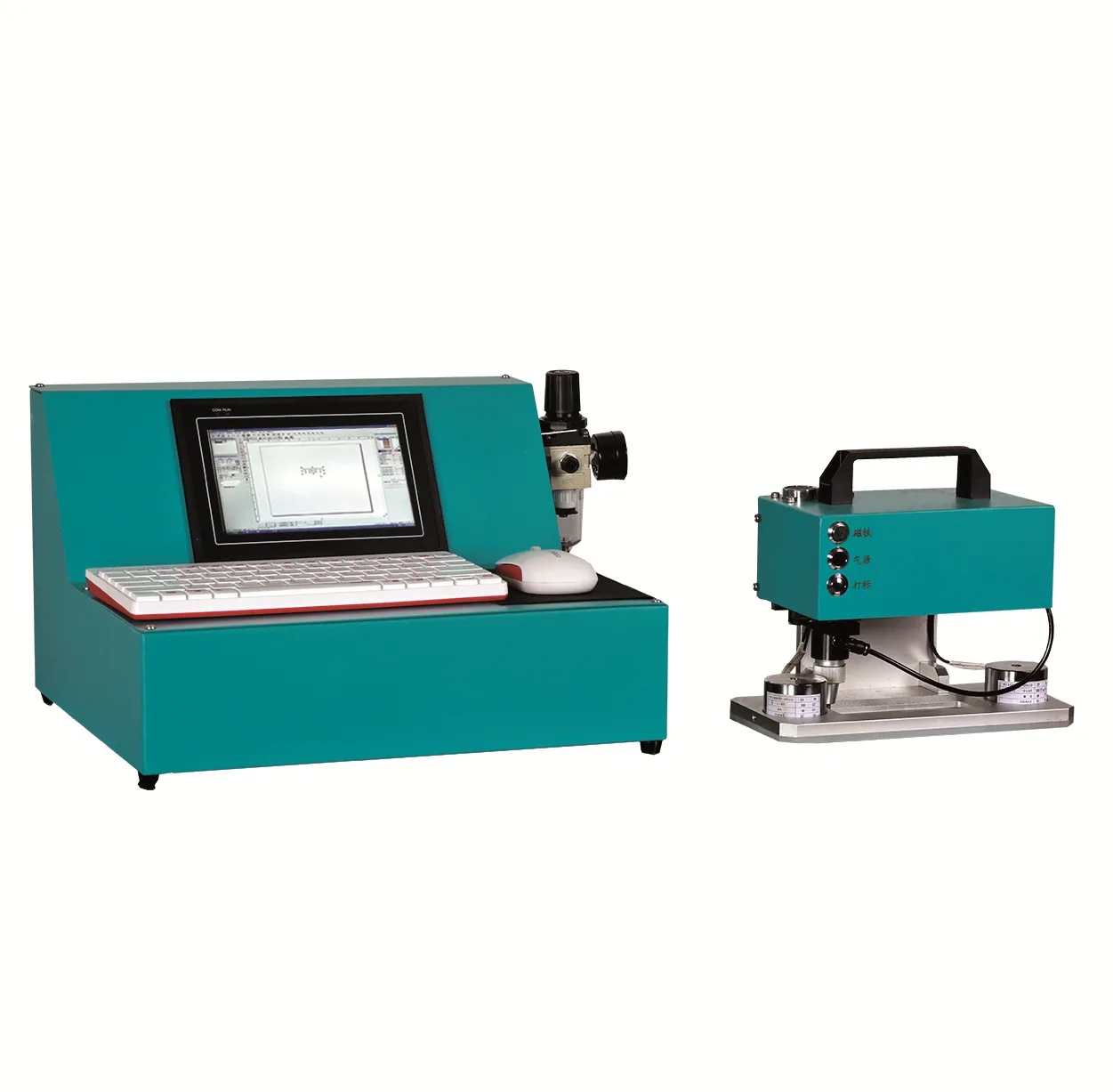
A Digital Marking Machine helps manufacturers apply readable, repeatable identification on parts, plates, and components where hand stamping is too slow or inconsistent. For buyers who need serial numbers, batch codes, part numbers, or logos to stay legible through handling and inspection, this type of equipment supports traceability without relying on manual marking. Based on the visible system layout, the unit appears to be a bench-top industrial marking setup with a separate marking head and an integrated control cabinet for computer-based operation.
What This Type of Marking System Is Used For
Industrial marking equipment is commonly selected when production teams need permanent or semi-permanent identification on metal parts, nameplates, fixtures, tools, or assemblies. A setup like this can fit workshop marking, inspection station use, and small-batch production where operators need direct control over text layout and marking position. It is also practical when the marking point must be placed away from the control console, since the head is separate from the main cabinet.
Typical buyer problems it can solve
Instead of reworking unreadable labels or manually engraving each item, teams can standardize identification in one process. That reduces variation across shifts and makes it easier to link parts to production records, inspection files, or maintenance logs. In many plants, this is the difference between a part that can be traced and one that must be set aside for relabeling.
Visible Product Features
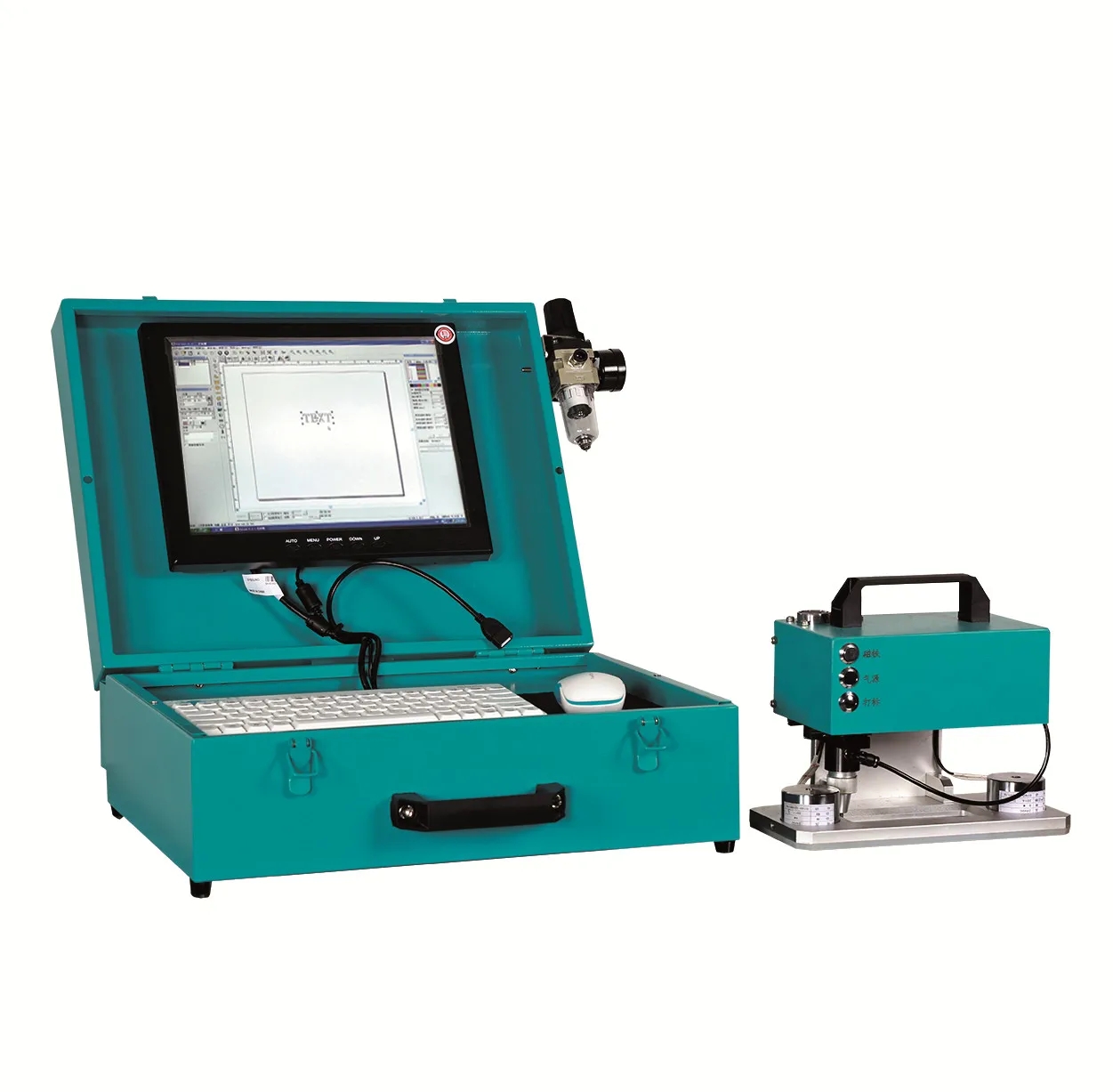
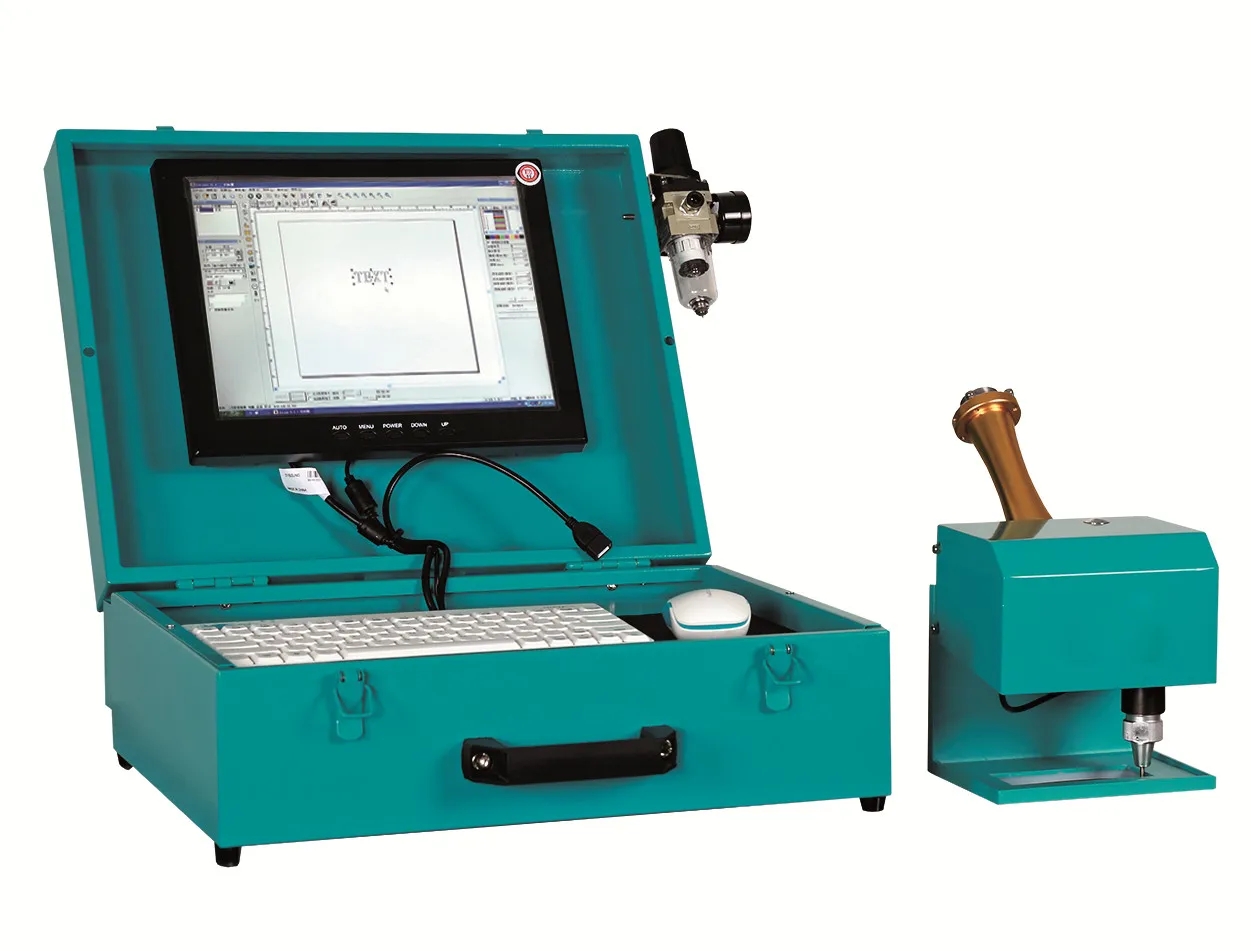
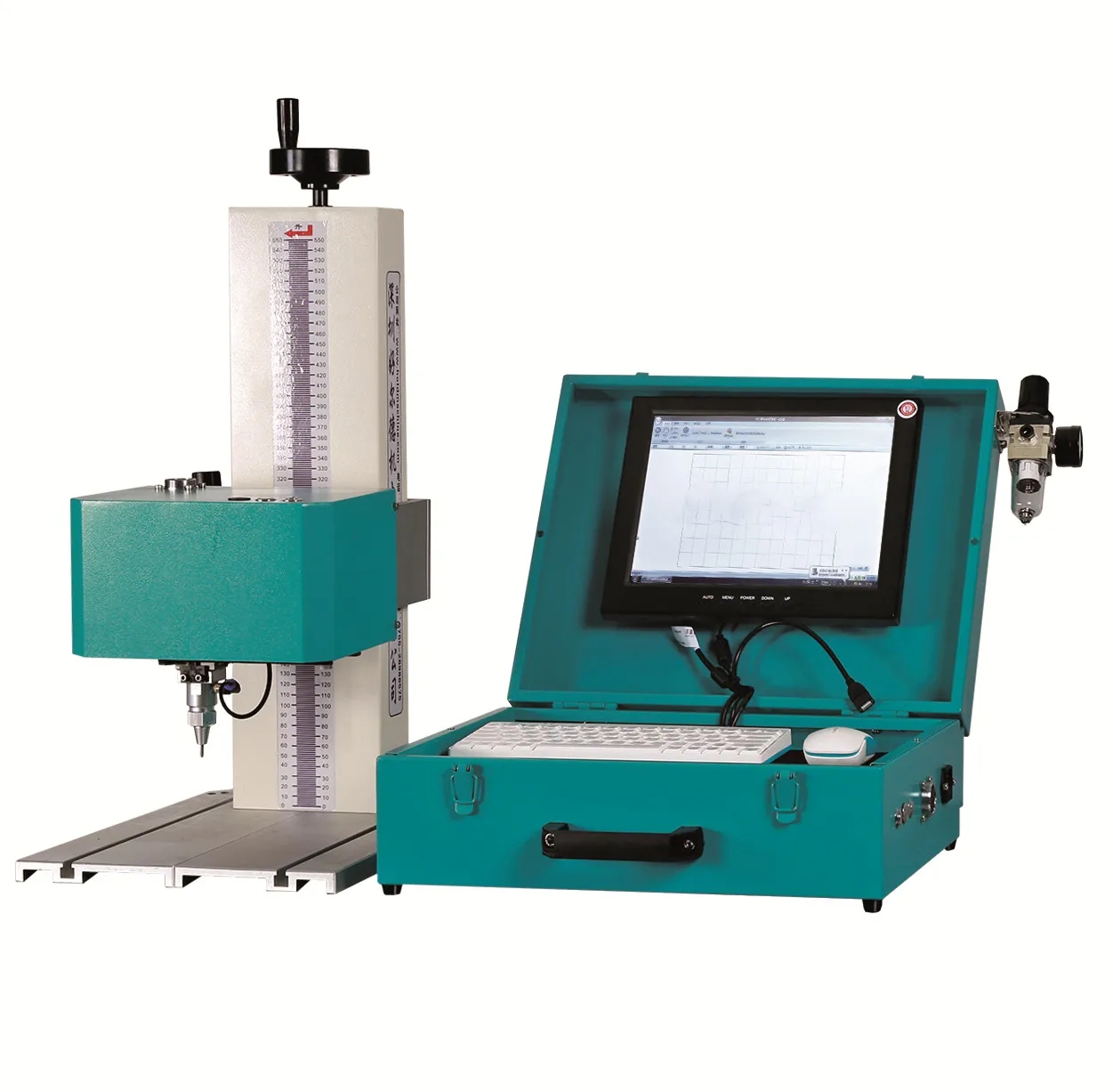
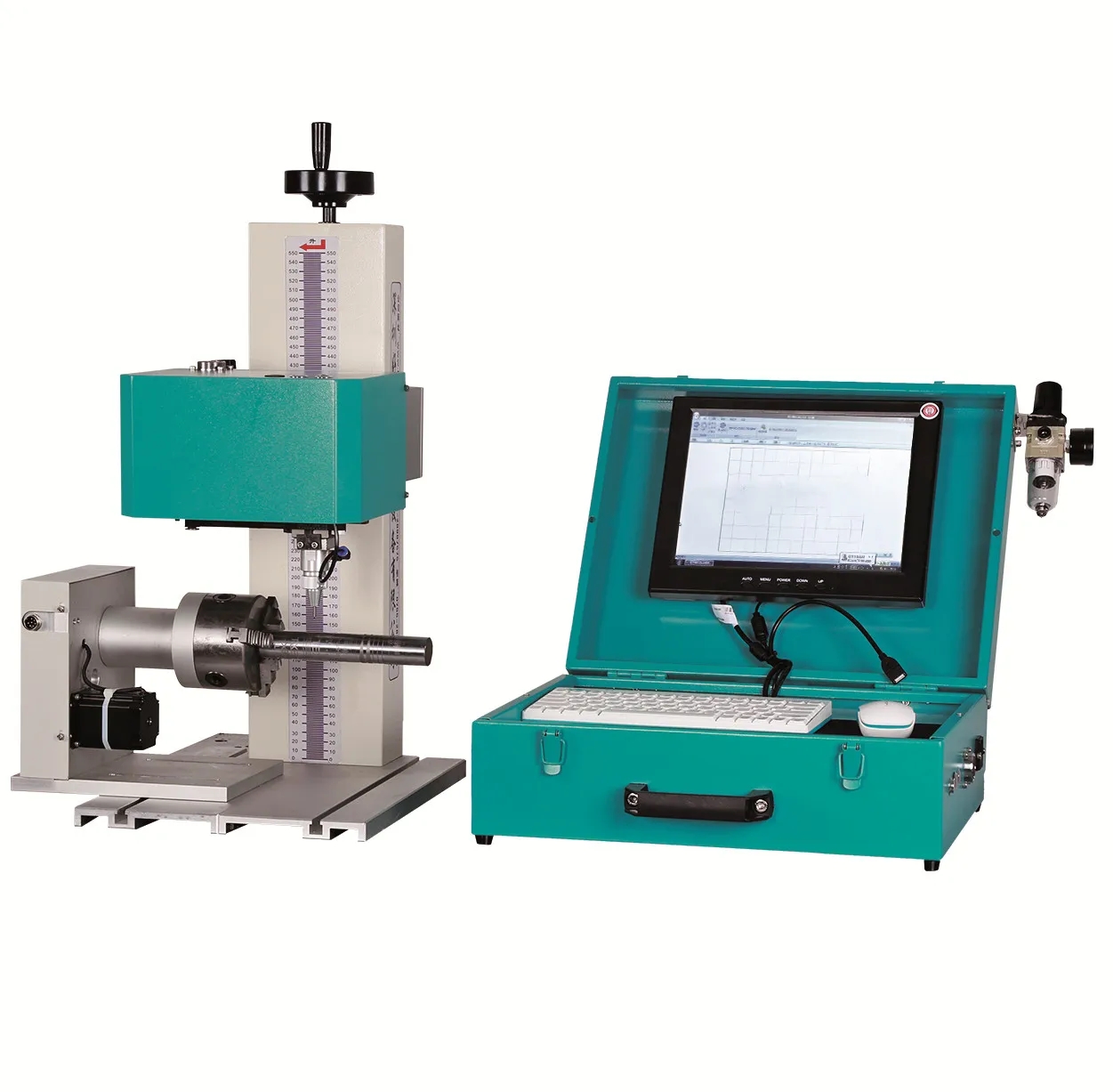
The visible configuration includes a painted metal enclosure, an LCD monitor, keyboard storage, and a mouse, which suggests a self-contained operating station. The marking head is separate from the cabinet and connected by cables or hoses, giving the operator more flexibility in setup. A compact stand or base plate is also visible, which may help position the head over the workpiece.
Practical design points
The hinged lid and carry handle support movement between work areas. The metal housing appears suited to workshop use, where equipment may be moved but still needs a protected storage form. Because the control elements are integrated into the case, the system may be easier to keep organized on a bench than a loose PC-and-controller arrangement.
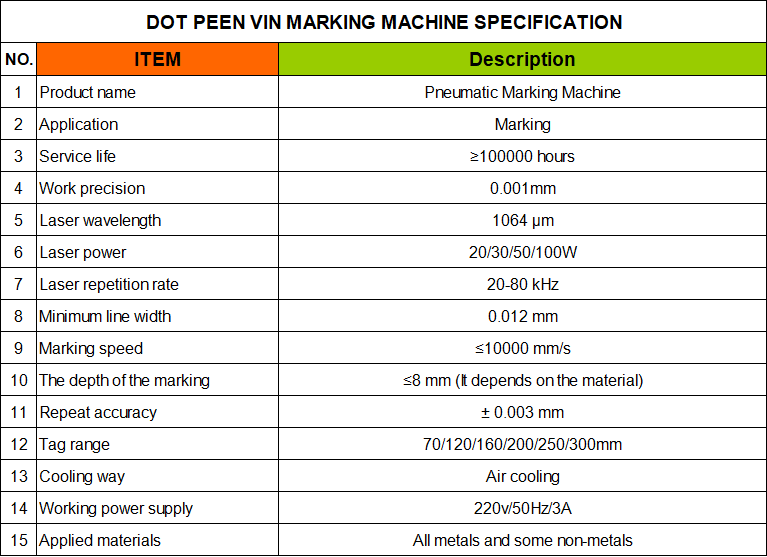
Machine specification
Key Capabilities Buyers Usually Look For
When evaluating a Digital Marking Machine, buyers usually focus on marking consistency, operator workflow, and part accessibility. Depending on the exact marking method used, the system may support text, numbers, codes, symbols, or simple graphics. This kind of setup is often chosen for Serial Number Engraving, part identity marking, and traceability work where the same format must be repeated many times.
If the application involves plates or tags, a Plate Marking Machine or Nameplate Engraving Machine configuration may be appropriate. For components that move through inspection or assembly, quick setup and stable placement are often more important than decorative output. If the shop is comparing technologies, a Laser Marking Machine may be considered as an alternative, but the visible product here does not confirm laser operation.
Materials and Finish
The visible body appears to be mainly painted metal sheet, likely chosen for durability and workshop handling. The monitor, keyboard, and mouse are standard electronic and plastic components. The marking head includes metal fittings and a tool tip or nozzle-like end, which suggests an industrial-grade assembly designed for regular use. The teal painted finish is functional rather than decorative and may help the machine stand out on a production floor.
Manufacturing Process and System Setup
Although the exact marking technology cannot be confirmed from the image alone, systems of this type are typically built around a control cabinet, software interface, and a marking head that is positioned over the part. The operator enters the required content, sets the marking location, and runs the cycle once the part is secured. In a production environment, that workflow is useful because it keeps identification steps organized and reduces operator-to-operator variation.
Application Scenarios
This equipment suits manufacturers that need permanent marking on mechanical parts, fixtures, tooling, plates, or serialized items. It can also fit repair shops, fabrication facilities, and quality-control stations where each item needs a readable identity before shipment or assembly. Small-batch shops often value the compact footprint, while larger plants may use the system in a dedicated traceability cell.
Quality Control and Buyer Decision Factors
Before selecting a marking system, buyers should confirm the marking method, compatibility with their target materials, and the size of the work area. They should also consider how the part will be clamped or referenced, whether the operator needs a portable cabinet, and how often the marking format will change. If the goal is nameplate work, fixture tags, or serial-number plates, a stable and repeatable setup is usually more important than high-speed automation.
For quality control, the most useful checks are mark legibility, content accuracy, and repeatability across multiple parts. In traceability workflows, the system should support consistent placement and clear character formation so records match the physical part.
Customization Guidance
Buyers often ask for adjustments to the marking head mounting, cable length, workstation layout, or interface language. Depending on the project, the cabinet can be arranged for bench-top use, inspection-table use, or semi-portable deployment. If your application involves irregular parts, ask how the head is positioned and whether fixtures or jigs are needed. For repeated serial work, software templates and operator access control may also matter.
Request the Right Configuration
If you are comparing a Digital Marking Machine for part identification, send your part photos, marking area dimensions, and target content list. That makes it easier to evaluate whether the system should be used for serial plates, component marking, or general traceability work. Contact us to discuss the best setup for your production flow and marking requirements.