



Precision CNC milling and wire EDM solutions for complex metal parts
CNC milling is often chosen when a buyer needs accurate, repeatable machining for parts that are difficult to produce by hand or with conventional equipment. In many workshops, the real challenge is not only shaping metal, but controlling dimensional consistency, edge quality, and turnaround on complex profiles. The machine described here is a CNC wire EDM system, which is commonly used alongside milling operations to handle conductive materials and fine-detail cutting where burr-free results and tight geometry matter.
Product overview
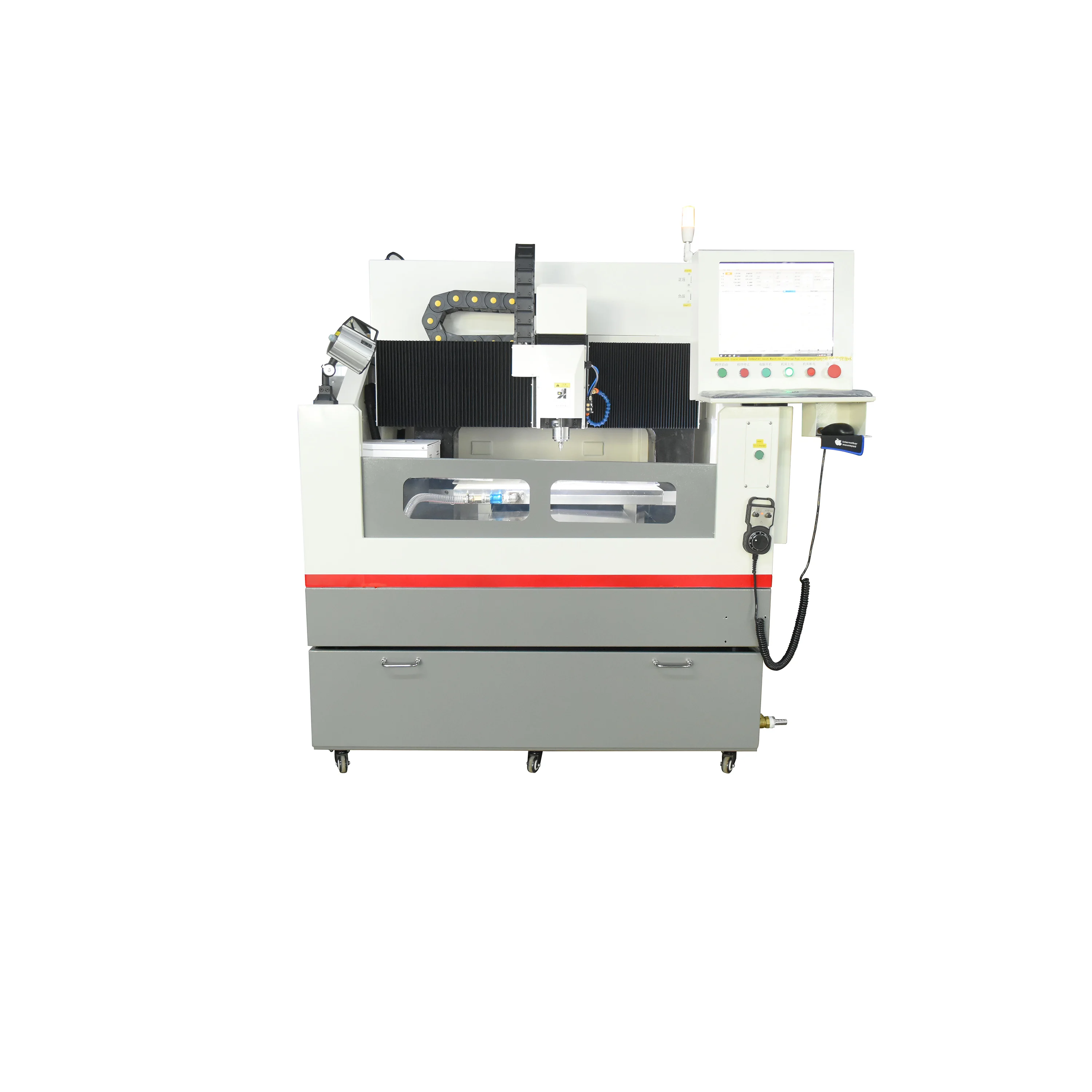
This enclosed industrial machine is built around a wire EDM cutting chamber with a separate operator control console. The cabinet design suggests a floor-standing production unit, with a front access area for workpiece setup and a protected machining zone. Visible components include the wire feed and guide assembly, cable carrier, machining head, work tank, and a dedicated display-and-keyboard control station. For buyers comparing machine types, this kind of equipment serves a different role than a CNC machine for acrylic or an acrylic milling machine: it is intended for conductive metal cutting, not plastics or soft nonconductive materials.
For manufacturers, the main value is precision on difficult shapes. Tool-and-die shops, mold makers, and precision component suppliers often use this type of system for internal corners, narrow slots, and intricate contours that are hard to finish with a standard carved machine or conventional milling path.
Key capabilities and what the machine is suited for
Precision cutting of conductive metals
Wire EDM uses a thin wire electrode and dielectric fluid to remove material by electrical discharge rather than direct tool contact. That makes it suitable for hard metals and complex profiles where cutting forces need to be minimized.
Complex profiles and fine detail
Compared with typical CNC engraving or general routing work, this process is better suited to internal geometry, sharp corners, and repeatable contour cutting. It is especially useful when a part design has tight internal features that are difficult to machine conventionally.
Clean, enclosed operation
The fully enclosed cabinet helps contain the machining area and supports a cleaner production environment. The separate console also gives the operator a practical control point for setup and process monitoring.
Materials and finish considerations
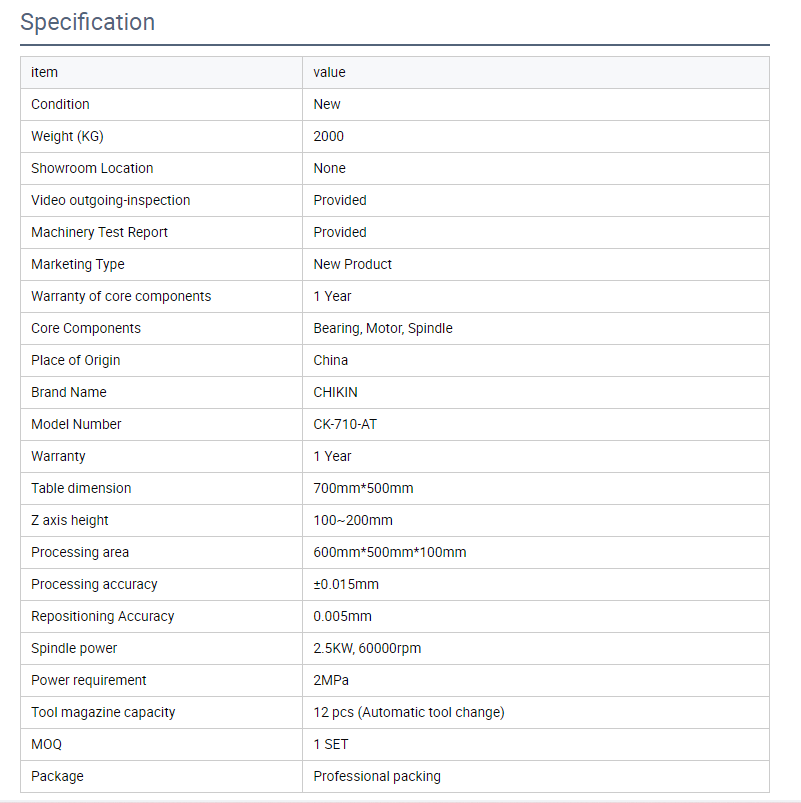
Because this is a wire EDM machine, the focus is conductive metal rather than plastics, wood, or composites. Surface finish, edge condition, and accuracy depend on the setup, wire type, machining parameters, workpiece material, and operator programming. Since exact performance data is not visible, buyers should request process samples for their own material and geometry before finalizing a purchase.
Manufacturing process and machine layout
The machine appears to be built with a sheet metal cabinet and painted industrial finish. Inside the enclosure, the wire routing and drag chain indicate controlled wire movement during cutting. The boxy, centralized chamber layout is typical of a production EDM platform designed to protect the process area and keep access organized for setup and maintenance.
Typical application scenarios
Common use cases include tool and die making, mold inserts, precision punches, dies, aerospace or automotive components, and other parts that require burr-free cutting. In shops where CNC milling handles roughing or general profiling, wire EDM may be used for the final geometry where accuracy and surface quality are critical. It can also support repair work on hard parts that are not easy to machine with a conventional acrylic CNC cutting machine or similar routing equipment.
Quality control and buyer decision factors
When evaluating this type of machine, buyers usually look at work envelope, travel range, control usability, wire handling stability, maintenance access, and support for production workflow. It is also wise to ask about filtration, coolant management, automation options, and spare parts availability. Since the visible information does not confirm exact specifications, the safest buying approach is to match the machine to the part family, material type, and production volume you actually run.
Customization and sourcing guidance
If your project needs a different cutting envelope, upgraded controls, or production-specific accessories, confirm whether the machine can be configured for your process requirements. Share drawing files, material grades, and target tolerances with the supplier so they can recommend the right setup. For shops that combine CNC milling with EDM work, it helps to define which operations will be done on each machine before purchasing.
Request detailed machine information
If you are comparing wire EDM equipment for precision metalwork, send your part drawings and production goals to discuss suitability, process limits, and configuration options. A clear technical review up front can save time during installation and avoid mismatch between the machine and your actual manufacturing needs.