



Flying Probe Tester for Electronics Production
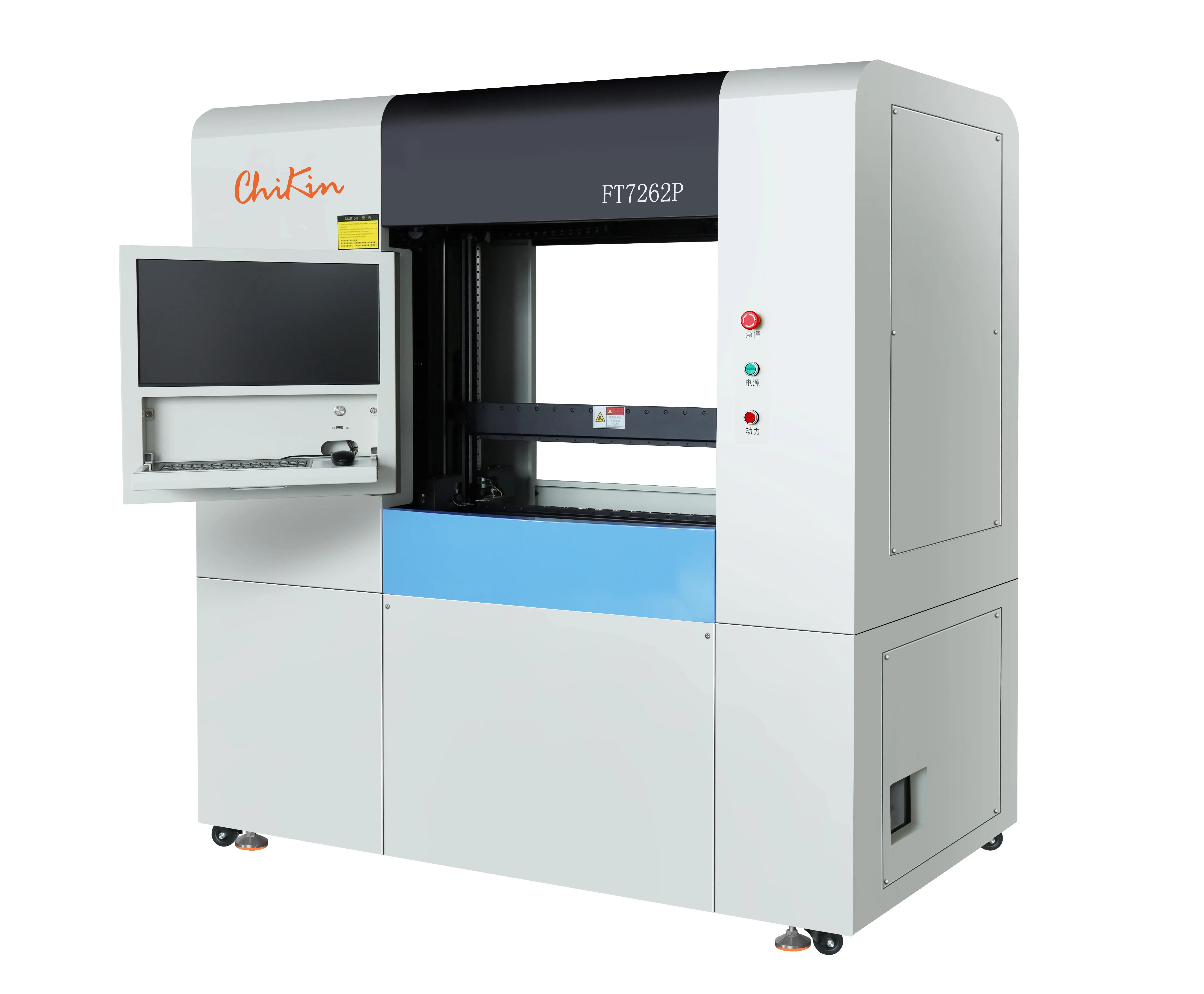
A Flying Probe Tester is used to verify PCB electrical integrity without the cost and delay of a dedicated fixture. For buyers building prototypes, handling frequent revisions, or running medium-volume boards with changing layouts, this kind of test equipment helps reduce setup time while still supporting precise circuit validation. The machine in this case appears to be an enclosed automated industrial system with a controlled work chamber, operator HMI, and safety controls, which fits the needs of electronics and precision manufacturing environments where repeatable motion and protected operation matter.
Product Overview
Flying probe systems are typically chosen when conventional bed-of-nails fixtures are impractical. Instead of requiring a custom mechanical fixture for each board, the tester uses movable probes to contact test points directly. That makes the Prototype PCB Tester especially useful for new product introduction, engineering verification, and small-to-mid batch production. Based on the visible machine structure, this unit is built as a floor-standing cabinet with an enclosed chamber, suggesting stable positioning, operator protection, and integration into a factory workflow.
What the machine is designed to solve
The main buyer problem is simple: how to test PCB connectivity accurately when board designs change often. A fixture-based setup can become expensive and slow if every revision needs new tooling. A High Precision Flying Probe Tester addresses that issue by supporting programmable probe movement and controlled access to the test area, which helps streamline validation of open circuits, short circuits, and assembly issues in a production setting.
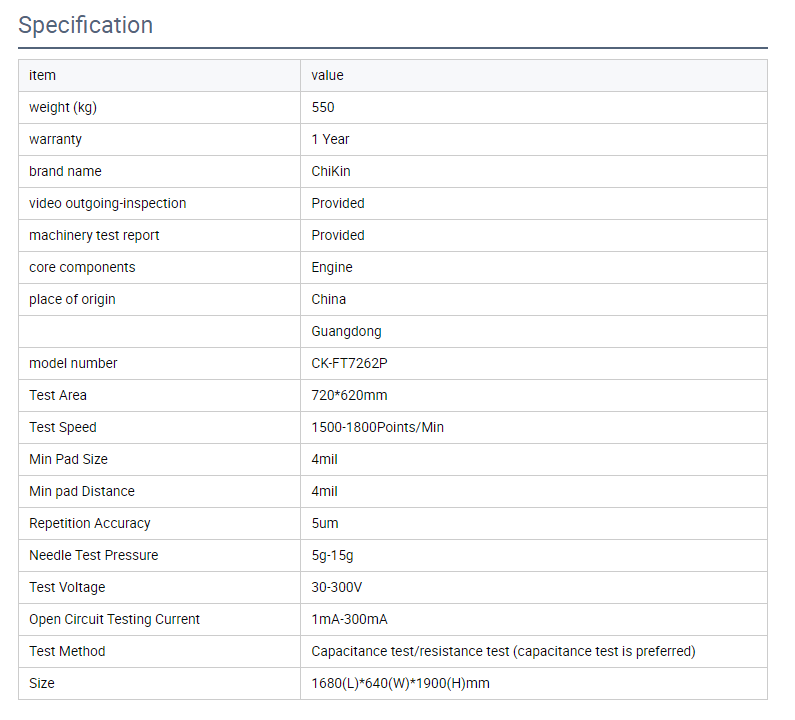
Key Specifications and Visible Capabilities
The following points are based on visible features only, so they should be treated as practical observations rather than confirmed technical specifications:
- Enclosed cabinet-style frame for controlled operation
- Large central access chamber for automated process motion
- Linear rail and gantry-like internal structure visible through the opening
- Front operator interface with display screen and drawer/compartment
- Emergency-stop style button and stacked status indicators on the right side
- Floor-standing base with leveling feet/casters for installation and relocation
These design elements are consistent with precision automated equipment used in electronics manufacturing, where access control, motion repeatability, and operator safety are all important.
Materials and Finish Options
The visible construction uses painted metal panels with a light gray exterior, a black upper hood, and a blue front section. In industrial equipment, this type of finish is commonly selected for durability, cleaning, and resistance to everyday shop-floor wear. For customized versions, buyers often ask about panel color, door style, access window configuration, cable routing, and internal layout. Since no exact build specification is supplied here, finish options should be confirmed during quotation and engineering review.
Manufacturing and Process Characteristics
Although the exact process cannot be confirmed from the image alone, the machine clearly belongs to the class of automated precision systems used in electronics or semiconductor production. In a flying probe context, the process generally involves programmed movement of probes to designated test points, with the system checking electrical continuity and insulation behavior according to the board’s test plan. The enclosed design helps protect the motion area from interference and supports repeatable operation over multiple shifts.
Application Scenarios
This type of machine is commonly considered for:
- Prototype PCB validation
- Engineering change verification
- Low- to medium-volume circuit board testing
- Contract electronics manufacturing
- Production lines that need flexible test changeover
It may also suit precision component factories that need controlled automated inspection or test processes, provided the internal tooling matches the application.
Quality Control and Operating Safety
For manufacturing buyers, quality control is not only about test results; it also includes machine stability, repeatable positioning, and safe operator interaction. The visible emergency stop button, indicator lights, and enclosed chamber all point to a machine designed with production safety in mind. In actual use, a Flying Probe Tester should be supported by routine calibration, probe wear checks, motion verification, and software-controlled test sequence management.
Customization and Buyer Decision Factors
When comparing models, buyers usually evaluate board size compatibility, probe count, speed, test coverage, software integration, and ease of maintenance. For a Prototype PCB Tester, flexibility is often more important than fixture speed. For a High Precision Flying Probe Tester, probe alignment and motion control become even more critical. Before purchase, confirm the working envelope, supported board thickness, interface options, and whether the system fits your line layout and operator workflow.
Request the Right Configuration
If you are sourcing a Flying Probe Tester for PCB inspection or precision electronic testing, share your board drawings, production volume, and test objectives so the machine can be matched to your process. Contact us to discuss configuration needs, integration questions, and the best setup for your production line.