




Industrial CNC Machine for Enclosed Precision Processing
An CNC Machine is often chosen when a production team needs repeatable part processing, safer operator access, and tighter control over small-batch or customized work. The enclosed machine shown here addresses a common buyer problem: how to keep precision operations stable and contained while reducing exposure to dust, chips, light, noise, or moving components. Based on the visible structure, this unit is a cabinet-style industrial machine tool with a protected working chamber, a side-mounted control interface, and internal process heads arranged for automated or semi-automated manufacturing. The exact process is not identifiable from the image alone, so it should be evaluated as a CNC-style industrial processing platform rather than assumed to be a specific cutter, grinder, or laser system.
Product Overview
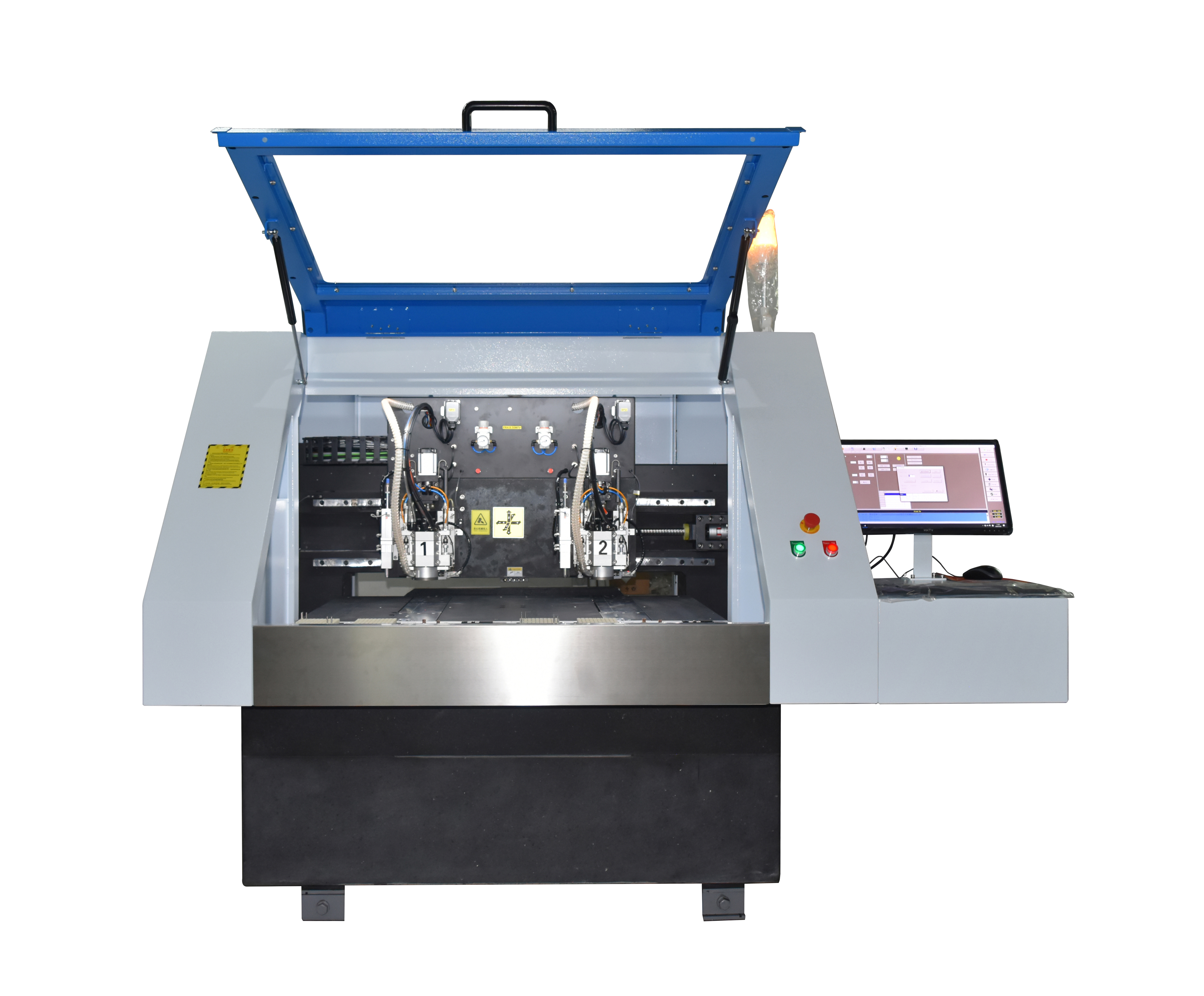
This machine uses a rigid enclosed frame, a lift-up transparent hood, and an operator console on the right side. The interior appears organized for fixture-based processing, with dual numbered stations or heads visible inside. That kind of layout is useful when a buyer needs stable positioning and controlled repetition across multiple parts. The enclosure also helps keep the work zone separate from the operator area, which is a practical advantage in factories, prototype labs, and in-house production rooms.
From a buyer’s perspective, the main value is not only automation, but consistency. In Precision Machining workflows, even a modest amount of variation can create rework, scrap, or downstream assembly issues. An enclosed CNC-style platform can help standardize operations when the same motion path or processing step must be repeated many times.
Machine Specification
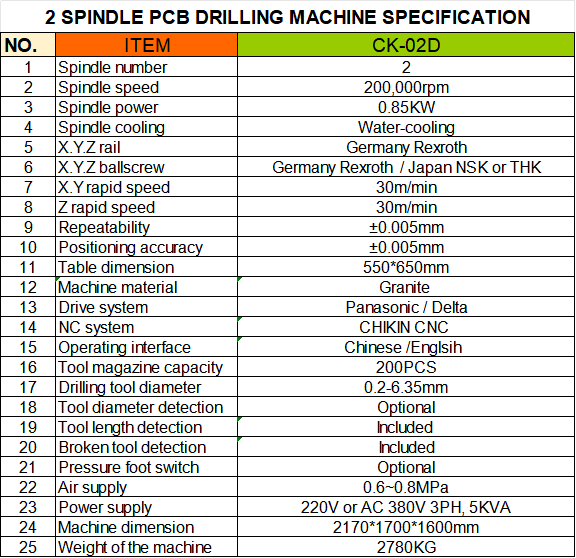
Visible Specifications and Capabilities
Structural features
The visible machine structure includes a painted sheet-metal cabinet, a black base, a blue-tinted top hood, and a front-facing viewing area. Gas struts support the opening cover, which makes manual access easier during setup, loading, or maintenance. The internal work chamber appears compact and organized, with rails, wiring, hoses, and fasteners visible around the process area.
Control and operation
The operator station includes a monitor, input area, and physical buttons, including emergency-style stop and status controls. This kind of interface is common in Automated Machining equipment because it gives operators direct access to job control, machine status, and basic safety actions without entering the processing chamber.
Internal arrangement
Two labeled internal heads or stations are visible, marked “1” and “2.” Their exact function is not clear from the image, but the twin arrangement may support dual-step processing, alternating stations, or parallel tooling. That kind of setup can be useful in production environments where throughput or workflow separation matters.
Materials and Finish Options
The machine housing appears to use painted metal panels, with a white and gray body, black base, and blue upper cover. For industrial buyers, this type of construction is typically selected for durability, easy cleaning, and a neat enclosure around moving components. While the exact frame material is not specified, sheet-metal exterior panels and internal metal assemblies are clearly visible.
For Industrial CNC Solutions, buyers often look for finish details that suit their environment: corrosion-resistant coatings, easy-wipe surfaces, or color-coded access panels for maintenance. Those options depend on the final build specification and should be confirmed with the supplier.
Manufacturing and Process Considerations
Because the exact process is not confirmed, this platform should be discussed in terms of machine capability rather than a single fixed application. The visible enclosure, control panel, and guided internal head suggest a system designed for accurate, repeatable processing such as machining, drilling, polishing, engraving, marking, or similar automated work.
If your operation requires Photovoltaic Processing, new component finishing, or other New Energy Equipment workflows, the first decision is whether the machine’s enclosed format and internal layout match your part size, dust control needs, and process path. If the machine is being considered as a CNC Milling Machine or a CNC Router alternative, confirm the motion system, tooling interface, and workholding before purchase.
Application Scenarios
This type of enclosed machine is typically relevant in small-to-medium batch production, prototyping, fixture-based part processing, and in-house manufacturing. It may suit work such as precision component fabrication, part finishing, custom processing, and repetitive industrial operations where an operator-controlled enclosure is preferred.
In factories serving electronics, signage, general fabrication, or specialized component supply, the enclosed design can support cleaner workflow separation and easier supervision of the process. Buyers in those areas often compare the machine against other High Precision CNC or automated cell options based on footprint, access, and process stability.
Quality Control and Buyer Decision Factors
When evaluating a machine like this, the most important points are the same ones that affect production consistency:
- Confirm the exact process type and whether the internal heads match your application
- Verify working envelope, axis movement, and fixture compatibility
- Check electrical, exhaust, and utility requirements before installation
- Review safety features, door interlocks, and emergency stop placement
- Ask how the machine supports setup repeatability and maintenance access
If you are comparing it with other Automated Machining equipment or an Industrial CNC Solutions package, the control software, part handling method, and service support will matter as much as the enclosure itself. For some buyers, a CNC Router is the better fit; for others, the priority is a sealed chamber and better process containment.
Customization Guidance
Customization should be based on the real production task. Common discussion points include tool or head configuration, internal layout, fixture design, inspection access, dust or fume extraction, and operator interface preferences. Because the exact machine type is not confirmed, any modification plan should begin with sample parts, process goals, and utility specifications from the supplier.
Request Technical Details
If you need an enclosed CNC Machine for precision processing, ask for the process definition, chamber dimensions, control configuration, and supported workflow in writing. Share your part drawings, batch size, and site conditions so the supplier can advise on the most suitable setup. A clear technical review before purchase will reduce installation issues and help you choose the right industrial machine for long-term use.