



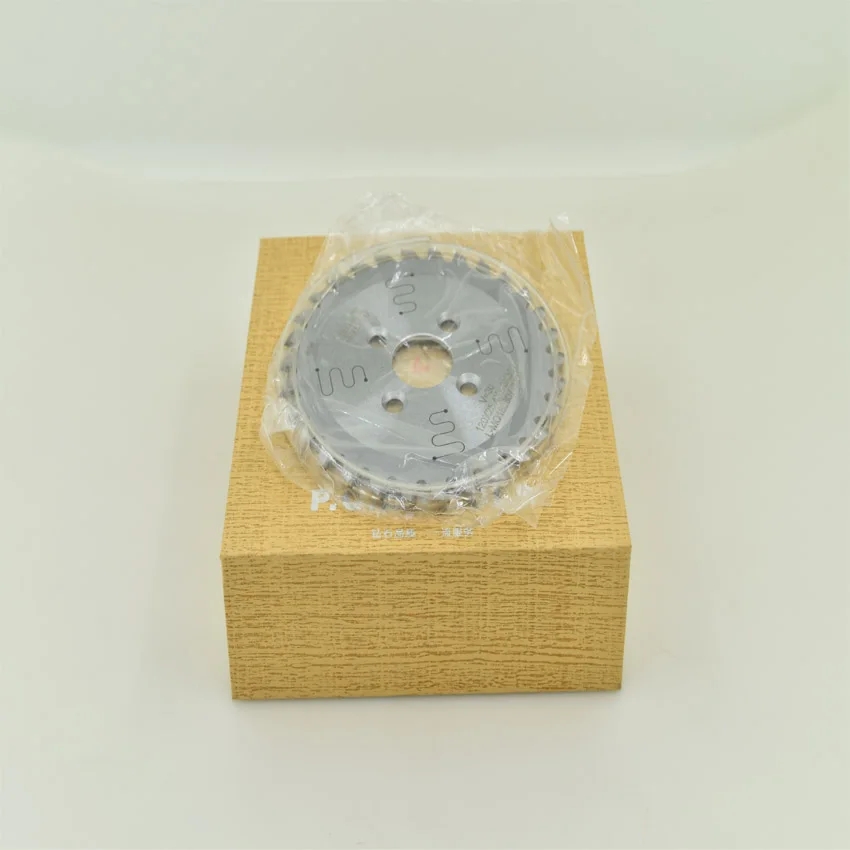
Diamond V cutter Overview
A Diamond V cutter is used when a process needs a clean, consistent V-shaped groove instead of a rough break or oversized cut. In production lines, that matters for part fit, fold lines, scoring, trimming, and edge shaping. Based on the visible product form, this rotary cutting tool style is designed for machine-mounted use, with a circular body, center arbor hole, and additional mounting or relief holes for stable installation and rotation.
While the exact blade size, tooth geometry, and material grade are not specified, the construction suggests a precision metal disc made for repeatable cutting tasks. For buyers comparing a V groove cutter, the main value is control: more accurate groove placement, cleaner edges, and less rework during downstream assembly.
Product Structure and Visible Features
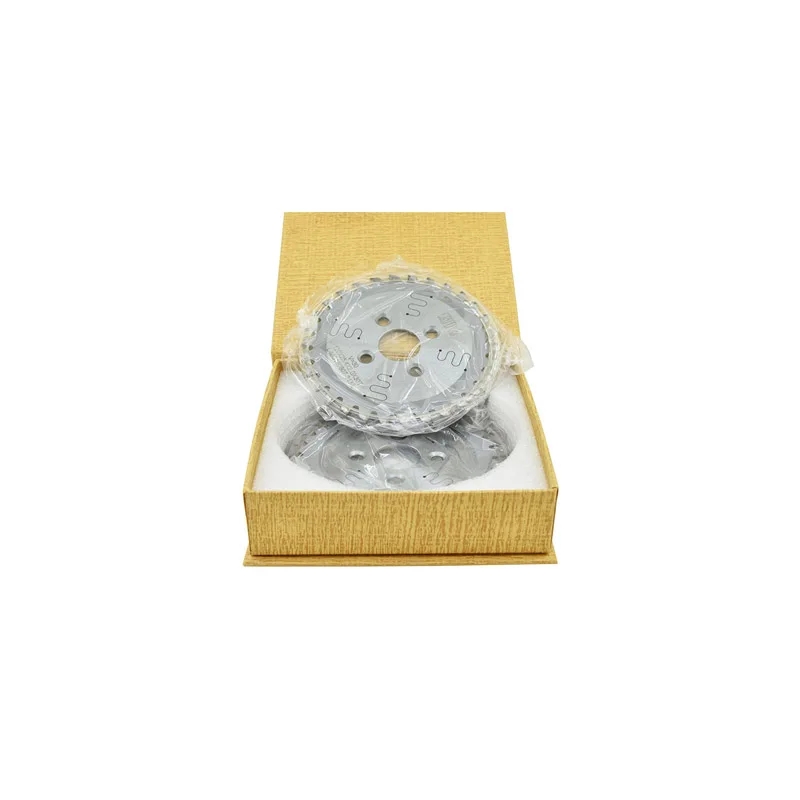
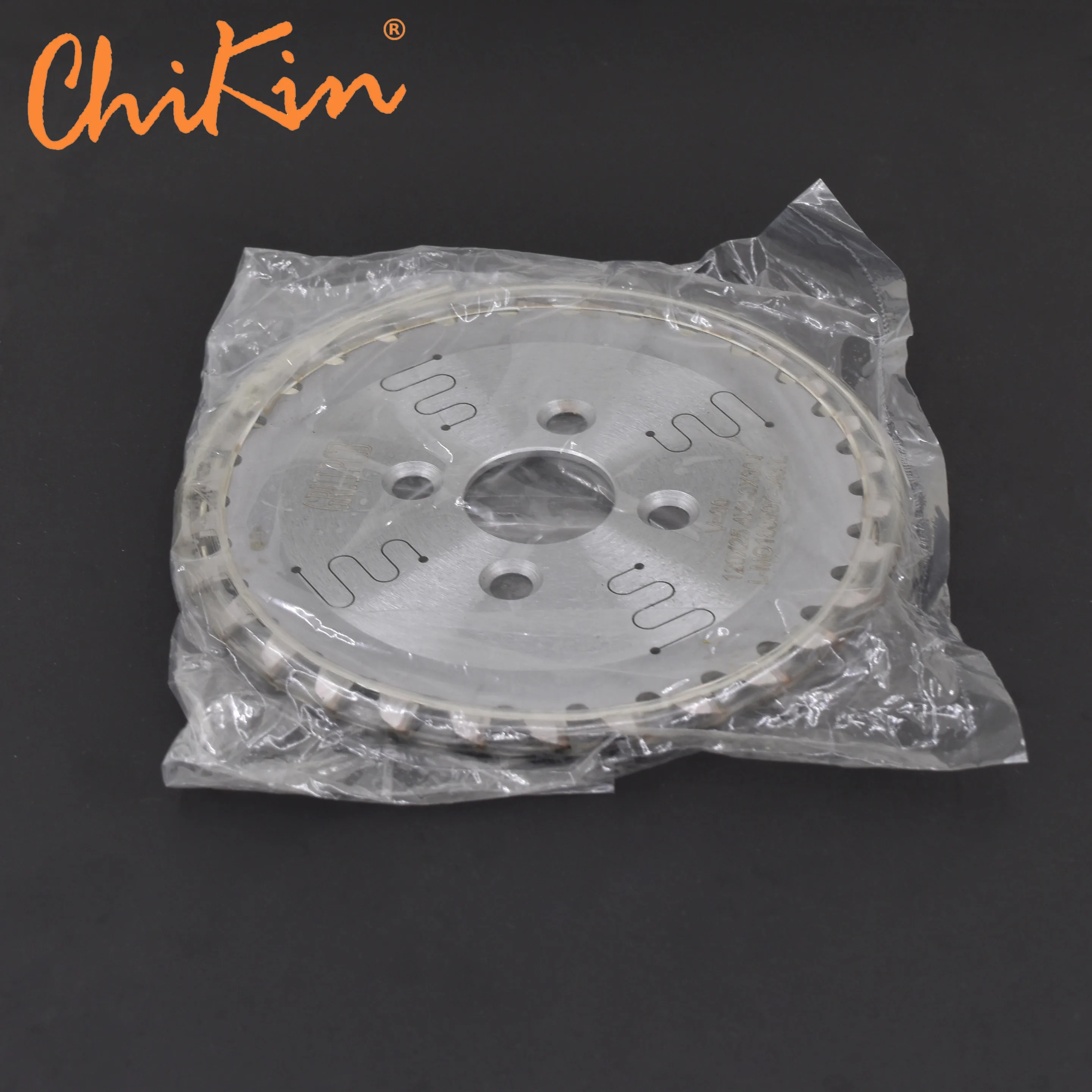
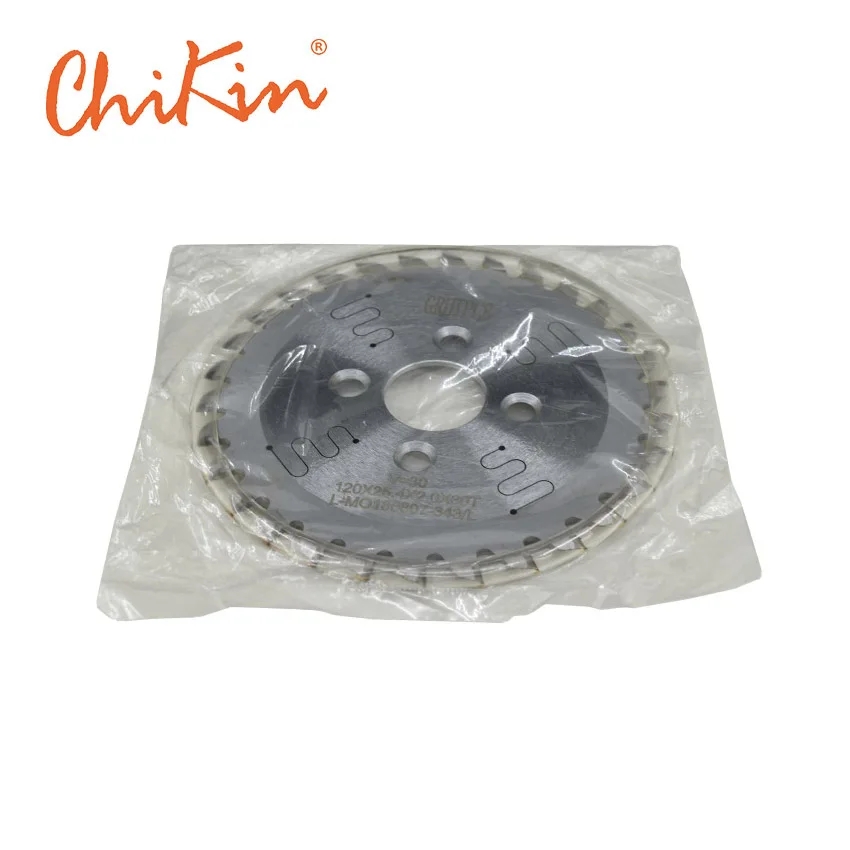
These discs show a uniform circular profile with a machined silver-gray finish. The outer edge has repeated tooth-like segments or notches, which indicates a cutting or scoring function rather than a simple spacer or backing plate. The face also includes wavy slot patterns that may help with expansion, vibration reduction, or balancing. Because these details are visible but not fully documented, they should be treated as observable features rather than performance claims.
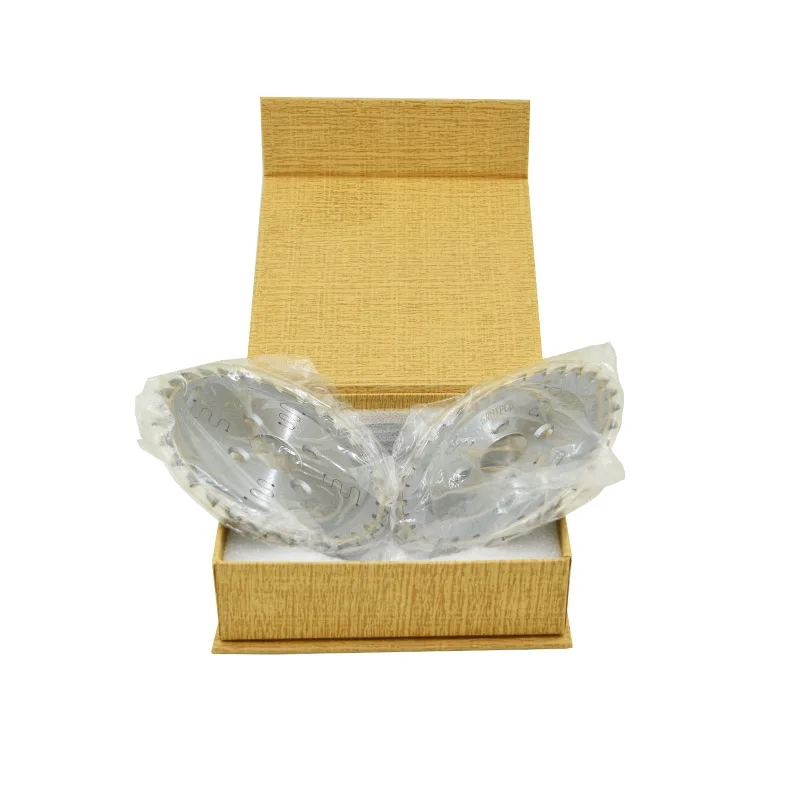
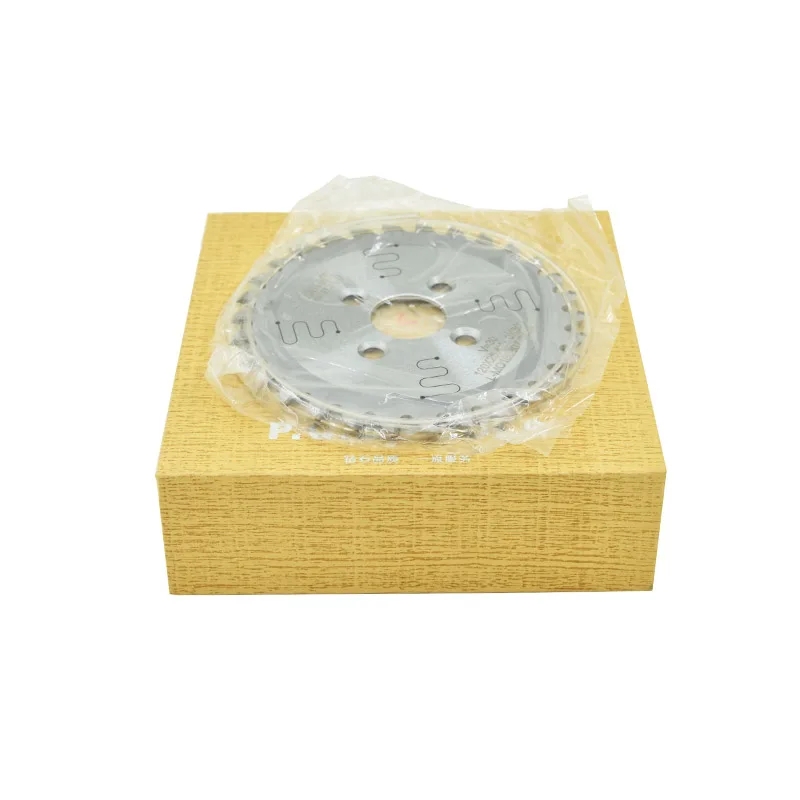
Each blade includes a central hole for arbor mounting and smaller holes around the body. In a production setting, that layout helps secure alignment and support stable rotation. The blades are packed in a protective box with foam and wrapping, which is a practical sign that the parts are intended as precision components requiring safe storage and shipment.
Key Capabilities
Rotary cutting for machine use
This type of Diamond cutting tool is suited to controlled rotary motion in compatible equipment. The form factor points to use in saws, cutters, slitting machines, or other industrial platforms where a fixed mount and consistent rotation are needed.
Repeatable groove formation
As a Precision V cutter, the tool is meant to help create a defined V-shaped profile rather than a broad or irregular cut path. That can be useful when a job requires predictable edge geometry from part to part.
Multi-piece packing
Several blades are shown in one storage box. For procurement teams, that can simplify setup, spare inventory, and batch replacement.
Materials and Finish Options
The visible finish appears to be plain machined metal, possibly steel or a carbide-tipped construction, but the exact material is not stated. Buyers should confirm the working material, heat treatment, coating, and edge composition before ordering. For a CNC V cutter used in demanding production, those details directly affect wear resistance, edge retention, and final cut quality.
Surface finish options are not listed, yet the product appearance suggests a fine ground or machined finish. If your process is sensitive to runout or edge burrs, request documentation on balancing, grind quality, and inspection method.
Manufacturing and Process Considerations
From the visible geometry, the blades are likely produced through a combination of stamping, laser cutting, machining, and finishing steps, though the exact process is not confirmed. In industrial purchasing, the important question is not only how the tool is made, but how consistently it is made. Uniform hole placement, concentricity, and tooth pattern all influence installation and cut stability.
If your application involves high cycle counts, ask for information on sharpening, resharpening limits, and batch consistency. Those points help determine whether the cutter is suitable for short runs, continuous production, or maintenance stock.
Application Scenarios
A Diamond V cutter can be considered for woodworking, metalworking, scoring, grooving, and other rotary cutting tasks where a V profile is needed. The exact material being cut is not identifiable from the image, so compatibility should be verified against your substrate, feed speed, and spindle conditions.
Common buyer questions include whether the blade fits the arbor, whether the groove angle matches the drawing, and whether the cutter can maintain edge quality over repeated cycles. Those are the right checks before moving to mass use.
Quality Control and Buyer Decision Factors
For a precision blade, quality control usually centers on diameter consistency, center hole accuracy, tooth symmetry, flatness, and packaging protection. Since exact tolerances are not provided, buyers should request inspection criteria before purchase. If you are sourcing a V groove cutter for production, the most useful decision factors are compatibility, groove geometry, material specification, and replacement availability.
Also consider how the blade will be handled in your line. A stable mount, proper speed range, and correct feed setup often matter more than any single visual feature.
Customization Guidance
If you need a Diamond V cutter for a specific machine, share the arbor dimensions, outer diameter target, groove angle, blade thickness, and work material. For a custom job, those details help define the tool profile and mounting pattern. If your process requires a CNC V cutter, provide the machine type and cutting path requirements so the supplier can match the blade geometry to the application.
Request the Right Specification Before Ordering
Because some visible details are not fully identified in the image, it is best to confirm the exact model, dimensions, and material before purchase. If you are comparing options or need a match for an existing setup, send your machine drawing or sample requirements and ask for a specification review. A precise quote starts with the right measurements.