



CNC Machine Spindle Bearing Overview
A CNC machine spindle bearing is the part that helps a spindle run smoothly, stay aligned, and hold accuracy while cutting, drilling, engraving, or grinding. When this bearing wears, the machine can start to show vibration, heat buildup, poor surface finish, and inconsistent tool movement. For buyers comparing replacement parts or custom spindle assemblies, the main goal is simple: keep the rotating system stable under load without sacrificing precision.
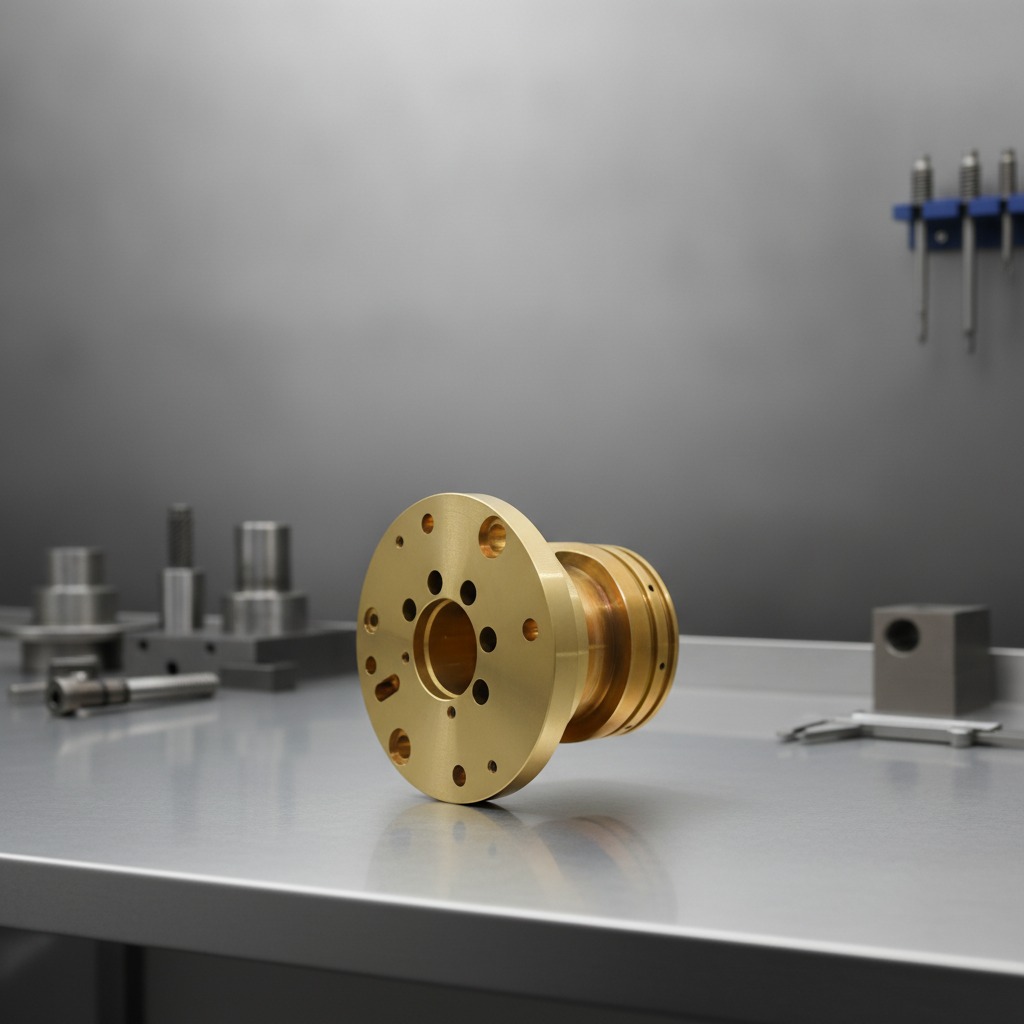
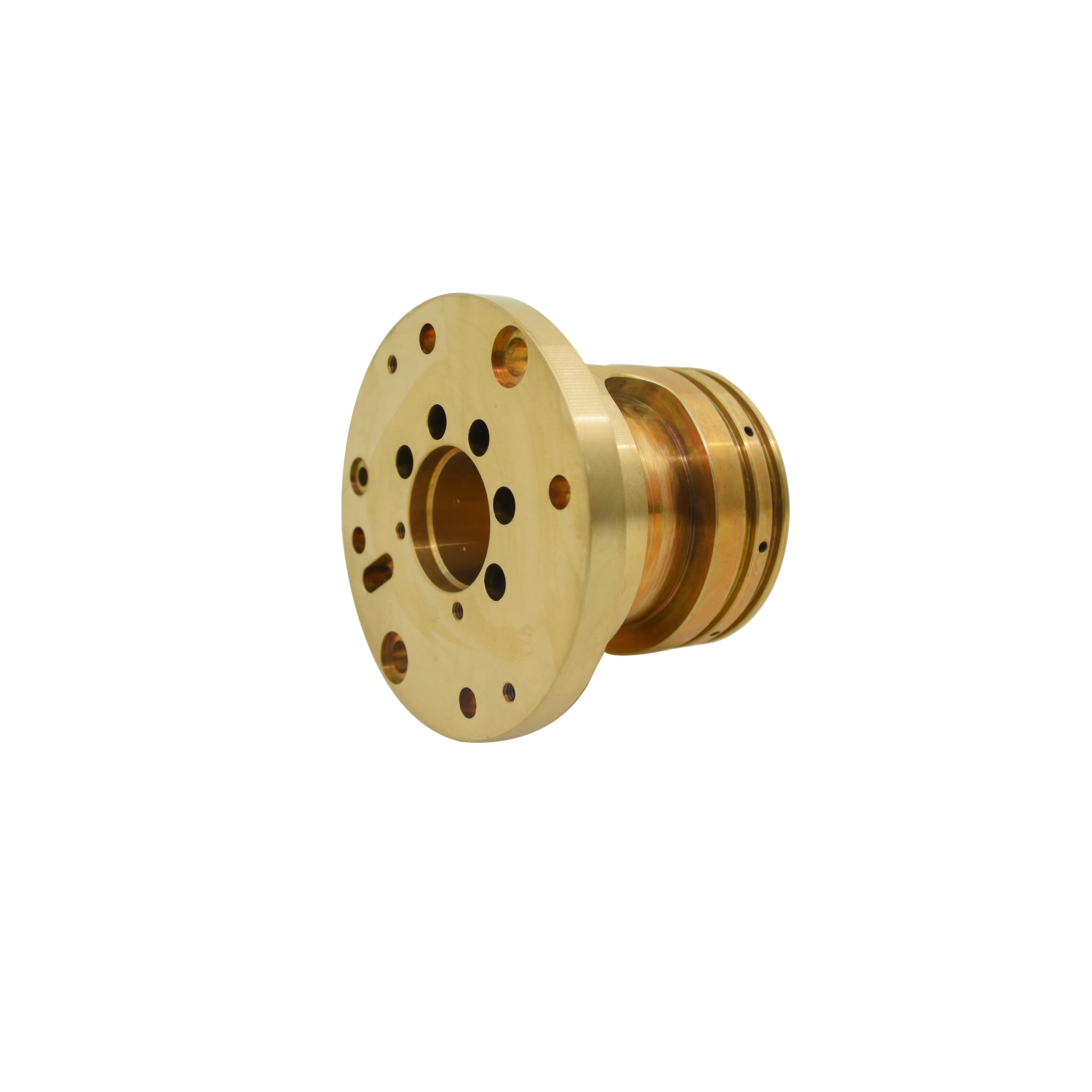
The product shown in the reference data appears to be a machined metal flange-and-housing style component used in precision machinery. It may serve as a bearing support, rotary connector, or mounting interface in a spindle-related assembly. Because the visible geometry includes a central bore, bolt-circle holes, and stepped turned surfaces, it fits well in applications where alignment and rotational symmetry matter. The description below uses only the visible facts and general manufacturing knowledge, since exact dimensions, alloy grade, and internal features are not confirmed.
Product Structure and Functional Role
This type of precision component is built around a circular flange with multiple drilled holes and a centered opening. The rear section steps into a cylindrical body with clean grooves and concentric machining marks. That layout is typical of parts used to locate, mount, or support a rotating element. In a spindle assembly, a precision bearing for CNC applications must help maintain runout control and smooth movement; a well-machined housing or coupling body contributes to that stability by keeping mating surfaces true.
The visible hole pattern suggests fastened installation to a matching assembly. The central through-bore points to a coaxial function, while the layered geometry indicates the part is intended to sit within a controlled mechanical stack-up. For buyers, this means the component is not just a shaped metal piece; it is a positioning element that can influence fit, alignment, and serviceability.
Key Capabilities and Visible Specifications
Machined geometry
Concentric turned surfaces, drilled holes, and a symmetrical body are clear signs of CNC turning and milling. These features are important in a high precision spindle bearing support, where even small irregularities can affect rotation quality.
Compact flange design
The round flange provides a broad mounting face and a stable interface for bolts or fasteners. This helps distribute load and simplify assembly in machine tool frames, rotary fixtures, and instrumentation systems.
Central bore and mating faces
A central opening supports coaxial positioning, which is often needed in spindle motor bearing systems, rotary joints, or custom mechanical connectors. The machined faces also help the part seat securely against another component.
Materials and Finish Options
The item in the image appears brass-colored or bronze-colored, though the exact material is not confirmed. In industrial practice, parts like this may be produced from brass, bronze, aluminum, steel, or other machinable alloys depending on strength, weight, corrosion resistance, and application requirements. The finish looks polished-to-satin with visible tool marks, which is consistent with a machined surface rather than a decorative coating.
For spindle bearing-related assemblies, material choice matters. A ceramic spindle bearing is selected for certain high-performance systems because of its wear and speed advantages, while metal housings or interfaces are chosen for stiffness and mounting integrity. The correct combination depends on the operating environment, lubrication strategy, speed range, and load path. Since those parameters are not supplied here, they should be confirmed during RFQ review.
Manufacturing Process
Based on the visible geometry, the part was likely made by CNC turning first, followed by drilling and milling operations. Turning creates the stepped cylindrical profile and concentric surfaces. Drilling forms the bolt holes and smaller face holes. Deburring and surface finishing would typically follow to remove sharp edges and improve fit during assembly.
This process sequence is common for a high speed spindle bearing support or other precision rotary component because it allows good control over roundness, symmetry, and hole placement. If the part must interface with a rotating shaft, careful control of concentricity and face flatness becomes especially important. Exact tolerances are not provided, so they should be specified by the buyer before production.
Application Scenarios
Although the exact end use is not identified, the shape fits several industrial settings:
Machine tools and spindle assemblies
Robotics and automation equipment
Rotary fixtures and test rigs
Fluid or air distribution interfaces
Instrument housings and precision connectors
Custom mechanical assemblies requiring a flanged locating part
In each case, the part may act as a support, connector, or alignment body. For buyers sourcing a spindle bearing or a matching housing, the priority is usually fit, repeatability, and ease of integration with the surrounding system.
Quality Control Considerations
For a component like this, buyers should ask about inspection of bore size, hole spacing, face runout, concentricity, and surface condition. Even when a supplier is not providing a finished bearing, these checks help ensure the part will work correctly in a precision assembly. Visual inspection for burrs, tool chatter, and damage at the edges is also important.
If the component will be used in a precision bearing for CNC installation, ask whether the supplier can verify critical dimensions with CMM, gauges, or other metrology methods. The exact inspection plan depends on the part drawing and application, which have not been supplied here.
Customization Guidance for Buyers
When requesting this kind of part, define the interface first: bore diameter, flange thickness, hole pattern, thread requirements if any, and the relationship to the spindle or shaft. Then clarify the working environment, such as dry mechanical use, lubricated rotation, or exposure to air or fluid paths. These details determine the proper alloy, finish, and machining sequence.
If you need a CNC machine spindle bearing-related part rather than a standard catalog item, a custom drawing is usually the safest starting point. Include critical dimensions, preferred material, surface finish notes, and any assembly constraints. If the part must pair with a spindle motor bearing system, confirm load direction, speed target, and installation method before release.
Buyer Decision Factors
Before placing an order, compare how well the part supports alignment, how consistently it can be machined, and whether the geometry suits your assembly. For many buyers, the most important questions are:
Does the central bore match the mating shaft or housing?
Will the flange and hole pattern fit the existing assembly?
Is the material suitable for the mechanical and environmental load?
Can the supplier repeat the same precision from lot to lot?
Those points matter as much as the visible finish. A well-made spindle bearing or related support component should feel solid, seat cleanly, and reduce assembly friction on the production floor.
Request a Custom Quote
If you are sourcing a CNC machine spindle bearing, a precision spindle bearing housing, or a custom flanged rotary component, send your drawing, sample photo, or interface requirements. Our team can review the geometry, discuss material options, and help translate the design into a manufacturable part that matches your application.