






2 スピンドル PCB ドリリングおよびルーティング マシン: 中規模 PCB メーカー向け実践ガイド
多くの PCB メーカーにとって、実際の生産上の問題は、機械が穴を開けられるかどうかだけではありません。さらに難しい問題は、繰り返しの注文、混合基板設計、工具サイズの変更、および実際の供給圧力に対して、その装置が穴あけと配線の安定性を維持できるかどうかです。工場は午前中に FR4 基板を受け取り、昼食後にアルミニウムベースの基板を受け取り、シフトが終了する前に多層パネルの少量のバッチを受け取る場合があります。この種の本番環境では、速度と同じくらい柔軟性が重要です。
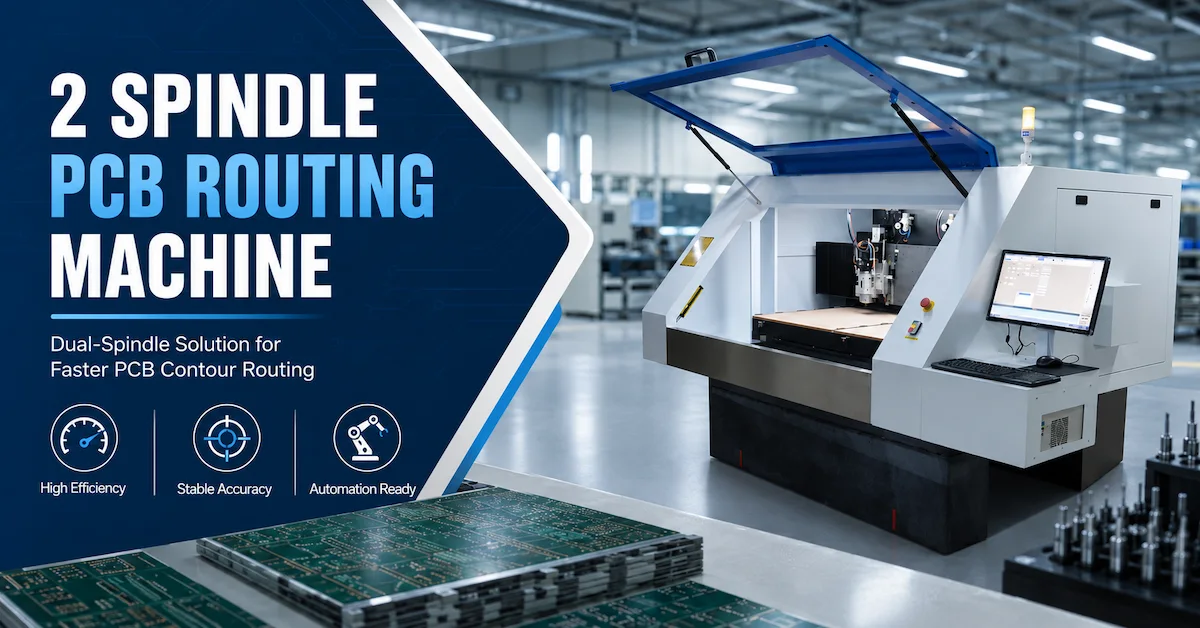
そこで、2 スピンドル PCB 穴あけおよび配線加工機が役立ちます。基本的なシングルスピンドル装置と高出力マルチスピンドルシステムの間に位置します。単軸機に比べてスループットの向上が可能です。大型の 4 スピンドル穴あけシステムと比較して、最大能力のセットアップに投資せずに穴あけとルーティングの両方を必要とするメーカーにとって、よりバランスの取れた選択肢を提供できる可能性があります。
Chikin CK-02R 2 スピンドル PCB ドリリングおよびルーティング マシンは、中量の PCB 生産向けに設計されています。製品ページによると、独立したZ軸制御を備えたデュアルスピンドル、60,000 RPMの主軸速度、1.8KWの主軸出力、水冷、花崗岩構造、高精度リニアガイドとボールねじ、自動工具交換、工具長検出、工具径検出、破損工具検出、およびプレッシャーフットスイッチのサポートを採用しています。この機械は、FR4、多層、およびアルミニウム基板の正確な穴あけと配線に適していると説明されています。
PCB 穴あけおよびルーティング マシン メーカー またはPCB CNC マシン サプライヤーを探している B2B 購入者向けに、この記事は製品名だけではありません。機械の機能、その構造がなぜ重要なのか、実際の PCB 生産にどのように適合するのか、問い合わせを送る前に調達チームが何を確認すべきかについて説明しています。
 B2B キーワード戦略このブログ
| キーワードの種類 | キーワード | 検索意図 | 記事内での推奨される使用方法 |
|---|---|---|---|
| 主要キーワード | 2 スピンドル PCB 穴あけおよび配線加工機 | 製品調査 / サプライヤーの比較 | SEO タイトル、H1、はじめに、結論 |
| サプライヤー キーワード | PCB 穴あけおよび配線加工機メーカー | メーカーを検索 | 調達セクションと CTA |
| サプライヤー キーワード | PCB 穴あけおよび配線加工機のサプライヤー | ベンダーを比較 | 購入者向けチェックリストと FAQ |
| 商品キーワード | デュアルスピンドル PCB ボール盤 | スピンドル構成の比較 | 技術的な説明 |
| 商品キーワード | PCB CNC 穴あけおよびルーティング マシン | マシンタイプを理解する | 製品概要 |
| 自動化キーワード | 自動 PCB 穴あけおよび配線加工機 | 検索自動ソリューション | 工具の交換と検出セクション |
| ファクトリ キーワード | 工場用 PCB ルーティングマシン | B2B 工場設備 | アプリケーション セクション |
| 制作キーワード | 中量用 PCB 製造装置 | 容量計画 | ROI セクション |
| アプリケーション キーワード | PCB メーカー向け PCB 穴あけ装置 | 一般的な購入意向 | はじめにと結論 |
| 商用キーワード | PCB CNC 機械サプライヤー | サプライヤーへの問い合わせ | CTA と調達ガイド |
| プロセス | 機能 | 重要な理由 |
|---|---|---|
| PCB 穴あけ | ビア、スルーホール、取り付けポイント、プロセス ホール用の穴を作成します | メッキ、組み立て、登録、電気的信頼性に影響します |
| PCB 配線 | 基板のアウトライン、スロット、溝、輪郭をカットします | 基板の形状、エッジの品質、下流のアセンブリに影響します |
| ドリルとルーティングの混合 | 穴加工とプロファイル加工の両方を 1 つの装置プラットフォームで処理します | マシンの切り替えを減らし、生産の柔軟性を向上させる |
| 反復バッチ処理 | 安定した精度で繰り返しの基板設計を実行 | 工場が納期を守るのに役立ちます |
| 中量生産 | 単純なシングルスピンドル装置よりも多くの出力をサポート | 定期的だが大量ではない注文がある工場に適しています |
| アイテム | CK-02R 仕様 / 機能 | PCB メーカーにとっての実用的な価値 |
|---|---|---|
| マシンタイプ | 2 スピンドル PCB 穴あけおよび配線盤 | 穴あけと配線の両方が必要な工場に適しています |
| スピンドル数量 | 2 つのスピンドル | シングルスピンドル マシンと比較してスループットが向上します |
| Z 軸の設計 | 独立した Z 軸制御 | より柔軟な掘削およびルーティング操作をサポート |
| 主軸速度 | 60,000 RPM | PCB の穴あけおよび配線タスクに適しています |
| スピンドル電力 | 1.8KW | 安定した加工のための切削能力を提供します |
| 冷却方法 | 水冷 | スピンドルの寿命延長と連続稼働をサポート |
| 穴あけ工具の直径 | 0.5 ~ 6.35 mm | 一般的な PCB 穴あけ要件をカバー |
| ルーティング ツールの直径 | 0.5~3.175mm | 基板の輪郭、スロット、エッジの処理をサポート |
| 精度 | ±0.005mm の繰り返し精度 / 位置決め精度 | 一貫した穴と配線の精度の維持に役立ちます |
| ツール マガジン | 9 ポジション自動工具交換装置 | 手動による工具交換とダウンタイムを削減 |
| 検出システム | 工具長、工具直径、折れた工具の検出 | プロセスの安全性と一貫性を向上させる |
| マシン ベース | 花崗岩のベース | 振動減衰と熱安定性の向上 |
| ドライブ システム | パナソニック / デルタ ドライブ システム | 安定した機械動作をサポート |
| CNC 制御 | CHIKIN CNC または SIEB & MEYER CNC82 | 産業用 CNC 操作をサポート |
| インターフェース | 英語インターフェース | 海外の通信事業者や世界中の購入者に役立ちます |
| オプションのフィードバック | リニア エンコーダー、分解能 ±0.001 mm | 必要に応じてより高精度の制御をサポート |
| マシン重量 | 約 2300KG | 頑丈な機械の構造を示します |
| マシンのサイズ | 2170×1700×1600mm | 購入者がワークショップのレイアウトを計画するのに役立ちます |
| 電力 | 220V/380V 3PH、5KVA | インストール計画における重要 |
| サポート | 3 年間の精度保証とグローバル 24 時間サポート | 海外の B2B バイヤーに役立ちます |
| 工場の問題点 | 一般的な本番への影響 | CK-02R 関連機能 |
|---|---|---|
| 穴あけと配線のサイクルが遅い | 納期のプレッシャー、残業、生産のボトルネック | デュアルスピンドル設計によりスループットが向上 |
| 穴の位置が不安定です | スクラップ、再加工、メッキ品質の低下 | ±0.005 mm の再現性と位置決め精度 |
| 配線後のエッジ品質が低下する | 組み立ての問題と追加の仕上げ作業 | 安定したスピンドルとマシンベースによる CNC ルーティング |
| 工具の破損がすぐに検出されない | パネルの損傷と生産時間の無駄 | 破損した工具検出システム |
| 頻繁な手動工具交換 | ダウンタイムとオペレーターの依存関係 | 9 ポジション自動工具交換装置 |
| 高速処理時の振動 | 工具の摩耗、精度のドリフト、粗いエッジの品質 | 振動減衰用の花崗岩ベース |
| 混在した運用要件 | 穴あけとルーティングには別の機械が必要 | ドリルとルーティングの組み合わせ機能 |
| 海外での運用の難しさ | トレーニング費用とコミュニケーションの問題 | 英語のインターフェースとグローバル サポート |
| 生産係数 | シングルスピンドル マシン | 2 スピンドル PCB 穴あけおよび配線盤 |
|---|---|---|
| 出力の処理 | 下位 | 適切な繰り返しジョブの場合は高くなります |
| 制作の柔軟性 | サンプルや単純な作業に適しています | 中量混合生産に適しています |
| 機械投資 | 初期費用の削減 | 高いが生産性は高い |
| 演算子の依存関係 | 工具交換が頻繁な場合は高くなります | 自動ツール処理により低下 |
| Routing Capability | Depends on machine design | Integrated drilling and routing |
| Best Fit | Prototype, low-volume, simple boards | Mid-volume PCB factories and repeated orders |
For a factory that already has regular PCB orders but is not ready for a larger four-spindle drilling machine, a two-spindle drilling and routing machine can be a reasonable next step.
Why Independent Z-Axis Control Matters
The CK-02R uses dual spindles with independent Z-axis control. This is an important detail for real machining, because the Z-axis controls vertical movement, cutting depth, tool engagement, and process safety.
In PCB drilling, the Z-axis affects entry, drilling depth, and tool withdrawal. In routing, it affects cutting depth, edge finish, and tool load. If the machine handles different tools or different machining operations, independent Z-axis control gives the system more control over how each spindle works.
This can help in several ways:
| Z-Axis Requirement | Why It Matters in PCB Processing |
|---|---|
| Accurate vertical positioning | Helps prevent over-cutting or insufficient cutting |
| Controlled drilling depth | Important for process consistency |
| Tool protection | Reduces risk of overload and breakage |
| Routing quality | Helps maintain clean board edges and stable profiles |
| Process flexibility | Supports different operations within one machine platform |
For B2B buyers, independent Z-axis control is one of the details that separates a production-oriented machine from a basic mechanical platform.
Granite Base and Machine Stability
A machine base may not look as exciting as spindle speed, but it has a direct effect on machining quality. The CK-02R uses a granite base for vibration damping, thermal stability, and long-term precision.
In PCB drilling and routing, vibration can create several problems. It can increase tool wear, reduce hole accuracy, affect routing edge quality, and create inconsistent results across a batch. The issue becomes more visible when processing smaller features, denser boards, or materials that require clean cutting.
Granite is commonly valued in precision equipment because it provides dimensional stability and vibration damping. In the context of the CK-02R, the granite base supports consistent high-speed operation in demanding PCB environments.
| Machine Structure Factor | Impact on PCB Production |
|---|---|
| Vibration damping | Helps improve hole quality and routing edge consistency |
| Thermal stability | Reduces accuracy drift during longer operation |
| Heavy machine body | Supports stable high-speed motion |
| Precision mechanical foundation | Helps maintain repeatability over time |
A lower-cost machine with weak structure may perform acceptably during a short demonstration, but long production shifts expose vibration and thermal issues. That is why serious buyers should ask about the machine base, not only spindle quantity.
Linear Guides, Ballscrews, and Motion Accuracy
The CK-02R is equipped with high-accuracy linear guides and ballscrews. Chikin lists Taiwan components as standard, with Germany Rexroth or Japanese components available as upgraded options. The product page also states that the machine can reach rapid traverse speeds up to 30m/min in XY and maintain ±0.005mm repeatability and positioning accuracy.
Motion accuracy matters because PCB machining is coordinate-based. Every hole and routing path depends on the machine’s ability to move predictably. If there is backlash, vibration, or positioning drift, the result may be hole offset, routing deviation, rough board edges, or scrap.
| Motion System Element | Production Meaning |
|---|---|
| Linear guide | Supports smooth and stable axis movement |
| Ballscrew | Converts motor motion into precise linear movement |
| Rapid traverse speed | Reduces non-cutting movement time |
| Repeatability | Helps the machine return to the same point consistently |
| Positioning accuracy | Helps match programmed coordinates with actual machining |
| Optional linear encoder | Adds higher-resolution position feedback when required |
For a PCB drilling and routing machine supplier, motion accuracy should be a core selling point. For buyers, it should be a core inspection point.
Spindle Performance: 60,000 RPM, 1.8KW, and Water Cooling
The CK-02R uses 60,000 RPM spindles with 1.8KW power and water cooling. This combination is relevant for both drilling and routing.
High spindle speed helps process PCB materials cleanly, especially when using smaller tools. Spindle power helps maintain cutting stability during routing and heavier machining conditions. Water cooling helps control spindle temperature and supports longer service life during extended operation.
| Spindle Feature | Why It Matters |
|---|---|
| 60,000 RPM speed | Supports PCB drilling and routing with smaller tools |
| 1.8KW power | Provides cutting strength for routing and stable machining |
| Water cooling | Helps protect spindle performance during longer operation |
| Dual-spindle setup | Improves throughput compared with single-spindle equipment |
Spindle performance should always be evaluated together with machine structure and motion accuracy. A fast spindle cannot compensate for a weak mechanical base. A strong machine frame cannot reach full value if the spindle lacks stability. The CK-02R positions these elements as a complete system.
Automatic Tool Change and Detection Systems
Manual tool handling is one of the most underestimated sources of downtime in PCB machining. Every time the operator changes tools manually, production stops. Every tool setup error can create quality risk. Every broken tool that goes undetected can damage boards before anyone notices.
The CK-02R includes a fully automatic tool changer with a 9-position magazine. It also includes tool length detection, tool diameter detection, broken tool detection, and pressure foot switch support.
| Tool Management Feature | Practical Benefit |
|---|---|
| 9-position automatic tool changer | Reduces manual tool changes |
| Tool length detection | Helps maintain correct machining depth |
| Tool diameter detection | Helps confirm tool suitability |
| Broken tool detection | Reduces scrap risk from undetected tool breakage |
| Pressure foot switch | Supports safer and more controlled processing |
For a mid-volume PCB factory, these features are not just “automation options.” They help reduce human error, stabilize process timing, and improve production confidence.
CNC Control and Drive System
The CK-02R uses a Panasonic / Delta drive system and supports CHIKIN CNC or SIEB & MEYER CNC82 control, with an English interface. This matters because a CNC machine is only as useful as its control stability and operator usability.
SIEB & MEYER describes its CNC controls and motion controller products as optimized for PCB drilling and mechanical PCB routing, with emphasis on process reliability and efficiency. This aligns with what PCB manufacturers need from drilling and routing equipment: stable motion, reliable spindle coordination, efficient program execution, and manageable operation.
For overseas buyers, the English interface is also important. It reduces training difficulty and allows local operators to work with less translation dependency. In B2B equipment purchases, operation clarity can directly affect how quickly a factory can adopt the new machine.
| Control / Drive Element | Buyer Concern |
|---|---|
| CNC controller | Program execution, machine coordination, operation logic |
| Drive system | Axis response, stability, motion reliability |
| English interface | Operator training and overseas usability |
| Optional encoder | Higher positioning feedback for precision requirements |
| Supplier support | Troubleshooting, parameter adjustment, long-term maintenance |
A PCB CNC machine supplier should be able to explain not only which controller is used, but also how the control system supports real drilling and routing work.
Suitable PCB Materials and Applications
The CK-02R is positioned for precise drilling and routing on FR4, multilayer, and aluminum boards. These are common board categories in industrial electronics, LED lighting, power electronics, control systems, communication equipment, and many other manufacturing sectors.
| PCB Type | Typical Requirement | Why CK-02R Fits |
|---|---|---|
| FR4 PCB | General drilling, routing, mounting holes, edge profiles | Balanced drilling and routing capability |
| Multilayer PCB | Stable hole position and repeatable machining | ±0.005mm accuracy supports consistency |
| Aluminum PCB | Routing and processing for metal-backed boards | 1.8KW spindle power supports tougher cutting conditions |
| Industrial control board | Repeatable production and stable quality | CNC control and detection systems reduce process variation |
| LED PCB | Aluminum substrate processing and repeated panel machining | Suitable for board routing and drilling tasks |
| Small to mid-volume production | Flexible batch processing | Dual-spindle system improves efficiency without oversized investment |
This makes the machine especially relevant for factories that produce more than one PCB type. If a factory only produces one extremely high-volume product, a more specialized line may be preferred. But if the factory manages repeated mixed orders, a dual-spindle drilling and routing platform can be practical.
How This Machine Supports Mid-Volume PCB Production
Mid-volume production is often harder to manage than it appears. The factory must maintain efficiency, but it may not have the luxury of running one product for weeks without changeover. Orders may be repeated, but batch sizes may vary. Product designs may be stable, but customer requirements can change.
A 2 spindle PCB drilling and routing machine supports this environment because it offers:
| Production Need | How CK-02R Supports It |
|---|---|
| Higher output than single-spindle machines | Dual spindles improve production efficiency |
| Flexibility for drilling and routing | One machine platform handles both processes |
| Stable accuracy | Granite base and precision motion components |
| Lower downtime | Automatic tool change and detection systems |
| Mixed board compatibility | FR4, multilayer, and aluminum board applications |
| International operation | English interface and global support |
For many buyers, this combination is the reason to choose a dual-spindle machine instead of a single-spindle unit or a drilling-only system.
2 Spindle Machine vs 4 Spindle Machine
A common procurement question is whether to buy a two-spindle or four-spindle machine. The answer depends on production volume, board type, budget, and the factory’s bottleneck.
| Comparison Point | 2 Spindle PCB Drilling and Routing Machine | 4 Spindle PCB Drilling Machine |
|---|---|---|
| Main Function | Drilling + routing | Mainly high-speed drilling |
| Spindle Quantity | 2 | 4 |
| Best Use | Mid-volume mixed production | Higher-volume drilling production |
| Process Flexibility | Higher because it combines drilling and routing | More focused on drilling throughput |
| Investment Level | Usually more moderate | Usually higher |
| Typical Buyer | Factory needing balanced drilling/routing capacity | Factory with drilling bottleneck and larger volume |
| Selection Logic | Choose when flexibility and mid-volume output matter | Choose when maximum drilling output matters |
A 4-spindle drilling machine may be better for factories with heavy drilling loads and high batch volume. A 2-spindle drilling and routing machine may be better when the factory wants a more flexible system that handles both hole processing and profile machining.
2 Spindle PCB Drilling and Routing Machine vs Single-Spindle Machine
| Factor | Single-Spindle Machine | 2 Spindle PCB Drilling and Routing Machine |
|---|---|---|
| Throughput | Lower | Higher, especially for repeated jobs |
| Initial Cost | Lower | Higher than single-spindle equipment |
| Automation Level | Depends on model | Automatic tool change and detection features |
| Suitable Production | Prototype and low volume | Small-to-mid and mid-volume production |
| Drilling and Routing | May support both, but slower | Better balanced for repeated drilling/routing |
| Operator Intervention | Often higher | Lower due to tool automation |
| Long-Term Value | Good for simple jobs | Better for factories with steady orders |
The decision should not be made only by purchase price. If a single-spindle machine causes delays, overtime, tool-change downtime, or missed delivery dates, its lower price may not mean lower total cost.
2 Spindle Drilling and Routing Machine vs Separate Drilling and Routing Machines
Some factories prefer separate machines for drilling and routing. This can work well when production volume is high enough and the workflow is stable. However, separate equipment also means more handling, more floor space, and more scheduling coordination.
| Evaluation Point | Combined 2 Spindle Drilling & Routing Machine | Separate Drilling and Routing Machines |
|---|---|---|
| Floor Space | More compact | Requires more space |
| Process Flexibility | Good for mixed production | Strong if each process has stable volume |
| Handling Time | Lower between drilling and routing | Higher due to transfer between machines |
| Scheduling | Easier for small/mid batches | More complex but scalable |
| Investment | One integrated machine | Two separate equipment investments |
| Best Fit | Mid-volume factories and mixed orders | Larger production lines with dedicated process stations |
A combined machine is not always better. But for many mid-volume PCB manufacturers, it reduces workflow complexity and gives production managers more flexibility.
Quality Control: Why Drilling and Routing Accuracy Affect Final PCB Reliability
PCB drilling and routing quality affects more than appearance. Hole accuracy affects registration, plating, assembly, and electrical reliability. Routing quality affects board shape, edge smoothness, assembly fit, and handling safety.
IPC-6012 covers qualification and performance requirements for rigid printed boards, including single-sided, double-sided, plated-through-hole, multilayer, blind/buried via, and metal core boards. This is relevant because drilling and routing equipment contributes directly to whether a factory can maintain consistent board quality.
| Quality Issue | Possible Cause | Machine Feature That Helps |
|---|---|---|
| Hole position deviation | Motion error, vibration, poor positioning | ±0.005mm accuracy and granite base |
| Rough routing edge | Tool wear, vibration, weak spindle control | 1.8KW spindle and stable machine structure |
| Tool breakage | Incorrect tool condition, overload, long use | Broken tool detection |
| Inconsistent cutting depth | Z-axis control or tool length error | Independent Z-axis and tool length detection |
| Production scrap | Delayed detection of process problems | Tool diameter and broken tool detection |
A professional PCB drilling and routing machine manufacturer should understand that equipment is part of the quality system. It is not only a mechanical tool.
ROI Factors for B2B Buyers
A buyer should calculate machine value based on production results, not only purchase cost. The CK-02R is positioned as a machine that improves throughput, reduces downtime, and supports stable mid-volume production.
| ROI Factor | How It Affects Production | What Buyers Should Measure |
|---|---|---|
| Throughput improvement | Shortens drilling/routing cycle time | Compare current cycle time with expected dual-spindle output |
| Tool change reduction | Reduces machine idle time | Record daily manual tool-change time |
| Scrap reduction | Saves board material and labor | Review drilling/routing-related scrap records |
| Labor efficiency | Reduces operator intervention | Compare operator workload before and after upgrade |
| Delivery stability | Helps protect lead time | Track delayed orders caused by machining bottlenecks |
| Process flexibility | Handles different PCB types | Review monthly board variety |
| Floor space efficiency | Combines drilling and routing | Compare one integrated machine vs separate equipment |
| Maintenance and support | Reduces long-term downtime risk | Review warranty, spare parts, and supplier response |
A machine with a higher purchase price can still be economical if it reduces downtime, improves delivery, and allows the factory to accept more stable orders.
Practical Buyer Checklist
Before choosing a PCB drilling and routing machine supplier, buyers should prepare a clear checklist. This prevents procurement from becoming a simple price comparison.
| Evaluation Area | Questions to Ask Supplier | Why It Matters |
|---|---|---|
| Spindle System | What is the spindle speed, power, cooling method, and service life? | Determines cutting performance and durability |
| Spindle Quantity | Is two-spindle capacity enough for our order volume? | Prevents underbuying or overbuying |
| Z-Axis Design | Are the spindles independently controlled? | Affects process flexibility |
| Work Area | Does the machine fit our standard PCB panel sizes? | Prevents production mismatch |
| Tool Range | What drilling and routing tool diameters are supported? | Ensures compatibility with product designs |
| Tool Changer | How many tool positions are available? | Affects downtime and job complexity |
| Detection Systems | Does the machine detect broken tools and tool dimensions? | Reduces scrap risk |
| Accuracy | What repeatability and positioning accuracy can the machine maintain? | Affects hole and routing quality |
| CNC System | Which controller is used and what languages are supported? | Affects operation and training |
| Service | What warranty and global support are available? | Important for overseas buyers |
| Sample Test | Can the supplier process buyer samples before order? | Verifies real performance |
| ROI | Can the supplier help compare current and expected production output? | Supports business decision-making |
How to Decide Whether CK-02R Fits Your Factory
The CK-02R is not the only possible machine choice. It is suitable when the factory’s needs match its design.
It may fit your factory if:
| Factory Situation | CK-02R Fit |
|---|---|
| You process FR4, multilayer, or aluminum PCB boards | Strong fit |
| You need both drilling and routing | Strong fit |
| You want higher output than single-spindle machines | Strong fit |
| You handle mid-volume or mixed-batch orders | Strong fit |
| You need automatic tool change and detection | Strong fit |
| You only need very low-volume prototyping | May be more than necessary |
| You need the highest possible drilling throughput | Consider a 4-spindle drilling machine |
| You already have separate high-capacity routing and drilling lines | Compare workflow carefully |
A good machine decision starts with production data. Before sending an inquiry, the buyer should review monthly board volume, average hole count, routing complexity, tool change frequency, scrap causes, and current bottleneck location.
Process Flow: How the Machine Fits into PCB Manufacturing
A PCB CNC drilling and routing machine usually belongs in the mechanical processing stage of PCB manufacturing. Its exact position depends on the factory process, but it often supports hole formation and board profiling.
| Production Step | Role of Drilling / Routing Machine |
|---|---|
| Design preparation | Receives machining coordinates and process requirements |
| Panel setup | PCB panels are positioned and fixed |
| Tool preparation | Required drilling and routing tools are loaded |
| Drilling | Holes are created according to CNC program |
| Routing | Board outline, slots, or contours are machined |
| Detection | Tool condition and machining stability are monitored |
| Inspection | Board holes and edges are checked |
| Downstream process | Boards continue to plating, finishing, inspection, or assembly-related workflow |
The CK-02R’s automatic tool change and detection systems are useful because they reduce interruptions during the drilling and routing stages.
Production Scenarios for the CK-02R
| Scenario | Buyer Need | Why CK-02R Is Relevant |
|---|---|---|
| Mid-volume PCB factory | Increase output without buying oversized equipment | Dual-spindle throughput improvement |
| Prototype-to-batch transition | Move from samples to repeat orders | Balanced flexibility and efficiency |
| Aluminum PCB processing | Handle LED and power boards | Routing capability and spindle power |
| Mixed FR4 and multilayer orders | Process different board types | CNC flexibility and stable accuracy |
| Export-oriented factory | Improve reliability and delivery confidence | English interface and global support |
| Equipment upgrade project | Replace older single-spindle machines | Better automation and detection |
Common Mistakes When Buying PCB Drilling and Routing Equipment
Many equipment problems begin before the machine arrives. Procurement teams sometimes focus on visible specifications while ignoring workflow fit.
| Mistake | Why It Creates Risk | Better Approach |
|---|---|---|
| Buying only by lowest price | May lead to poor stability or weak support | Compare total cost and production impact |
| Ignoring tool change time | Manual changes reduce real output | Evaluate automatic tool changer capacity |
| Focusing only on spindle speed | Speed without stability may reduce quality | Check base, guide rails, ballscrews, and accuracy |
| Not testing real samples | Catalog specs may not reflect actual jobs | Request sample processing |
| Overbuying capacity | Higher investment may not improve ROI | Match machine to order volume |
| Underbuying capacity | Bottleneck remains after purchase | Calculate future order growth |
| Ignoring service support | Downtime becomes expensive | Confirm warranty, response time, and spare parts |
A reliable PCB drilling and routing machine supplier should help the buyer avoid these mistakes during selection.
Internal Linking Suggestions for Website Publishing
| Anchor Text | Suggested Link Target |
|---|---|
| 2 spindle PCB drilling and routing machine | CK-02R product page |
| PCB drilling and routing solutions | Product category page |
| 4 spindle PCB drilling machine | Related product page |
| PCB routing machine for factories | Routing product page |
| PCB laser cutting equipment | Laser cutting machine page |
| PCB AOI inspection machine | AOI product page |
| request a customized quote | Contact / inquiry page |
| sample processing or live demo | Service page |
Internal links should be placed naturally. The article should guide buyers from education to product comparison, then to inquiry.
FAQ
What is a 2 spindle PCB drilling and routing machine?
A 2 spindle PCB drilling and routing machine is a CNC machine designed to process PCB holes and board profiles with two spindles. It improves efficiency compared with a single-spindle machine and offers more flexibility than a drilling-only system.
What is the main advantage of the CK-02R?
The main advantage is balanced production capability. The CK-02R combines dual spindles, drilling and routing functions, granite structure, automatic tool change, tool detection, and ±0.005mm repeatability / positioning accuracy for mid-volume PCB production.
What materials can the CK-02R process?
The product page describes the CK-02R as suitable for precise drilling and routing on FR4, multilayer, and aluminum boards.
What is the spindle speed of the CK-02R?
The CK-02R uses 60,000 RPM spindles with 1.8KW power and water cooling.
What tool sizes does the machine support?
The CK-02R supports drilling tools from 0.5–6.35mm and routing tools from 0.5–3.175mm.
Does the machine include automatic tool change?
Yes. The CK-02R includes a fully automatic tool changer with a 9-position magazine, along with tool length detection, tool diameter detection, broken tool detection, and pressure foot switch support.
Is a 2 spindle machine better than a 4 spindle machine?
Not always. A two-spindle drilling and routing machine is better for mid-volume production and mixed drilling/routing needs. A four-spindle drilling machine is better when the main goal is higher drilling throughput.
Is this machine suitable for overseas buyers?
The CK-02R includes an English interface and is backed by global 24-hour support, according to Chikin’s product page.
How should a factory calculate ROI?
A factory should compare current cycle time, manual tool-change time, scrap caused by drilling/routing issues, operator workload, delivery delays, and expected order growth. The value of the machine comes from higher output, lower downtime, and more stable quality.
Conclusion
A 2 spindle PCB drilling and routing machine is a practical choice for PCB manufacturers that need more than basic drilling capacity but do not necessarily require the largest multi-spindle system. It is especially suitable for mid-volume factories, mixed PCB orders, FR4 boards, multilayer boards, aluminum boards, and production environments where both drilling and routing must remain stable.
The Chikin CK-02R combines dual spindles, independent Z-axis control, 60,000 RPM spindle speed, 1.8KW water-cooled spindle power, granite base construction, high-accuracy linear guides and ballscrews, automatic tool change, tool length detection, tool diameter detection, broken tool detection, and ±0.005mm repeatability / positioning accuracy. These features make it relevant for buyers searching for a PCB drilling and routing machine manufacturer, PCB drilling and routing machine supplier, or PCB CNC machine supplier for mid-volume PCB production.
For B2B procurement teams, the best decision is not simply choosing the lowest price or the highest spindle count. A better approach is to match the machine to real factory conditions: board materials, hole sizes, routing requirements, order volume, tool-change frequency, accuracy expectations, operator skill level, and after-sales support needs.
If the main production challenge is flexible drilling and routing with better throughput than a single-spindle machine, the CK-02R is worth evaluating as a balanced PCB CNC solution for modern PCB manufacturing.
注目のブログ
Tag:
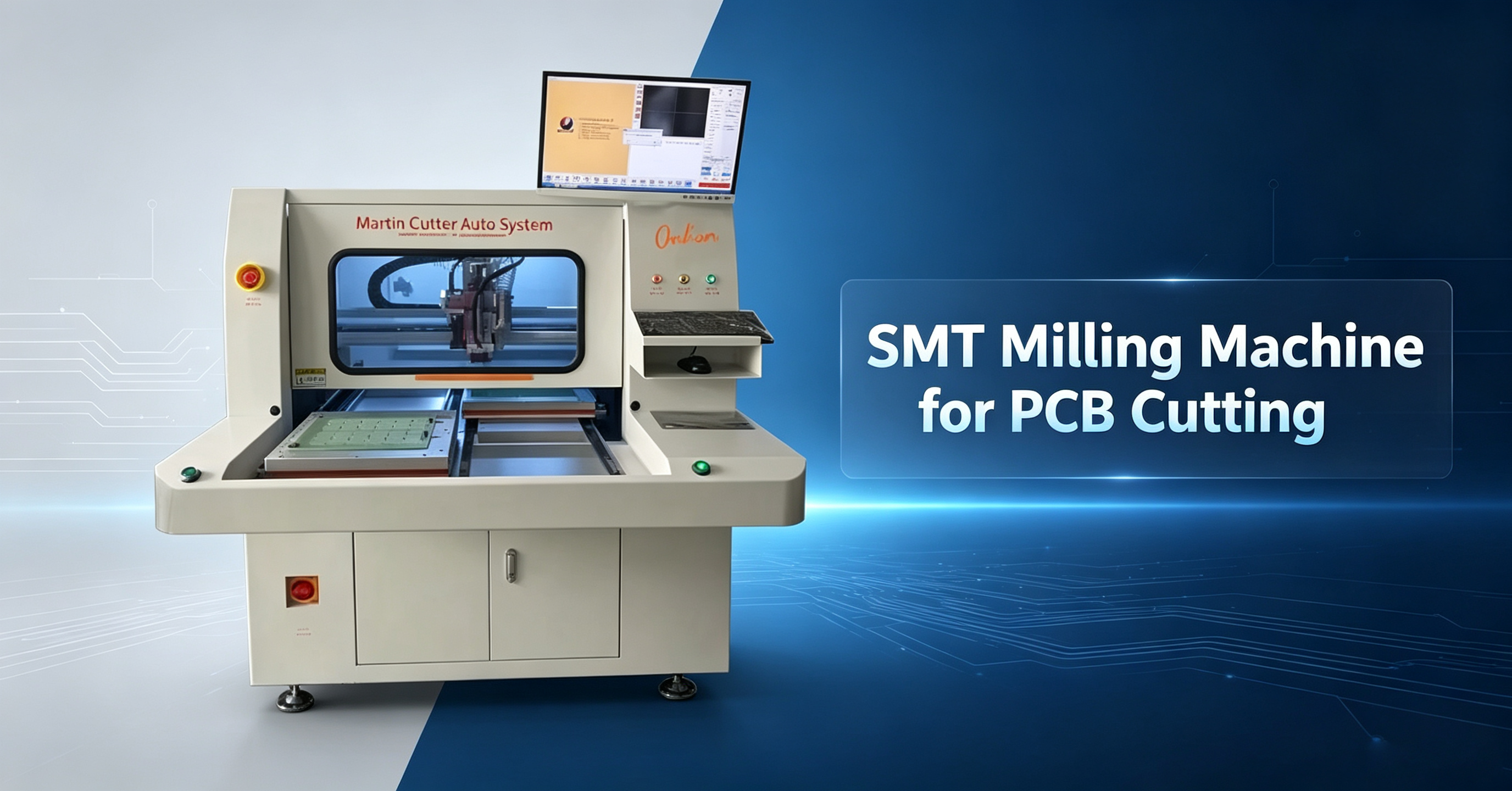
PCB切断用SMTフライス盤:自動基板分離のための実用的な購入ガイド
このガイドでは、SMTフライス盤がどのように制御されたPCB切削をサポートするのか、購入前に確認すべき事項、そして実際の生産用途における機械仕様の比較方法について説明します。動作原理、安全性、技術データ、アプリケーションシナリオ、選定に関するアドバイス、そして購入者向けのよくある質問(FAQ)を網羅しています。
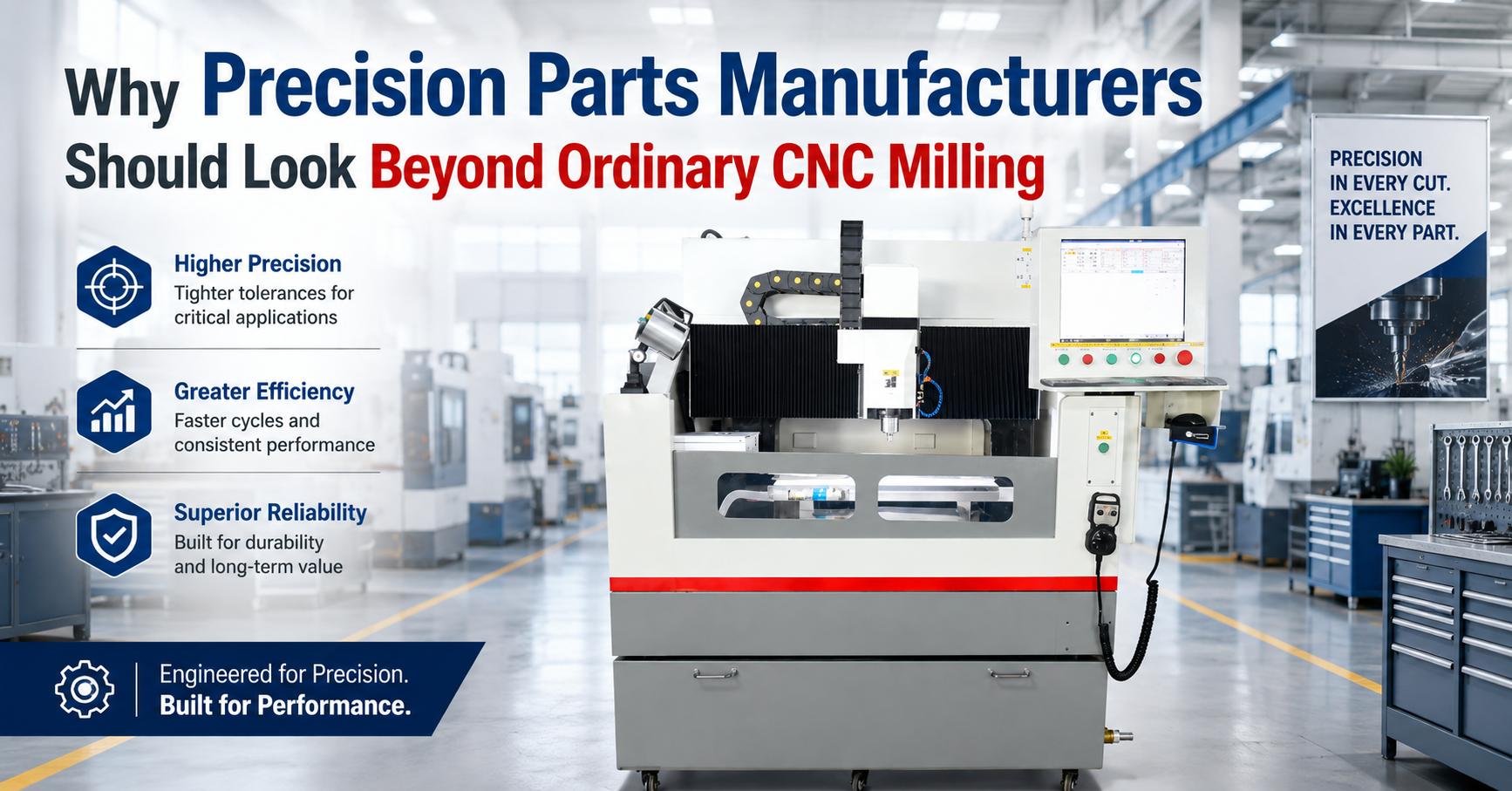
精密部品メーカーが通常のCNCフライス加工の枠を超えて検討すべき理由
CNCフライス加工は繰り返し加工に適していますが、複雑な金属部品の場合、内角、狭い溝、バリのない切削、微細な輪郭など、従来の工具では仕上げが難しい箇所があるため、別の加工方法が必要になります。この記事では、精密部品製造におけるCNCフライス加工とワイヤ放電加工の連携方法、機器選定前に購入者が確認すべき事項、そしてChikin CNCワイヤ放電加工機がアクリル用CNC切削機というよりも導電性金属切削ソリューションとして理解されるべき理由について解説します。
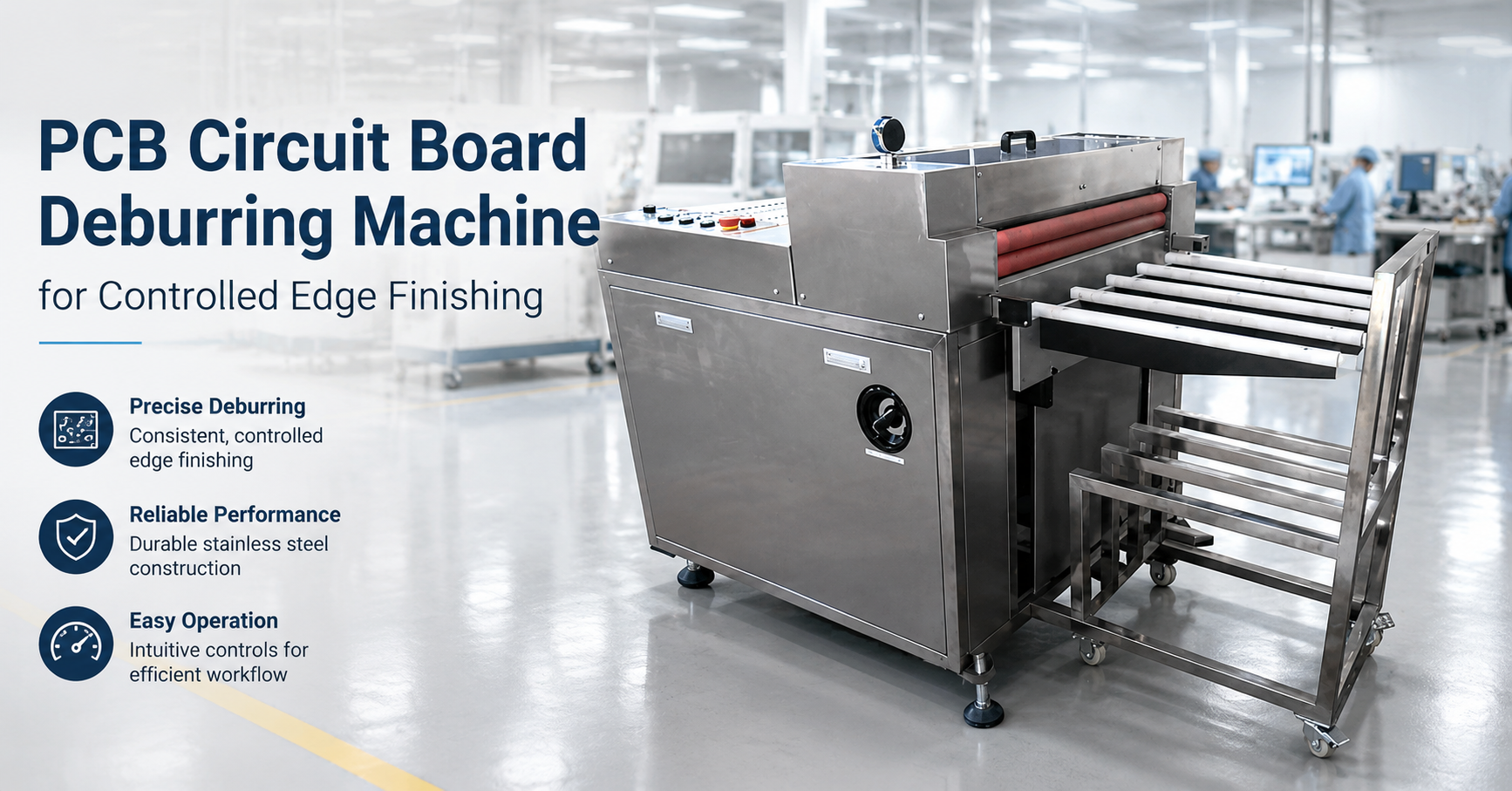
工場生産用のプリント基板バリ取り装置のサプライヤーは、購入者はどのように選ぶべきでしょうか?
プリント基板のバリ取り装置のサプライヤーを選ぶ際には、機械の写真を比較したり、最低価格の見積もりを求めたりするだけでは不十分です。プリント基板工場は、購入前に、機械の実際のバリ取り方法、コンベアの設計、ステンレス鋼構造、清掃のしやすさ、操作性、カスタマイズオプション、サプライヤーのサポートなどを評価する必要があります。
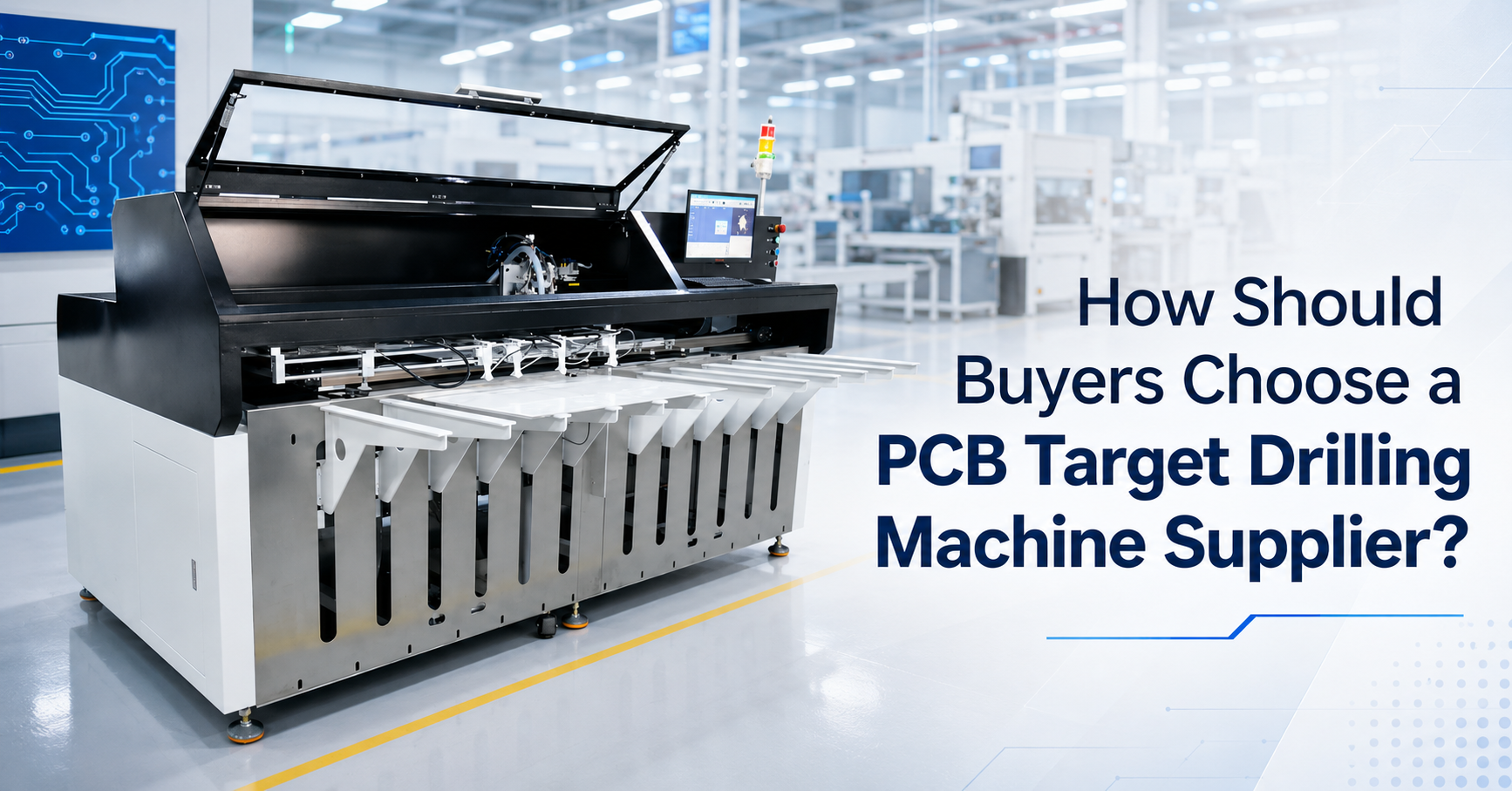
PCBターゲット穴あけ加工機サプライヤー向け購入者ガイド
1. なぜ購入者はPCB穴あけ加工業者と機械メーカーを比較し続けるのか 2. 専用PCB穴あけ装置と多軸加工プラットフォームの比較 3. 価格比較をする前にサプライヤーに尋ねるべきこと 4. 実際の植物において重要な比較ポイント 5. よくある購入者の間違い 6.買い過ぎずに選択肢を絞り込む方法 7. エンジニアリングチームと調達チームの次のステップ
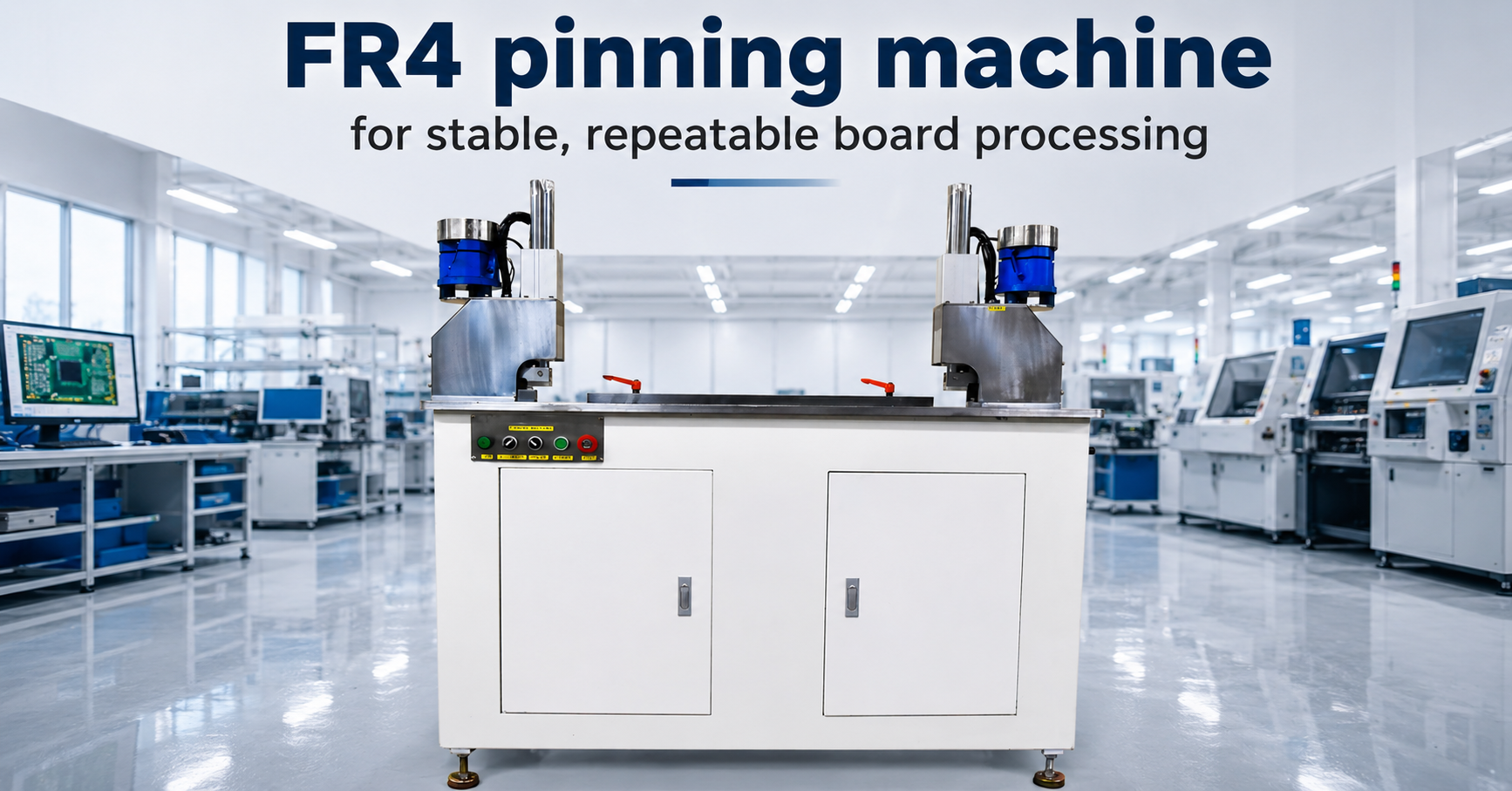
安定した基板処理を実現するために、工場はFR4ピンニングマシンをどのように選ぶべきでしょうか?
FR4ピンニングマシンは、プリント基板(PCB)および電子機器工場において、基板位置決めの再現性、治具を用いた加工、およびオペレーターによる生産安定性の向上に役立ちます。本ガイドでは、購入者がこの種のマシンを選択する際のポイント、購入前に確認すべき技術的なポイント、そして安定した再現性の高い基板加工を実現する上で、チキンCNCのデュアルヘッドFR4ピンニングマシンが評価に値する理由について説明します。
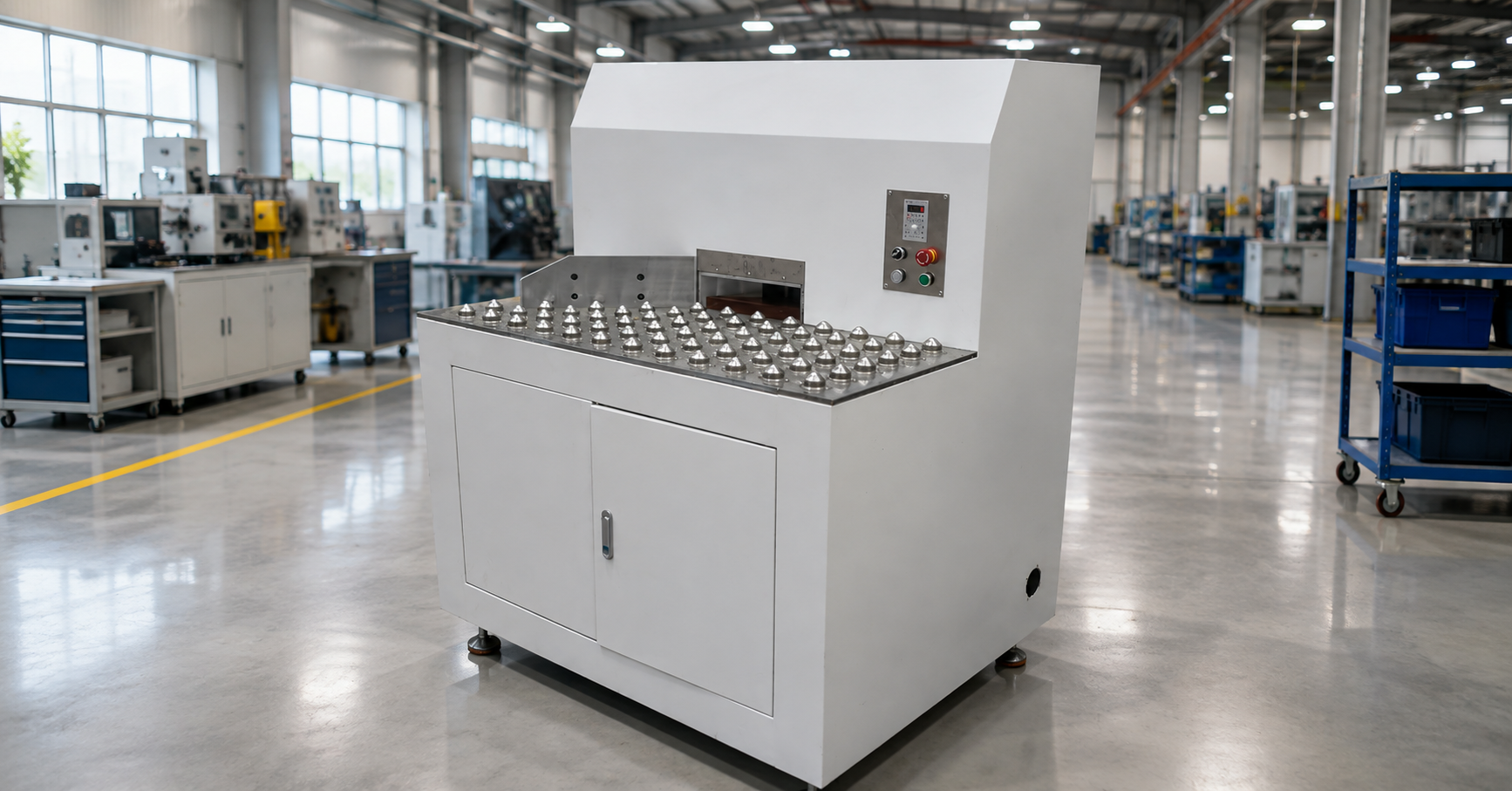
FR-4基板のエッジ仕上げ用PCB面取り機のサプライヤーは、購入者はどのように選ぶべきでしょうか?
プリント基板面取り機のサプライヤーを選ぶ際には、機械の写真を比較したり、最低価格を尋ねたりするだけでは不十分です。プリント基板工場は、発注前に、エッジ仕上げ能力、FR-4加工の安定性、集塵機能、治具の調整可能性、メンテナンスの容易性、カスタマイズ対応、サンプルテスト、サプライヤーのサービスなどを評価する必要があります。