



PCB Dry Film Lamination Machine Overview
The PCB Dry Film Lamination Machine is built for one of the most delicate steps in printed circuit board production: placing dry film photoresist onto a prepared copper surface without wrinkles, bubbles, or uneven pressure marks. In PCB manufacturing, small defects at the lamination stage can affect downstream imaging and etching, so the machine’s job is to keep the film path stable, controlled, and repeatable. For buyers, that means fewer reworks, cleaner board surfaces, and more consistent transfer of the photoresist layer across production batches.
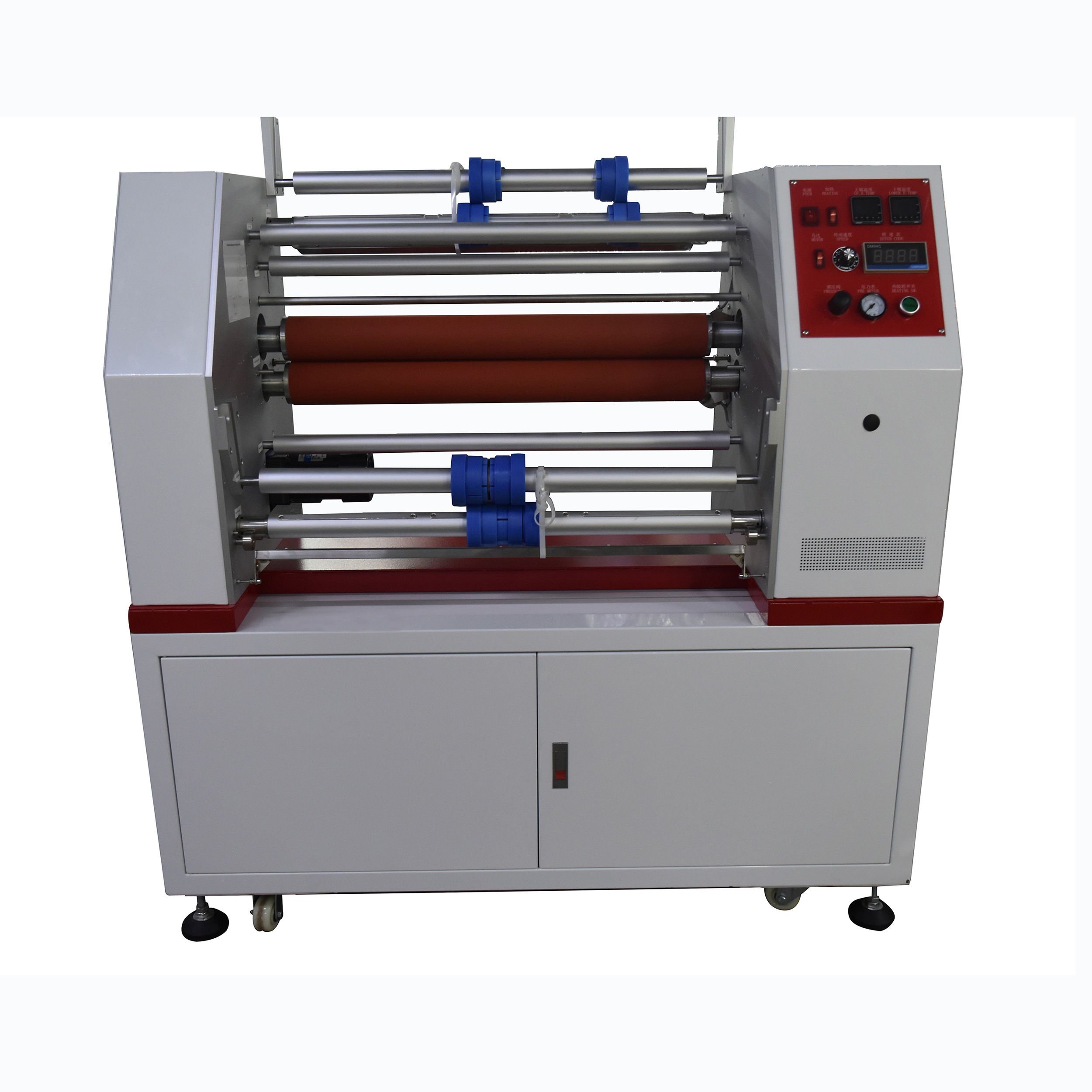
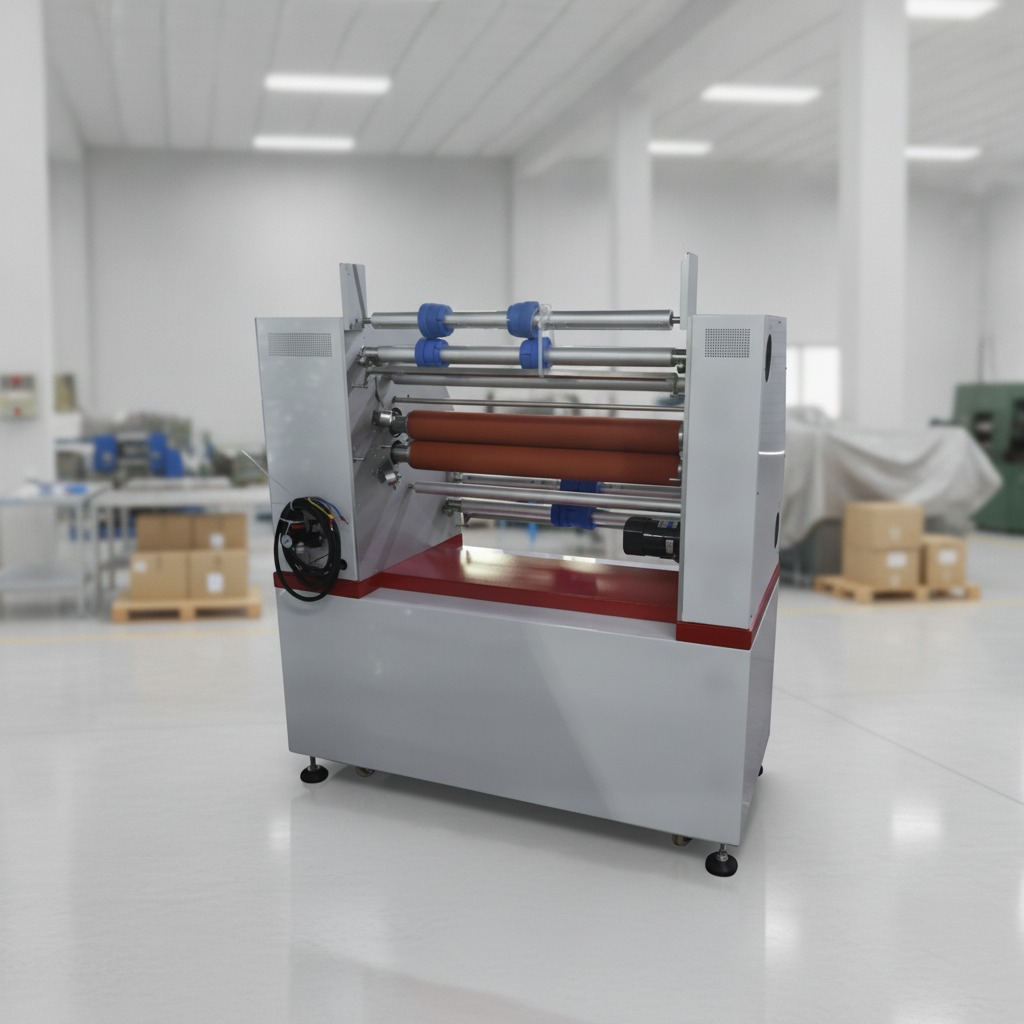
Although the visible structure suggests an industrial roll-processing platform, the working layout is clearly suited to continuous-web handling. Multiple rollers, an enclosed cabinet base, and a powered drive section indicate a machine designed to move material smoothly through a controlled contact zone. In practice, this kind of setup is valuable wherever a thin film must be guided, pressed, or aligned with care.
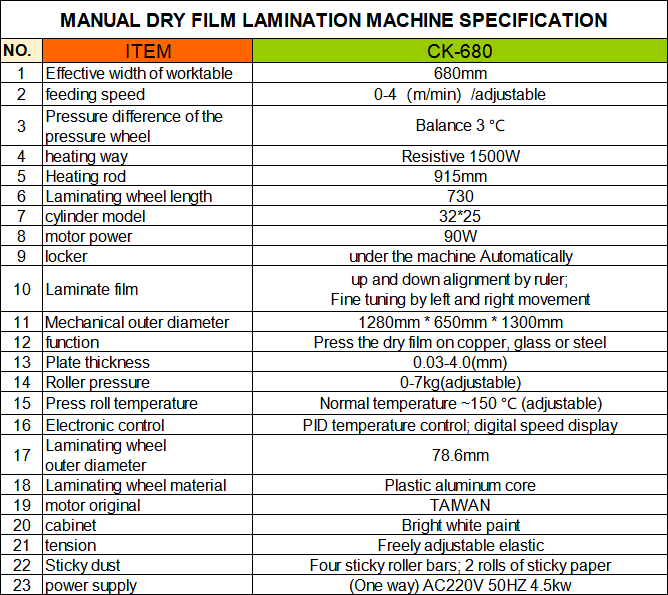
Machine Specification
What the Machine Is Designed to Do
As a dry film laminator or photoresist laminating machine, the equipment supports roll-fed processing of flexible sheet material. In PCB dry film processing, the dry film must lie flat on the board surface before bonding and subsequent exposure. Any trapped air, drift in alignment, or unstable feed tension can create costly defects. This type of PCB dry film applicator helps solve that production problem by maintaining a controlled web path and steady roller contact.
The visible multi-roller arrangement suggests guidance, tensioning, and pressing functions. Some rollers appear rubberized or coated, while others are polished metal guide rollers. That mix is typical in web-handling equipment because different roller surfaces serve different roles: one may support smooth transfer, another may help grip the film, and another may guide the strip without surface damage.
Visible Structure and Key Capabilities
The machine shown has an enclosed steel cabinet base, a front service area, and an upper working frame with multiple horizontal shafts. A right-side control panel includes a display, switches, indicator lights, and a rotary knob. While exact control functions are not readable, this layout usually supports adjustment of operating conditions such as feed behavior, pressure, or line settings.
Visible and verifiable features include:
- Multi-roller web path for continuous material handling
- Enclosed frame and cabinet base for protection and cleaner installation
- Motorized drive component visible on the lower section
- Roller supports and guide arms for positioning
- Casters or leveling feet for stationary floor placement
These details make the machine look suitable for small-batch production, workshop-scale converting, or line-side material preparation where compact equipment is easier to place than a large inline system.
Materials and Surface Options
From the visible build, the machine uses painted metal housing, polished metal shafts, and several rollers with colored rubber-like coverings. In similar PCB manufacturing equipment, roller surfaces are often selected according to the needs of the process: smoother metal for guiding, softer coated rollers for contact pressure, and wear-resistant coverings for repeated web motion. Exact roller material cannot be confirmed from the image, so a buyer should ask for the actual roller specification before ordering.
If the unit is configured for photoresist film laminator use, the roller surface condition matters greatly. A clean, consistent roller face helps reduce scratches and uneven lamination lines, especially when processing thin films that can easily crease or stretch.
Manufacturing and Working Process
In a typical dry film lamination workflow, the board or substrate is prepared first, then the dry film is fed from roll stock, aligned, and pressed into contact under controlled conditions. Depending on the machine design, heat, pressure, or purely mechanical compression may be used. The product data here does not confirm heating capability, so it is best to treat thermal features as unknown unless the supplier provides them directly.
The visible roller path suggests a process centered on steady transport and pressure control rather than freehand handling. That is important in PCB dry film lamination because the film must stay uniform as it crosses the board surface. A stable feed path also reduces dust-related defects and helps operators keep repeated setups consistent between jobs.
Application Scenarios
This type of equipment is relevant to PCB fabrication lines, prototyping rooms, and contract manufacturing shops that handle dry film photoresist. It may also support other roll-fed materials in related converting environments, such as paper, foil, labels, tape, or flexible packaging webs, but the exact end-use is uncertain from the image alone.
For a PCB plant, the main value is reliable film transfer. For a production workshop, the benefit is workflow control: the operator can guide a continuous material path through a compact machine instead of relying on manual pressing or improvised fixtures.
Quality Control Considerations
When evaluating a PCB dry film applicator, buyers usually look beyond the outer frame. The important questions are whether the rollers run true, whether the feed path stays aligned, and whether the control panel allows practical adjustment during operation. A good machine should help limit wrinkles, edge wander, and uneven bonding pressure.
Because the provided information does not include exact tolerances, speed range, or temperature range, those values should be confirmed before procurement. Ask for details on roller width, web width, drive method, pressure control, and any maintenance requirements tied to bearings, belts, or coatings.
Customization and Buyer Decision Factors
When selecting a photoresist film laminator, the most important decision factors are the size of the boards or rolls you process, the film format, and whether you need simple guidance or a more controlled lamination stage. Buyers should also confirm installation footprint, electrical requirements, and whether the machine fits into an existing PCB manufacturing equipment line.
If customization is available, common points to clarify include roller diameter, roller surface type, control layout, feed direction, cabinet dimensions, and integration with upstream or downstream handling stations. These details determine whether the machine works as a standalone unit or as part of a broader converting or PCB dry film processing workflow.
Request a Suitable Configuration
If you are looking for a PCB Dry Film Lamination Machine for board preparation, prototype work, or controlled roll-to-roll material handling, share your substrate size, film type, and production target with the supplier. That information helps match the machine structure to the real process instead of relying on a general-purpose setup.
Send your application details to confirm the right roller arrangement, control functions, and installation format before purchase.