




Fully Automatic Target Drilling Machine for Precise PCB Registration Work
A fully automatic target drilling machine helps solve a common production problem in electronics manufacturing: how to create repeatable registration holes without slowing down the line or introducing alignment error. When multilayer panels or inner-layer material must be positioned accurately before lamination, testing, or downstream assembly, manual marking and drilling can become a bottleneck. This type of equipment is designed for stable, enclosed, and repeatable hole processing in high-volume workflows.
Product Overview
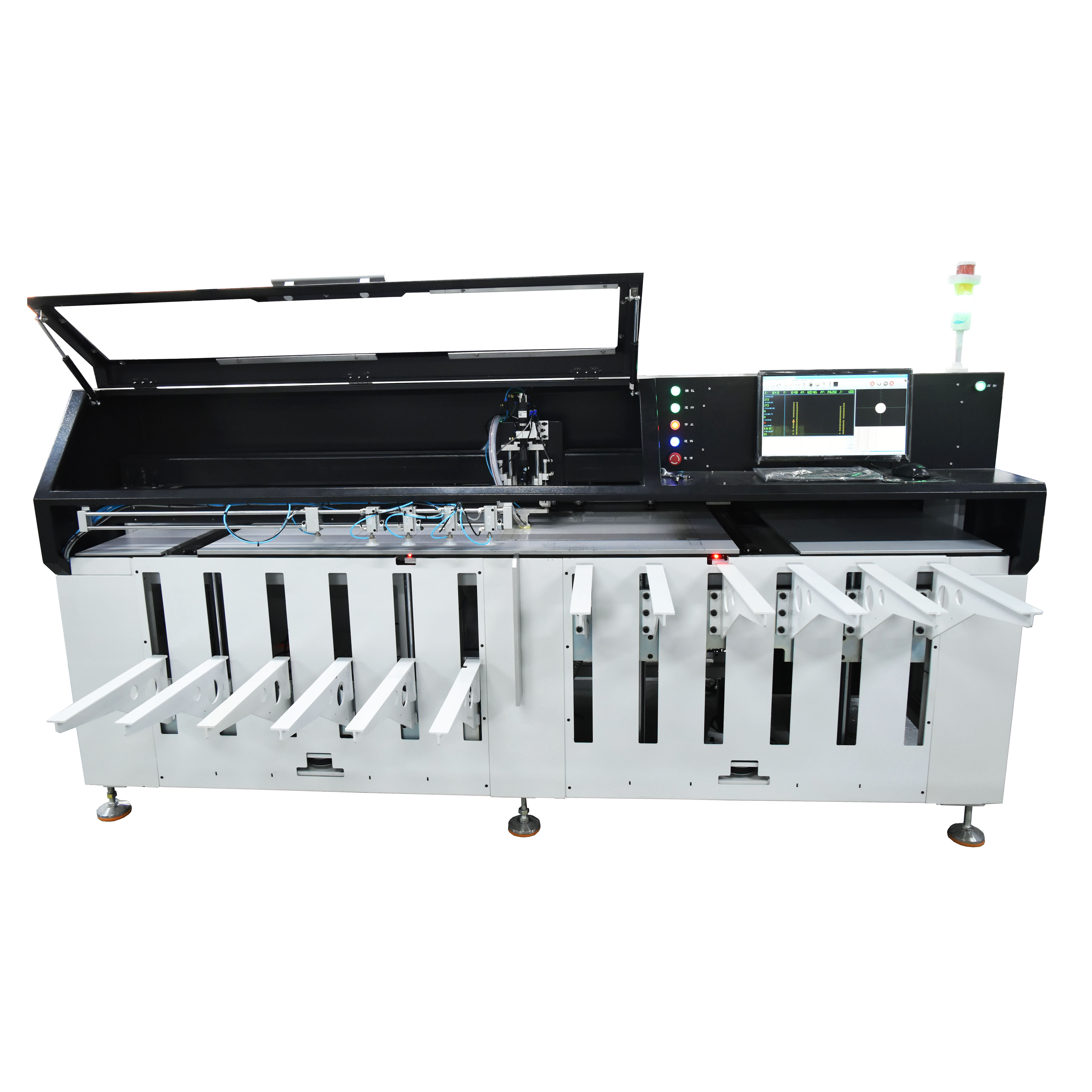
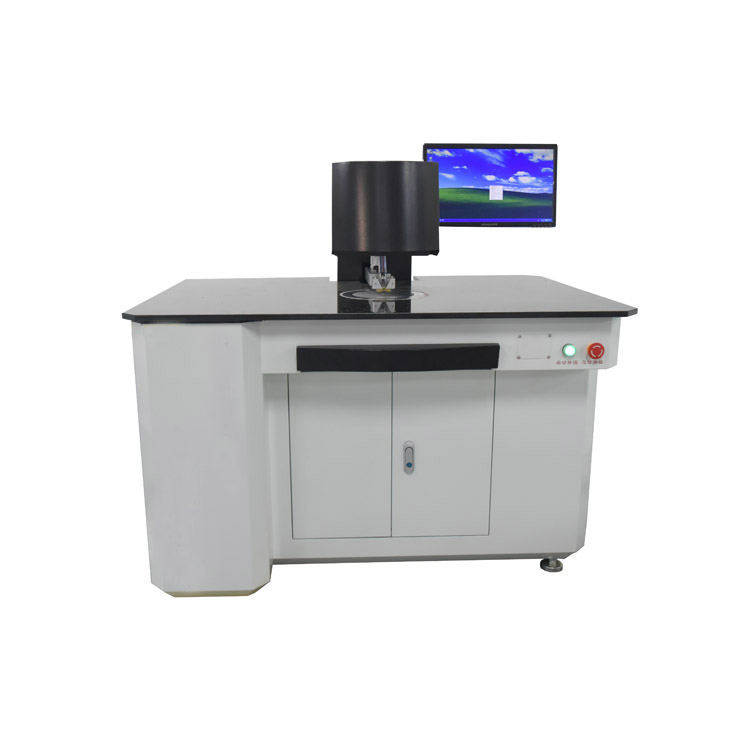
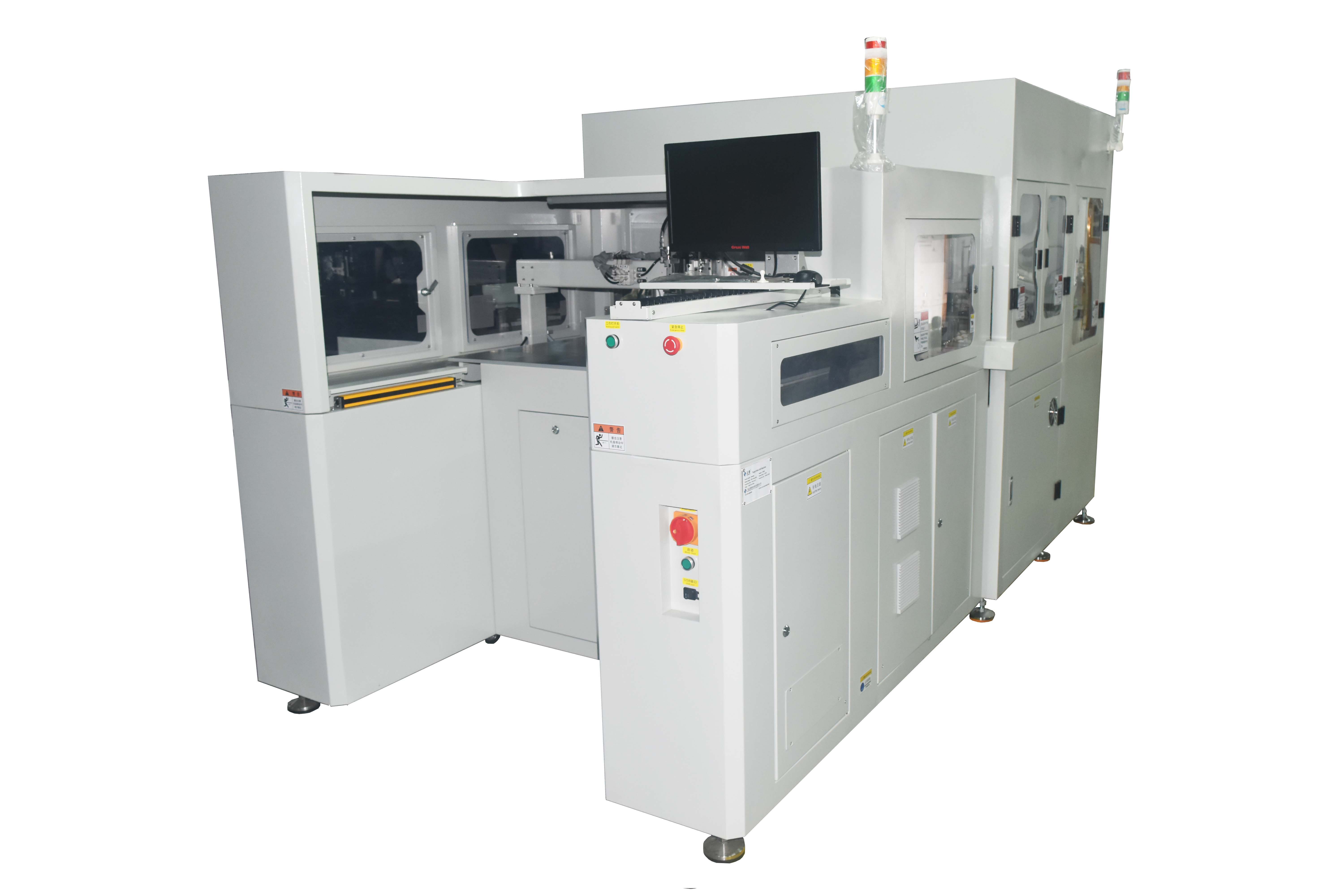
Although the visible machine structure in the provided data suggests an enclosed industrial automation cell rather than a clearly identifiable drill platform, the layout matches the kind of controlled system buyers often expect from a PCB target hole drilling machine. The enclosure, viewing windows, HMI touchscreen, emergency stop controls, and stack light all point to a production machine intended for operator-supervised, repeatable work. In PCB manufacturing, that setup is especially valuable for PCB registration hole drilling, where consistency and safe handling matter as much as speed.
For buyers comparing automation options, the key value is straightforward: reduce human positioning error, protect the work area, and keep panel processing aligned from station to station. If your line needs a multilayer PCB inner layer target hole drilling machine or a related automated alignment unit, the enclosed format shown here is a practical reference point for what a production-ready system can look like.
Machine Specification

Key Capabilities and Visible Structure
Enclosed industrial layout
The machine uses a rigid sheet-metal cabinet with service doors and inspection windows. That enclosed format is useful in electronics production because it helps isolate the process zone, reduce accidental contact, and keep operators focused on controlled loading and unloading.
Integrated operator controls
A mounted HMI monitor, push buttons, indicator lights, and emergency stop controls are visible. These features support process monitoring and make it easier for operators to confirm machine status, alarms, and cycle conditions.
Stable floor-mounted build
The unit sits on leveling feet and appears designed for fixed installation in an industrial line. That matters for any automatic PCB drilling machine, because vibration control and steady placement help maintain repeatability during panel positioning and drilling.
Modular station layout
Multiple work sections and transfer areas suggest a machine built for sequential handling. In PCB production, modular station design can support feeding, clamping, alignment, target drilling, unloading, or handoff to the next process.
Materials and Finish Options
The visible exterior uses painted steel sheet metal in a light gray or white industrial finish. Internal components are mostly enclosed, but the frame appears to combine metal plates, rails, and actuator interfaces. In this category of machine, buyers often evaluate:
• Cabinet material for rigidity and service access
• Corrosion resistance for factory environments
• Window and door design for inspection and maintenance
• Fixture surfaces that can be cleaned and adjusted for different panel sizes
If a custom build is required, finish selection usually depends on the production environment, cleaning routine, and whether the machine will sit near dust-sensitive or contamination-sensitive processes.
Manufacturing and Process Considerations
From the visible construction, this appears to be a precision industrial automation system with enclosed actuation and transfer functions. For target drilling applications, the important engineering points are not only the drill motion itself, but also the way the panel is presented, clamped, aligned, and released. A well-designed station should keep the workpiece flat, minimize shift during processing, and maintain a predictable path through the cycle.
In practice, buyers looking for PCB registration hole drilling equipment should ask how the machine handles panel loading, datum alignment, drill depth control, debris management, and fixture repeatability. Those details often determine whether the machine is fit for a production floor, especially in multilayer workflows.
Application Scenarios
This kind of machine is relevant to electronics and precision manufacturing lines where panel accuracy is critical. Typical use cases may include:
• Multilayer PCB inner layer target hole drilling
• Panel alignment before lamination or bonding
• Controlled drilling or punching at registration points
• Inline material transfer between automated stations
• Fixture-based processing for repeatable small-part handling
Because the exact internal process is not confirmed from the image, it is best to treat the machine as a high-value automation platform for precision panel work rather than assume a specific drill spindle or tooling package.
Quality Control and Safety Features
The visible emergency stop, stack light, and enclosed access doors are meaningful indicators for a production buyer. They suggest the machine was designed with operator awareness and controlled access in mind. For a target drilling or registration application, quality control should also include:
• Fixture alignment checks before each run
• Sensor confirmation for panel presence
• Maintenance access to rails, actuators, and tooling points
• Consistent cycle monitoring through the HMI
These factors help reduce scrap and make troubleshooting faster when a panel is out of tolerance or a feed issue occurs.
Customization Guidance for Buyers
If you are sourcing a fully automatic target drilling machine, define the project around your panel size, material stack-up, hole pattern, and line layout. Ask whether the system can be adapted for your fixture format, conveyor height, loading direction, or upstream/downstream interface. Buyers should also confirm whether the machine will support your required inspection method, dust control needs, and operator access preferences.
When comparing vendors, focus on the practical details: enclosure access, repeatability, changeover time, and how easily the machine integrates with your existing automation. For PCB work, those factors often matter more than cosmetic differences.
Why This Machine Type Is Worth Considering
A well-built automated drilling and handling station can improve consistency across the line, reduce manual intervention, and help keep panel registration under control. That is why equipment in this category is attractive to buyers running high-volume PCB or precision electronics production. If your current process depends on manual alignment or inconsistent hole positioning, moving to an enclosed automated system can be a meaningful upgrade.
Request a Suitable Configuration
If you need a machine for target hole drilling, PCB alignment, or panel registration automation, share your panel format, process sequence, and required interfaces. A suitable configuration can then be matched to your production flow, fixture needs, and line layout.